Welcome to Neurotectura!
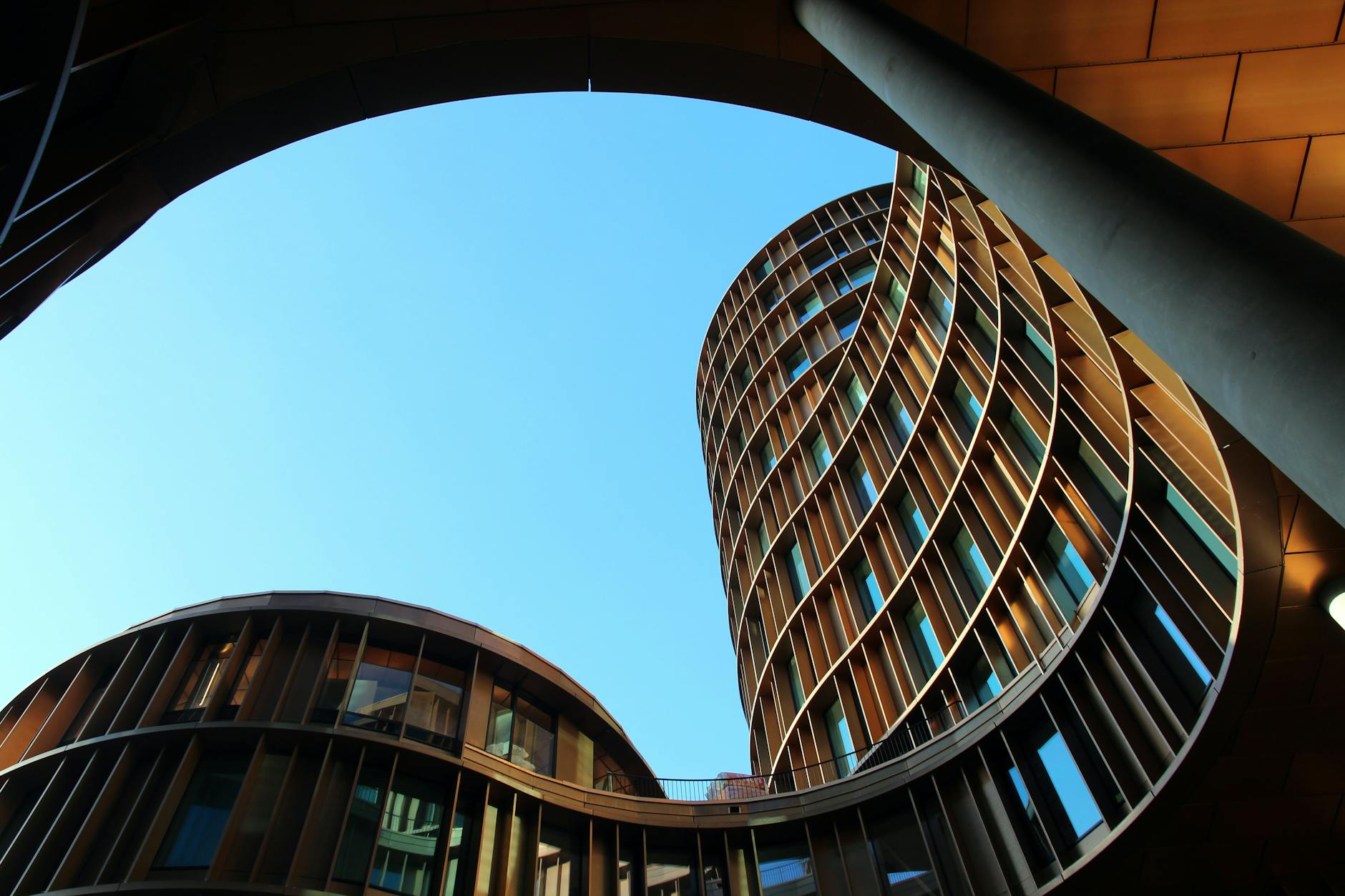
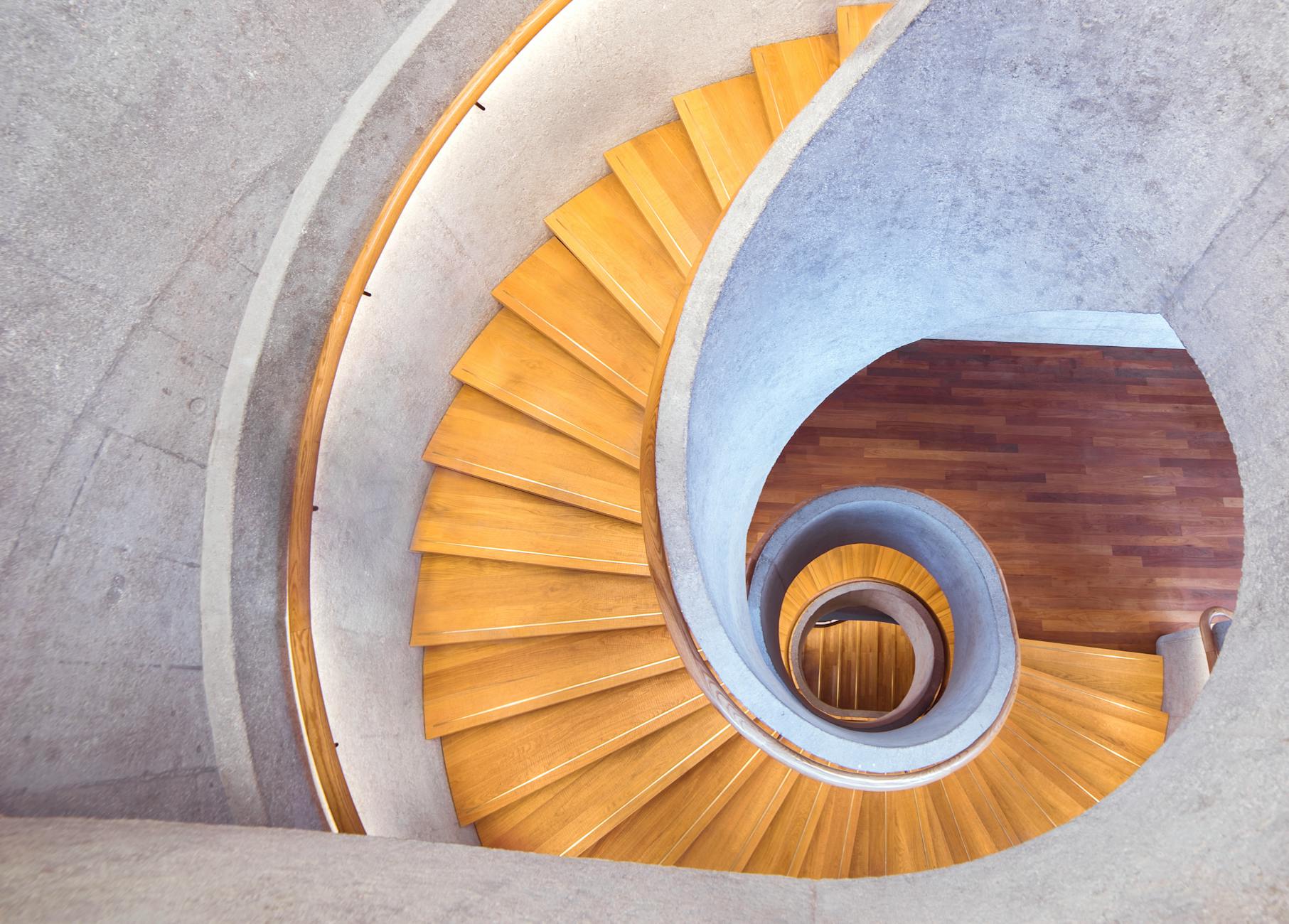
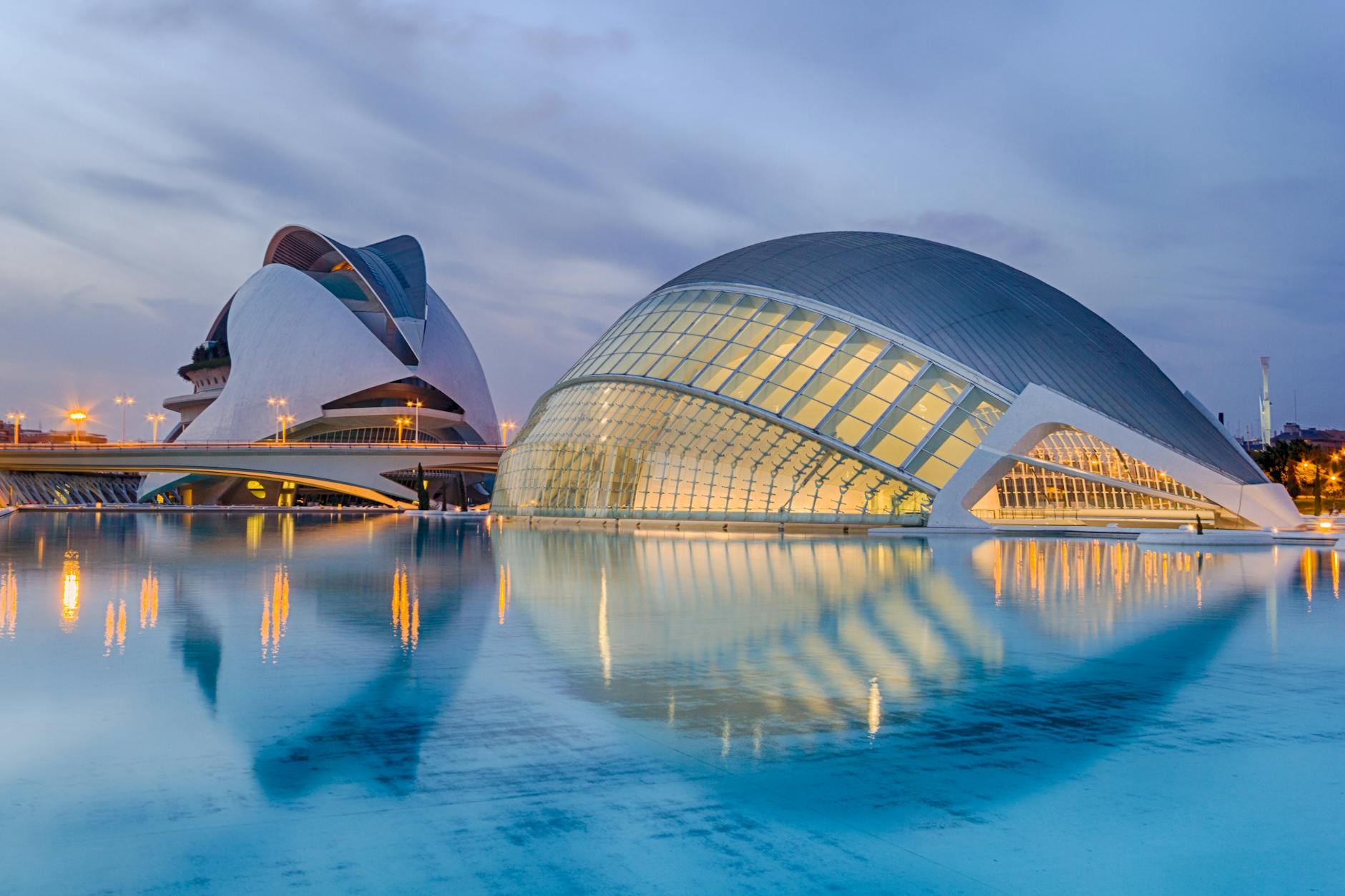


Patricia Fierro — Newton
MA in Architecture History, University of London
Architect National University of Colombia, Bogotá
I founded Neurotectura in 2021 to explore how the built environment influences our minds, emotions, and daily lives. My work sits at the intersection of neuroscience, architecture, and inclusion, with a special focus on neurodiversity.
We spend nearly 90% of our time indoors, yet many spaces are not designed to support mental well-being or accommodate the rich diversity of how people perceive and experience the world. I believe that must change.
At Neurotectura, my mission is to:
- Research and share how neuroscience can inform architecture and design.
- Promote spaces that reduce stress, support sensory regulation, and foster belonging.
- Advocate for neuroinclusive environments—where everyone, regardless of neurological profile, feels seen, safe, and empowered.
Whether in homes, schools, workplaces, or cities, thoughtful design has the power to transform lives. Through articles, resources, and collaborations, I aim to inspire architects, educators, designers, and all built environment professionals to design with the brain—and heart—in mind.
🧠 Designing for mental well-being is not a luxury—it’s a responsibility.
Join me on this journey toward a more inclusive, emotionally intelligent built world.
🗣️ In Other Voices
Topics explored by Neurotectura have appeared in international conversations on architecture, well-being, and neuroscience, featured in publications such as:
- Buzzfly (UK)
Discussed the emotional impact of the “cathedral effect” in an article about the benefits of walking in urban spaces.
Read article - ultimatesoft.net (Vietnam)
Cited our article on emotional responses to curved vs. angular forms.
Read article→ - Espanol News (International)
Spanish version focusing on the emotional influence of spatial design while walking in the city.
Read article → - Les Actualités (France)
French edition mentioning the role of architecture in shaping emotional experience in urban environments.
Read article →
 neurotectura.com