
Inclusion: Designing for Neurodiversity
A growing resource of research, insights and methods from the intersection of neuroscience and inclusive design. This collection explores how built environments can be shaped to support diverse minds—and how I’m gathering knowledge to translate that into real-world architectural strategies.

Neurodiversity and Architecture: Keys to an Inclusive World
Liam is five. On his first day at a new school, he didn’t sit where instructed or follow the routine. Instead, he moved constantly—reading every sign, poster, and label in sight…
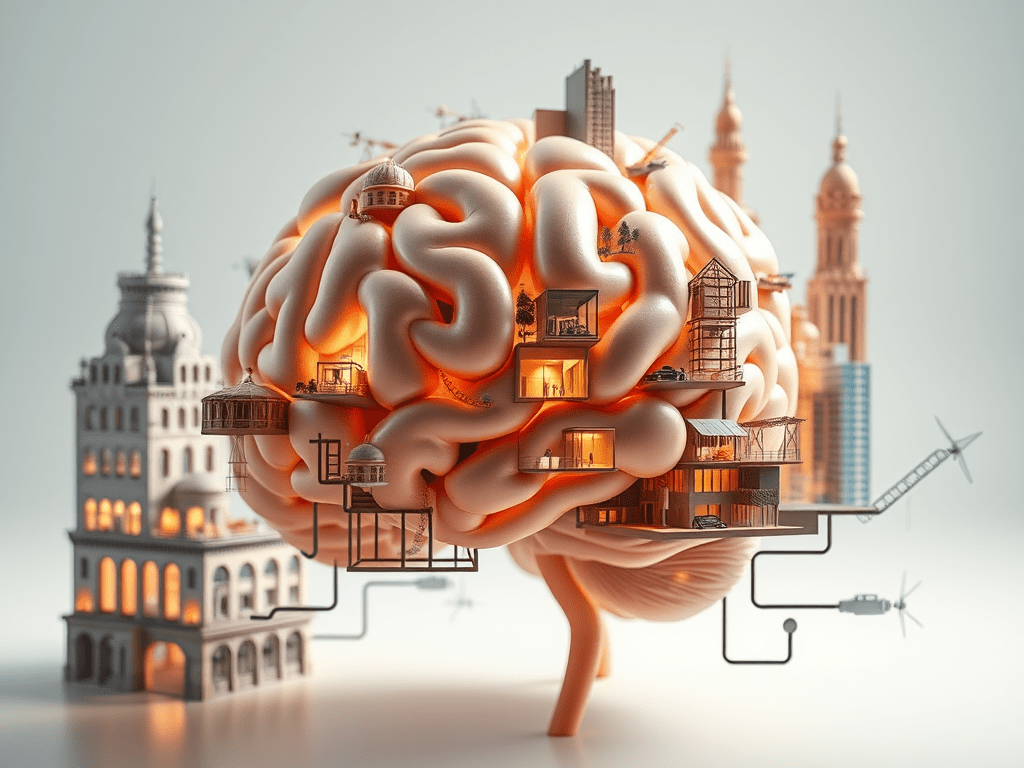
Inclusive Design: Meeting Diverse Needs in Architecture
Have you ever walked into a space and instantly felt overwhelmed—or completely at peace? Architecture speaks to our senses before we even realise it.
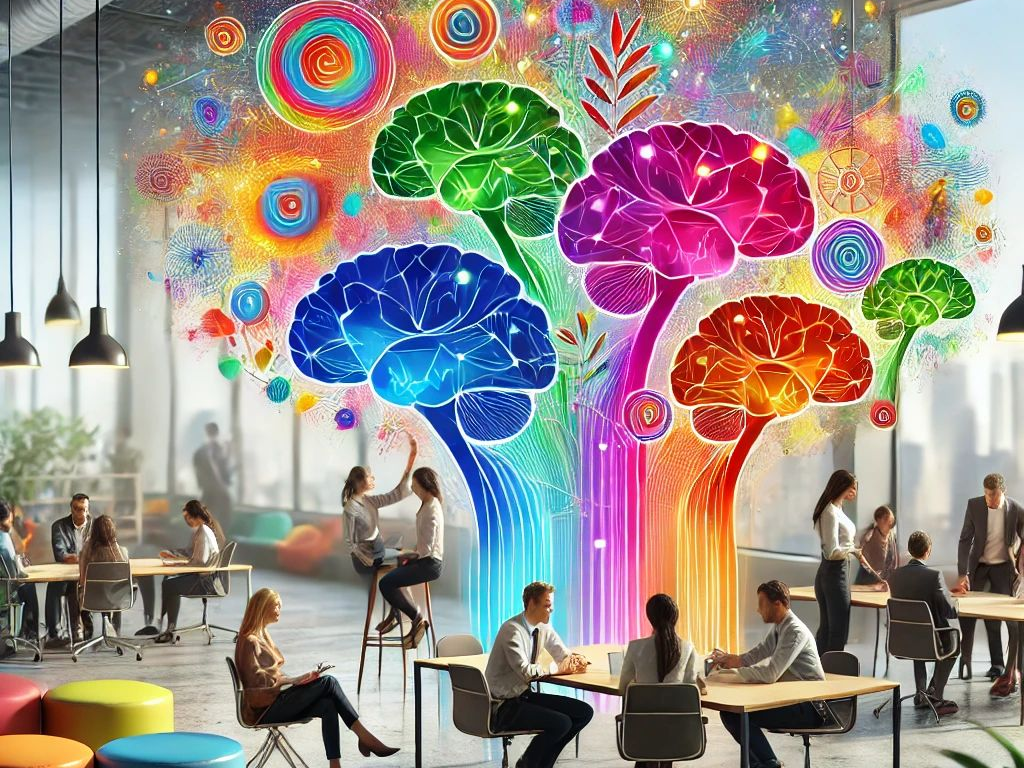
Neurodiversity Week: Rethinking Design for Every Mind
Neurodiversity Celebration Week, observed annually from 17 to 23 March, is a global movement that shifts the perspective on neurological differences.

A long-term project exploring inclusive environments through the lens of neuroarchitecture
This evolving project brings together research, reflections, case studies, and personal insights on how architecture affects neurodivergent individuals across different stages of life.
My broader focus is neuroarchitecture—but this work represents a more specific commitment: to develop expertise in inclusive design for neurodiversity.
At this stage, I am actively collecting data, experiences, and academic findings, while writing and sharing what I learn along the way. The aim is not only to document, but to translate knowledge into practical, emotionally intelligent design strategies that support real people in real spaces.
This gallery will grow over time, expanding into a resource for designers, educators, families, and all those reimagining environments for diverse ways of thinking, sensing, and being.
Each brain is unique, shaped by a combination of genetic and environmental factors from an early age. The environment in which we grow up plays a key role in brain development—particularly during childhood and adolescence.
What is neurodiversity?
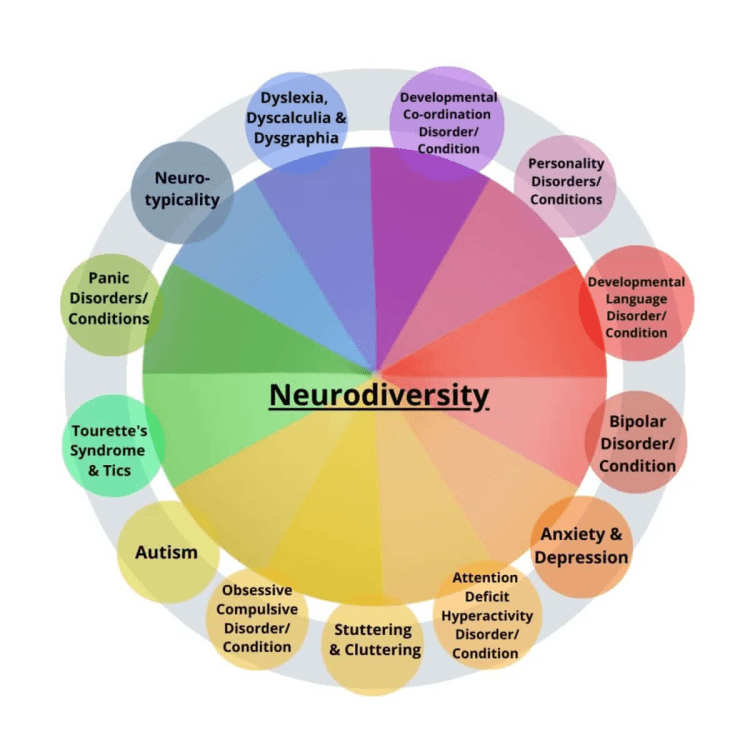
Neurodiversity encompasses the natural variability in how our brains function and recognises that every individual has unique neurobiological differences. This perspective views brain diversity as a natural part of the human condition, and understands that these differences may be expressed through a wide range of cognitive, emotional, and behavioural traits.
“Inclusive design aims to remove the barriers that might prevent an individual from using an environment freely and with ease.”
Assa Abloy, ‘Inclusive design – Why should you care?’
The built environment affects us all—but for neurodivergent individuals, its impact can be even more profound. Spaces that overwhelm the senses or confuse the mind can limit participation and wellbeing, while those designed with clarity, calm, and inclusion in mind can offer real support.
But do we truly know how to build those environments?
Learning what matters, why it matters, and how to translate that into design is the core of my project right now. I’m gathering knowledge, listening to experiences, and exploring the intersection between neuroscience, architecture, and human diversity—because inclusive design begins with in-depth understanding.
 neurotectura.com