You thought you chose the perfect colour. But when the sun sets… it feels wrong. Why?
Because colour isn’t fixed—it’s shaped by light.
What we perceive as “colour” is a dance between pigment and light, changing with time of day, orientation, lighting temperature, and material surroundings. That’s why the same soft grey can feel calming in morning light but harsh under blue-rich LEDs.
But light doesn’t just influence colour—it influences emotion. It defines shadows, sets rhythms, and tells our bodies when to focus, rest, or sleep. In that sense, light isn’t just a visual tool—it’s a behavioural guide.
What Is Light?
Light is a form of energy made of electromagnetic waves that travel through space. It’s the visible portion of the electromagnetic spectrum, allowing us to see colour, perceive depth, and orient ourselves. Natural light from the sun shifts in intensity and tone throughout the day, guiding biological processes. Artificial light mimics or disrupts these patterns, affecting both perception and mood.
Before colour comes light. Before mood comes perception.
Lighting and the Body: Following the Circadian Rhythm
Light regulates our circadian rhythm—the internal clock that governs sleep, mood, hormone levels, and focus. Morning light (especially in the blue spectrum) boosts alertness and energy. Evening light, ideally warm and dim, helps us wind down.
In modern life, we often expose ourselves to blue-rich white light late into the evening, disrupting melatonin production and confusing our biological sense of time. The result? Lighter, more restless sleep, mood swings, and chronic stress.
Types of Lighting and Their Effects
- Cool white LEDs (5000K+) → energising, but overstimulating at night. Best for daytime tasks.
- Warm white LEDs (2700–3000K) → support relaxation. Ideal for evenings.
- Natural daylight → essential for mood and productivity. Most beneficial in the morning.

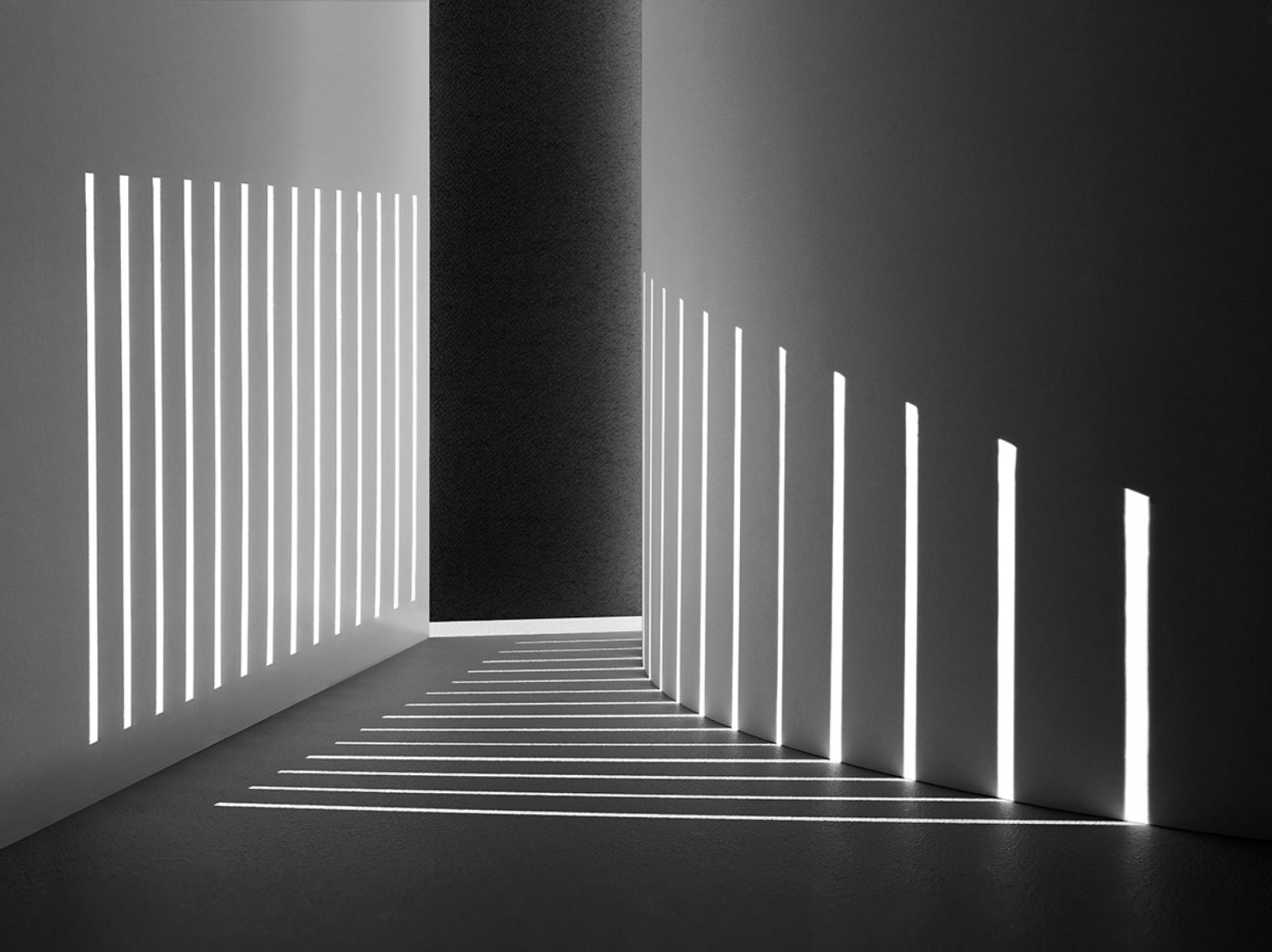
This miniature paper architecture project uses light as a map to shape form. The interplay between space, light, and shadow reveals how even the smallest structures can evoke emotional depth and spatial rhythm. A reminder that light is not complete without its silent partner—shadow.
Shadow: The Silent Partner of Light
Without light, shadow would not exist. They are inseparable—a natural pair where one gives meaning to the other.
If light tells us what to see, shadow tells us how to feel.
Without shadow, spaces can feel overstimulating or flat. With it, light gains nuance. Filtered beams, dappled leaves, and softened corners create depth and intimacy. They invite us to slow down.
Why Shadow Matters
- Creates contrast, easing cognitive load.
- Defines boundaries, giving shape and hierarchy.
- Softens overstimulation, helping sensitive nervous systems.
- Enhances intimacy, inviting calm and reflection.
Light shows us the room. Shadow lets us feel it.
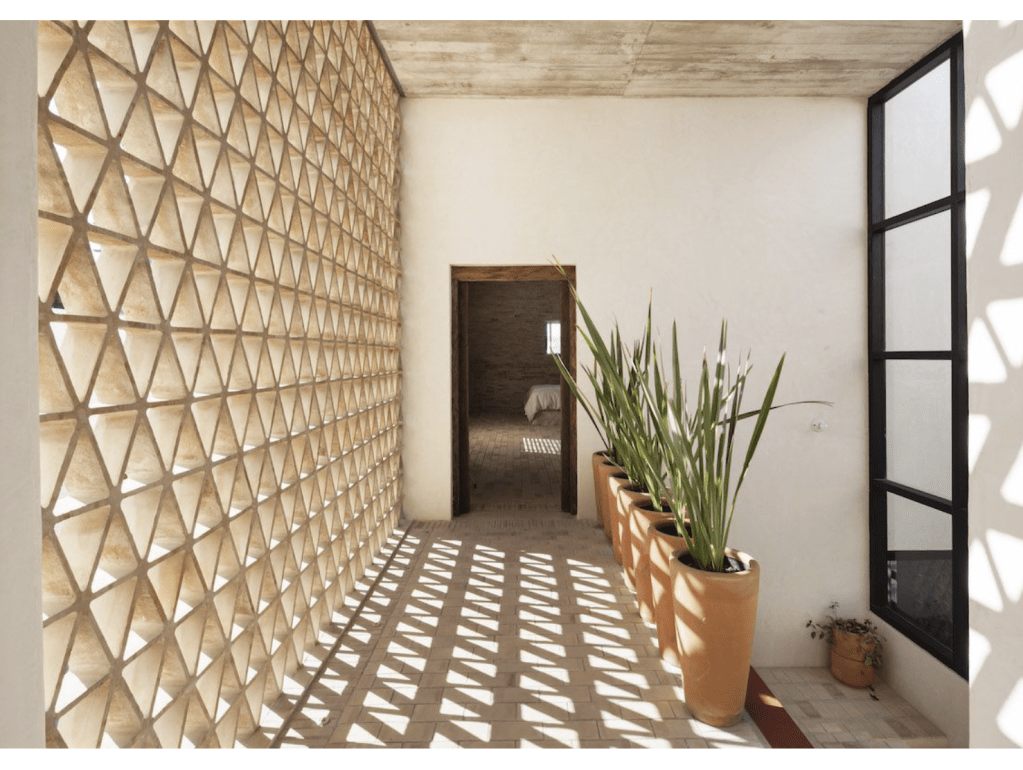
This sun-drenched hallway features a lattice façade of thin clay bricks, casting shifting geometric shadows throughout the day. Designed for the humid, windy climate near the Gulf of Mexico, the home uses natural materials—like exposed concrete, polished white cement, and chukum resin—to balance resilience and warmth. A poetic dialogue between light, shadow, and texture defines its serene, climate-conscious architecture.
Masters of Light and Shadow
Luis Barragán: Light as Silence and Emotion
Luis Barragán was a master of light and shadow. His architecture shaped and coloured light in unique ways. In buildings like Casa Gilardi and the Capuchinas Convent, light becomes tangible, creating long shadows and illuminating vibrant surfaces of pink, yellow, and cobalt blue.
Barragán used shadow as an invitation—an emotional pause in experiencing space. Dark corridors, pools of indirect light, and sunlight on textured walls evoke silence and reflection. For Barragán, light and shadow were emotional elements, showing that architecture can be a spiritual experience when designed thoughtfully.
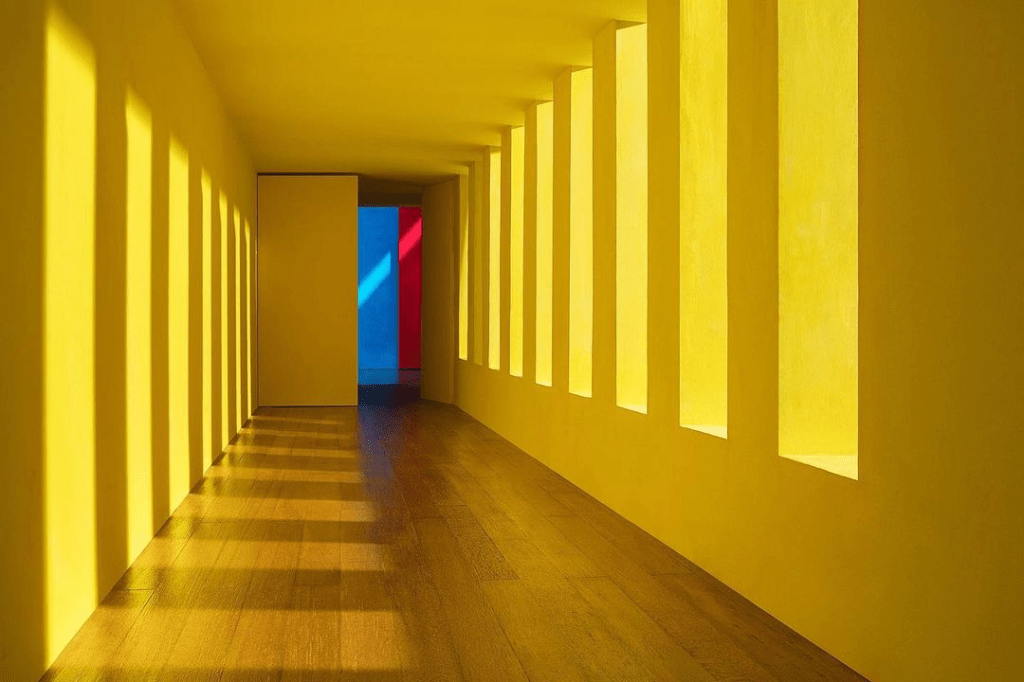
In one of his final works, Barragán creates a poetic interplay of saturated colour and filtered sunlight. The yellow corridor opens onto a striking composition of blue and magenta walls, crossed by a single diagonal beam of natural light. Here, light becomes architecture—defining mood, rhythm, and silence.
Tadao Ando: The Discipline of Light
Tadao Ando’s architecture is a lesson in restraint. Working primarily with raw concrete, his spaces are shaped by simplicity, silence, and the poetry of natural light. In the Church of the Light, a single cruciform cut in the wall allows daylight to pour in, transforming the sacred space through shadow and illumination.
Ando sees light as a sacred element, using it to enhance solitude, awe, and introspection. His use of darkness makes light all the more meaningful. In this way, Ando’s work is not just minimalist—it is deeply emotional.
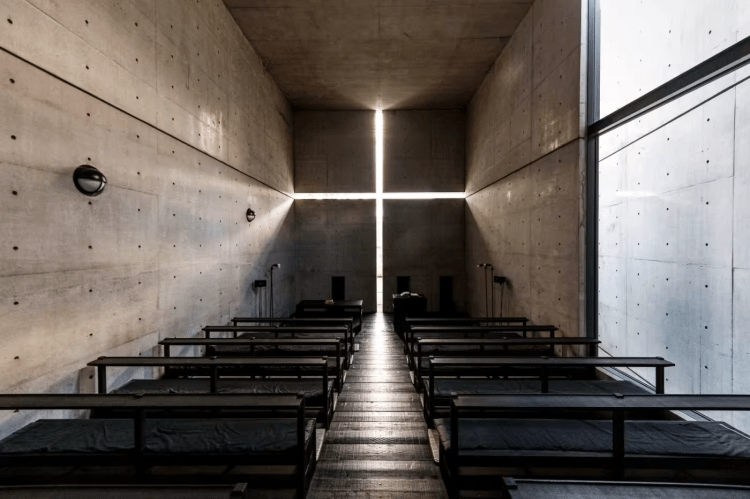
This iconic chapel transforms a single beam of sunlight into a powerful architectural experience. The cross-shaped aperture carved into its concrete wall casts precise, geometric shadows, turning light into a spiritual presence and stillness into design.
Louis Kahn: Giving Silence to Light
Louis Kahn famously said, “Even a room must begin to glow with the light that comes through it.” For Kahn, light was the source of all form. His architecture often featured monumental masses pierced by carefully placed openings, allowing light to shape the atmosphere.
In buildings like the Salk Institute or the Exeter Library, Kahn choreographed light to highlight materials, rhythms, and sacred stillness. Shadow was his tool for creating depth and mystery. Through him, we learn that good architecture doesn’t just admit light—it honours it.
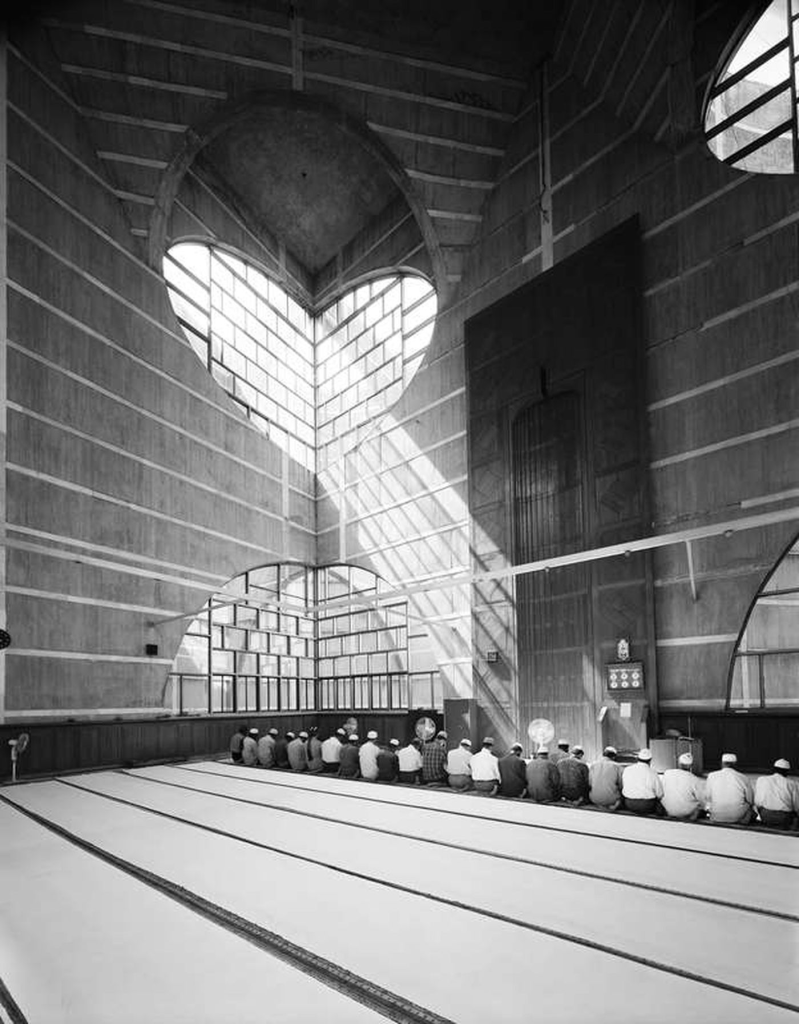
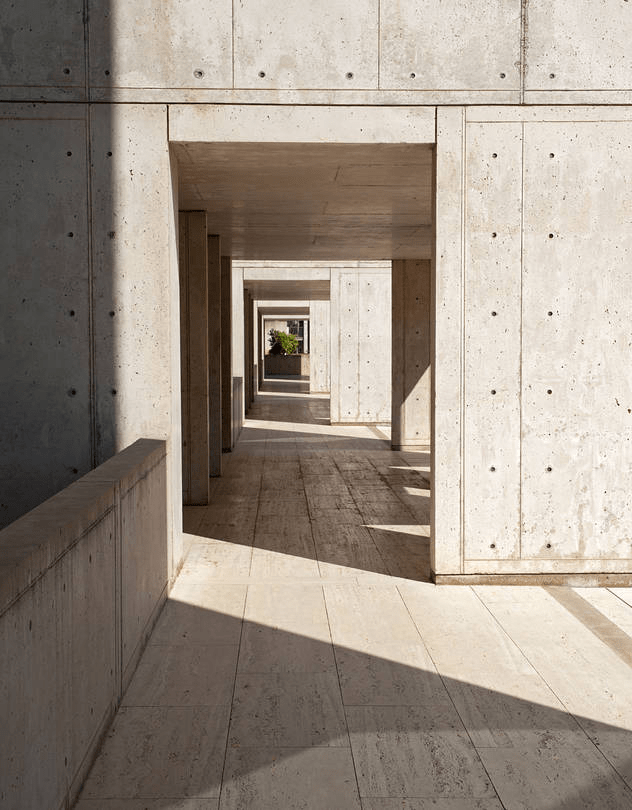
Left: In the National Assembly in Dhaka, monumental forms are carved with deep voids, allowing sunlight to sculpt dramatic shadows that shift throughout the day. Right: At the Salk Institute in California, shadowed corridors and sunlit openings guide both movement and contemplation. In both projects, light is not merely functional—it becomes the soul of the space.
Final Reflection: Light as a Language of Care
Light and shadow are more than physical phenomena. They shape emotion, rhythm, and sensory well-being. Designing with light means designing with empathy—and designing with shadow means designing with depth.
Notice the difference:
- How does morning light enter your space?
- Where do shadows fall naturally?
- What kind of lighting makes your body relax?
Whether you’re adjusting a lamp or planning a building, you are shaping how people feel.
Let this be an invitation to think not just about lighting—but about the poetry of shadow too. Where brightness energises, shadow soothes. Where light reveals, shadow embraces.
Begin with the light. Honour the shadow. Let your space speak.
Light and shadow are more than physical phenomena. They shape emotion, rhythm, and sensory well-being. Designing with light means designing with empathy—and designing with shadow means designing with depth.
Notice the difference:
- How does morning light enter your space?
- Where do shadows fall naturally?
- What kind of lighting makes your body relax?
Whether you’re adjusting a lamp or planning a building, you are shaping how people feel.
Let this be an invitation to think not just about lighting—but about the poetry of shadow too. Where brightness energises, shadow soothes. Where light reveals, shadow embraces.
In a world flooded with artificial light, designing with intention becomes an act of kindness.
Begin with the light. Honour the shadow. Let your space speak.
Start Here: Invite Light and Shadow into Your Life
Designing with light doesn’t require a full renovation—it begins with attention.
- Swap one bulb: Replace a harsh overhead light with a warm LED in the room where you unwind.
- Observe: Where does light enter your space in the morning, at midday, or near sunset? How do shadows dance on your walls or floors?
- Layer intentionally: Use ambient, task, and accent lighting to create different moods throughout the day.
- Celebrate shadow: Add a sheer curtain, a plant, or a textured object to create moving shadows and soften light.
Light is the guide, but shadow is its haunting echo—how do they shape your emotions?
References
Louis Kahn, “Silence and Light” (lecture, 1969) — source of Kahn’s philosophy on light as the generator of form.
Luis Barragán, various writings and interviews — especially on the emotional and spiritual dimensions of light.
Tadao Ando, “The Colours of Light” — photo essays and commentary on his architectural treatment of light and shadow.
Shadow Spaces: Miniature architecture crafted from paper looks like real buildings. https://www.creativeboom.com/inspiration/shadow-spaces-miniature-architecture-crafted-from-paper-looks-like-real-buildings/
Beyond Form: How Light and Shadow Define Architectural Atmosphere https://www.archdaily.com/1027315/beyond-form-how-light-and-shadow-define-architectural-atmosphere
 neurotectura.com
2 thoughts on “The Emotional Power of Light and Shadow in Design”