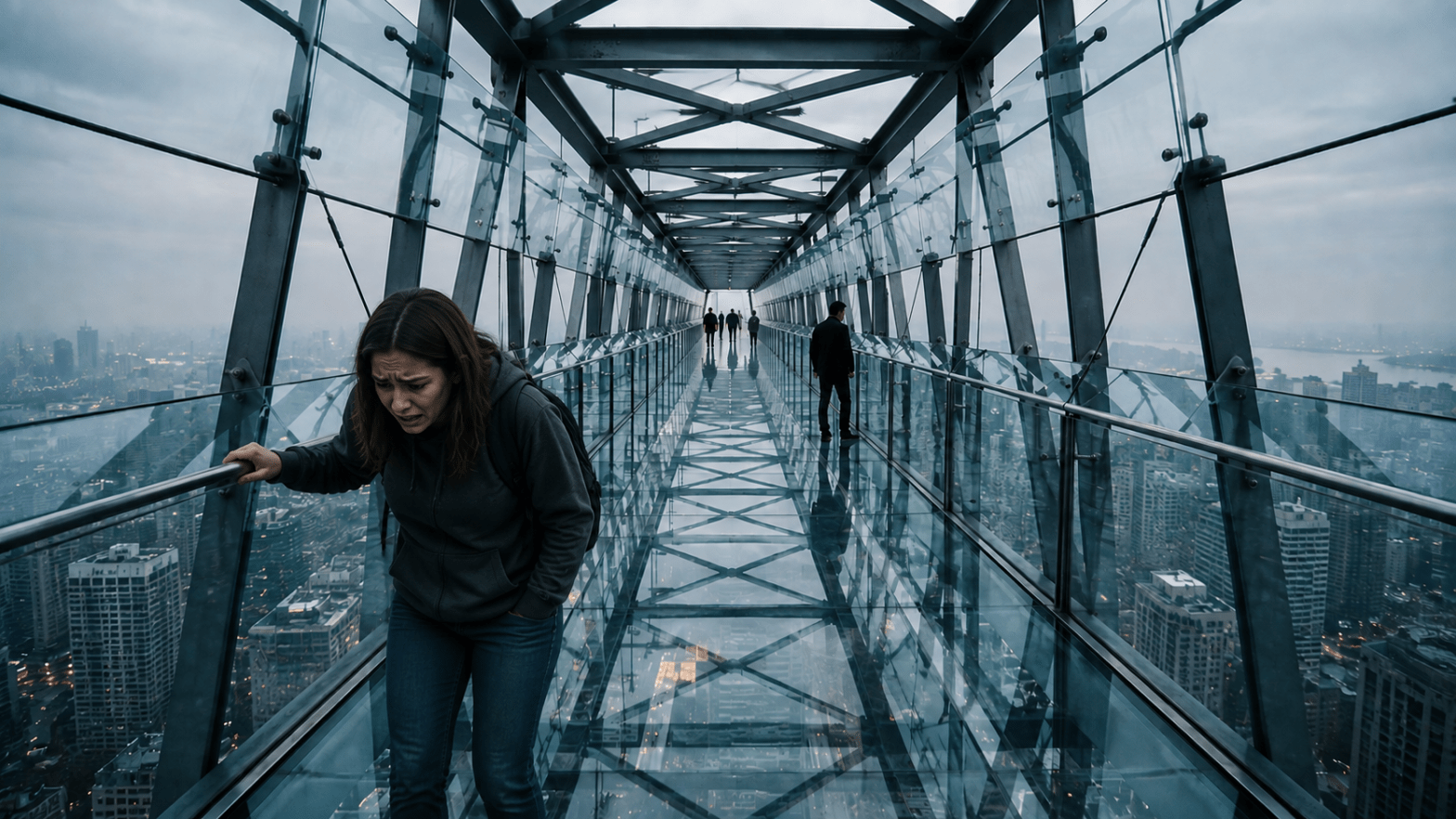
Un puente de vidrio puede ser perfectamente seguro y, aun así, resultar difícil de cruzar. La estructura puede haber sido diseñada para soportar cargas enormes, y el vidrio puede haber sido cuidadosamente probado y estar firmemente sujeto. Desde el punto de vista de la ingeniería, quizá no haya ninguna razón para temerlo. Sin embargo, paraContinueContinue reading “Cómo la percepción determina la verdadera medida del diseño”
Category Archives: Emotional architecture
How Perception Shapes the True Measure of Design
A glass bridge can be perfectly safe and still be difficult to cross. The structure may have been engineered to withstand enormous loads, and the glass may have been carefully tested and securely supported. From an engineering perspective, there may be no reason to fear it. Yet for many people, standing on a transparent floorContinueContinue reading “How Perception Shapes the True Measure of Design”
Pritzker 2026: The Sensory Architecture of Smiljan Radić
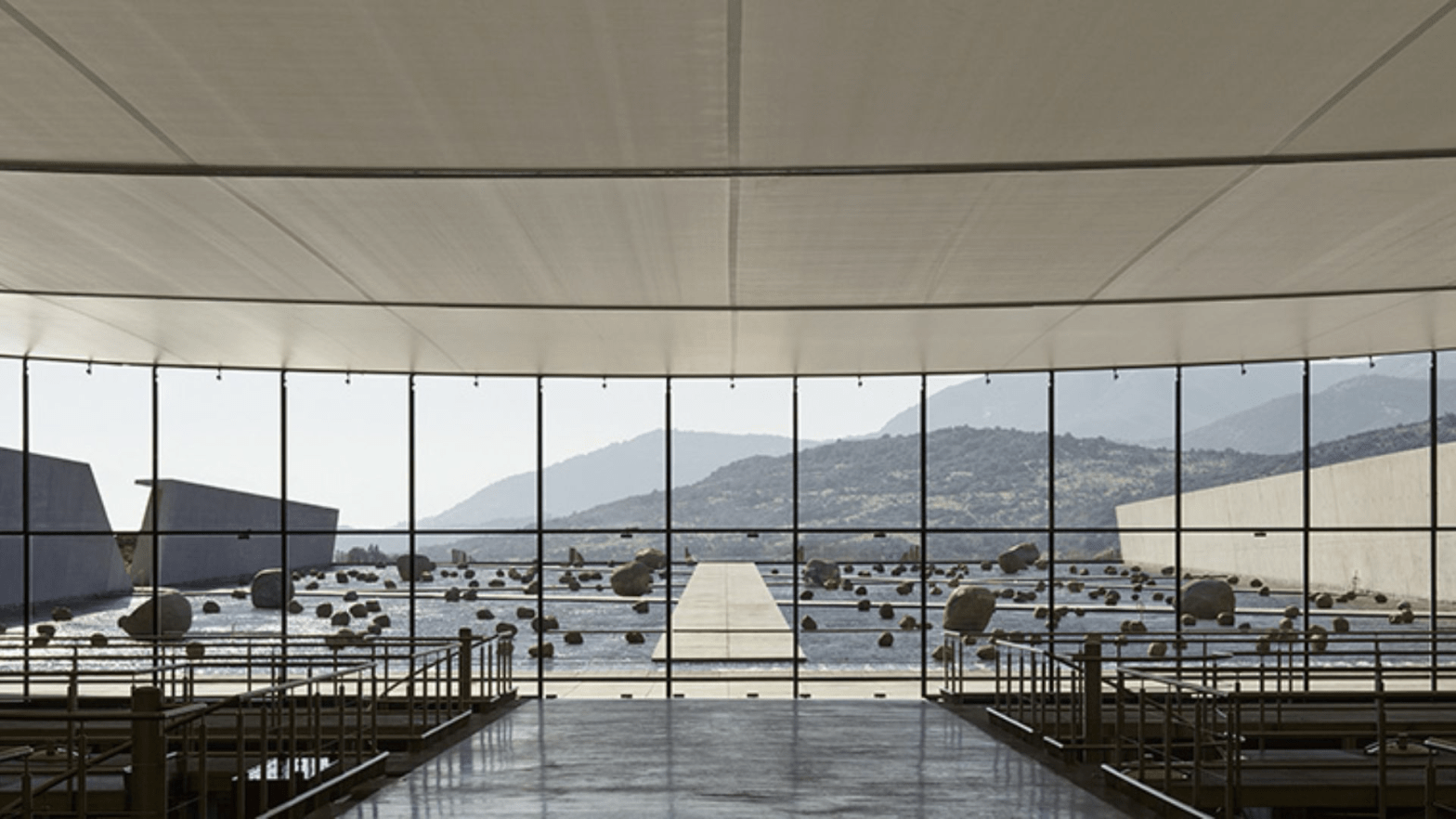
Each year, the Pritzker Architecture Prize represents more than recognition for an individual architect. It also offers a signal of where contemporary architecture may be heading. Smiljan Radić, the 2026 Pritzker laureate, represents a shift towards an architecture defined by atmosphere, intensity and emotional ambiguity—standing in contrast to the growing global standardisation of the builtContinueContinue reading “Pritzker 2026: The Sensory Architecture of Smiljan Radić”
The Urgency of Silence: Why Inner Retreat is the Most Necessary Architecture of the 21st Century

In the 1950s, Dr. Jonas Salk—on the verge of creating the polio vaccine—felt completely paralysed. After years of research, exhaustion and global pressure led to an absolute mental block. Exhausted and confused, he made a radical decision: to travel to the Monastery of Assisi, Italy, the home of Saint Francis. There, amidst silent walls, softContinueContinue reading “The Urgency of Silence: Why Inner Retreat is the Most Necessary Architecture of the 21st Century”
The Emotional Power of Light and Shadow in Design
You thought you chose the perfect colour. But when the sun sets… it feels wrong. Why? Because colour isn’t fixed—it’s shaped by light. What we perceive as “colour” is a dance between pigment and light, changing with time of day, orientation, lighting temperature, and material surroundings. That’s why the same soft grey can feel calmingContinueContinue reading “The Emotional Power of Light and Shadow in Design”

