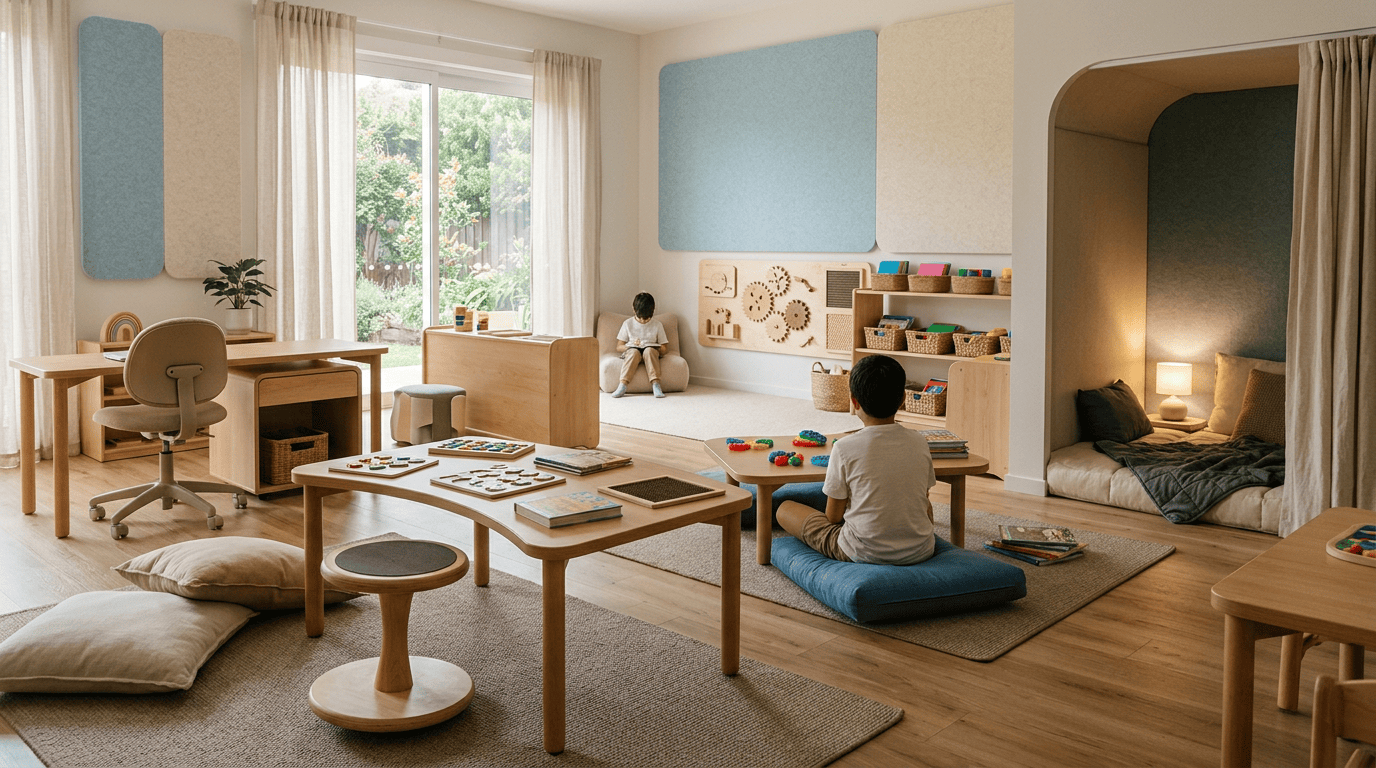
A conversation with Colombian psychologist and neuropsychologist María del Pilar Pinzón Rueda As architects and designers, we tend to approach a project through function, aesthetics, cost and building regulations. But there’s a question we rarely ask in enough depth: how does the person inhabiting this space actually experience it? The brain is not a passiveContinueContinue reading “Designing for Diversity: Why Inclusion Should Be Every Architect’s Job”
Author Archives: Patricia Fierro-Newton
Diseñar para la diversidad: por qué la inclusión debería ser responsabilidad de todo arquitecto
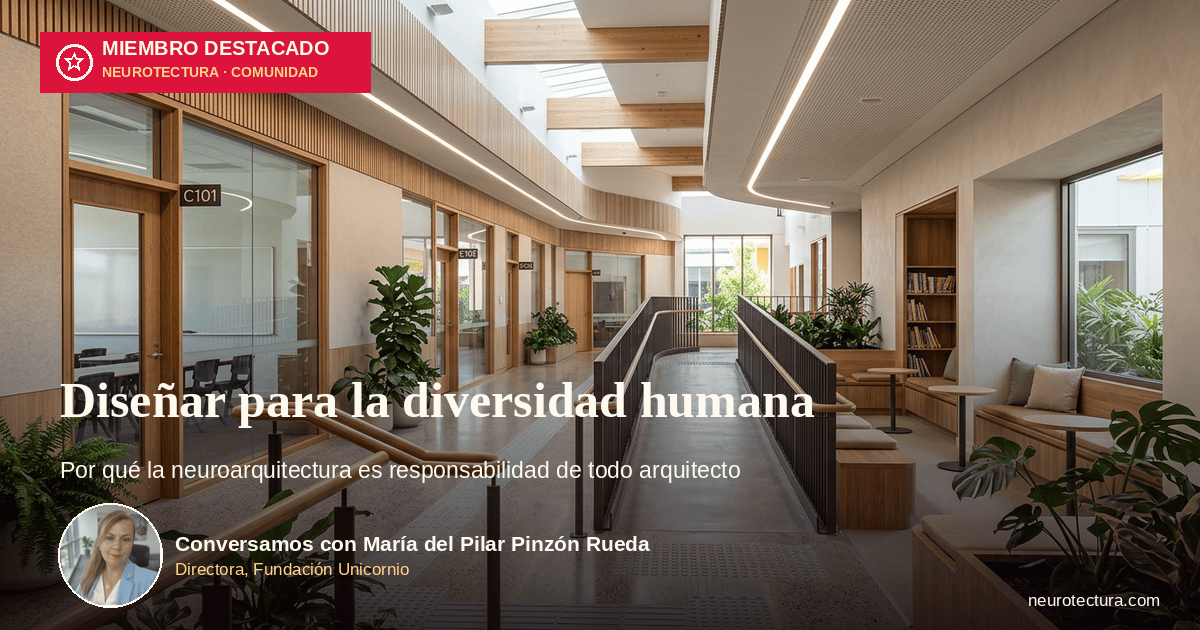
Como arquitectos y diseñadores, solemos abordar un proyecto por su función, su estética, sus costes y el cumplimiento de la normativa. Pero hay una pregunta que rara vez nos hacemos con suficiente profundidad: ¿Cómo se siente el cerebro de quien habita este espacio? El cerebro no es un espectador pasivo del espacio; al contrario, siContinueContinue reading “Diseñar para la diversidad: por qué la inclusión debería ser responsabilidad de todo arquitecto”
¿Qué hace que una ciudad sea buena para vivir —y quién decide eso?

Copenhague es la ciudad más habitable del mundo. Los rankings de habitabilidad miden las condiciones que ofrecen las ciudades. Pero las ciudades no se experimentan como números. Se experimentan a través de la percepción, la memoria, la emoción y el cuerpo. Cada año, las ciudades compiten por el título de la más habitable, la másContinueContinue reading “¿Qué hace que una ciudad sea buena para vivir —y quién decide eso?”
What Makes a City Good to Live In — and Who Gets to Decide?
Copenhagen is the world’s most liveable city. Liveability rankings measure the conditions cities provide. But cities are not experienced as numbers. They are experienced through perception, memory, emotion and the body. Every year, cities compete for the title of the world’s most liveable, most beautiful, happiest or most desirable. The language changes, the methodologies differ,ContinueContinue reading “What Makes a City Good to Live In — and Who Gets to Decide?”
La neuroarquitectura del descanso: Más allá del pod de siesta en la oficina

Abstract layered landscape with glowing pathways and a warm central chamber
The Neuroarchitecture of Rest: Moving Beyond the Office Sleep Pod
Abstract layered landscape with glowing pathways and a warm central chamber
Cómo la percepción determina la verdadera medida del diseño
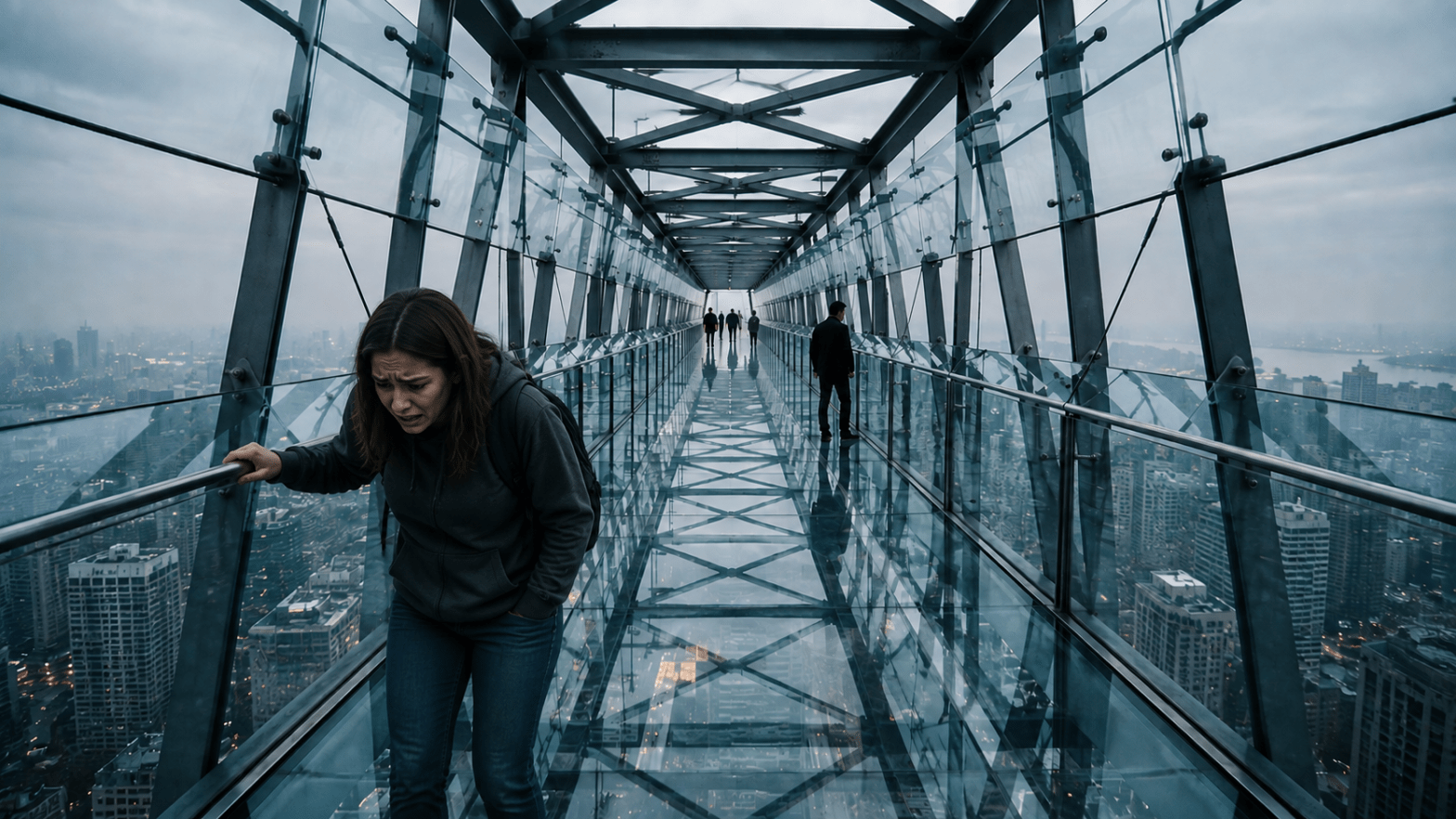
Un puente de vidrio puede ser perfectamente seguro y, aun así, resultar difícil de cruzar. La estructura puede haber sido diseñada para soportar cargas enormes, y el vidrio puede haber sido cuidadosamente probado y estar firmemente sujeto. Desde el punto de vista de la ingeniería, quizá no haya ninguna razón para temerlo. Sin embargo, paraContinueContinue reading “Cómo la percepción determina la verdadera medida del diseño”
How Perception Shapes the True Measure of Design
A glass bridge can be perfectly safe and still be difficult to cross. The structure may have been engineered to withstand enormous loads, and the glass may have been carefully tested and securely supported. From an engineering perspective, there may be no reason to fear it. Yet for many people, standing on a transparent floorContinueContinue reading “How Perception Shapes the True Measure of Design”
¿Qué restaura realmente la naturaleza?

Con frecuencia se afirma que la naturaleza beneficia la atención, la memoria, el aprendizaje y el bienestar mental. En la arquitectura y la educación, esta idea suele traducirse en una fórmula sencilla: ofrecer vistas hacia zonas verdes, incorporar plantas o mostrar imágenes de paisajes naturales para mejorar el rendimiento cognitivo. Pero la cognición no esContinueContinue reading “¿Qué restaura realmente la naturaleza?”
What Does Nature Actually Restore?
A quiet timber-lined study alcove overlooking trees, separated by an acoustic screen from a busier circulation space.

