It is risky and difficult to try to predict accurately what future architects will have to face in 5 years. However, it is obvious that something very drastically needs to change now. Figures provide the most compelling insights, and it is widely acknowledged that the construction industry accounts for between 37% and 40% of CO2, which is one of the primary contributors to climate change.
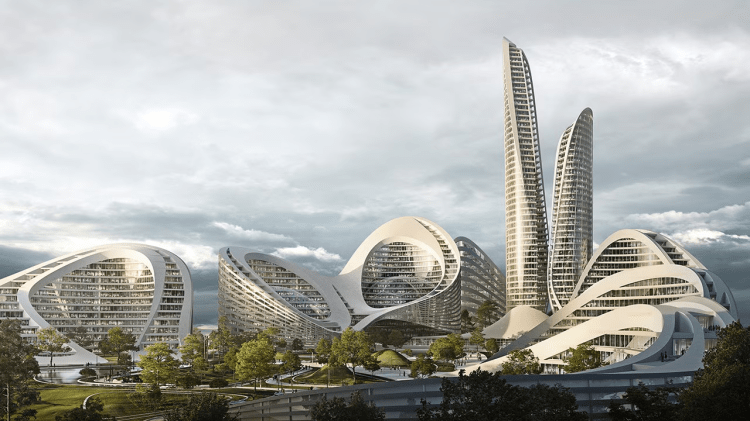
Seeing the recent disastrous effects of climate change in urban centres around the world is enough to make the call for a change in the current practices and education regarding the building environment. Regrettably, climate change is not the sole concern. This article looks at the trends that will shape architectural education over the next five years, highlighting the innovative approaches and essential skills that will define the architects of the future.

The Bartlett School of Architecture at UCL is globally acclaimed for its pioneering research, interdisciplinary methodologies, and tangible contributions to addressing critical architectural and urban challenges. Its innovative research portfolio spans diverse scales and fields, encompassing architectural design, environmental sustainability, urban planning, and advancements in technology. The school is celebrated for fostering creativity and critical thinking, bridging theory with practice to drive meaningful solutions to contemporary global issues and urban challenges.
Bartlett school of Architecture — UCL.
Examining the top architecture schools worldwide in 2024 provides insights into how architectural education is evolving to meet future industry demands. By looking at their courses, faculty skills, and innovative research, we can see important trends affecting architectural teaching and practice. This study reveals changes in focus, including sustainability, technology use, teamwork across disciplines, and a worldwide view on design education. These trends show how leading schools are adjusting to and promoting advancements in architecture to tackle future challenges.
1. Sustainability and Resilience
Sustainability will be deeply embedded in every aspect of architectural education. Net-zero energy building design will move from a specialisation to a fundamental requirement. Students will learn to integrate renewable energy systems, passive design strategies, and energy-efficient technologies as standard practice.
Climate change adaptation strategies will be a core focus, with curricula emphasising resilient design for extreme weather events and changing environmental conditions. The principles of the circular economy will be applied to architecture, teaching students to design for disassembly, material reuse, and waste reduction.
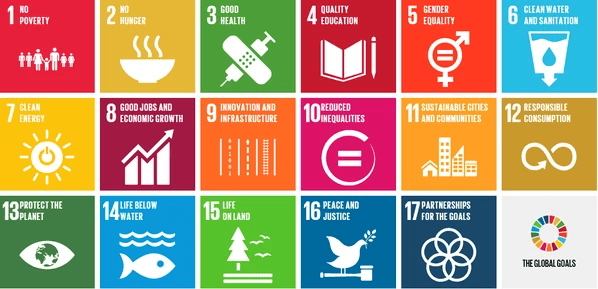
Architecture plays a vital role across diverse sectors, including health, education, clean energy, infrastructure, and the development of sustainable cities and communities.
Biophilic design and nature-based solutions will gain prominence, reflecting the growing recognition of the importance of connecting buildings with nature for human health and environmental benefits.
2. Technological Integration
The integration of cutting-edge technology into architectural curricula is no longer optional but imperative. Virtual and Augmented Reality (VR/AR) are revolutionising design visualisation and client presentations. Students will increasingly use these tools to create immersive experiences, allowing for more intuitive spatial understanding and design iteration.
Artificial Intelligence (AI) and generative design tools are set to become standard in architectural practice. Education programmes will need to incorporate these technologies, teaching students how to harness AI for design optimisation and problem-solving. Building Information Modelling (BIM) and digital twins will be central to project management education, preparing students for the data-driven future of architecture.

These are becoming more accessible and popular, revolusionasing many industries.
3D printing and advanced prototyping technologies will become more accessible, allowing for rapid physical model creation and experimentation with complex forms. This hands-on experience will be crucial in bridging the gap between digital design and physical realisation.
3. Interdisciplinary Approach
The complex challenges facing the built environment demand an interdisciplinary approach. Architectural education will increasingly collaborate with engineering and urban planning departments to provide a more holistic understanding of the built environment.
Integration of social sciences and psychology will become more prevalent, recognising the profound impact of architecture on human behaviour and well-being. Data science and analytics will be incorporated into design processes, enabling evidence-based decision-making and performance optimisation.
Cross-cultural and global perspectives will be emphasised, preparing students to work in diverse contexts and address global challenges.
4. Flexible Learning Pathways
The traditional model of architectural education is giving way to more flexible, personalised learning pathways. Competency-based assessment models will replace rigid curricula, allowing students to demonstrate skills and knowledge through various means.
Apprenticeship and work-based learning opportunities will expand, providing students with practical experience and reducing the financial burden of education. Modular and customisable curricula will enable students to tailor their education to their interests and career goals.
Lifelong learning and continuous professional development will be integrated into architectural education, recognising that learning extends beyond formal education.
5. Social Responsibility and Ethics
Architectural education will place greater emphasis on social responsibility and ethics. Designing for inclusivity and accessibility will be a core principle, ensuring that future architects create spaces that cater to diverse populations.
Community engagement and participatory design processes will be taught as essential skills, recognising the importance of stakeholder involvement in successful projects. Cultural heritage preservation will gain importance, balancing innovation with respect for historical contexts.
Ethical considerations in the built environment, including environmental impact, social equity, and human rights, will be woven throughout the curriculum.


The world’s most prestigious universities are expanding their reach by offering online courses open to professionals from various disciplines and educational levels, providing greater training opportunities, increased flexibility, and fostering a global exchange of knowledge and experiences.
6. Emerging Pedagogical Approaches
Project-based and problem-solving learning will become more prevalent, providing students with real-world challenges to tackle. Immersive and experiential education will complement traditional classroom learning, allowing students to engage with architecture in tangible ways.
Online and blended learning models will continue to evolve, offering greater flexibility and access to global expertise. Peer-to-peer learning and collaborative studios will foster teamwork and communication skills essential in professional practice.
7. Industry Alignment
Strengthened partnerships between educational institutions and architectural firms will provide students with invaluable industry exposure. Real-world projects will be integrated into coursework, allowing students to engage with actual clients and constraints.
Entrepreneurship and business skills’ development will be incorporated into curricula, preparing students for the realities of professional practice. Education programmes will also adapt to evolving professional licence requirements, ensuring graduates are well-prepared for registration.
8. Global and Cultural Competence
International exchange programmes and virtual collaborations will become more accessible, exposing students to diverse architectural perspectives. Focus on diverse architectural traditions will broaden students’ design vocabulary and cultural sensitivity.
Language and cross-cultural communication skills will be emphasised, preparing students for global practice. Understanding of global market dynamics will be crucial as architectural services become increasingly internationalised.
Conclusion
The future of architectural education faces multiple challenges in a constantly changing world. It is undeniable that the construction industry is responsible for nearly half of global greenhouse gas emissions, significantly contributing to worldwide environmental issues. In light of this reality, it is essential to reconsider various aspects of the training of new professionals in this field.
Currently, educators and institutions are working to balance traditional approaches with innovative educational proposals, aiming to prepare future architects, designers, and urban planners as leaders in sustainable development, promoting more resilient and human-centred environments.
In this context, key elements for short-term training include interdisciplinary collaboration and research-driven design, the integration of emerging technologies, the conservation of historical heritage, the development of buildings with low or zero carbon emissions. They also include ethical professional practices committed to social responsibility. These strategies will not only train more capable professionals, but also those who are more aware of their impact on the world.
References
Top-Rated Universities for Studying Architecture in 2024, According to QS World Rankings https://www.archdaily.com/1017399/top-rated-universities-for-studying-architecture-in-2024-according-to-qs-world-rankings
Top architecture schools. (2024) https://www.topuniversities.com/university-rankings-articles/university-subject-rankings/top-architecture-schools
United Nations sustainable topics https://sdgs.un.org/topics
Cambridge Advance Online https://advanceonline.cam.ac.uk/
Architectural Trends to Look Out for in 2024. https://fabricdesignandbuild.com/journal/architectural-trends-to-look-out-for-in-2024
The Bartlett School of Architecture https://www.ucl.ac.uk/bartlett/architecture/
MIT Department of Architecture https://architecture.mit.edu/
Delf — Faculty of Architecture and the Built Environment. https://www.tudelft.nl/en/architecture-and-the-built-environment
 neurotectura.com