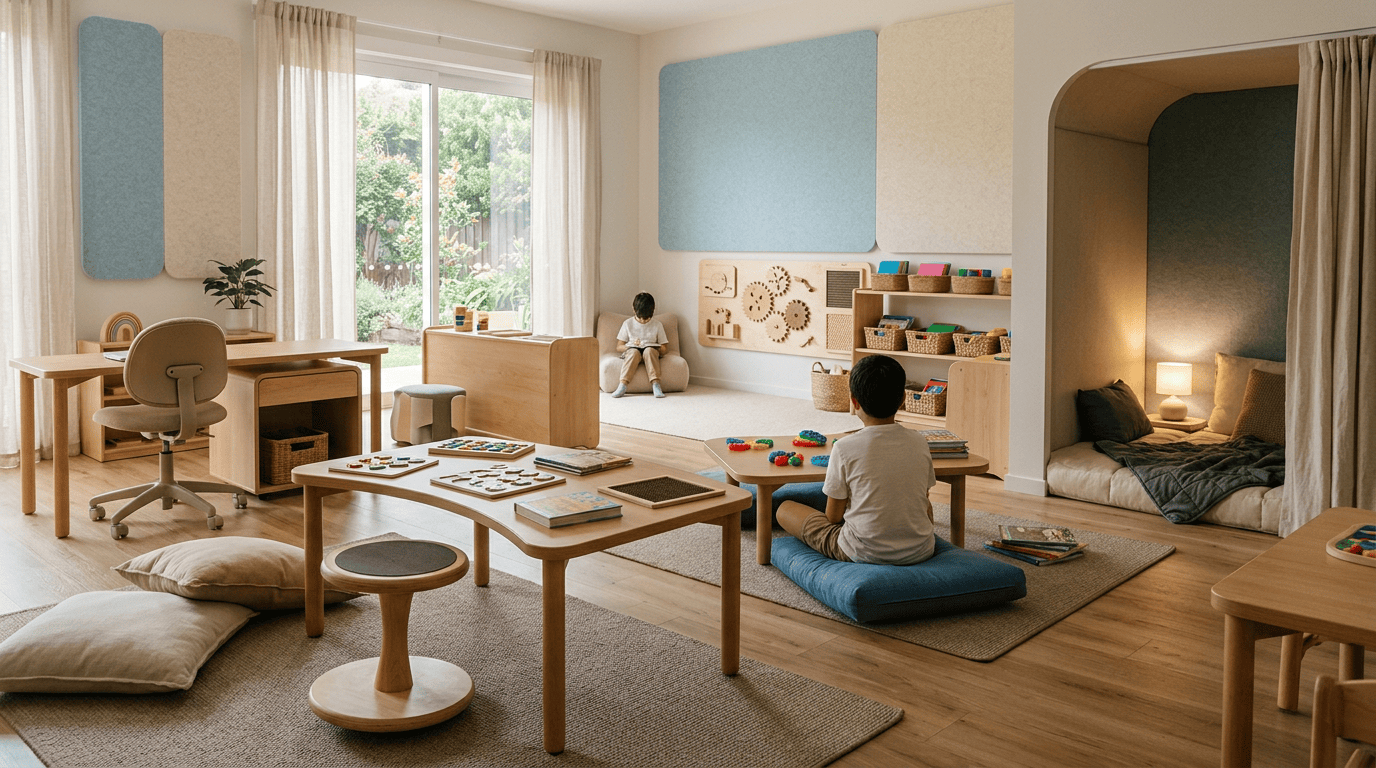
A conversation with Colombian psychologist and neuropsychologist María del Pilar Pinzón Rueda As architects and designers, we tend to approach a project through function, aesthetics, cost and building regulations. But there’s a question we rarely ask in enough depth: how does the person inhabiting this space actually experience it? The brain is not a passiveContinueContinue reading “Designing for Diversity: Why Inclusion Should Be Every Architect’s Job”
Category Archives: Neuroarchitecture
How Perception Shapes the True Measure of Design
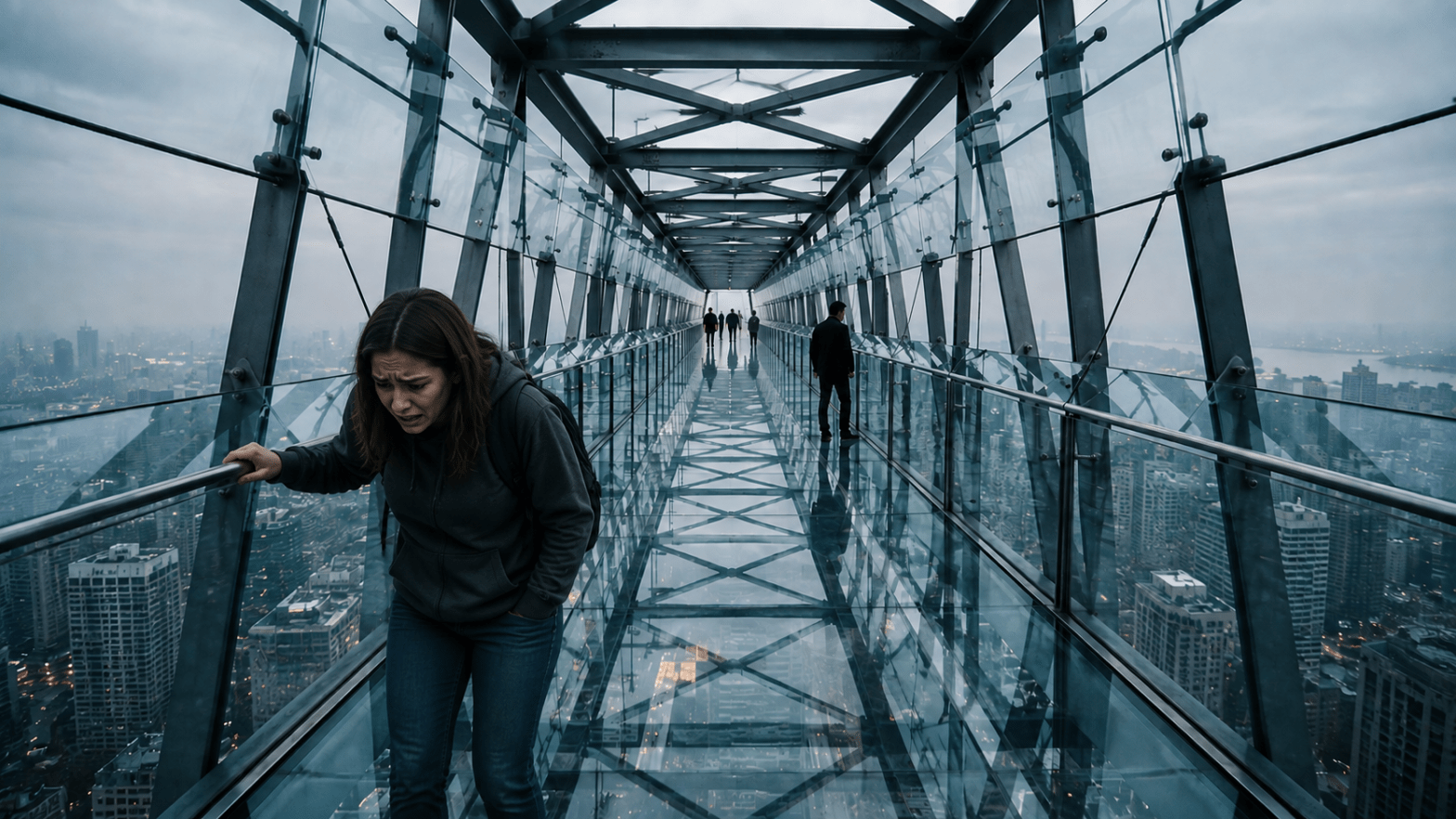
A glass bridge can be perfectly safe and still be difficult to cross. The structure may have been engineered to withstand enormous loads, and the glass may have been carefully tested and securely supported. From an engineering perspective, there may be no reason to fear it. Yet for many people, standing on a transparent floorContinueContinue reading “How Perception Shapes the True Measure of Design”
What Does Nature Actually Restore?

A quiet timber-lined study alcove overlooking trees, separated by an acoustic screen from a busier circulation space.
When the Classroom Competes With the Lesson

A student looks away while the teacher is speaking. Another repeatedly taps a pencil, rocks in their chair or asks to leave the room. A third completes very little work despite appearing to understand the subject. These behaviours may be interpreted as inattentiveness, lack of motivation or unwillingness to participate. Yet the difficulty may notContinueContinue reading “When the Classroom Competes With the Lesson”
Why We Love High Ceilings: What a 1978 Study Still Tells Us
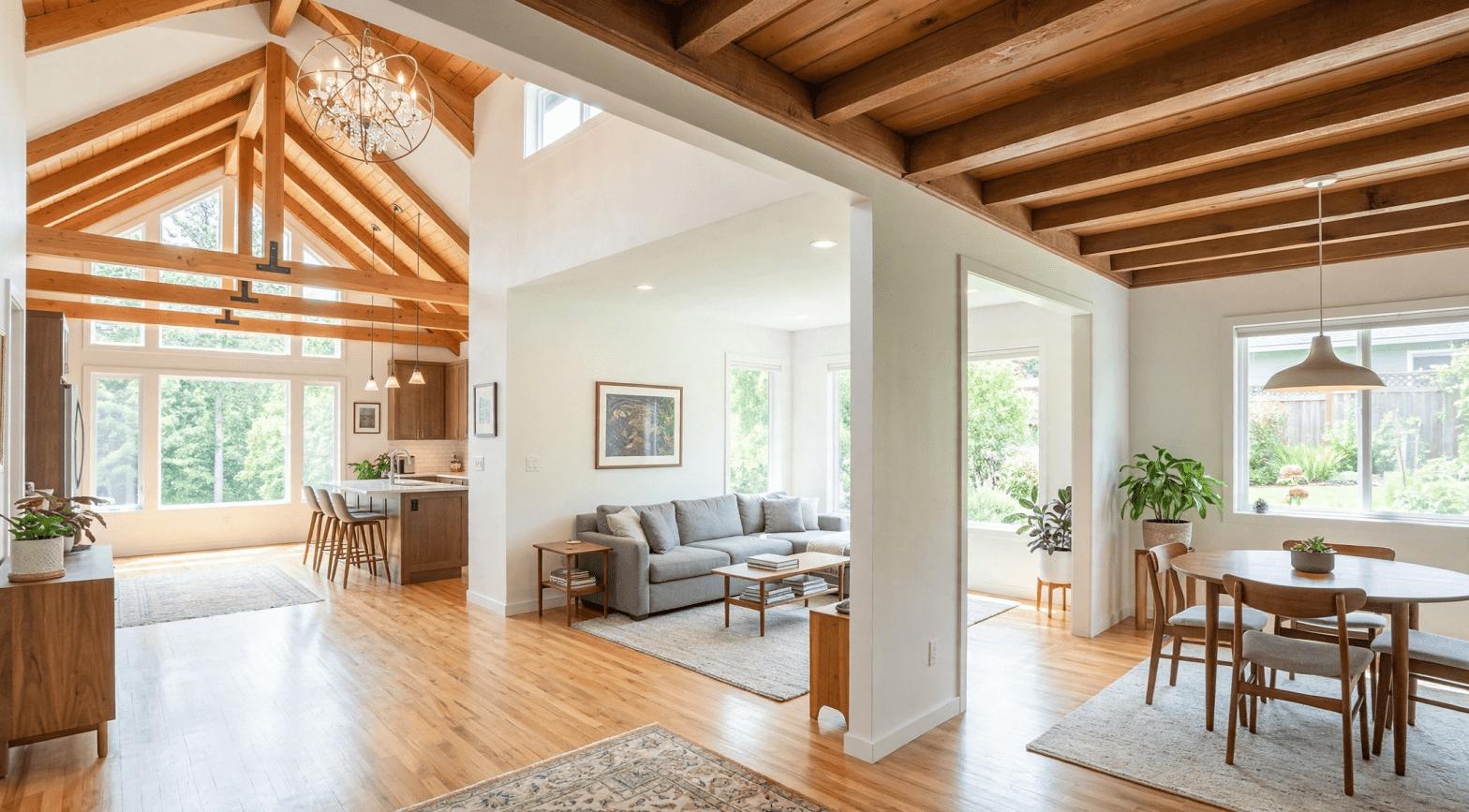
If you were buying a house, would you prefer high or low ceilings? A flat ceiling or a sloping one? Walk into a room with a low ceiling and you instantly feel a little more contained. Walk into one with a high ceiling and you breathe differently. We all know this intuitively. This double-height livingContinueContinue reading “Why We Love High Ceilings: What a 1978 Study Still Tells Us”
The Cathedral Effect: How Ceiling Height Shapes Spatial Cognition
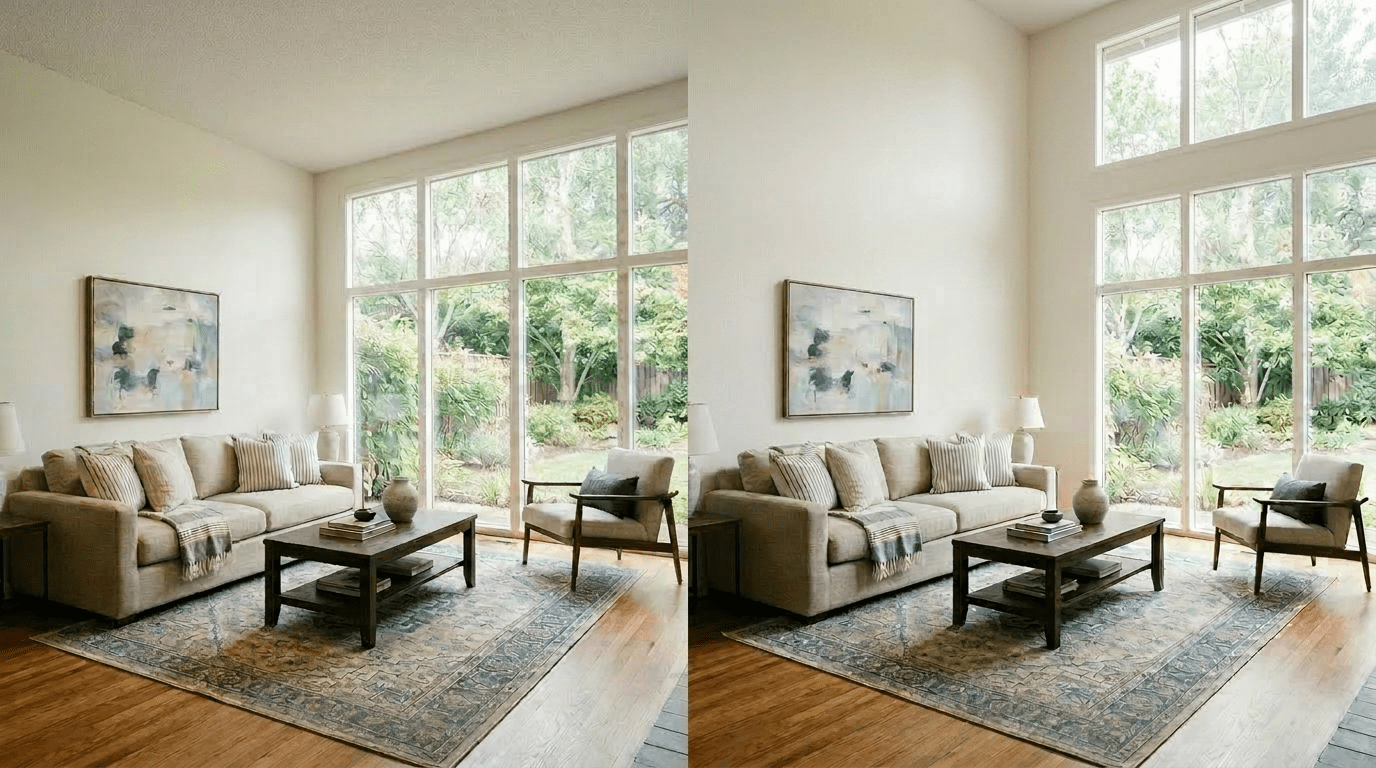
Imagine walking into two rooms of identical footprints. The first has a low ceiling that draws your focus downward, pinning your attention to the task immediately in front of you. The second soars overhead, pulling your gaze up and out. Nothing else changes, yet your brain shifts gears — altering your perception, attention, and approachContinueContinue reading “The Cathedral Effect: How Ceiling Height Shapes Spatial Cognition”
Orden, estilo y supervivencia humana
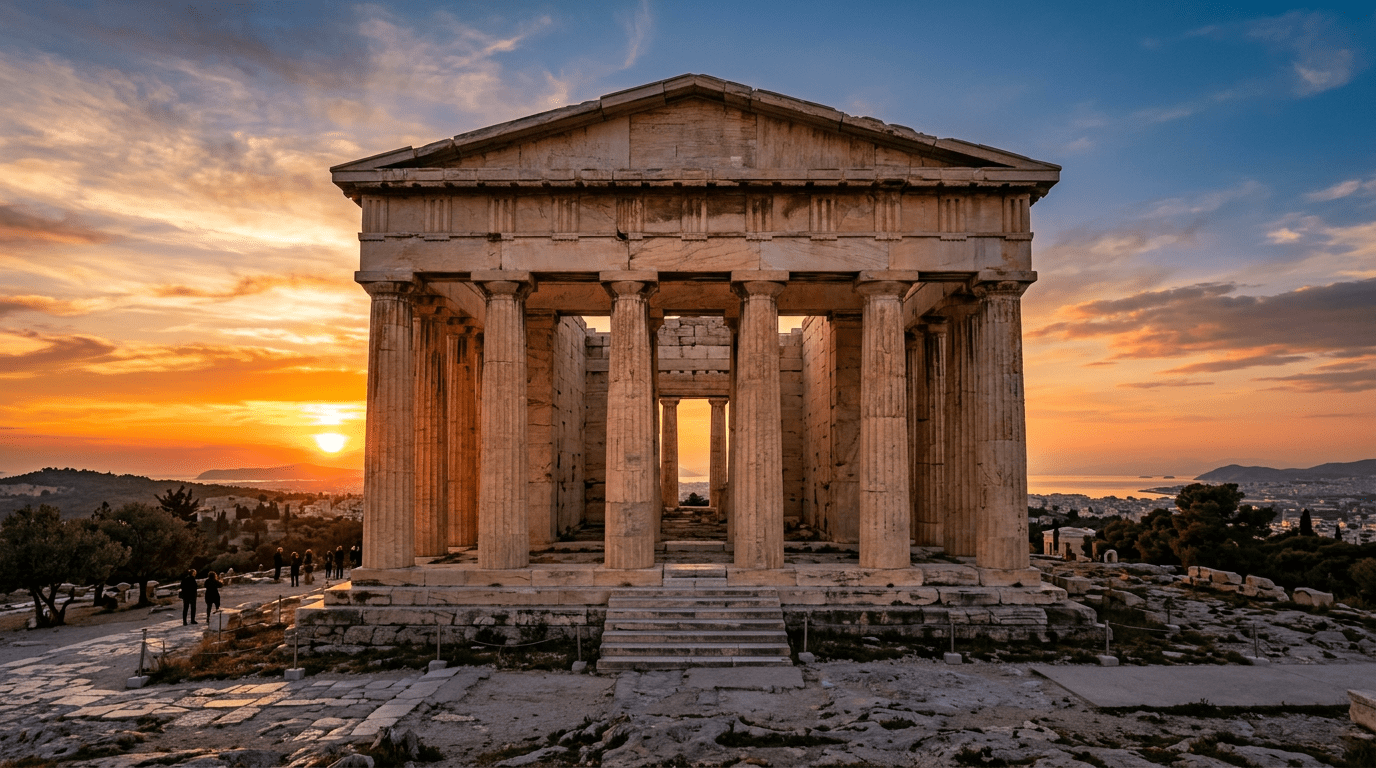
El estilo arquitectónico y el orden suelen considerarse sinónimos, especialmente al hablar de la arquitectura grecorromana. Sin embargo, detrás de la piedra, la geometría y la armonía visual existe algo mucho más antiguo: el cerebro humano, un órgano que busca patrones para transformar la incertidumbre en comprensión. Con frecuencia contamos la historia de la arquitecturaContinueContinue reading “Orden, estilo y supervivencia humana”
Order, Style and the Human Survival
Architectural style and order are often used interchangeably, defining the visual identity of the ancient Greco-Roman style. Yet beneath the stone, geometry, and visual harmony lies something far older than any architectural tradition: the human brain, seeking patterns that transform uncertainty into understanding. We often tell architectural history as a parade of styles. Egypt wasContinueContinue reading “Order, Style and the Human Survival”
Neuroarchitecture: How Walkable Cities Fight Cognitive Decline

Population ageing is one of the most profound demographic transformations of the 21st century. According to World Health Organization (WHO) data, the proportion of the world’s population over 60 will double between 2020 and 2050, rising from 12% to 22%. This phenomenon is particularly critical in industrialised nations: in Europe, 25% of the population isContinueContinue reading “Neuroarchitecture: How Walkable Cities Fight Cognitive Decline”
Can Architecture Foster Creativity?

By looking past the myth of the “creative space”, a major 2025 review reveals how indoor environments selectively shape different modes of human thought. Walk into the headquarters of a technology company, a design school, or a modern co-working hub, and you are likely to encounter many of the same design features: open layouts, colourfulContinueContinue reading “Can Architecture Foster Creativity?”

