The United States experienced a series of devastating natural disasters in 2024, including catastrophic hurricanes on the Gulf Coast, record-breaking tornado outbreaks in the Midwest, and relentless flooding across the Northeast. These events culminated in the recent wildfires in California, which scorched vast areas at an alarming pace. Climate change’s role in amplifying these disasters highlights the urgent need for global cooperation and proactive measures to mitigate its effects.
California’s wildfires, intensified by rising temperatures and prolonged droughts, serve as a stark reminder of the stakes. The United States’ withdrawal from the Paris Agreement signals a retreat from international climate commitments, potentially worsening extreme weather events. This decision jeopardises not only global progress, but also the nation’s ability to adapt and respond to an increasingly volatile climate.
Understanding the Scope of the Wildfires
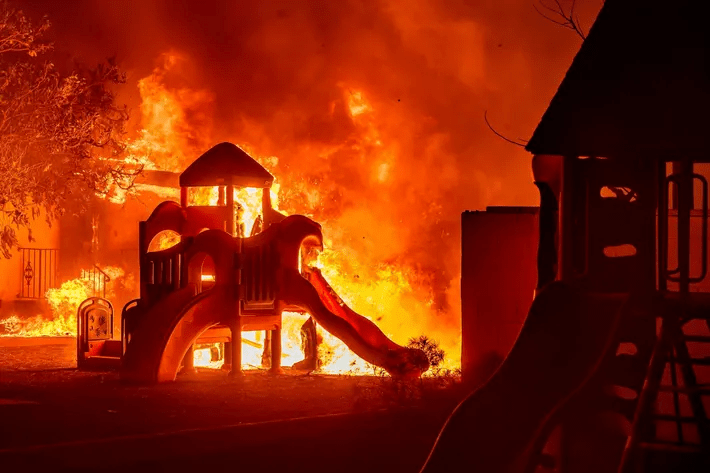
The recent wildfire season in California was one of the worst ever. These fires burned over 500,000 acres, destroyed many buildings, and caused several deaths. Whole communities were evacuated, and residents faced uncertainty and loss. This season was marked by the quick spread of flames, driven by severe weather and dry plants. The fires moved fast, leaving firefighters overwhelmed and residents with little time to escape.
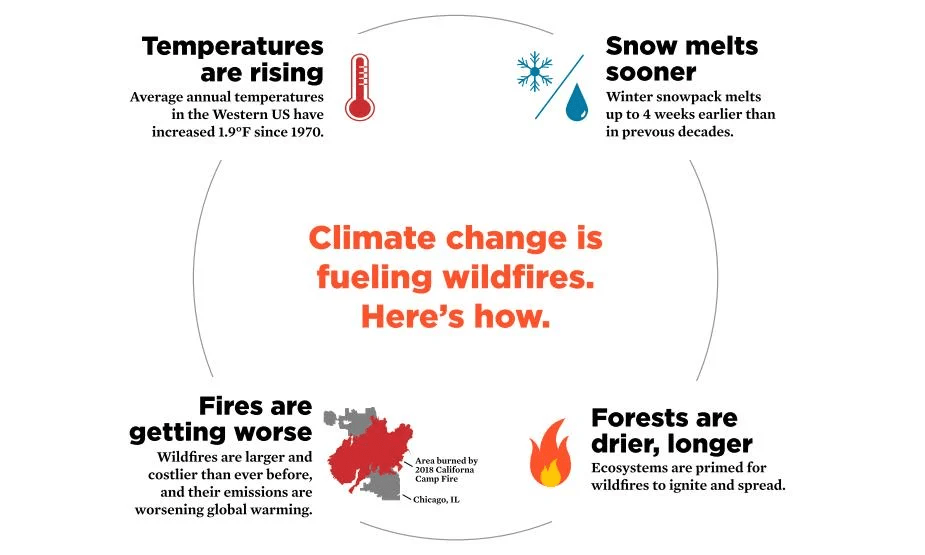
Climate change affects wildfires by exacerbating the hot, dry conditions that help these fires catch and spread.
Environmental Defense Fund
Causes and Contributing Factors
- Role of Climate Change
Rising global temperatures have amplified the frequency and severity of wildfires. Extended droughts, a hallmark of climate change, have left vegetation dry and highly flammable. Heatwaves, another consequence of warming, have created conditions ripe for ignition and rapid fire spread.
- Human Activities
Power line failures, often caused by ageing infrastructure, have been a significant ignition source. Urban sprawl into fire-prone areas has also increased the risk, placing more people and properties in harm’s way.
- Natural Factors
Strong seasonal winds, such as the Santa Ana and Diablo winds, exacerbated the fires by spreading flames across vast distances. Additionally, decades of fire suppression policies have led to an accumulation of dry vegetation, serving as fuel for wildfires.
Immediate and Long-Term Impacts
- Environmental Consequences
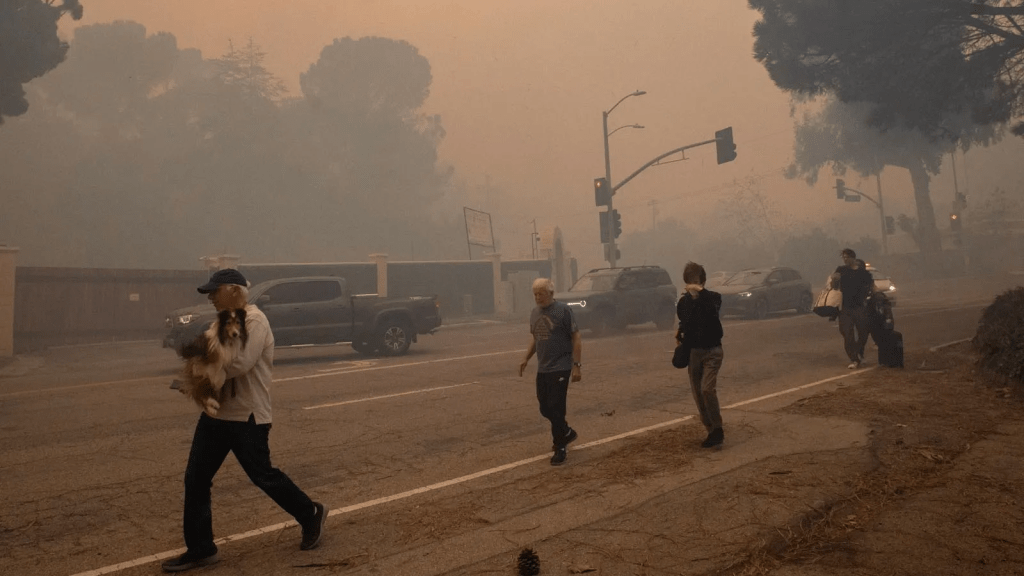
The environmental toll is immense. Wildlife habitats have been decimated, with many species facing displacement or death. Smoke from the fire has significantly reduced air quality, affecting millions of residents across the state. Post-fire soil erosion further threatens water quality in affected regions.
- Economic Toll
The financial burden is staggering. Insurance claims from property damage are expected to exceed $10 billion. Firefighting efforts have drained state resources, and rebuilding costs will weigh heavily on affected communities for years to come.
- Human Toll
Thousands of residents have been displaced, many losing their homes and livelihoods. The health impacts, ranging from smoke inhalation to mental health challenges, are profound and long-lasting. Vulnerable populations, including Indigenous communities, have borne the brunt of these disasters.
From Ashes to Resilience: The inspiring story of Paradise, California, rebuilding after the devastating 2018 Camp Fire. #RebuildingParadise.
The Role of Urban Planning and Architecture
As wildfires become more frequent, fire-resilient urban planning is essential. Designing homes with fire-resistant materials and creating defensible spaces around properties can mitigate damage. Sustainable development, avoiding construction in high-risk areas, is another crucial step. Communities that have implemented these measures, such as Paradise—rebuilt after the devastating 2018 Camp Fire—offer valuable lessons.
Response and Recovery
Firefighting efforts have faced unprecedented challenges due to the scale of these fires. Despite the bravery and dedication of firefighters, resource limitations hindered containment efforts. State and federal governments have played a critical role in disaster management, but gaps in preparedness and coordination remain evident.
Community efforts have been a silver lining, with volunteers and non-profits stepping in to provide relief and support. However, recovery will require years of investment in rebuilding infrastructure, homes, and lives.
A Call to Action
Addressing the California wildfires requires global cooperation, innovative policies, and sustainable practices to mitigate the risks of climate change and safeguard communities and ecosystems.
Policy and Climate Action
Recent state legislation has sought to address wildfire prevention, focusing on improving grid infrastructure and forest management. Investments in renewable energy and sustainable forestry practices are crucial to mitigating future risks. However, combating wildfires also requires global cooperation to address the root cause: climate change.
Individuals can play a vital role in wildfire prevention by being vigilant and prepared. Simple actions like clearing flammable debris around homes and advocating for sustainable policies can make a difference. Communities must prioritize resilience, learning from past fires to better prepare for future ones.
Conclusion
The United States’ withdrawal from the Paris Agreement may increase the frequency and severity of natural disasters like wildfires, tornadoes, and hurricanes due to unmitigated greenhouse gas emissions, leading to rising global temperatures and drastic weather changes.
The California wildfires highlight the critical need for robust climate action to safeguard communities and ecosystems. As the state rebuilds, it must address the underlying factors driving these disasters, from climate change to inadequate infrastructure.
To prevent future catastrophes, collaboration between governments, scientists, and communities is essential. Innovative policies, sustainable practices, and resilient planning can mitigate risks and ensure a safer, more sustainable future for all.
References
LA fires live updates: Firefighters gain upper hand, as dangerous winds return. https://abcnews.go.com/US/live-updates/california-wildfires-los-angeles-weather/?id=117613594
California wildfires: What we know about the L.A.-area fires, what caused them, who is affected and more. https://www.nbcnews.com/news/us-news/california-wildfires-what-we-know-palisades-eaton-los-angeles-rcna188239
What does a hotter planet mean for wildfires? https://www.edf.org/climate/heres-how-climate-change-affects wildfires#:~:text=Climate%20change%20affects%20wildfires%20by,these%20fires%20catch%20and%20spread.
Infographic: Wildfires and Climate Change. https://www.ucsusa.org/resources/infographic-wildfires-and-climate-change
Impact of anthropogenic climate change on wildfire across western US forests. https://www.pnas.org/doi/full/10.1073/pnas.1607171113
Indirect death toll from the L.A. fires may end up in the thousands. https://yaleclimateconnections.org/2025/01/indirect-death-toll-from-the-l-a-fires-may-end-up-in-thethousands/#:~:text=The%20death%20toll%20from%20Los,the%20state’s%2014th%2Ddeadliest%20fire.
What is the Paris climate agreement and why has Trump withdrawn? https://www.bbc.co.uk/news/science-environment-35073297
 neurotectura.com