
On March 4th, Liu Jiakun was named the 2025 Pritzker Architecture Prize Laureate, architecture’s most prestigious international honour. The 54th recipient, founded Jiakun Architecture in 1999 in his native Sichuan, where his innovative designs and commitment to sustainable urban planning have left an indelible mark.
“In a global context where architecture is struggling to find adequate responses to fast evolving social and environmental challenges, Liu Jiakun has provided convincing answers that also celebrate the everyday lives of people as well as their communal and spiritual identities.”
Jury-Pritzker Prize
Beyond mere architectural ingenuity, Liu Jiakun’s work profoundly addresses the human experience, transforming structures into catalysts for community and well-being. This prompts a compelling question: does this selection signal a deliberate recognition of architecture’s profound influence on our neural pathways, marking a significant step towards the mainstreaming of neuroarchitecture?
Liu Jiakun’s Design Philosophy: A Neuroarchitectural Lens
Liu Jiakun’s architectural approach is characterized by a fluid, context-driven philosophy rooted in three core principles: fostering community and social connection, evoking emotional and sensory experiences through masterful manipulation of materials and space, and creating culturally resonant spaces by blending tradition and memory with modernity. This philosophy, akin to water adapting to its environment, eschews rigid methodologies, opting instead for a profound analysis of each project’s unique characteristics. Each of these core principles directly relates to neuroarchitectural concepts.
“Architecture should reveal something—it should abstract, distil and make visible the inherent qualities of local people. It has the power to shape human behaviour and create atmospheres, offering a sense of serenity and poetry, evoking compassion and mercy, and cultivating a sense of shared community.”
Liu Jiakun
Jiakun’s Neuroarchitecture: Three Case Studies
Liu Jiakun’s work transcends mere functionality, becoming a vehicle for cultural expression and social connection. He believes in the power of architecture to shape human experience, and he strives to create spaces that are not only aesthetically pleasing but also emotionally and culturally meaningful.
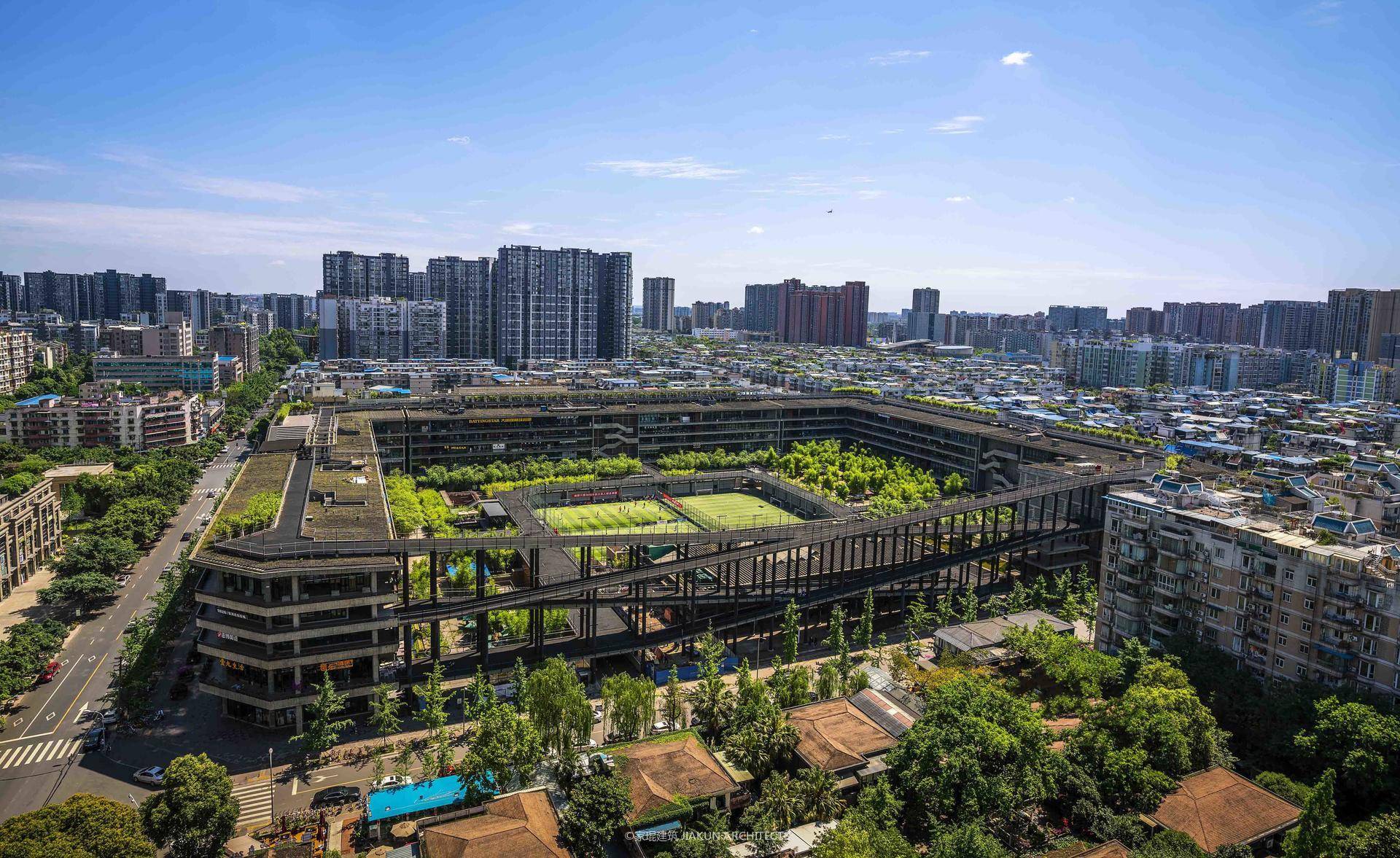
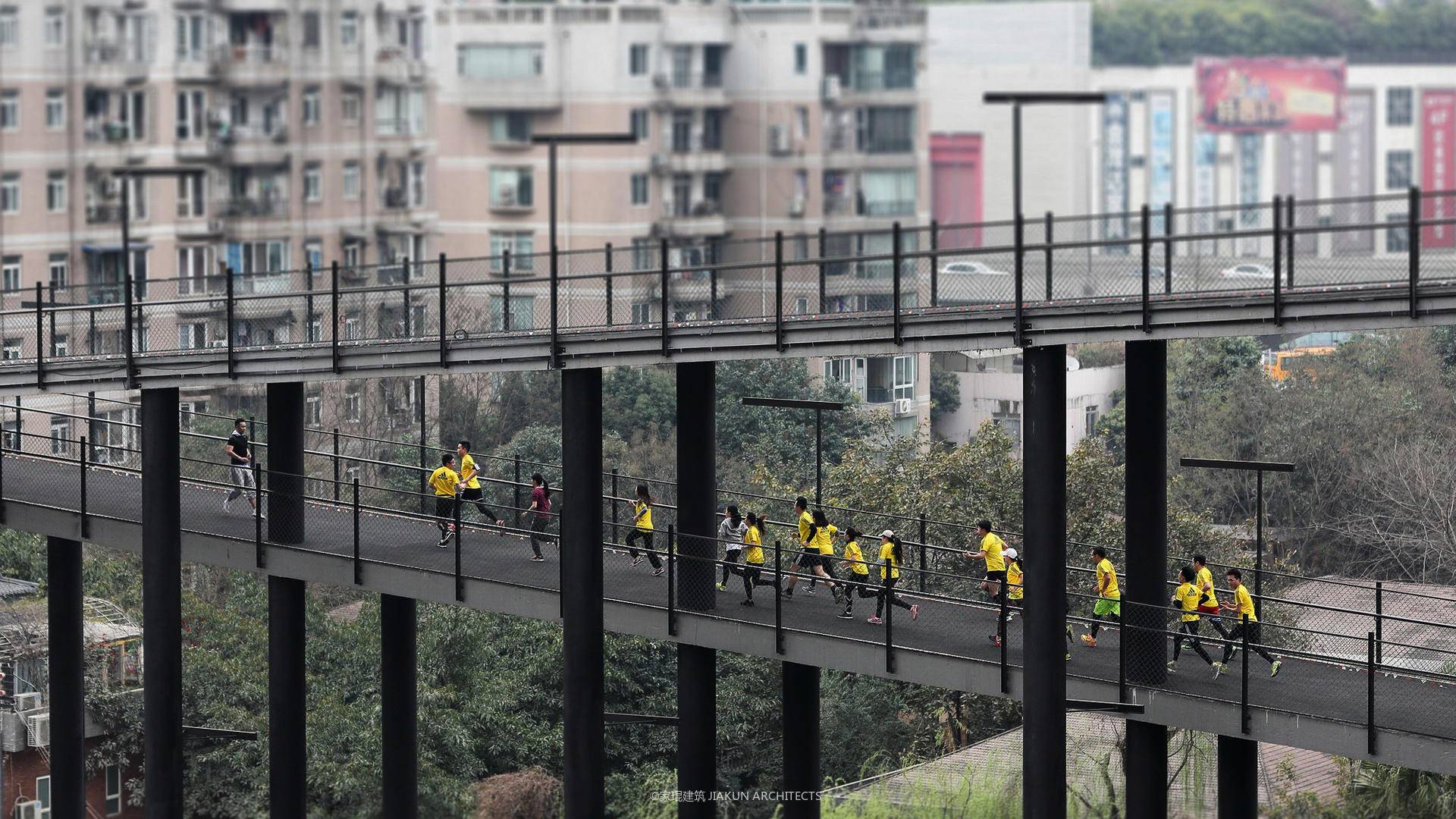
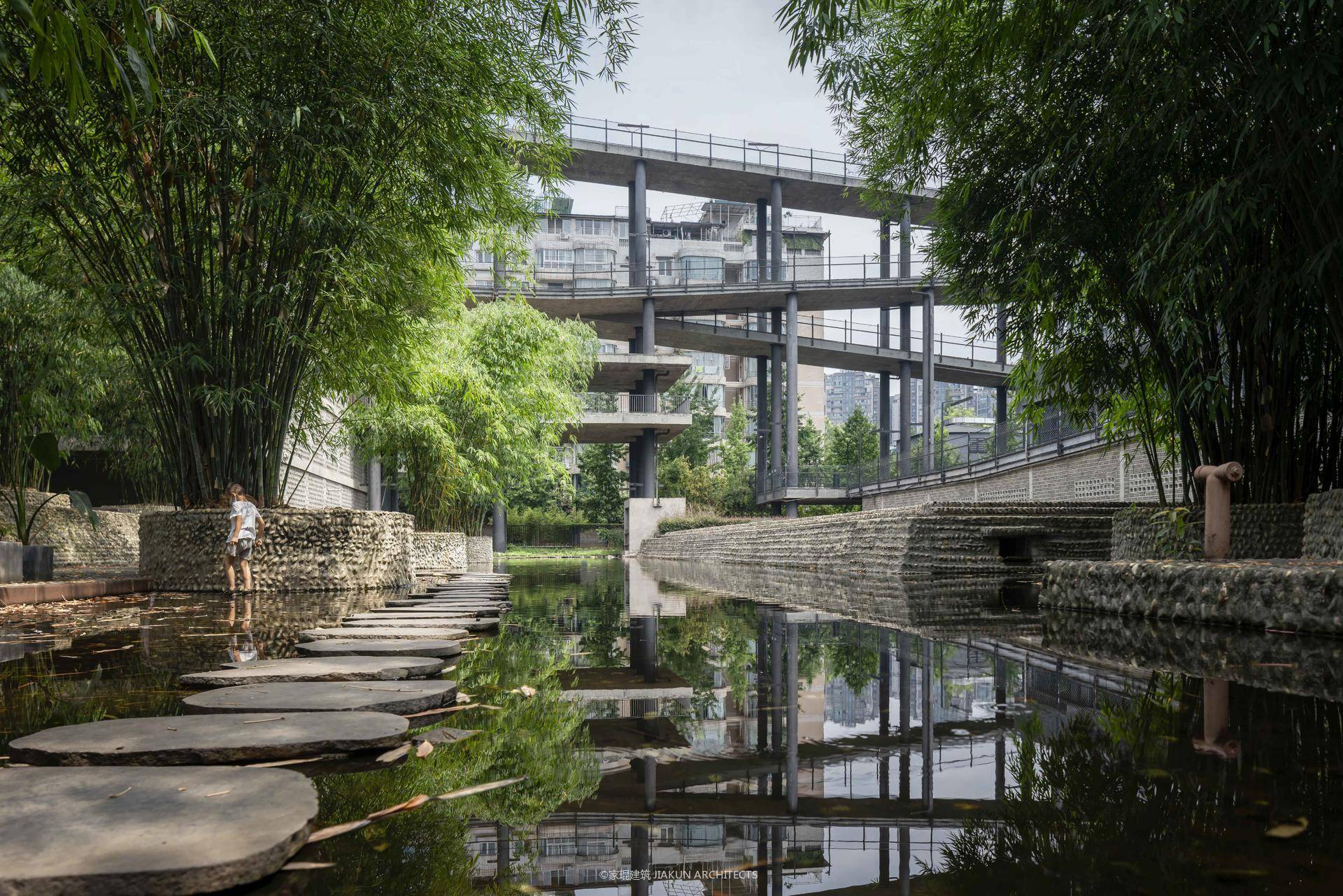
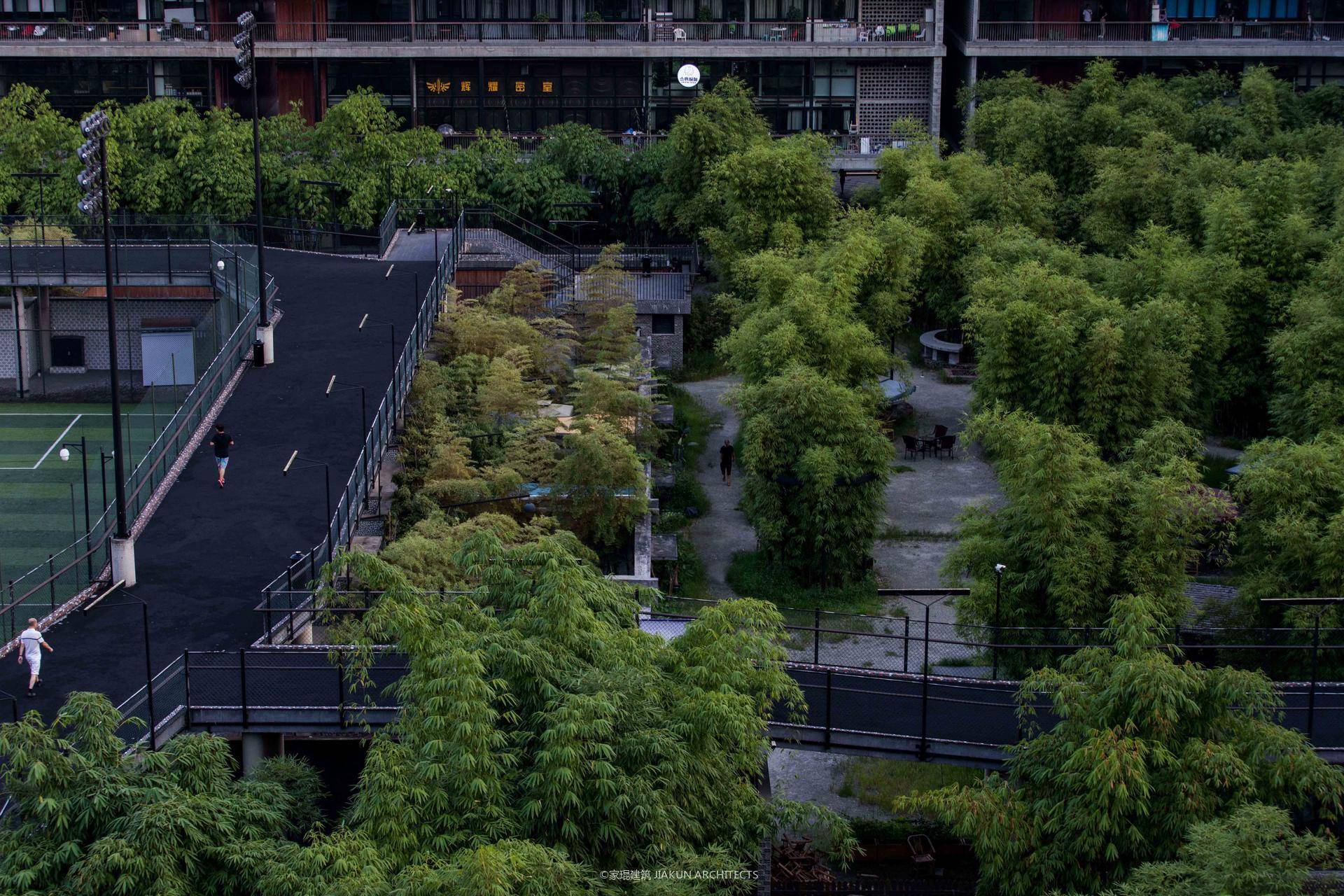

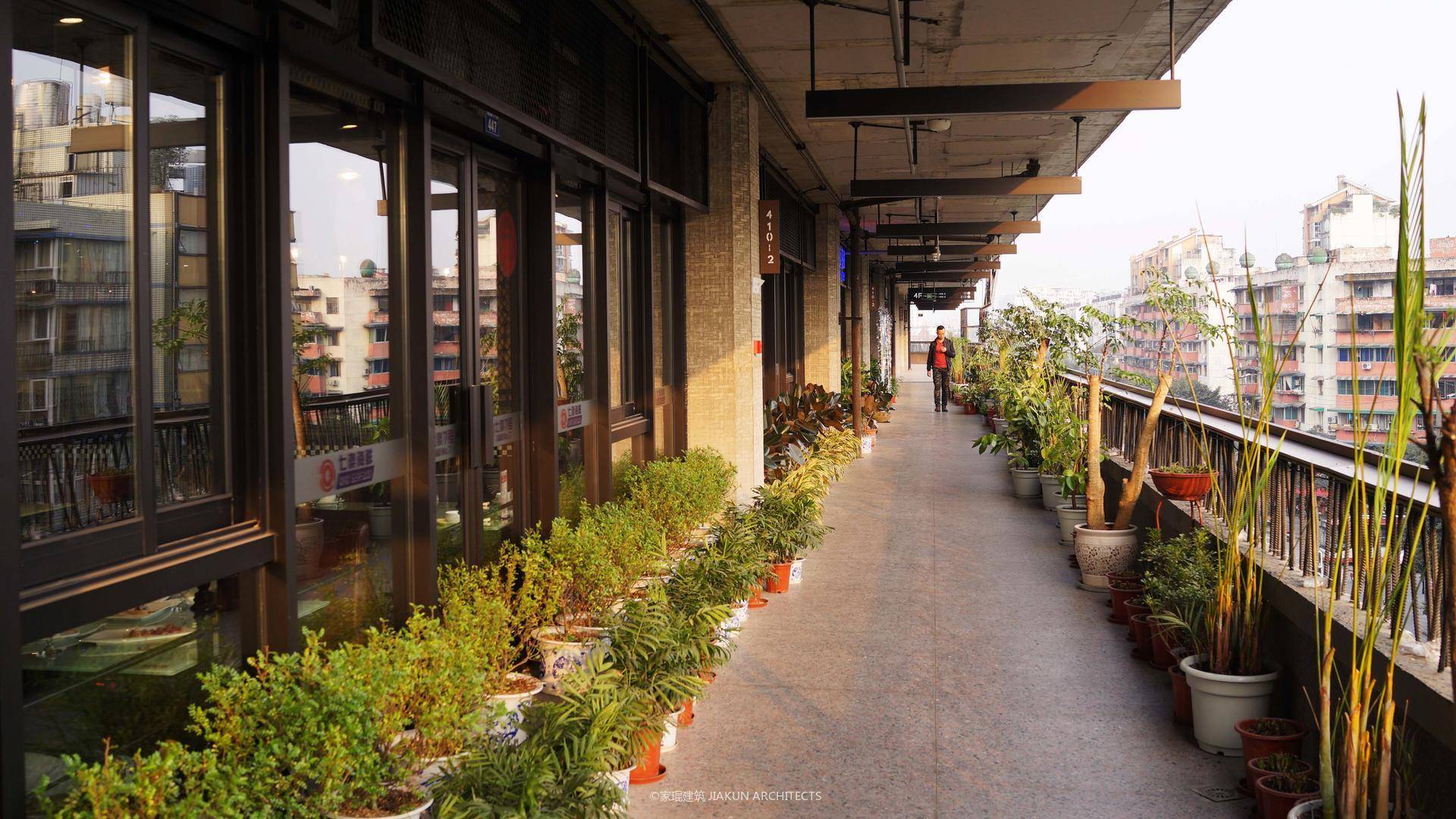
The West Village features an innovative layout with a central courtyard and bamboo groves that create communal spaces reminiscent of traditional living. Its design incorporates a functional framework, a market facade for community interaction, and an elevated track for leisure activities, transforming everyday engagement into a vibrant recreational hub for the community.
1. The West Village: Fostering Social Connection
Liu Jiakun’s architecture, particularly evident in projects like the West Village, directly aligns with key neuroarchitectural principles. His designs prioritize community and social connection, a crucial factor in mental well-being as highlighted by neuroscience. The deliberate layout and flow of his spaces, promoting natural encounters and shared experiences, suggest an intuitive understanding of how environmental design can stimulate neural pathways associated with social bonding and positive emotions. This focus on fostering interaction directly addresses the human need for connection, a fundamental aspect of neuroarchitectural design.
- Spatial Organisation and Social Cognition: Furthermore, the West Village’s layered courtyards and interconnected spaces exemplify how spatial organisation can influence brain activity related to social cognition. By moving away from conventional vertical expansion and introducing a network of spaces for culture, business, and leisure, Liu Jiakun creates an environment that encourages interaction and potentially triggers the release of oxytocin, a hormone linked to bonding and trust. The varied scales of spaces within the West Village also serve to stimulate different brain regions, increasing interaction.
- Neuroarchitectural Impact: In essence, Liu Jiakun’s work demonstrates an understanding that architecture is not merely about physical structures, but about creating environments that impact human neurological and emotional states. His designs, by fostering social interaction and positive emotional responses through thoughtful spatial organisation, embody the core tenets of neuroarchitecture, suggesting an implicit understanding of how design influences the human brain.
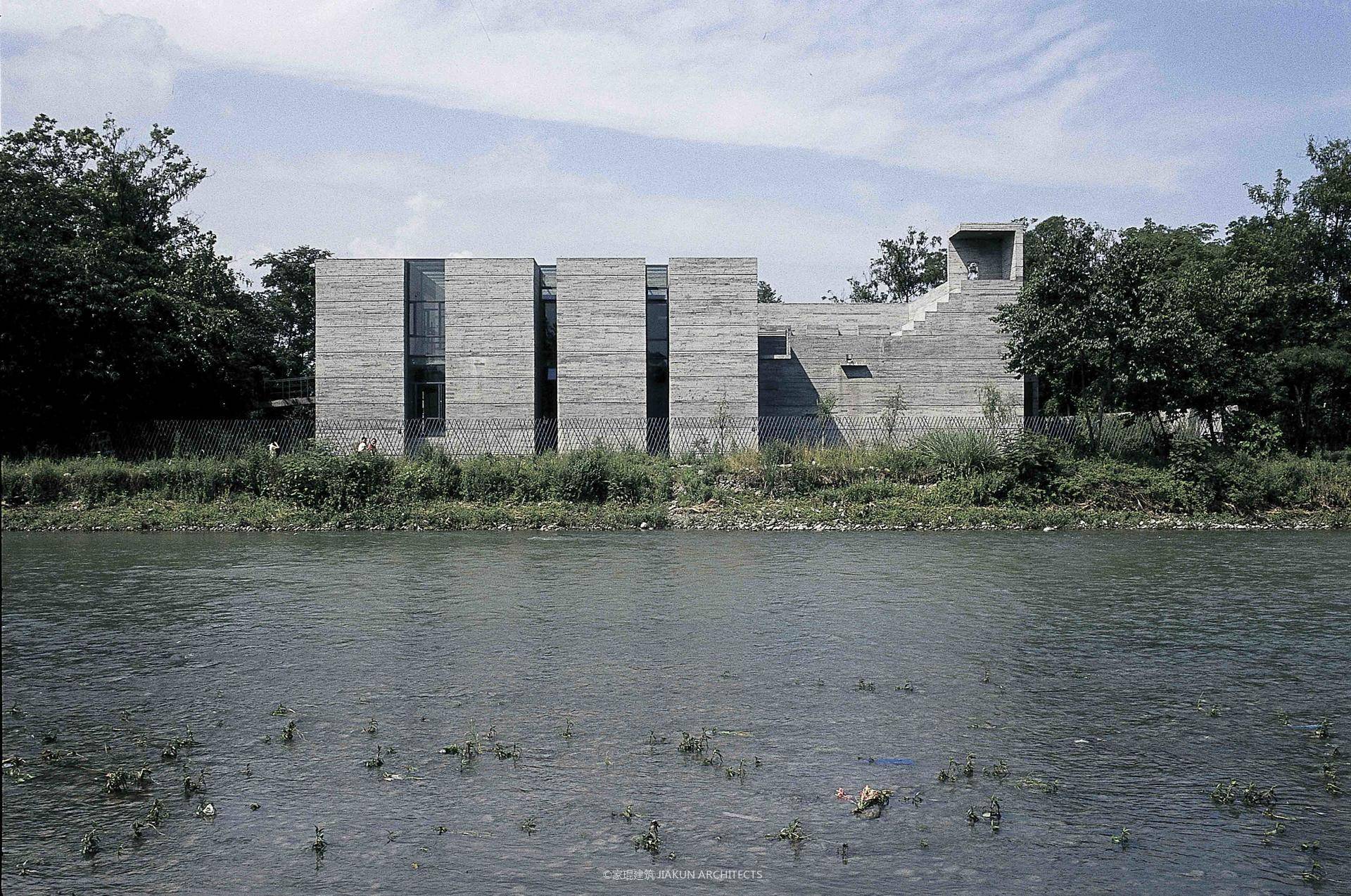
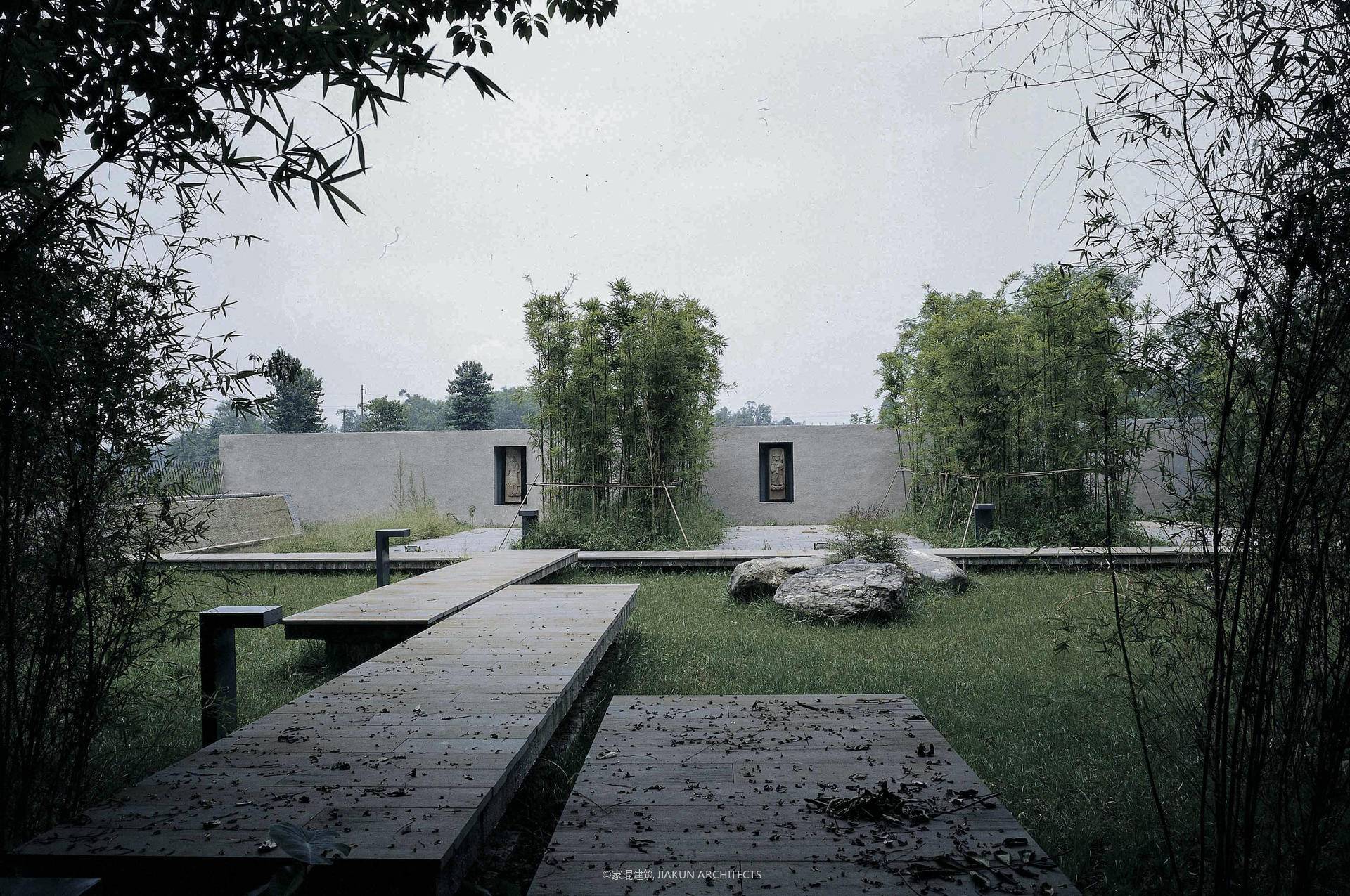
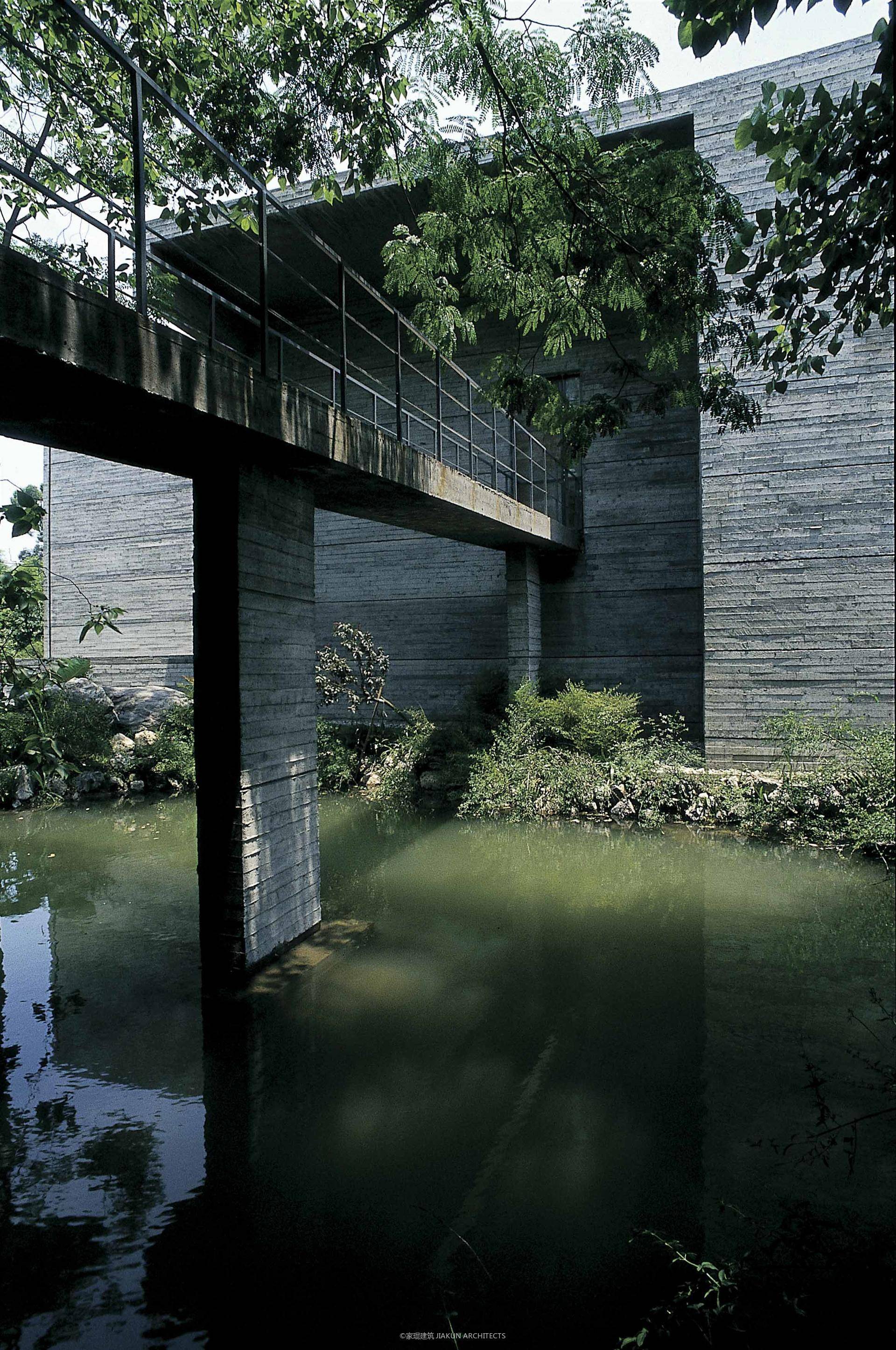
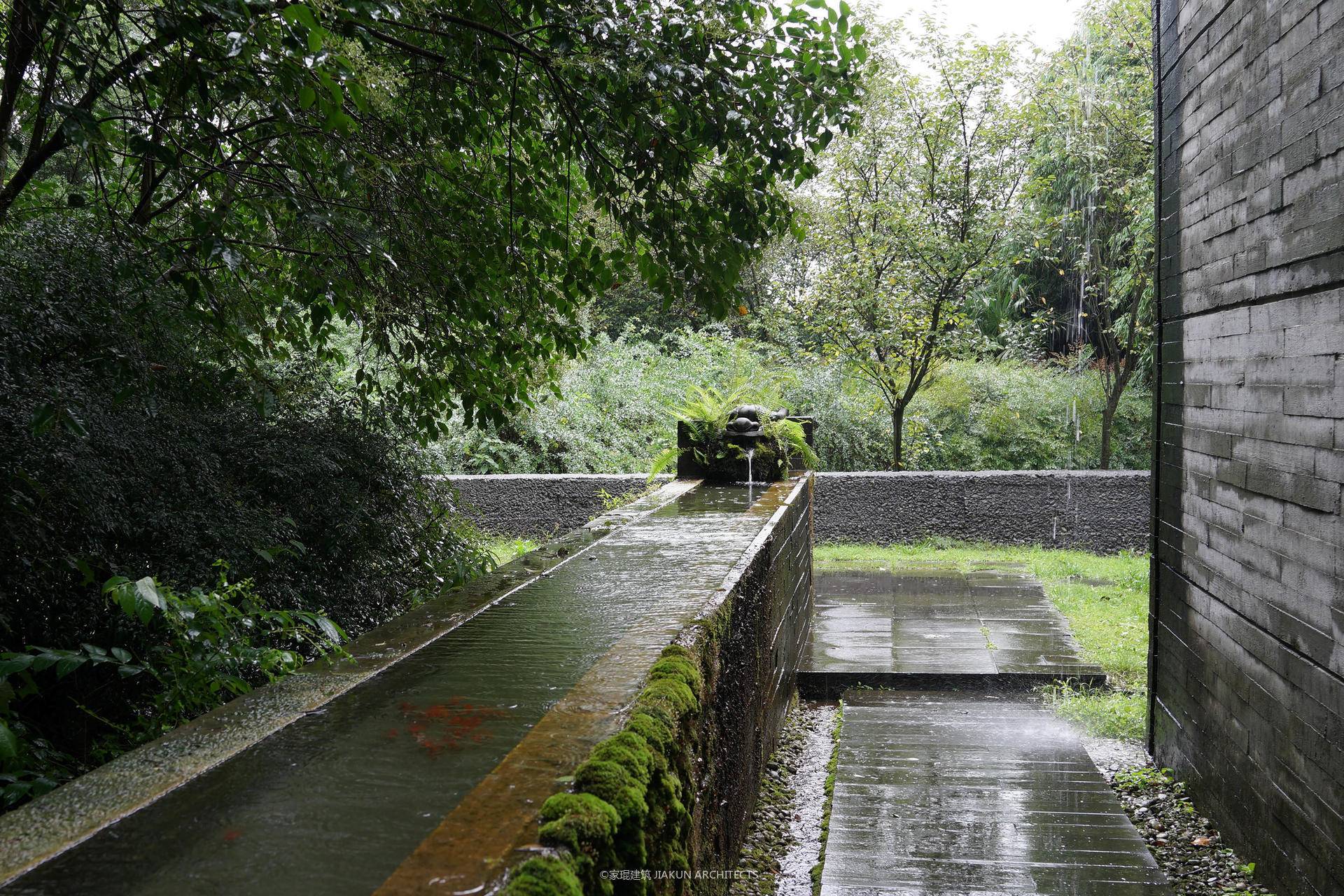
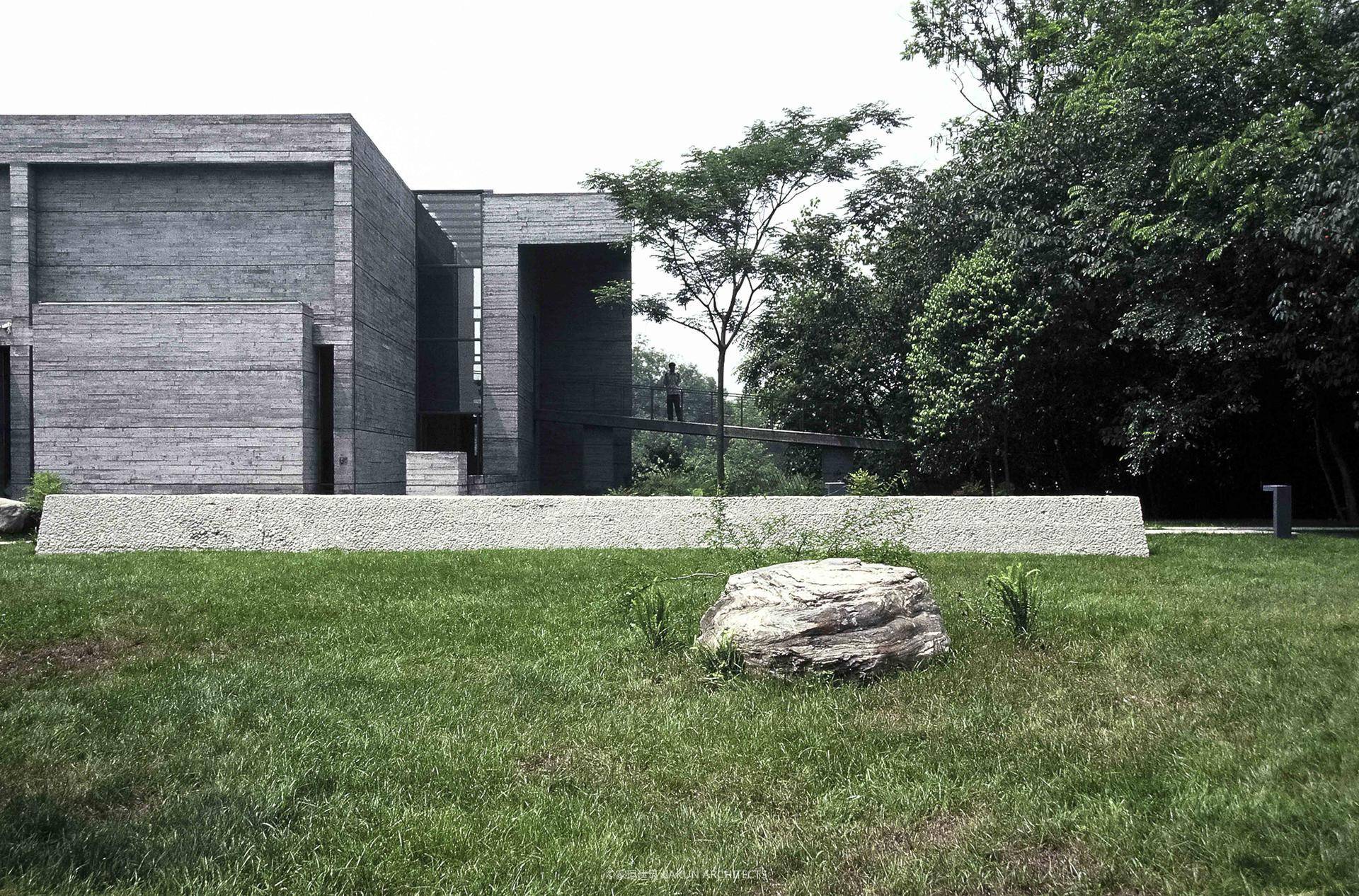
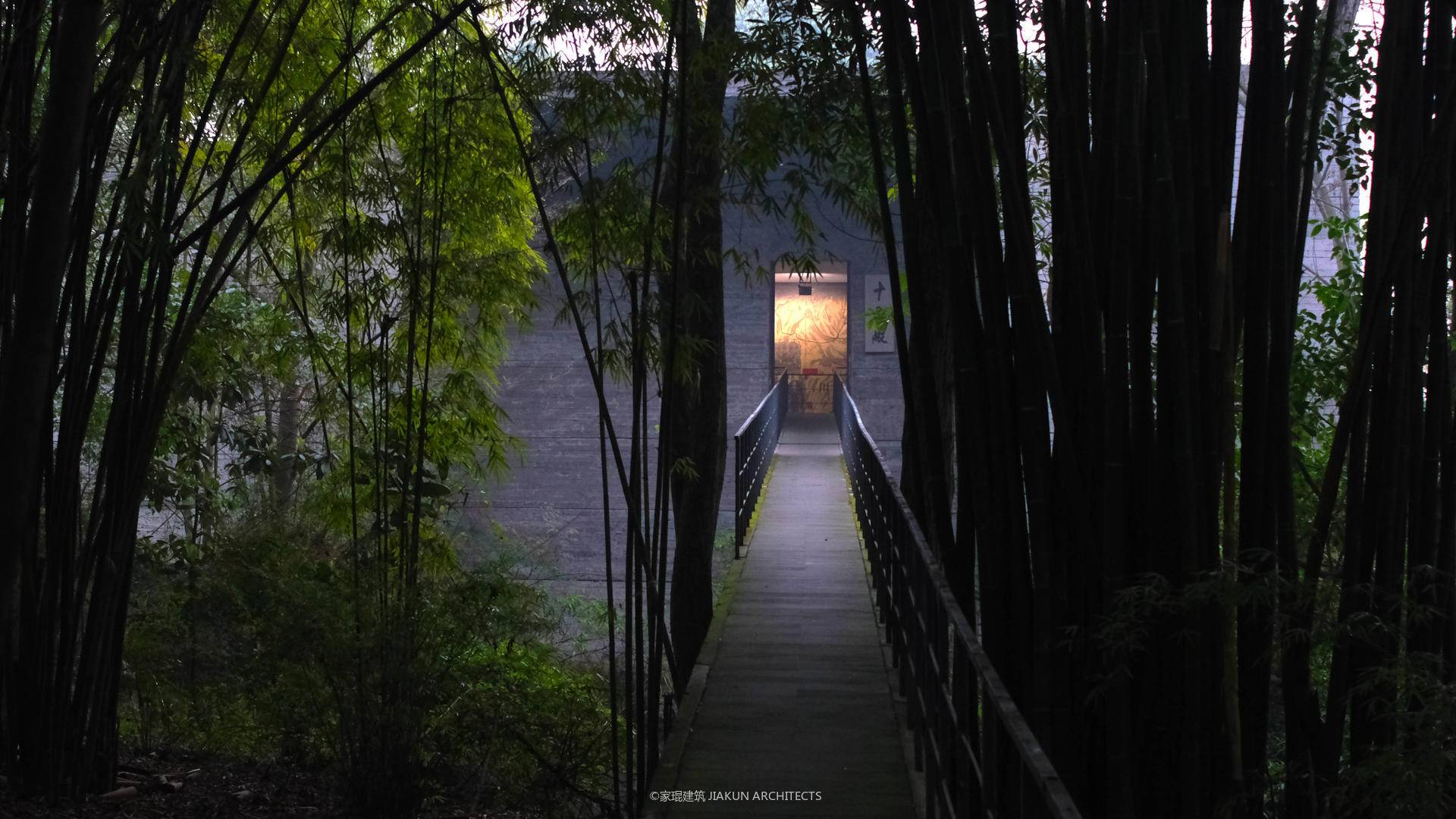


The museum, focused on Buddhist stone carvings, utilizes traditional Chinese garden design to create an engaging visitor experience with changing scenes. It harmoniously integrates architecture and nature, using local construction techniques and gaps to manage light and views, allowing the structure to blend into its environment.
2. The Luyeyuan Stone Sculpture Art Museum: Sensory Experience and Emotional Resilience
The Luyeyuan Stone Sculpture Art Museum, in its tranquil and contemplative design, provides a clear example of Liu Jiakun’s alignment with neuroarchitectural principles. His sincere use of materials, left to age naturally and carry collective memory, creates a sensory experience that directly impacts the nervous system. The blending of seemingly contradictory forces, like history and modernity, within the space, offers a complex yet harmonious environment that engages multiple cognitive processes. The museum’s design, through its natural stone, light play, and landscape integration, activates the parasympathetic nervous system, promoting relaxation and mindfulness, a direct application of neuroarchitectural understanding of sensory input and its effect on emotional states.
- Sensory Manipulation and Brain Activity: Furthermore, the calming sensory experience provided by the museum exemplifies how architecture can directly influence brain activity. By intentionally manipulating sensory elements, Liu Jiakun activates the parasympathetic nervous system, reducing stress and promoting relaxation. The use of natural light and shadow within the museum influence circadian rhythms, and the design’s focus on mindfulness also suggests a potential influence on brain activity related to focus and concentration. This deliberate approach to sensory experience and its neurological effects underscores Liu Jiakun’s intuitive grasp of neuroarchitectural concepts.
- Emotional Resilience and Material Choice: Finally, the “Rebirth Bricks,” crafted from earthquake rubble, highlight the connection between material and emotional resilience, a concept that resonates with neuroarchitectural principles. The bricks symbolize physical and emotional durability, a concept that can provide a sense of security and stability to those experiencing the space, and contribute to the sensory experience of the museum, providing a sense of grounding. This connection between material and emotional well-being reflects the neuroarchitectural understanding of how the built environment can influence psychological states, demonstrating how even the choice of building materials can contribute to a sense of comfort and resilience.
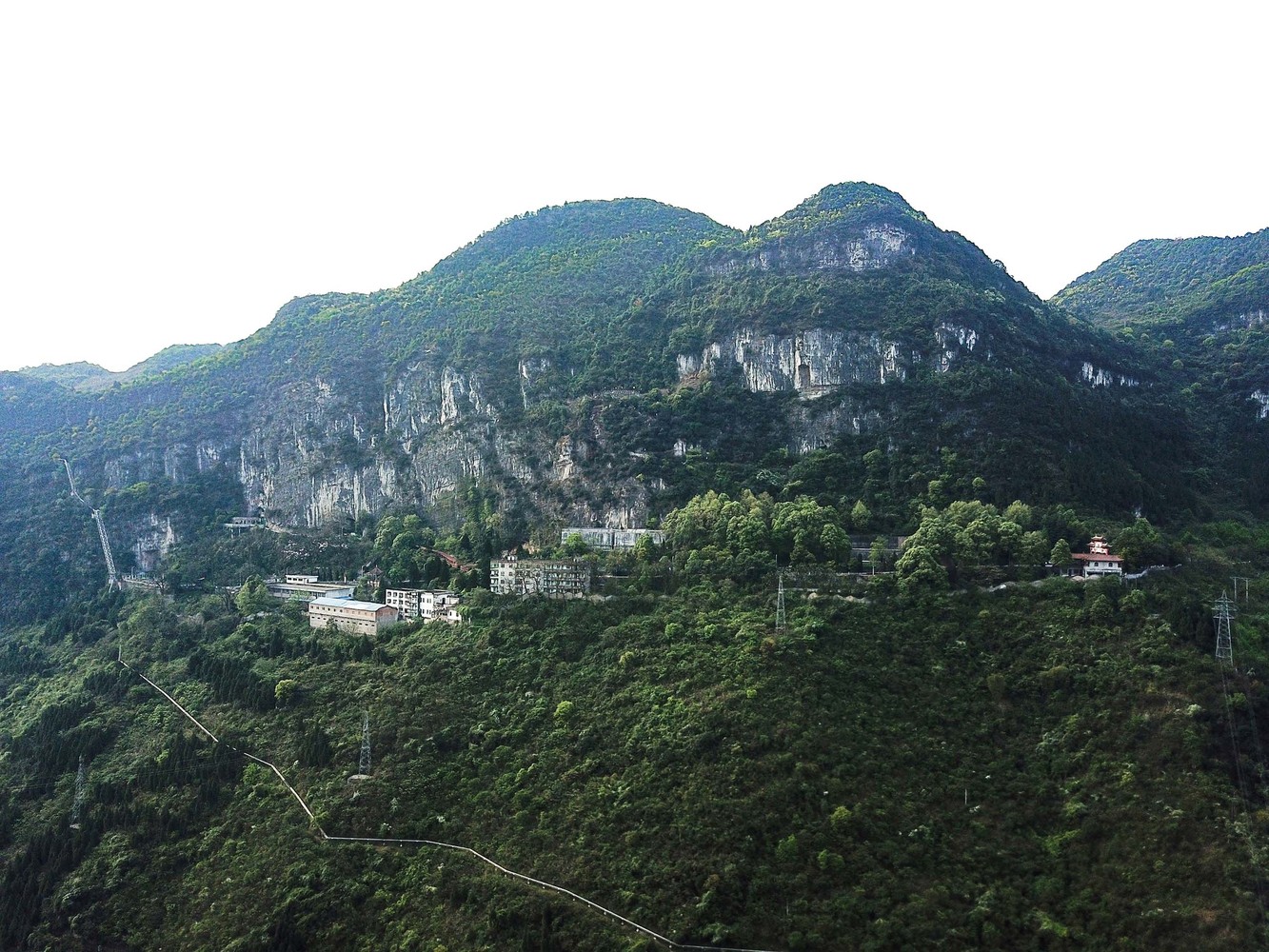
Erlang Town, Gulin County, Luzhou City—nestled beside the Chishui River basin, an ideal environment for fine liquor production. The site sits beneath Tianbao Peak, home to the world’s largest natural liquor-storage caves: Tianbao, Dibao, and Renhe. 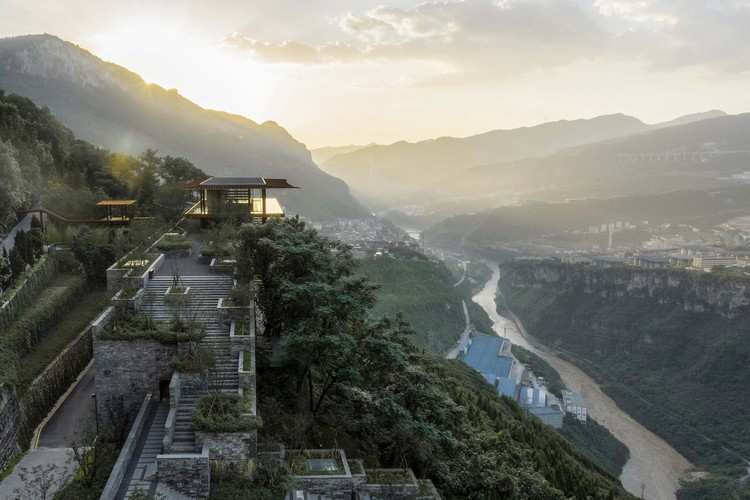
The new buildings replace the old ones with poor conditions and connect the reserved buildings scattered among the mountains in a circular loop. 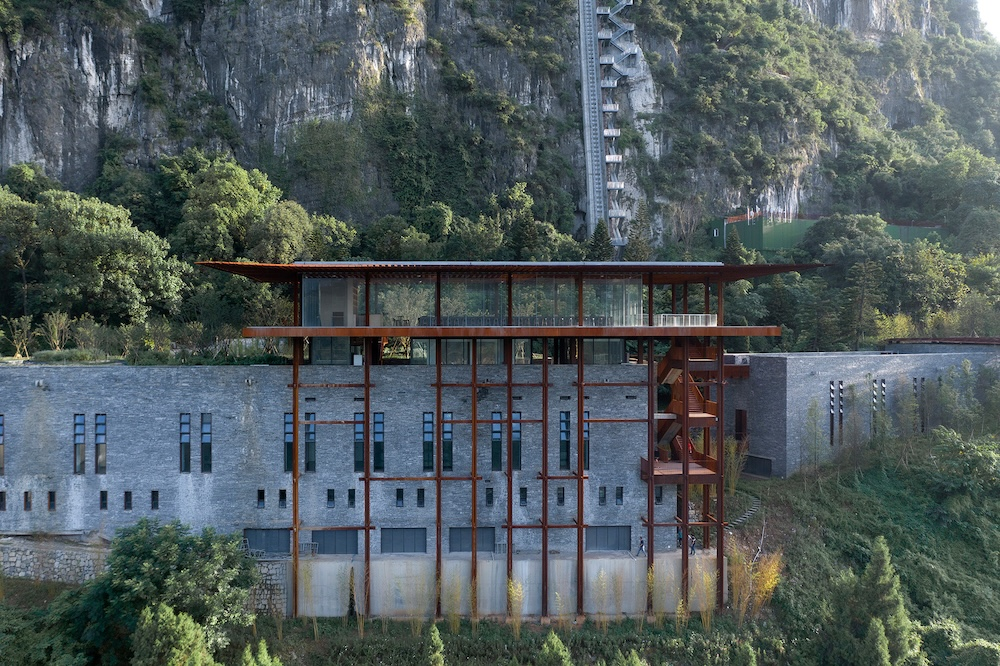
Extract the classic image of “Pavilion” from classic Chinese architecture as the prototype. Utilize the contemporary technique to express traditional connotations, echoing the brand culture of Lang. 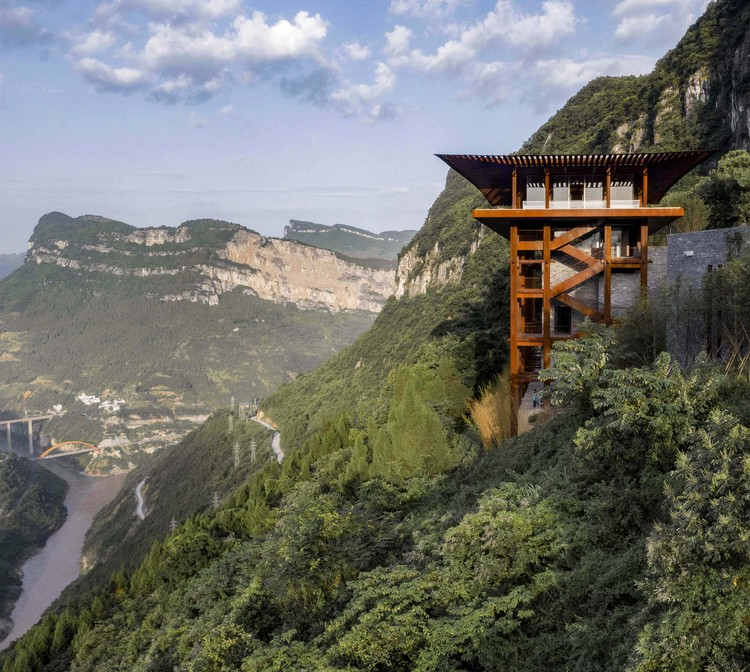
Terraced Garden. Visitors walk through the cherry blossoms along the cascade of stairs and are able to enjoy various sceneries. 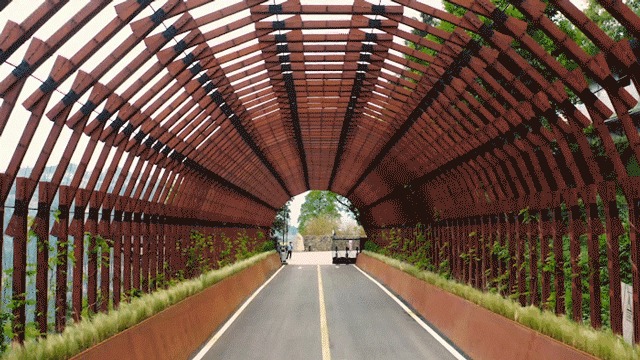
A 60-metre pergola crafted from locally sourced bamboo and steel blends tradition with modernity, creating a green tunnel where climbing plants cast ever-changing shadows. 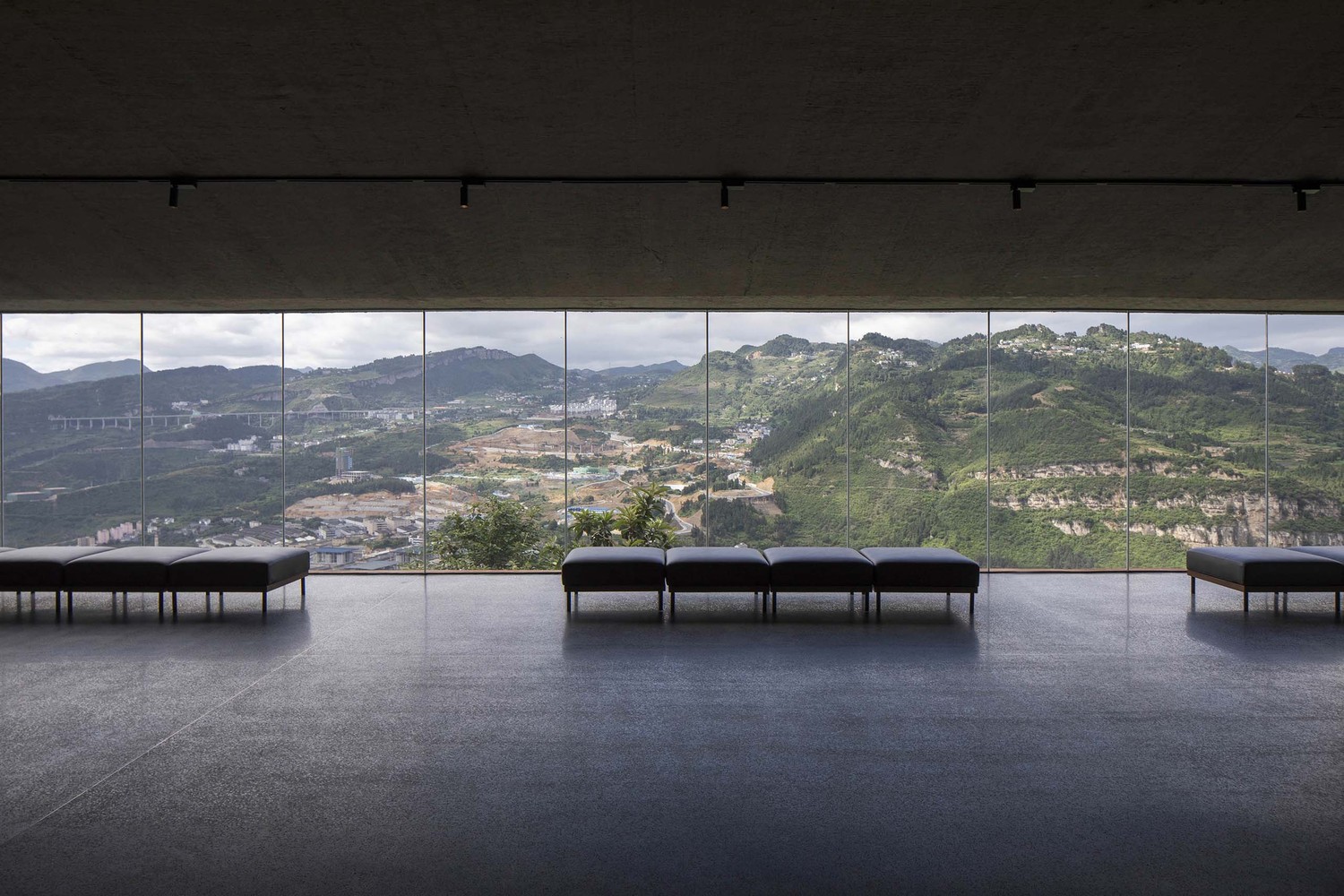
A weathering steel pavilion cantilevers over the foundation bed, offering panoramic views. Inside, the reception hall features a long horizontal window framing the Chishui River and distant mountains like a living painting.
The project, located in Erlang Town along the Chishui River, replaces old structures from a Langjiu production site and integrates with the surrounding cliffs of Tianbao Peak. Inspired by traditional Chinese pavilions, it combines classical and contemporary elements while using locally sourced materials. The design features a mixture of solid and cantilevered structures that creates a dialogue between the architecture and the natural landscape.
3. Renovation of Tianbao Cave District of Erlang Town in Luzhou: Biophilic Design and Psychological Flourishing
Liu Jiakun’s mastery of integrating nature and biophilic design, a hallmark of his architectural philosophy, is profoundly evident in the renovation of the Tianbao Cave District of Erlang Town in Luzhou. This project transcended mere aesthetic enhancement, becoming a powerful demonstration of how architecture can foster a symbiotic relationship between humans and their environment. Liu Jiakun didn’t simply introduce superficial greenery; he meticulously crafted “new landscapes within the landscape,” effectively weaving the built environment into the existing natural fabric. This deliberate approach, deeply rooted in ancient Chinese philosophical traditions, where harmony with nature is paramount, created a space that resonates on both ecological and psychological levels.
- Biophilic Principles and Brain Function: The renovation’s success lies in its adherence to biophilic design principles, a concept increasingly validated by neuroscience. Research consistently underscores the profound impact of natural elements on brain function, revealing that exposure to nature reduces stress, enhances cognitive performance, and promotes overall well-being. In Erlang Town, Liu Jiakun leveraged these principles by utilizing local materials that echoed the region’s topography, seamlessly integrating green spaces that complemented the existing landscape, and preserving the historical integrity of the cave dwellings. This careful consideration of context resulted in an environment that not only restored the community’s connection to its natural surroundings but also fostered a sense of calm and mental clarity.
- Neurological Impact of Natural Stimuli: Furthermore, the project exemplifies the neuroarchitectural understanding that our brains are hardwired to respond positively to natural stimuli. The integration of nature in Erlang Town, through the preservation of existing trees and the introduction of new vegetation, likely triggers a cascade of physiological responses, including the release of calming neurotransmitters and a reduction in cortisol levels. The careful use of natural light and ventilation within the cave dwellings further enhances this effect, creating spaces that are both comfortable and conducive to mental well-being. The Tianbao Cave District renovation, therefore, serves as a compelling example of how architecture can act as a bridge between human consciousness and the natural world, fostering a sense of place and promoting psychological flourishing.

Jianchuan Museum Cluster, Anren Dayi, Chengdu, Sichuan, China 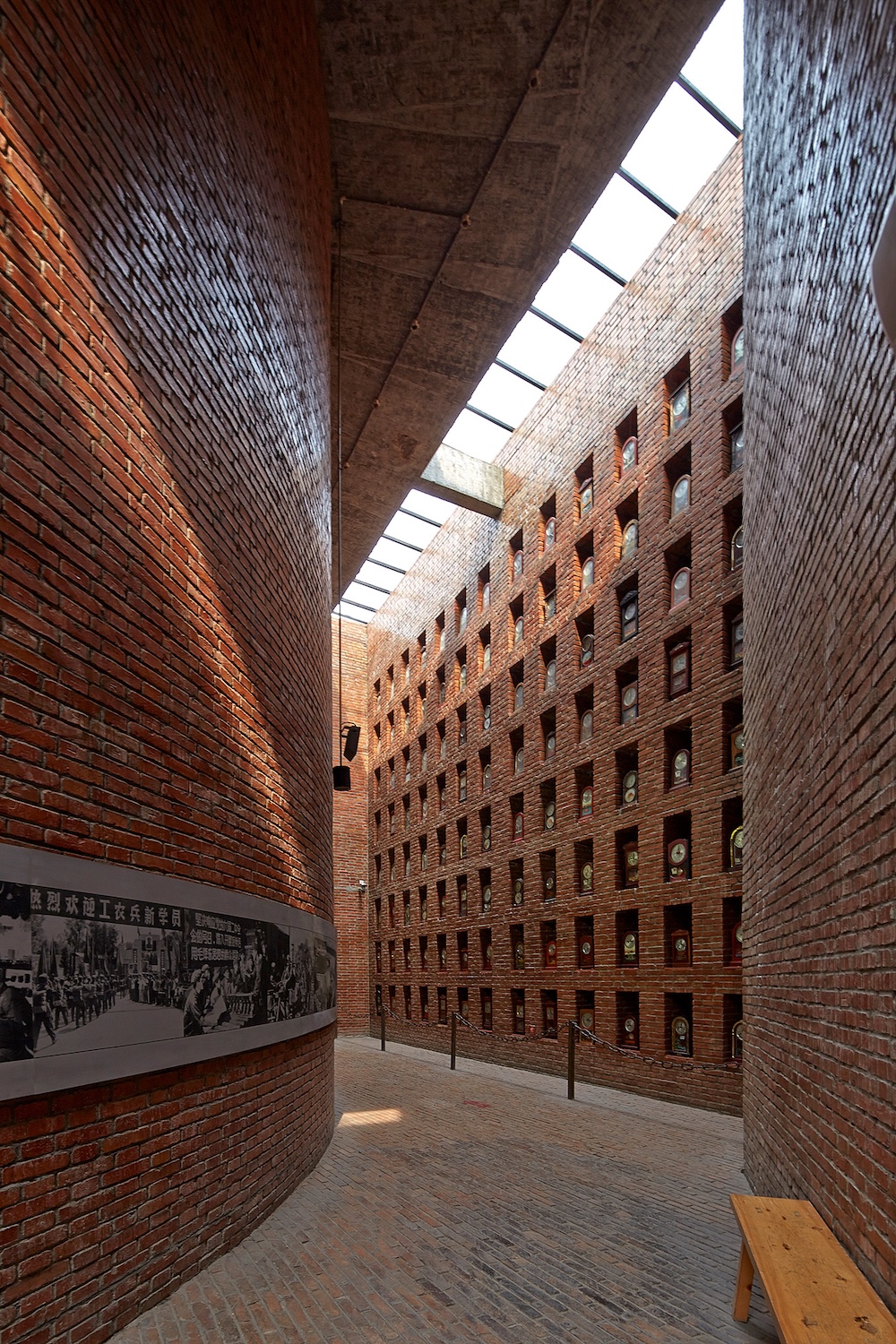
Jianchuan Museum Cluster, Anren Dayi, Chengdu, Sichuan, China 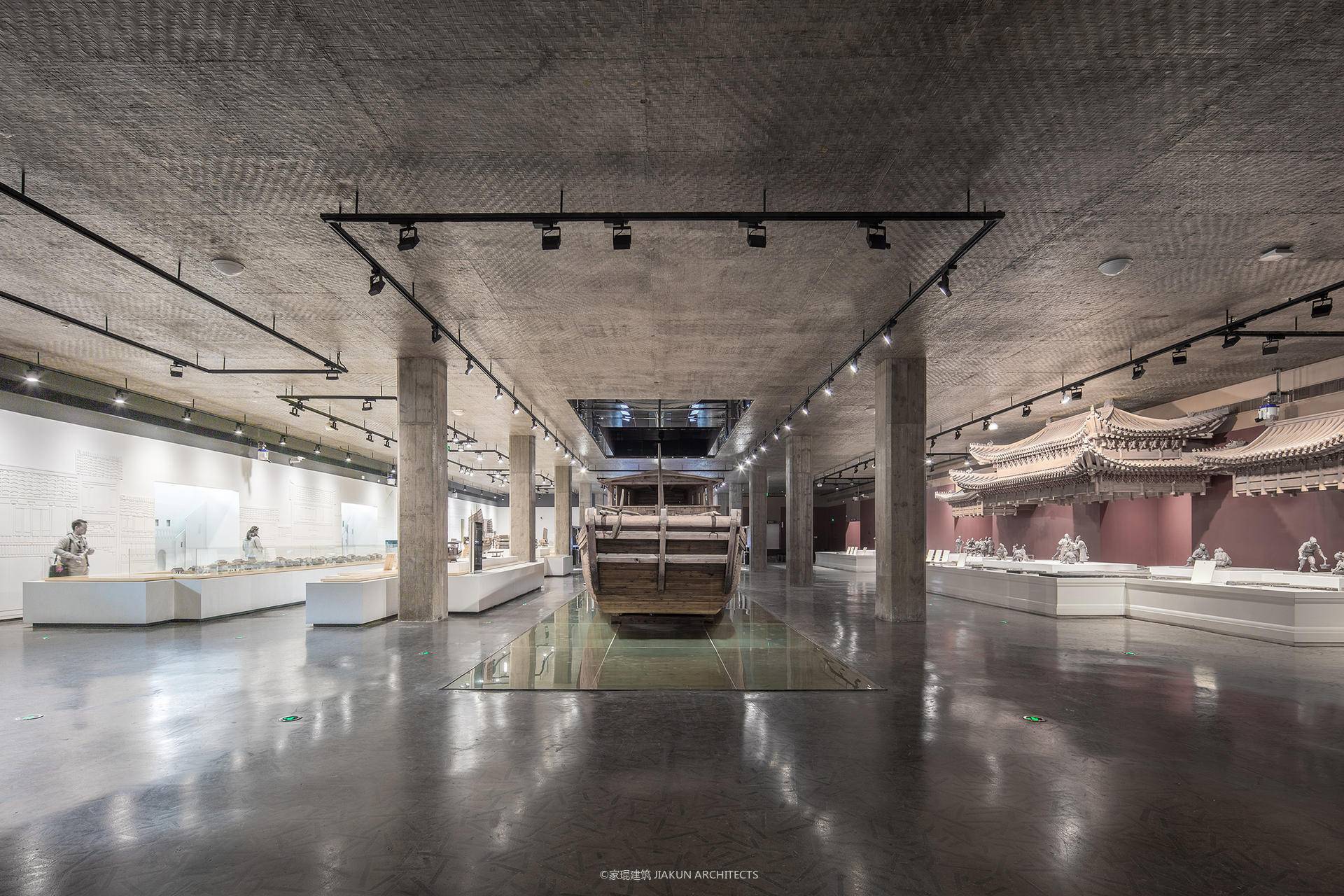
Suzhou Imperial Kiln Ruins Park & Museum of Imperial Kiln Brick, Suzhou, China 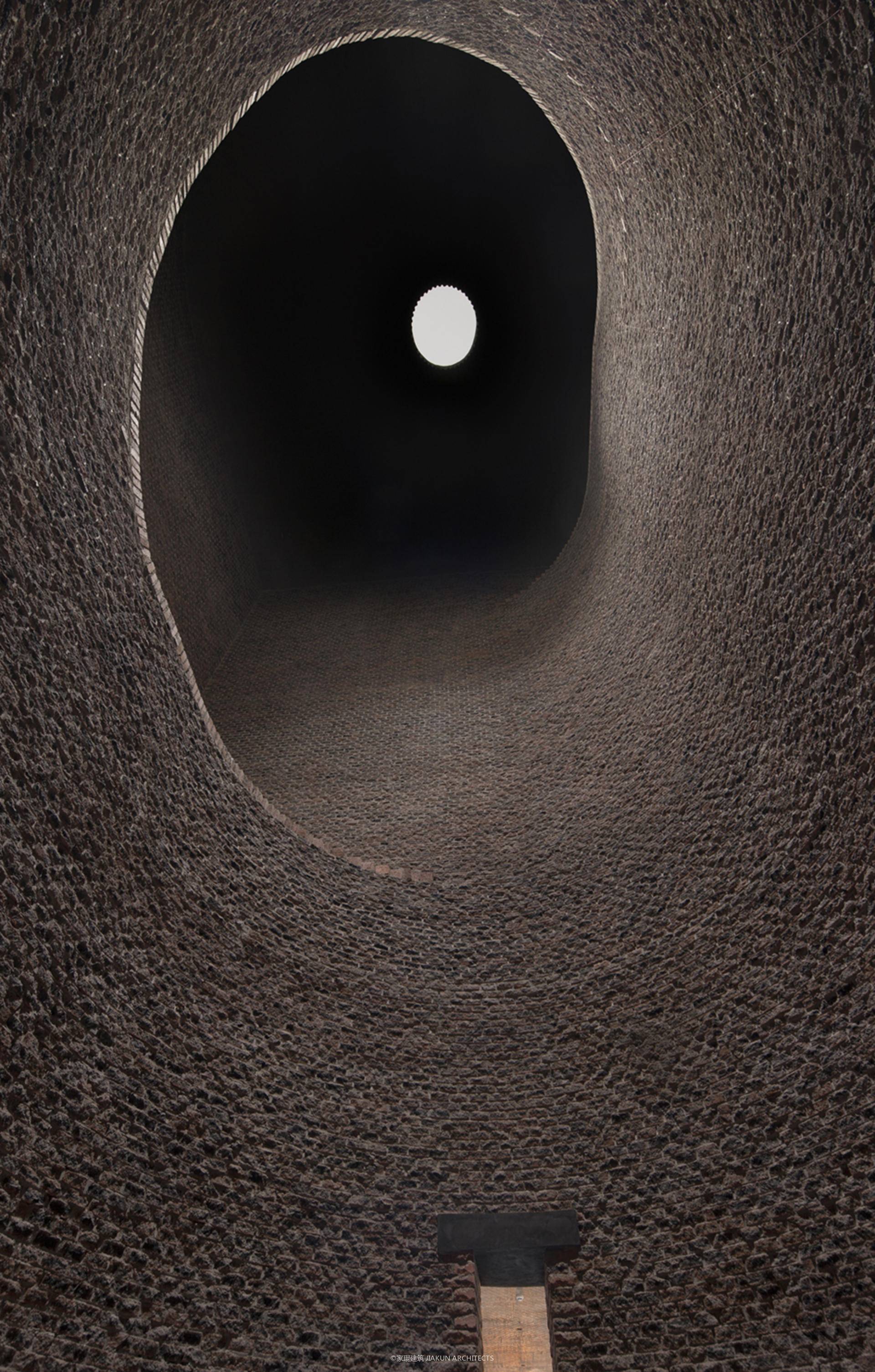
Suzhou Imperial Kiln Ruins Park & Museum of Imperial Kiln Brick, Suzhou, China 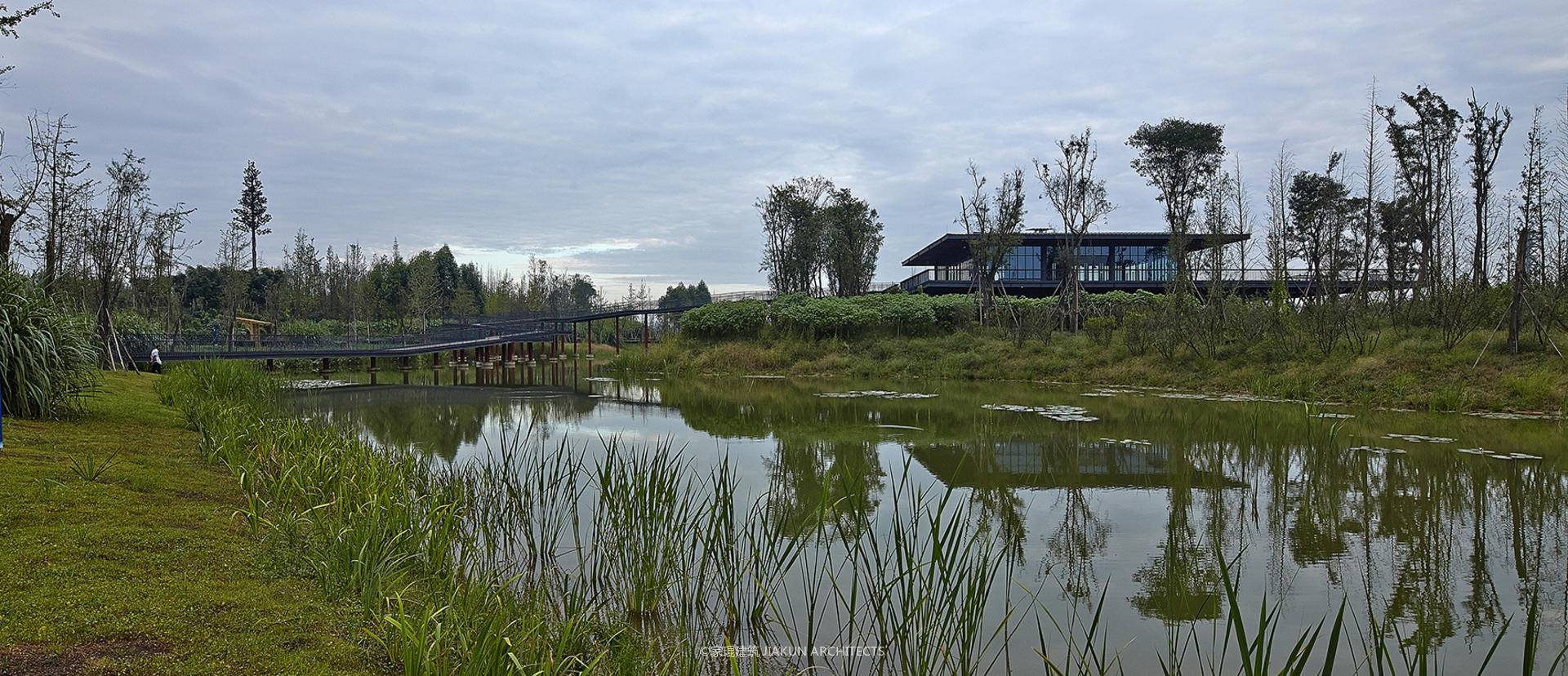
Egret Gulf Wetland aquatic crops area, Sansheng District, Chengdu, Sichuan, China 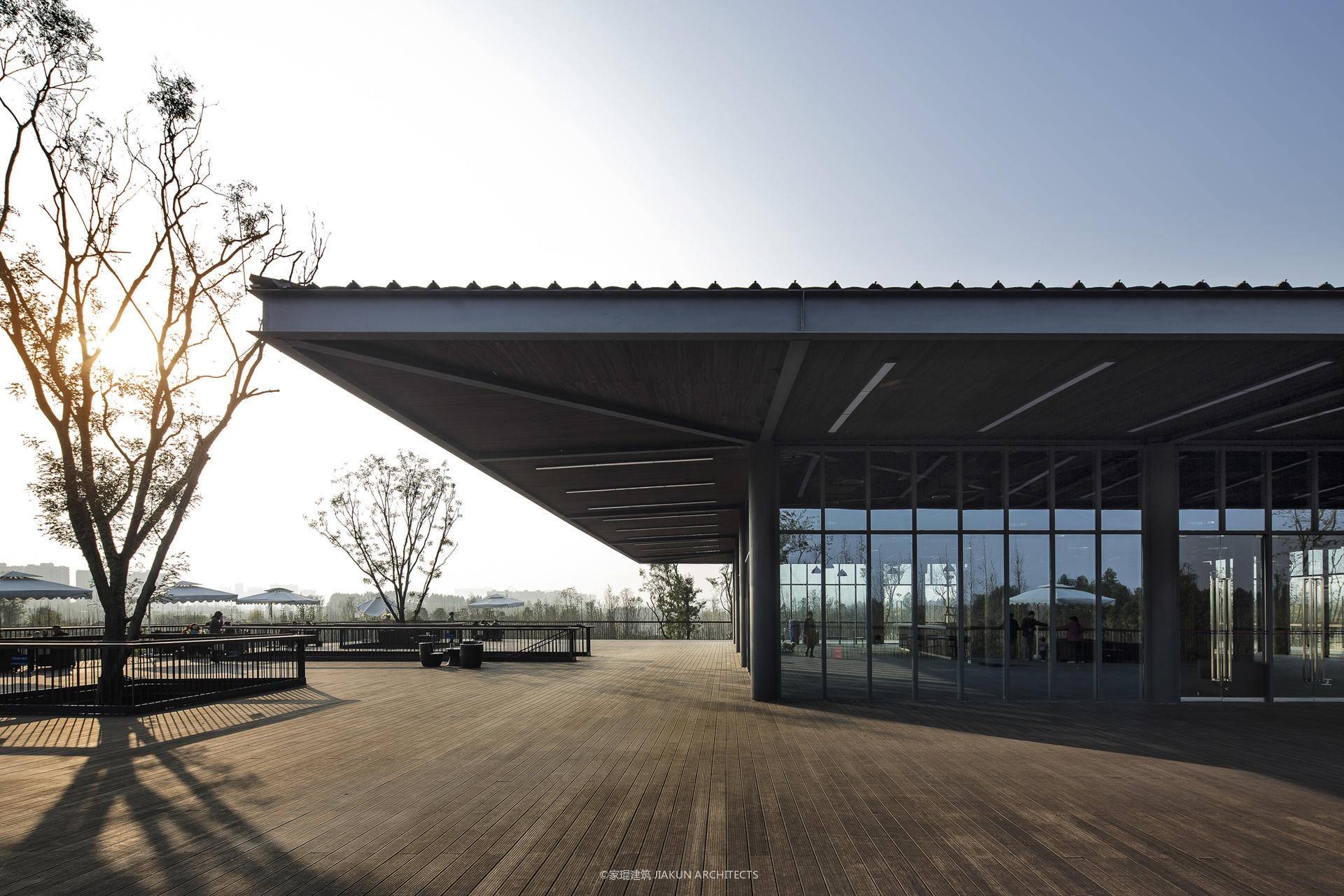
Egret Gulf Wetland aquatic crops area, Sansheng District, Chengdu, Sichuan, China
Challenging conventional norms that emphasize visual impact, Jiakun advocates for designs that harmonize with their surroundings and enhance daily life. His work integrates sustainability, cultural context, and social dynamics, ensuring that architecture is both functional and meaningful. By weaving local narratives into his designs, he creates spaces that are not only practical but also deeply connected to their environment.
Liu Jiakun’s Impact and the Future of Human-centred Design
Jiakun challenges traditional norms that prioritise visual impact, advocating for architecture that seamlessly blends with its surroundings while enhancing everyday life. His approach balances sustainability, cultural identity, and social dynamics, ensuring that each project is both functional and meaningful. By integrating local narratives, his spaces not only serve a practical purpose but also foster a deep and authentic connection with their context.
Liu Jiakun’s Pritzker Prize win marks a turning point in architecture, championing a human-centered approach that prioritizes social and cultural well-being over mere aesthetics. His work redefines architecture’s role by creating spaces that foster interaction, inclusivity, and a deep sense of belonging.
His Pritzker recognition serves as a call to action, urging architects to adopt a more empathetic and holistic approach. By prioritizing human well-being, fostering connection, and embracing interdisciplinary insights, architects can create spaces that are not only innovative but also deeply transformative, leaving a lasting impact on both individuals and society.
References
The Pritzker Architecture Prize: Liu Jiakun https://www.pritzkerprize.com/laureates/liu-jiakun
Culture The Renovation of Tianbao Cave District of Erlang Town / Jiakun Architects. https://www.archdaily.com/949413/culture-the-renovation-of-tianbao-cave-district-of-erlang-town-jiakun-architects
The rhythmic renovation of the Tianbao Cave District https://www.theplan.it/eng/award-2022-Mixed-Use/the-rhythmic-renovation-of-the-tianbao-cave-district-jiakun-architects
Eleven key projects by Pritzker Architecture Prize-winner Liu Jiakun https://www.dezeen.com/2025/03/04/liu-jiakun-key-projects/
“Utopia Versus Everyday Existence” Liu Jiakun is awarded the 2025 Pritzker Architecture Prize https://www.archpaper.com/2025/03/liu-jiakun-2025-pritzker-architecture-prize/
The Pritzker Prize goes to Liu Jiakun of China, an architect who celebrates the lives of ordinary citizens. https://www.the-journal.com/articles/pritzker-prize-goes-to-liu-jiakun-of-china-an-architect-who-celebrates-lives-of-ordinary-citizens/
 neurotectura.com
One thought on “Liu Jiakun Pritzker Prize: Neuroarchitecture and Human-centred Design”