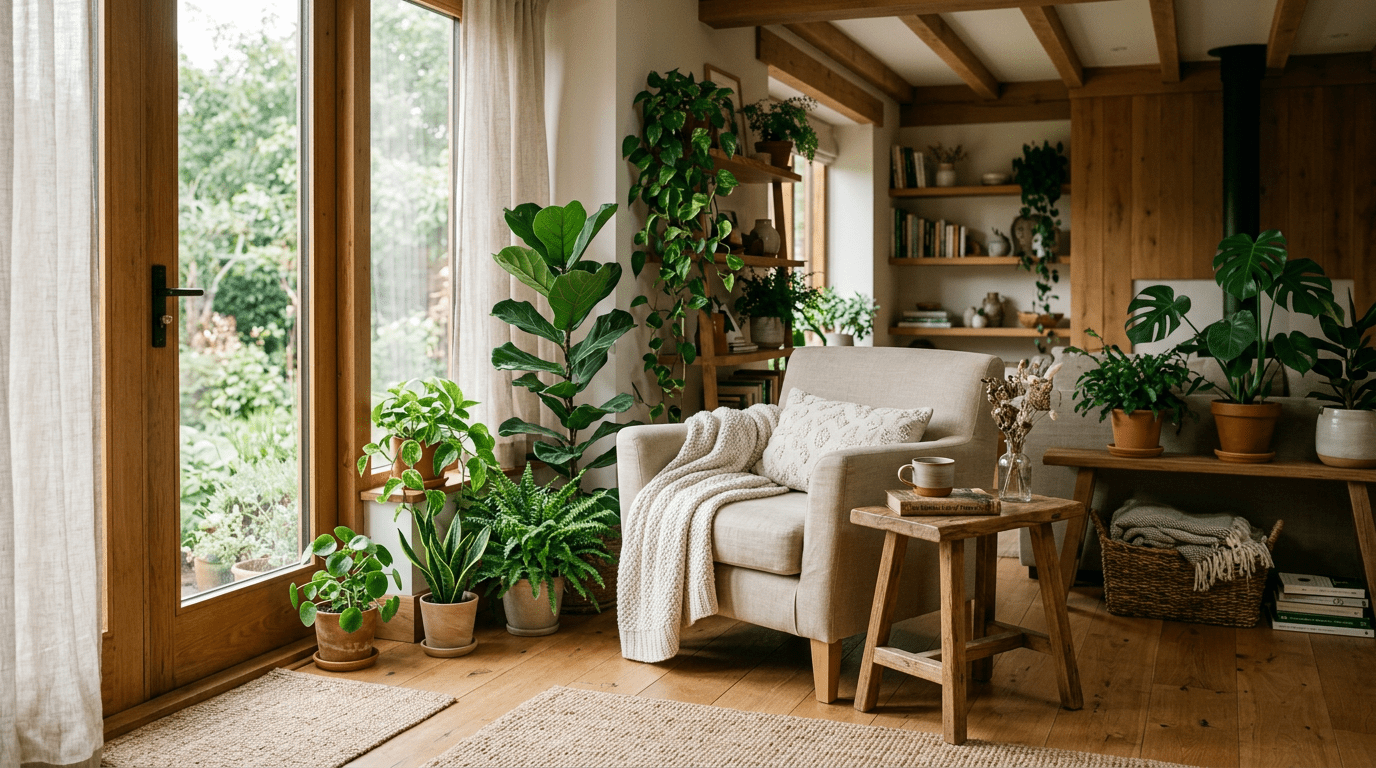
We all seek to feel well.
We may not always be able to define it, but we know wellbeing when we feel it. In a moment of calm, in a space that allows for both refuge and perspective, in that subtle sense of balance that comes – sometimes – quietly and without effort.
For a long time, wellbeing was just considered to be the absence of illness. Today we know it is much more complicated. It’s not just about not feeling bad; it’s about thinking clearly, feeling balanced, responding to our environment without being overwhelmed, and living in the world in a way that feels stable.
At the centre of wellbeing are positive emotions.
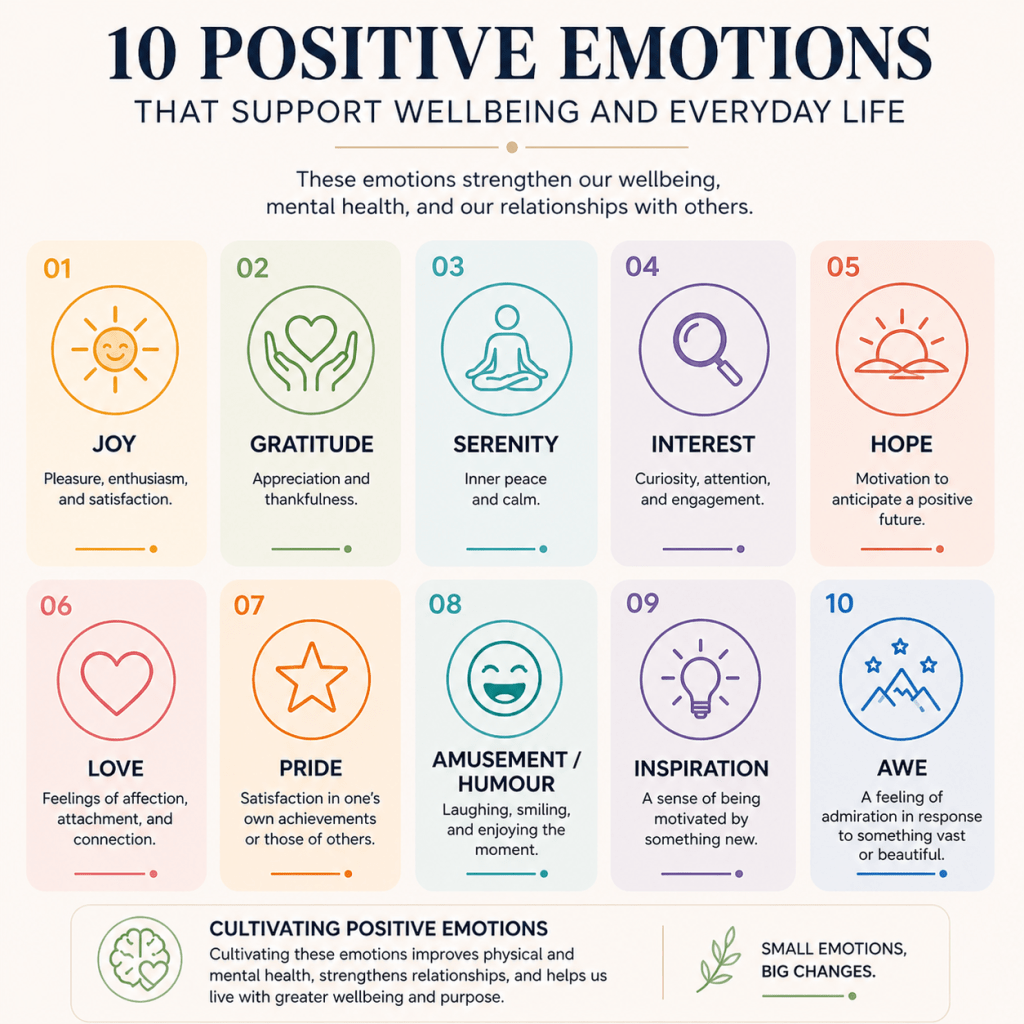
Far from being superficial or fleeting, emotions such as calm, joy, or a sense of connection are grounded in real biological processes. They are closely linked to neurochemical systems in the brain that influence how we perceive our surroundings, how we make decisions, and how we act in our everyday lives.
And here lies a crucial idea: the brain is not static. The systems that regulate wellbeing and positive emotions are dynamic. This means they:
- change with experience,
- can be cultivated or trained,
- and are deeply influenced by the environment and behaviour.
Wellbeing is not a fixed state but an ongoing process.
And if our emotional states are shaped through interaction with what surrounds us, then the environment is no longer just a backdrop. It becomes an active agent.
What is wellbeing, really?
Wellbeing may seem intuitive, but defining it precisely is more complex than it appears.
It is neither a single nor a permanent state. Nor is it simply about feeling good in a given moment. Rather, it is a dynamic condition that emerges from the constant interaction between the body, the mind, our emotions, and the environment.
We can understand wellbeing as an active balance shaped by multiple interrelated dimensions:
Physical dimension
Related to the body: light, air, temperature, rest, and movement.
When this dimension is compromised, physiological stress begins to emerge.
Cognitive dimension
How we process space: attention, memory, and orientation.
Overstimulating or poorly organised environments generate visual noise and increase cognitive load, leading to mental fatigue and disorientation.
Emotional dimension
States such as calm, security, or tension.
The environment plays a direct role in shaping how we feel.
Social dimension
Interaction, privacy, and a sense of belonging.
Space can either foster connection… or reinforce isolation.
These dimensions do not operate in isolation. They function as a system.

Designing for wellbeing
As recent research in neuroarchitecture suggests — particularly the study Designing for Human Wellbeing: The Integration of Neuroarchitecture in Design — architecture does not act on a single aspect of human experience, but on an integrated system that encompasses the physical, cognitive, emotional, and social dimensions.
This reframes the discipline.
Architecture is no longer solely a practice concerned with form or function; it becomes a means through which conditions for wellbeing are deliberately shaped. Not as an accidental outcome, but as an intentional possibility.
Space is not only perceived. It is processed — and it affects:
- the body,
- the brain,
- emotions,
- behaviour.
A change in light can alter attention.
Poor spatial organisation can increase cognitive load.
An inappropriate scale can influence how we relate to others.
Design, therefore, operates across an entire system.
Beyond function: the environment as stimulus
From a neuroscience perspective, there is a key concept: environmental enrichment.
An enriched environment is not necessarily complex or visually dense. Rather, it is one that offers:
- varied but organised stimuli,
- opportunities for interaction,
- a balance between activation and calm.
Such environments support brain function and promote positive emotional states.
By contrast, environments that are poor or excessively neutral tend to reduce engagement with the space. They can lead to disengagement, mental fatigue, or a sense of disconnection.
The brain requires stimulation… but it also requires structure.
The impact of design is measurable
The effects of the built environment are not merely subjective.
They can be observed across multiple levels:
- Physiological: heart rate, stress responses
- Psychological: mood, perception
- Cognitive: attention, memory
- Behavioural: movement, interaction
This shifts how we understand architecture.
It is no longer only about creating pleasant spaces but about understanding how design influences human functioning in measurable ways.
Designing for wellbeing: from theory to practice
It is no longer only about creating pleasant spaces, but about understanding how design influences human functioning in concrete, measurable ways.
Design strategies and their impact
| Dimension | Architectural strategy | Biological and cognitive impact |
|---|---|---|
| Cognitive | Visual hierarchy and wayfinding | Reduced cognitive load and stress |
| Physical | Circadian lighting | Regulation of melatonin and serotonin |
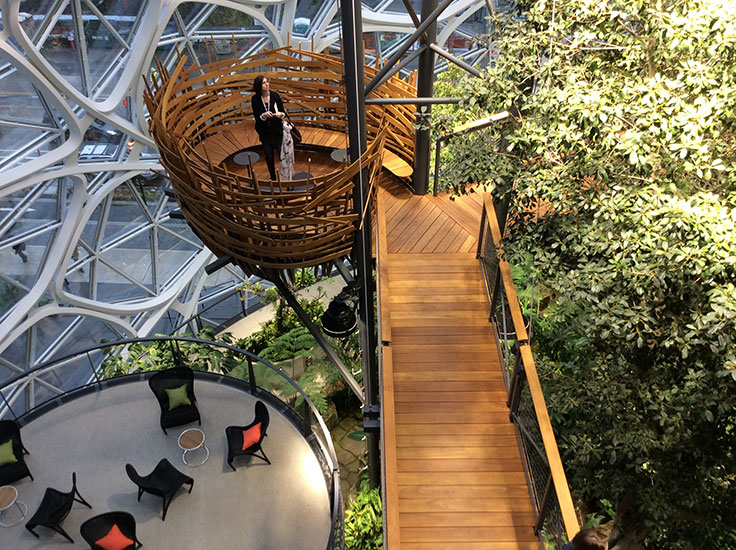
| Social | Prospect and refuge | Balance between safety and connection |
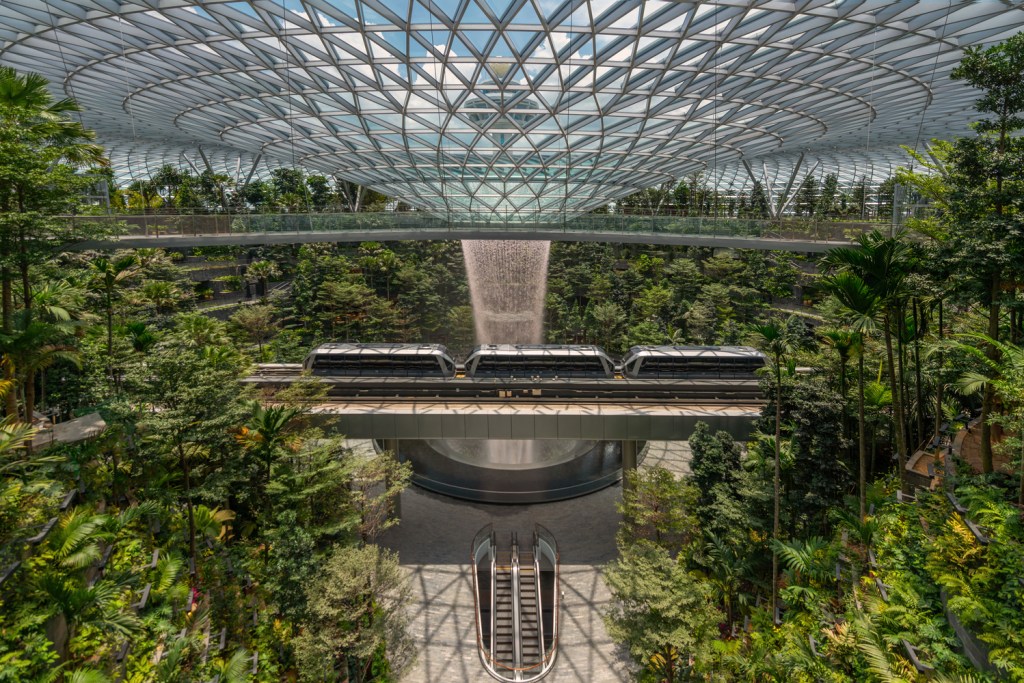
| Emotional | Biophilic integration | Improved emotional state and reduced stress |
These strategies do not work in isolation. They operate as a system.






Wellbeing across different types of spaces
If design influences the brain, emotions, and behaviour, its implications vary depending on the type of space we inhabit.
Healthcare environments: designing for vulnerability
In hospitals, users often arrive in conditions of heightened physical and emotional sensitivity
Design can reduce anxiety, support recovery, and improve the overall experience. This approach aligns with the principles of salutogenic design, which focuses on actively promoting health rather than merely treating illness.
Light, orientation, and the reduction of harsh stimuli are not minor details. They are part of the healing process.
Educational environments: designing for learning
Learning does not occur in isolation.
Visual noise and spatial overload increase cognitive load, affecting attention and memory. By contrast, well-balanced environments can enhance concentration, foster curiosity, and support diverse cognitive styles.
Designing schools is, in many ways, designing conditions for thinking.
Housing: designing for everyday regulation
The home acts as a daily regulator of wellbeing.
Human-scale design decisions — light, visual order, materiality — can reduce stress, support rest, and create a genuine sense of refuge. They can make a meaningful difference in how we feel on a day-to-day basis.
Spaces for older adults: designing for autonomy
For older adults, the environment plays a critical role in maintaining independence.
Clear, accessible, and well-lit design reduces risks, supports orientation, and helps preserve dignity.
Work environments: designing for performance and balance
The workplace has a direct impact on productivity and mental fatigue.
Well-designed spaces can improve concentration, facilitate collaboration, and reduce stress.
Designing offices is not only about organising tasks — it is about creating conditions for better thinking.
Final reflections
Designing for wellbeing is not a trend.
It is about understanding that the spaces we create are not only inhabited… they are felt, processed, and lived through the body and the brain. And this applies across all contexts — from hospitals and schools to homes and workplaces.
If the environment acts as an active agent in shaping our neurochemistry, then design moves beyond aesthetics to become an ethical responsibility.
We do not design volumes alone. We design biological experiences.
Because architecture does not end at its walls.
It begins with the experience of those who inhabit it.
Key concepts
Cognitive load
The amount of mental effort required to process an environment.
Visual noise
An excess of disorganised stimuli that interferes with perception and leads to mental fatigue.
Environmental enrichment
The capacity of an environment to provide balanced stimulation that supports brain function and promotes wellbeing.
Salutogenic design
An approach focused on creating environments that actively promote health, rather than simply preventing illness.
Recommended Readings
Alexander, R., et al. (2021). The neuroscience of positive emotions and affect. Neuroscience & Biobehavioral Reviews, 121, 220–249. https://www.sciencedirect.com/science/article/pii/S0149763420306801
Assem, H. M., Khodeir, L. M., & Fathy, F. (2023). Designing for human wellbeing: The integration of neuroarchitecture in design. Ain Shams Engineering Journal, 14(6), 102102. https://www.sciencedirect.com/science/article/pii/S2090447922004130
 neurotectura.com