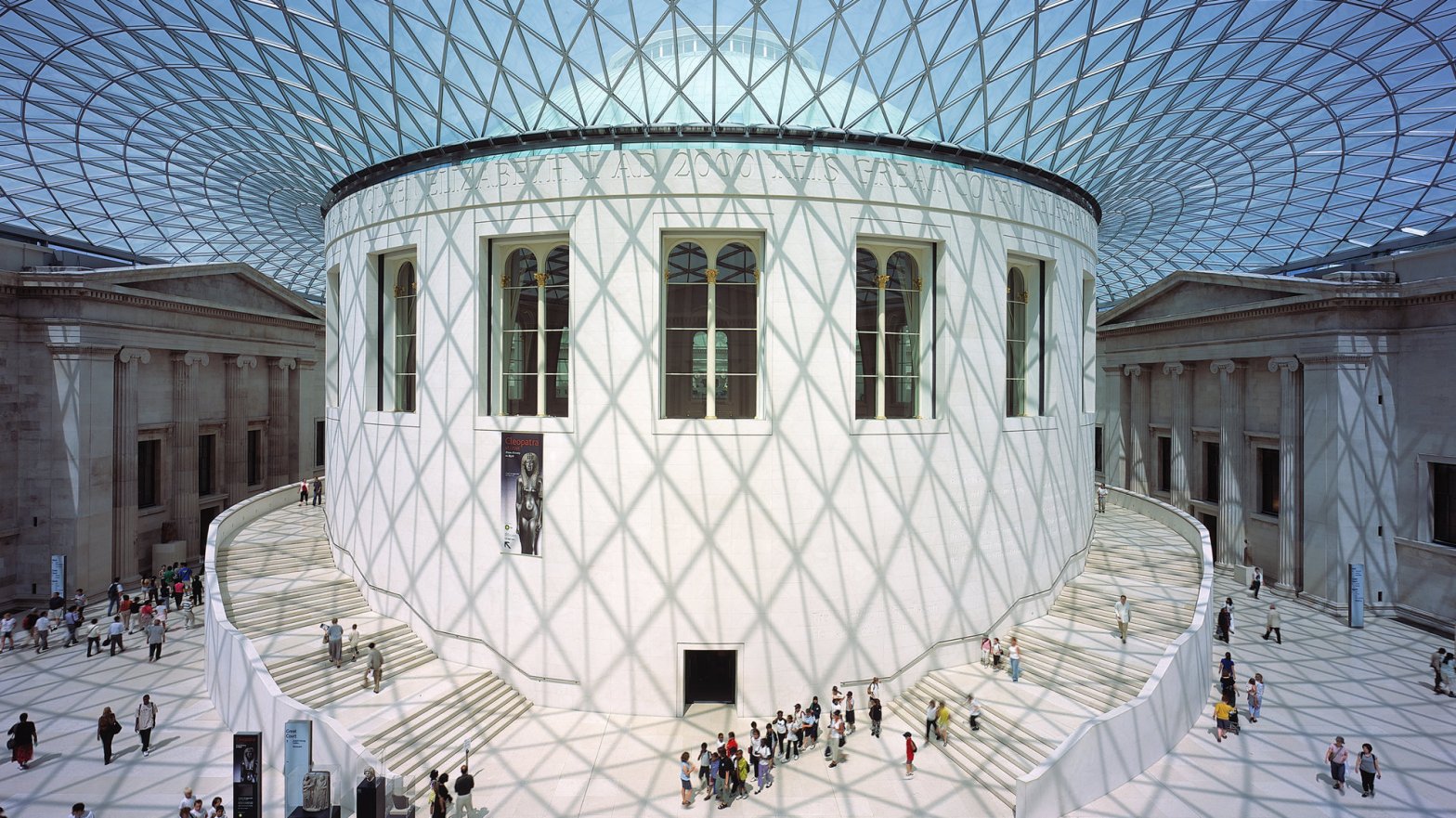
Foster + Partners is one of the world’s leading architectural firms, renowned for its innovative and sustainable designs. Notable projects such as the Millau Viaduct in France, the Reichstag Dome in Germany, and the Hong Kong and Shanghai Bank Headquarters highlight the firm’s commitment to pushing architectural boundaries while maintaining a focus on environmental and human-centric design.
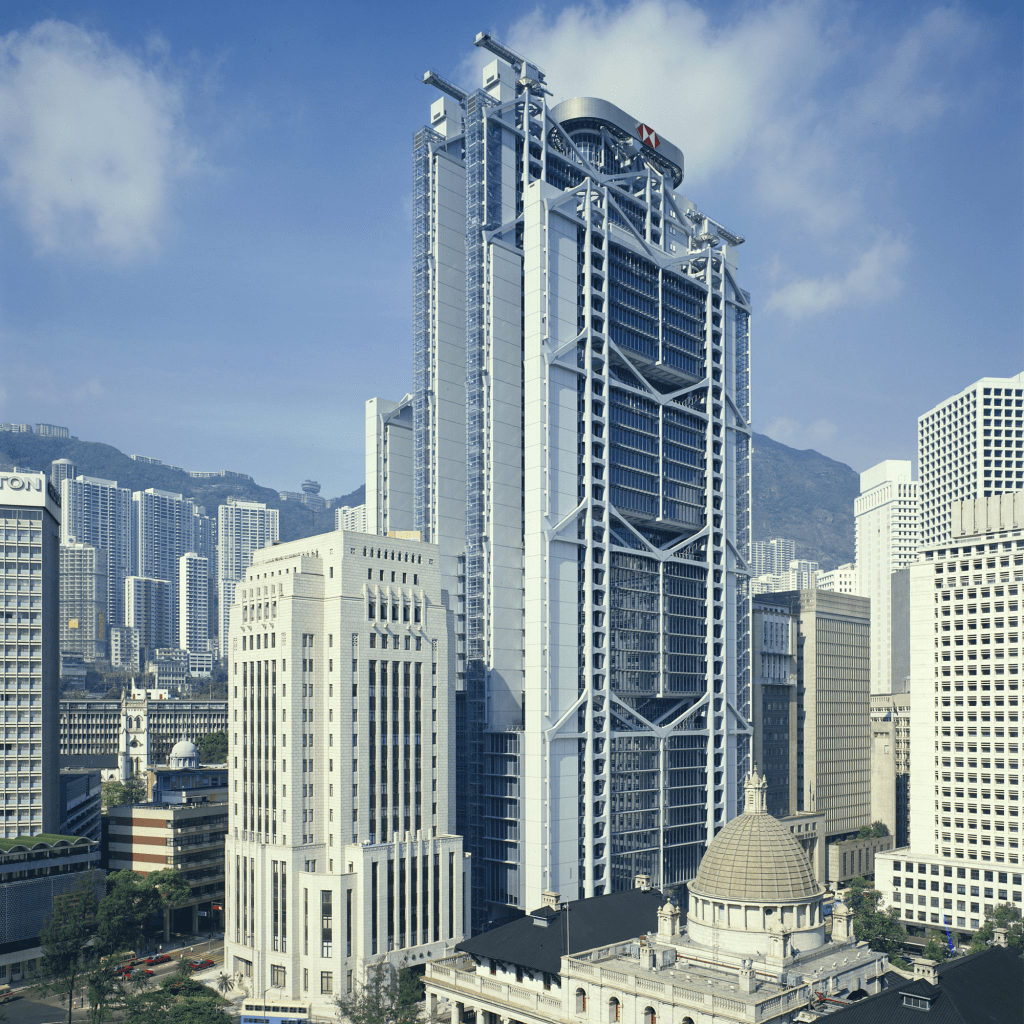
Designed by Foster + Partners, the HSBC Main Building in Hong Kong is a groundbreaking example of modern architecture. Completed in 1985, it features an open-plan design, maximising natural light and flexibility while setting new standards for sustainable and human-centric office spaces.
Established in 1967 by Lord Norman Foster, the practice has shaped modern architecture with projects that integrate advanced technology, efficiency, and aesthetics. With a portfolio spanning commercial, residential, cultural, and infrastructural spaces, Foster + Partners has consistently demonstrated a commitment to human-centric design.
Embracing Neuroarchitecture
Neuroarchitecture, an interdisciplinary field that merges neuroscience with architecture, has been an area of growing interest for Foster + Partners. The firm began exploring neuroarchitecture as a formal discipline recently, incorporating scientific insights into how built environments influence cognitive function, emotional well-being, and overall health. The introduction of Vittoria Falchini, a neuroarchitectural psychologist at Foster + Partners, has reinforced this focus by integrating empirical research into their design process.
Alongside its conceptual and artistic appeal, neuroarchitecture provide us with practical frameworks for planning and evaluating spatial environments.
Foster + Partners applies neuroarchitectural principles to create spaces that enhance human experience, particularly in workspaces, healthcare facilities, and urban environments. Architects, designers, and researchers are encouraged to consider integrating these principles into their projects to foster environments that support cognitive function and emotional well-being. By leveraging findings from neuroscience, the firm aims to design environments that reduce stress, improve productivity, and foster social engagement.
A prime example is their work at The Yale School of Management in New Haven, where neuroarchitectural principles were used to encourage cognitive engagement and collaboration. The open-plan layout, optimised acoustics, and extensive use of natural light contribute to reduced stress levels, enhanced focus, and improved social interaction among students and faculty.
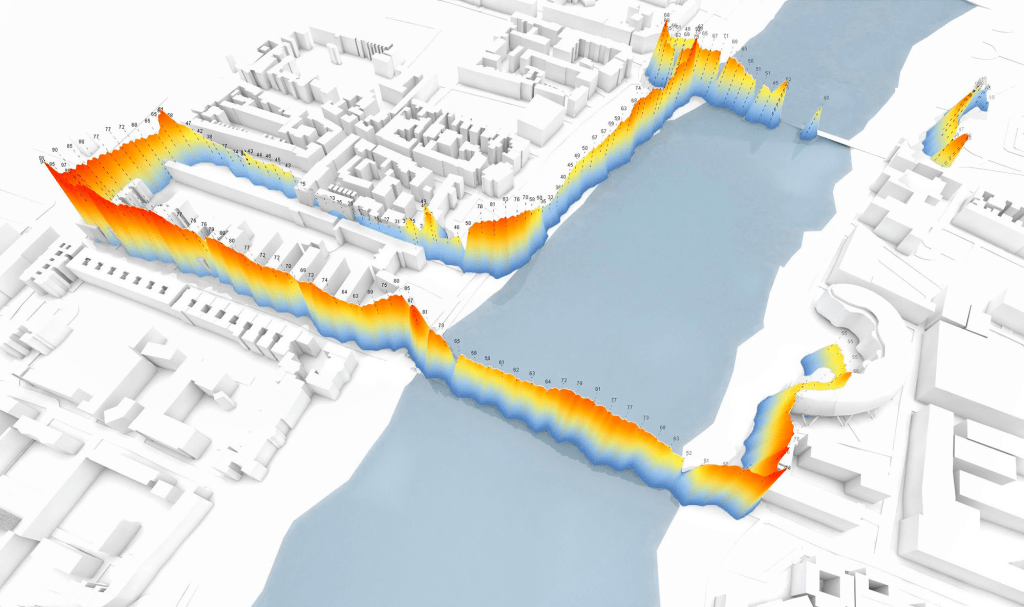
Higher peaks – signalled by a change in colour – indicates higher stress.
© Foster + Partners
Research Methods and Application
The firm utilises a range of research methods to inform its neuroarchitectural approach, including studies that directly influence design decisions. By understanding how individuals visually interact with spaces through eye-tracking, they optimise way finding and reduce cognitive load. Biometric feedback helps tailor environments to lower stress and enhance relaxation, while VR simulations allow for iterative adjustments before implementation. Post-occupancy evaluations ensure continuous refinement of spatial designs based on real-world usage and feedback.
- Eye-tracking studies: Understanding how people visually interact with spaces to optimise layout and navigation.
- Biometric feedback: Measuring physiological responses such as heart rate and skin conductance to assess stress and relaxation levels in different environments.
- Virtual Reality (VR) simulations: Testing design concepts in controlled digital environments before physical implementation.
- Post-occupancy evaluations: Gathering user feedback to refine and improve spatial design.
Notable Projects
Foster + Partners has incorporated neuroarchitectural insights into various projects, enhancing user experience through lighting, material selection, spatial organisation, and biophilic design. These elements have been shown to influence cognitive function and emotional well-being by reducing stress, improving focus, and promoting relaxation. Strategic lighting can enhance circadian rhythms, while biophilic design fosters a connection to nature, which has been linked to lower cortisol levels and increased creativity. Thoughtful spatial organisation helps reduce cognitive overload, allowing users to navigate spaces intuitively and with ease. Examples include:
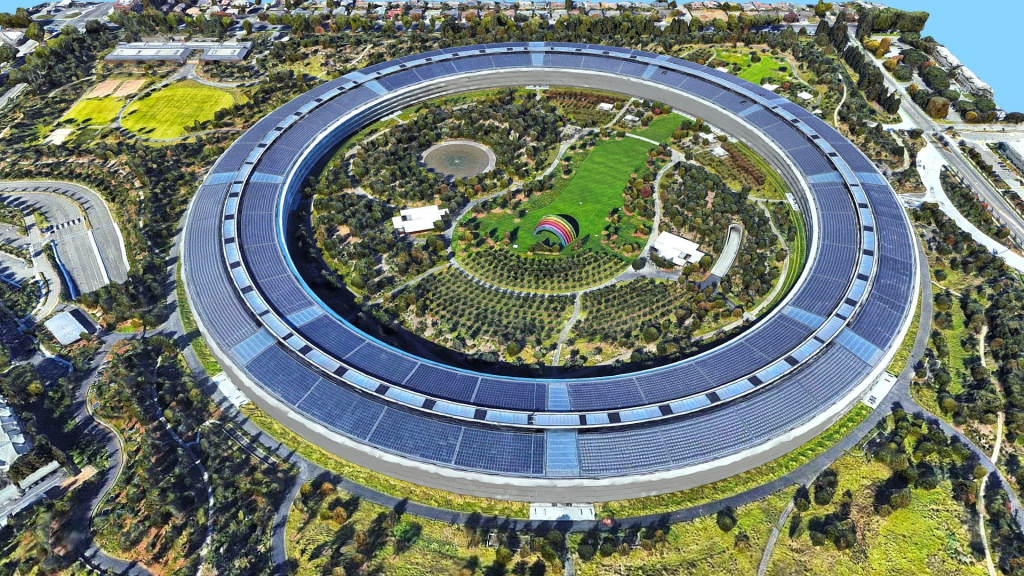
Apple Park is a cutting-edge corporate campus focused on sustainability and innovation. Its iconic circular design maximises natural light, promotes collaboration, and integrates seamlessly with the surrounding landscape, setting a new standard for workplace architecture.
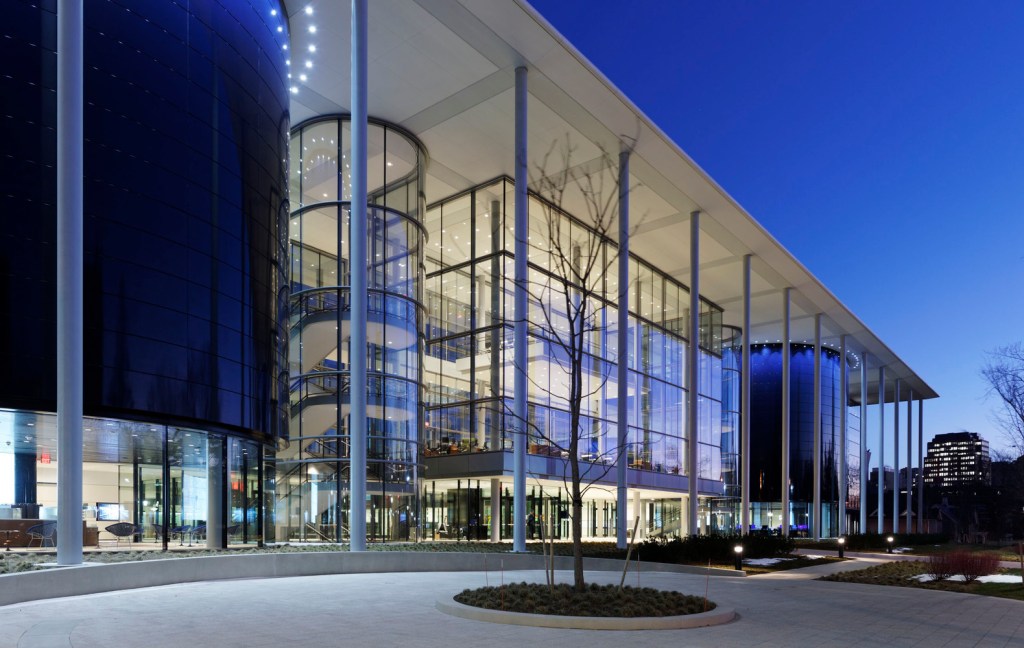
The Yale School of Management integrates natural light, open spaces, and optimised acoustics to enhance learning.
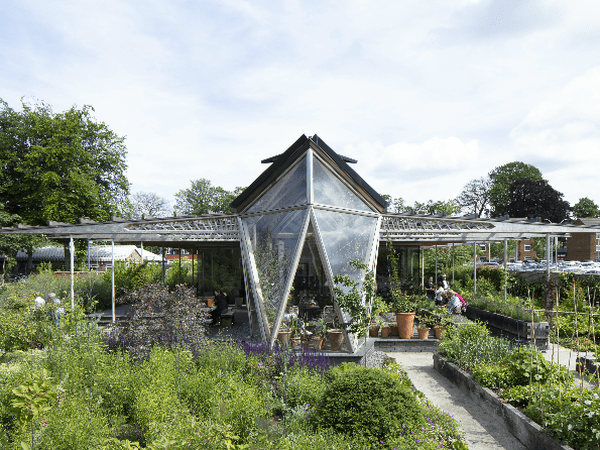
On the right, Maggie’s Manchester – A Healing Space
Maggie’s Manchester is a tranquil cancer support centre that integrates natural materials, soft lighting, and organic spatial layouts to promote emotional well-being and relaxation for patients and visitors.
- Apple Park (California, USA): A headquarters designed to promote well-being through natural lighting, open collaboration spaces, and seamless indoor-outdoor connectivity.
- The Yale School of Management (New Haven, USA): A building designed with neuroarchitectural principles to encourage cognitive engagement and collaboration. The open-plan layout, optimised acoustics, and extensive use of natural light contribute to reduced stress levels, enhanced focus, and improved social interaction among students and faculty.
- Maggie’s Manchester (UK): A cancer support centre that prioritises tranquillity, natural materials, and organic spatial arrangements to create a calming environment for patients.
Conclusion
Foster + Partners’ commitment to neuroarchitecture represents an evolution in design thinking, where human well-being is at the core of architectural innovation. By employing rigorous scientific research and cutting-edge technology, the firm continues to shape environments that are not only aesthetically compelling but also psychologically supportive and neurologically attuned to human needs.
As neuroarchitecture advances, Foster + Partners is poised to remain at the forefront, pioneering a future where architecture truly serves the mind as well as the body. The firm is currently exploring AI-driven design tools, adaptive environments that respond to user behaviour, and smart materials that enhance well-being. Future projects, such as the development of neuroresponsive workspaces and biophilic urban centres, aim to further solidify their leadership in integrating neuroscience into architecture.
How will the buildings of tomorrow actively adapt to human needs and emotions, creating truly personalised spaces for enhanced well-being?
References
Brain, Body, Building: Neuroarchitecture and Design. https://www.fosterandpartners.com/insights/plus-journal/brain-body-building-neuroarchitecture-and-design
Neuroarchitecture https://grupo.us.es/hac/en/home/neuroarchitecture/#:~:text=Based%20on%20the%20required%20needs,influence%20aspects%20of%20human%20behaviour.
25 Projects by Norman Foster that made him a leader in the Architecture Industry https://www.re-thinkingthefuture.com/know-your-architects/a274-25-projects-by-norman-foster-that-made-him-a-leader-in-the-architecture-industry/#google_vignette
Norman Foster Foundation https://normanfosterfoundation.org/about/mission/
 neurotectura.com