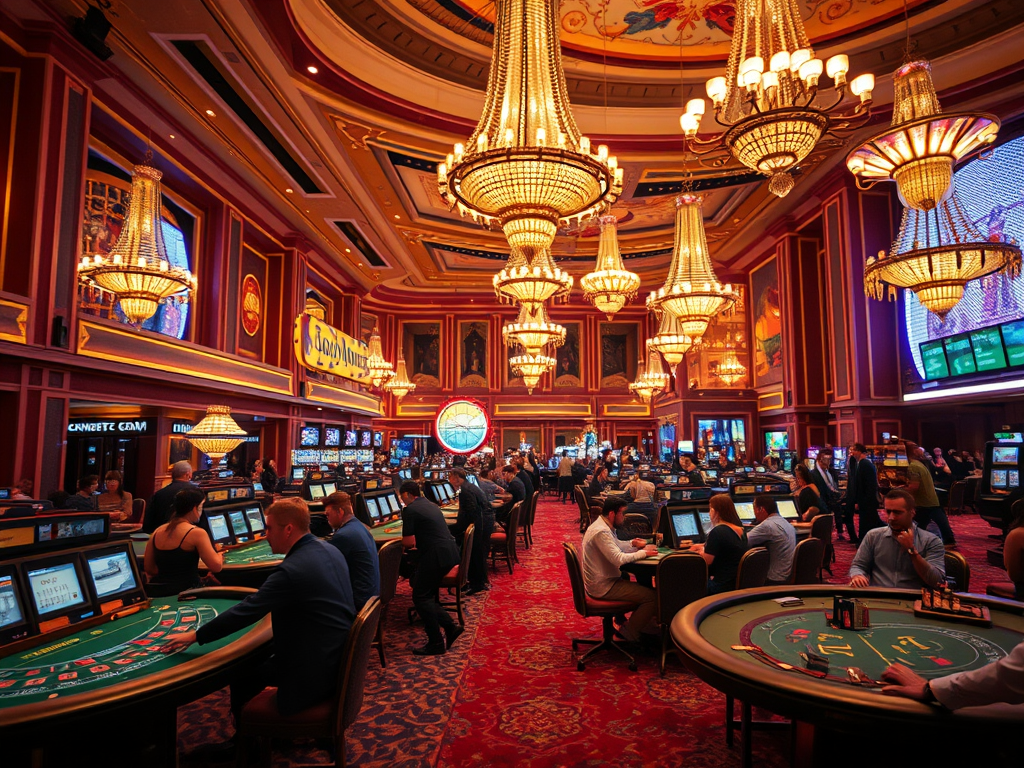
Over the centuries, they have evolved from elite gambling houses into massive, highly engineered environments designed to captivate visitors and maximise engagement. How did casinos originate, what makes them so alluring, and how does neuroarchitecture influence people’s behaviour in these spaces? Finally, we must ask: is this practice ethical?

The pain captures Il Ridotto, Venice’s first state-sanctioned casino, established in 1638 at Palazzo Dandolo. Open to the public but accessible mainly to nobles due to its high stakes and strict dress code, this historic venue set the stage for modern casino culture.
The Origins of Casinos
The concept of gambling dates back thousands of years, with evidence of early betting games found in ancient civilisations such as China, Rome, and Egypt. However, the modern casino as we know it began in 17th-century Italy, with the establishment of the Ridotto in Venice in 1638. The Ridotto was a state-sanctioned gambling house designed to control and regulate gambling among the elite. From there, the idea of the casino spread across Europe, particularly in France and Monte Carlo, where grand gaming establishments became synonymous with luxury and sophistication.
By the 20th century, casinos had become prominent entertainment hubs, especially in the United States.

Designed to keep visitors engaged and spending, its world-famous establishments, from The Bellagio to Caesars Palace, showcase the power of neuroarchitecture in shaping human behaviour.
Gambling laws evolved to allow regulated casino growth, particularly in Nevada and later Atlantic City. Las Vegas emerged as the global epicentre of gambling in the mid-20th century, with iconic establishments like The Bellagio, Caesars Palace, and The Venetian setting the standard for luxury and entertainment. Macau, home to casinos such as The Venetian Macao and Grand Lisboa, has since surpassed Las Vegas in gambling revenue and is now considered the world’s gambling capital.
Today, casinos are not just places to gamble; they are integrated entertainment complexes featuring hotels, theatres, restaurants, and shopping malls—all designed to keep people engaged and spending. The rise of online casinos, such as Bet365 and PokerStars, has further transformed the industry by providing accessible gambling experiences from anywhere in the world.
The Allure of Casinos
Casinos are designed to be irresistibly enticing. Notable examples include Marina Bay Sands in Singapore, renowned for its stunning architectural design and immersive gaming experience, and Monte Carlo Casino in Monaco, which has long been associated with elegance and exclusivity. Bright lights, opulent decor, and the promise of fortune create an enticing atmosphere that appeals to human emotions and instincts.

With its iconic rooftop infinity pool and futuristic architecture, Marina Bay Sands in Singapore is more than just a casino—it’s an immersive entertainment hub. Designed to captivate visitors with its lavish interiors and strategic layout, the resort exemplifies how neuroarchitecture enhances both luxury and gambling experiences.
The unpredictability of gambling, with its highs and lows, taps into the brain’s reward system, triggering dopamine release. This neurotransmitter plays a key role in reinforcing behaviour, creating a cycle of excitement and reward that can lead to compulsive gambling, commonly known as ludopathy. Neuroscientific studies indicate that problem gamblers exhibit neural activity similar to individuals with substance addictions, as their brains become conditioned to seek the euphoric highs of winning, despite the financial and emotional consequences.
Casino design plays on the senses. In a study carried out in 2006 around aromas, certain smells wafted through the ventilation system increased play in slots by 46%.
Casino.org

Home to some of the most extravagant casinos on the planet, Macau surpasses Las Vegas in gambling revenue, blending luxury with strategic design to keep players immersed. With venues like The Venetian Macao and Grand Lisboa, the city exemplifies how neuroarchitecture influences player behaviour, using lighting, sound, and spatial layout to create an environment where risk-taking feels both exhilarating and inevitable.
This creates a sense of thrill and anticipation that keeps players coming back for more. Social factors also play a significant role. Casinos cultivate an atmosphere of excitement, with crowds cheering at gaming tables, flashing lights announcing wins, and background music creating an immersive experience. According to Schüll (2012), the design of slot machines is particularly optimised to induce a ‘machine zone’ state, where players lose track of time and decision-making becomes highly automatic.
The illusion of skill in some games, like poker and blackjack, gives players the perception that they can influence outcomes, adding to the sense of challenge and engagement. Additionally, casinos use promotional tactics such as free drinks, loyalty programs, and complimentary stays to encourage patrons to continue playing.
Neuroarchitecture, the science of designing spaces to influence cognitive and emotional responses, plays a crucial role in how casinos operate.
The Role of Neuroarchitecture in Casinos
Similar principles are applied in retail stores, which use strategic layouts to guide customers towards high-margin products, and theme parks, where design elements enhance immersion and prolong visitor engagement. In casinos, these techniques are fine-tuned to maximise gambling participation, creating an environment where players feel encouraged to stay and continue betting. Every element of casino design—from the layout to lighting, sound, and scent—is meticulously planned to maximise player engagement and spending.
- Labyrinthine Layouts: Casinos are often designed without straight pathways or clear exits, making it difficult for patrons to leave quickly. The strategic placement of gaming tables and slot machines ensures that players must walk past multiple gambling opportunities before reaching other amenities.
- Lighting and Colour Psychology: Warm, low lighting creates a sense of comfort and relaxation, while bright, flashing lights on slot machines stimulate excitement. Colours like red and gold, often associated with luck and wealth, dominate casino interiors.
- Sound Design: The sounds of winning—coins clinking, electronic jingles, and applause—create the illusion of frequent payouts, even when statistically rare. Background music is carefully selected to influence betting speed and mood.
- Aromas and Scents: Certain scents have been shown to increase gambling behaviour. Some casinos diffuse pleasant, subtle fragrances that enhance relaxation and enjoyment, encouraging patrons to stay longer.
- Comfortable but Not Too Comfortable Seating: Chairs and tables are designed for prolonged sitting, but are not so comfortable that players become too relaxed and disengaged.
All these design elements work together to create an environment that subtly influences behaviour, making people more likely to continue betting. The Wynn Las Vegas, for example, uses warm lighting, luxurious decor, and a strategic layout to encourage prolonged play, while Resorts World Sentosa in Singapore integrates nature-inspired elements to create a unique sensory experience.
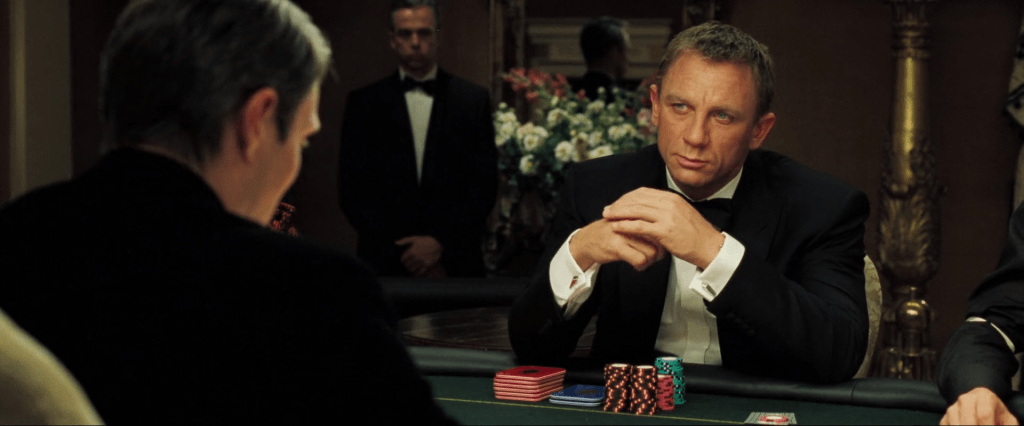
Portraying it as an epitome of skill, intellect, and sophistication, this cinematic influence has contributed to the allure of casinos, reinforcing their association with prestige and calculated risk-taking.
The Ethics of Casino Design
While neuroarchitecture can be a powerful tool for enhancing user experience, its use in casinos raises ethical concerns. By exploiting psychological and neurological responses, casinos create an environment that encourages prolonged gambling, which can lead to financial losses and addiction. This practice disproportionately affects vulnerable individuals who may struggle with self-control and impulsive decision-making.
Critics argue that the use of neuroarchitecture in casinos is a form of manipulation that prioritises profit over the well-being of players.
While some regulations exist to promote responsible gambling—such as self-exclusion programs, betting limits, and awareness campaigns—these measures often do not fully counteract the deep psychological influence that casino design exerts on patrons. A study by Gainsbury et al. (2014) found that self-exclusion programs are regularly underutilised, with many problem gamblers failing to take advantage of available safeguards.


Casinos are not merely gambling venues; they are carefully engineered environments that utilise psychology and neuroarchitecture to shape human behaviour.
For example, in the UK, strict advertising regulations and mandatory affordability checks have been implemented to curb problem gambling, whereas in the U.S., regulations vary significantly by state, with some jurisdictions offering fewer consumer protections. In contrast, Macau has relatively relaxed gambling policies, relying heavily on the revenue generated by casinos, leading to concerns about insufficient safeguards for problem gamblers.

Source: Gambling Commission.
Update 7 November 2024
These differences highlight how the effectiveness of regulations depends on governmental priorities and enforcement. Addressing ludopathy through more stringent measures and public awareness campaigns could help mitigate the negative impacts of gambling addiction.
On the other hand, supporters of the industry argue that gambling is a form of entertainment and that individuals have personal responsibility for their choices. Some casinos, such as Holland Casino in the Netherlands, have implemented AI-driven player tracking systems to monitor betting behaviours and intervene when signs of problem gambling arise. They claim that neuroarchitecture is simply an aspect of immersive design, similar to how theme parks, shopping malls, and cinemas enhance customer experience.
Conclusion
While betting in casinos is an engaging and exciting experience, it also raises important ethical questions about the fine line between entertainment and manipulation. As technology and research continue to advance, the debate over the responsible use of neuroarchitecture in commercial spaces, particularly in gambling, will likely intensify.
Ultimately, the challenge lies in finding a balance between business interests and ethical responsibility, ensuring that the allure of casinos does not come at the cost of human well-being. As casinos continue to evolve, will the industry take greater responsibility for safeguarding players, or will profit always come first?
Future improvements in casino design could include more transparent layouts with clearer exits, designated low-stimulation areas to help players take breaks, and interactive features that promote responsible gambling behaviours. The Crown Casino in Melbourne has already implemented voluntary time limits and responsible gaming advisory services within its facilities. Implementing real-time monitoring technology to detect problematic gambling patterns and offering on-site support services could also help mitigate the risks associated with excessive gambling.
References
Gainsbury, S. M., Russell, A., Hing, N., Wood, R., Lubman, D., & Blaszczynski, A. (2014). The prevalence and determinants of problem gambling in Australia: Assessing the impact of interactive gambling and gambling opportunities. Psychology of Addictive Behaviours, 28(3), 769-779.
Ladouceur, R., Blaszczynski, A., & Lalande, D. R. (2017). Responsible gambling features: Does the self-exclusion register work? Journal of Gambling Studies, 33(1), 153-173.
Schüll, N. D. (2012). Addiction by Design: Machine Gambling in Las Vegas. Princeton University Press.
Gambling Addiction https://www.osmosis.org/answers/gambling-addiction
The Global Gambling Review 2025 https://www.betting.co.uk/gambling-statistics-2021/
How Macau became the world’s casino capital https://theconversation.com/how-macau-became-the-worlds-casino-capital-108866
8 Expert Tips for Casino Architecture Design https://airfixture.com/resources/blog/tips-casino-architecture-design
Casino Design: The Sneaky Tricks That Make You Spend More https://www.casino.org/blog/casino-design-psychology/
 neurotectura.com