Imagine coming home after an overwhelming day. The lighting is harsh, clutter is everywhere, loud music seeps in from next door, and the noise and fumes from the street press against your windows.
When your home feels chaotic, your body stays on alert. Harsh lighting strains your eyes, clutter makes it difficult to focus, and constant noise keeps your nervous system in a subtle state of stress. Over time, this tension builds — irritability creeps in, patience thins, and even rest doesn’t feel restorative.
Home is more than a shelter — it’s a mental landscape that shapes our thoughts, emotions, and overall well-being. Each room within this space reflects our inner world, influencing how we feel and interact with our surroundings.
And mood is contagious. When you’re anxious or overstimulated, that energy can ripple through the space, influencing the tone of conversations, the rhythm of routines, and the overall emotional climate.
A home that overwhelms doesn’t just affect you — it shapes how you relate to others.
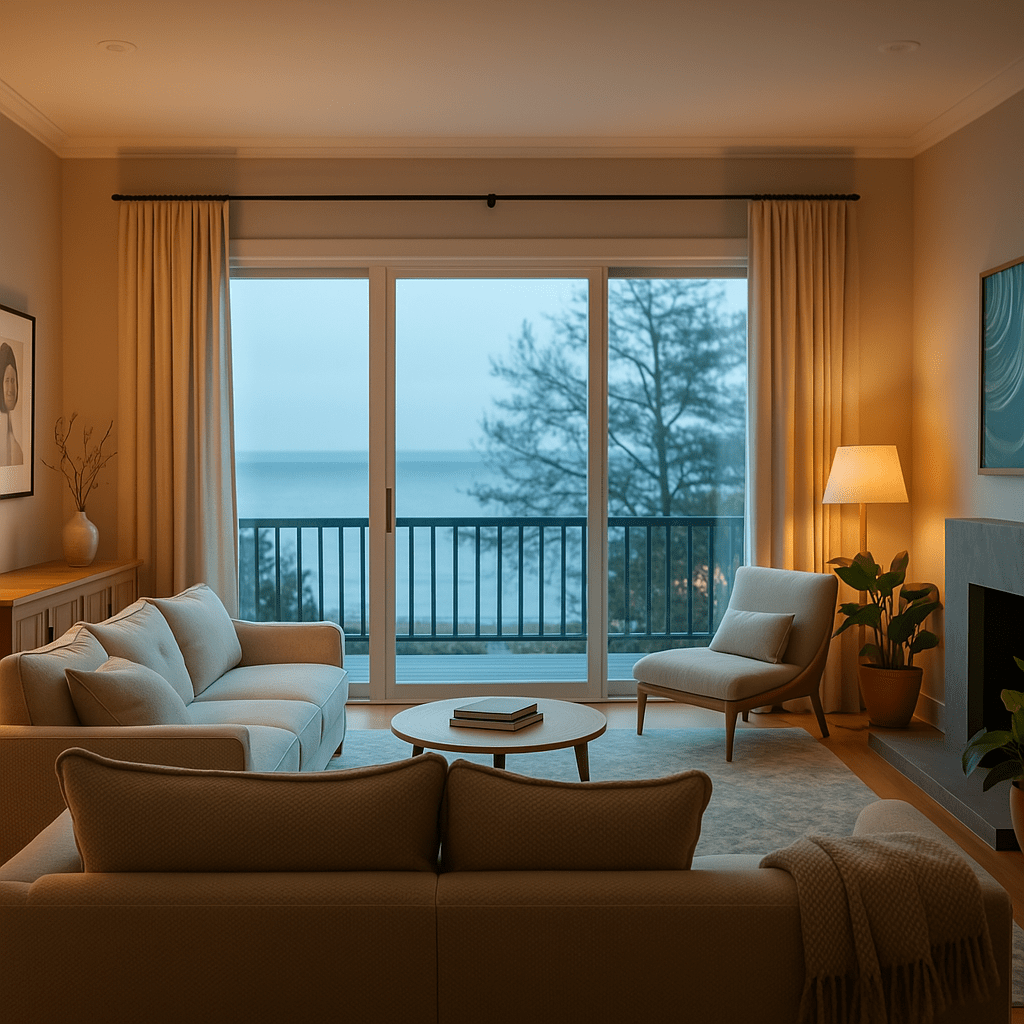
Now imagine the opposite: soft lighting, calming colours, a sense of order, and a quiet that lets you finally breathe. In a space like that, your nervous system slows down. You move with more intention, speak with greater calm, and feel more present.
Calm environments improve sleep, support emotional regulation, and allow us to recharge more fully. And just like tension, calm is also contagious. When one person feels safe and grounded, the atmosphere shifts for everyone.
A soothing home doesn’t just restore your mood — it nurtures your relationships.

Natural light, simple moments, and shared hands — the heart of the home beats quietly in spaces like this.
Home sweet home
On average, we spend at least eight hours a day at home — often more. Between sleeping, showering, preparing meals, relaxing, and handling household tasks, home becomes the backdrop of our lives. For many, it’s also a workplace, a refuge, and a space for connection or solitude.
And yet, it’s a space we frequently overlook. Some people treat their homes as secondary — putting more value on the car they drive or the clothes they wear. Others see home as a showroom, something to protect and preserve rather than enjoy.
But what if, instead of overlooking our homes or treating them as places to display and protect, we began to design them to support us — to regulate our emotions, comfort our senses, and help us feel truly at ease?
“Indoor greenery has been shown to lower cortisol and improve focus.”
A simple shift in your surroundings can change how you feel.
Understanding Neuroarchitecture at Home
Neuroarchitecture is the intersection of neuroscience and design — a field that explores how the built environment affects brain function, mood, and behaviour. It looks at how light, sound, spatial layout, textures, and colours interact with our nervous system, shaping how we feel and function every day.
At home, these elements take on a deeply personal role. This is where we begin and end each day — where we seek rest, focus, and emotional balance. But not all homes support that purpose. Poor lighting, constant noise, disorganised layouts, or overly stimulating decoration can heighten stress without us even noticing.
Understanding how your environment influences your body and mind helps you design with greater intention — creating spaces that are not just beautiful, but calming, functional, and aligned with how you want to feel.
Small Shifts, Big Impact: Designing More Mindfully at Home
You don’t need to redesign your entire home to start feeling better in it. Neuroarchitecture begins with awareness — paying attention to how your environment affects your body and mood.
Here are a few ways to start:
- Observe how you feel in each room.
Where do you feel calm, focused, or restless? Your body gives you signals — notice them. - Adjust your lighting.
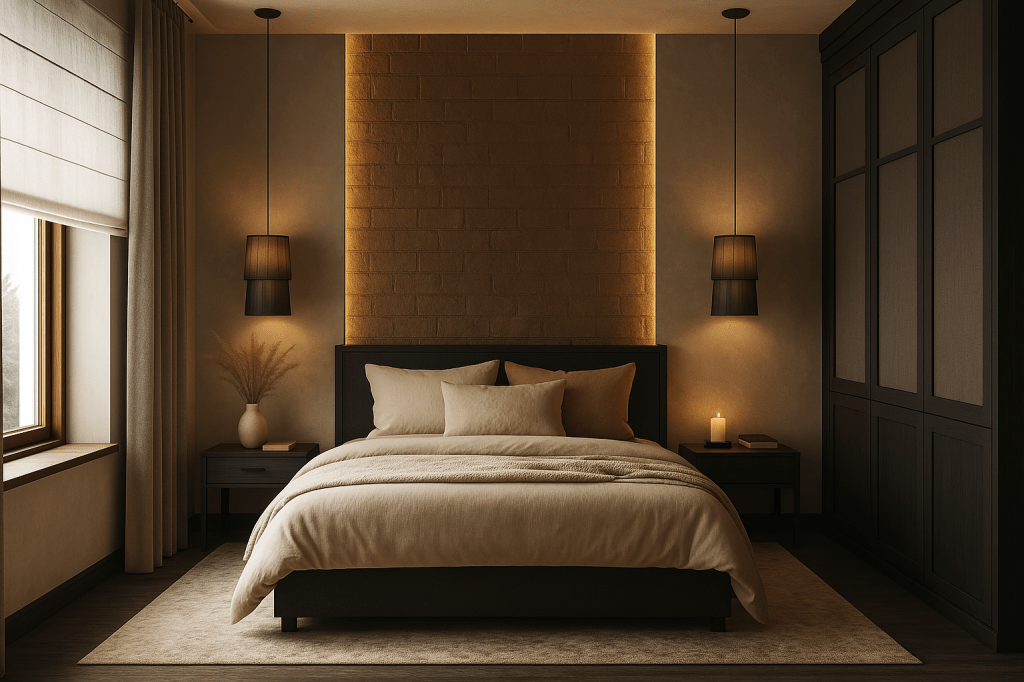
Add a warm bedside lamp, switch to dimmable bulbs, or let in more natural light during the day. - Reduce visual and auditory clutter.
Clear surfaces, organise objects by category, or add soft elements that absorb sound. - Create a sensory corner.
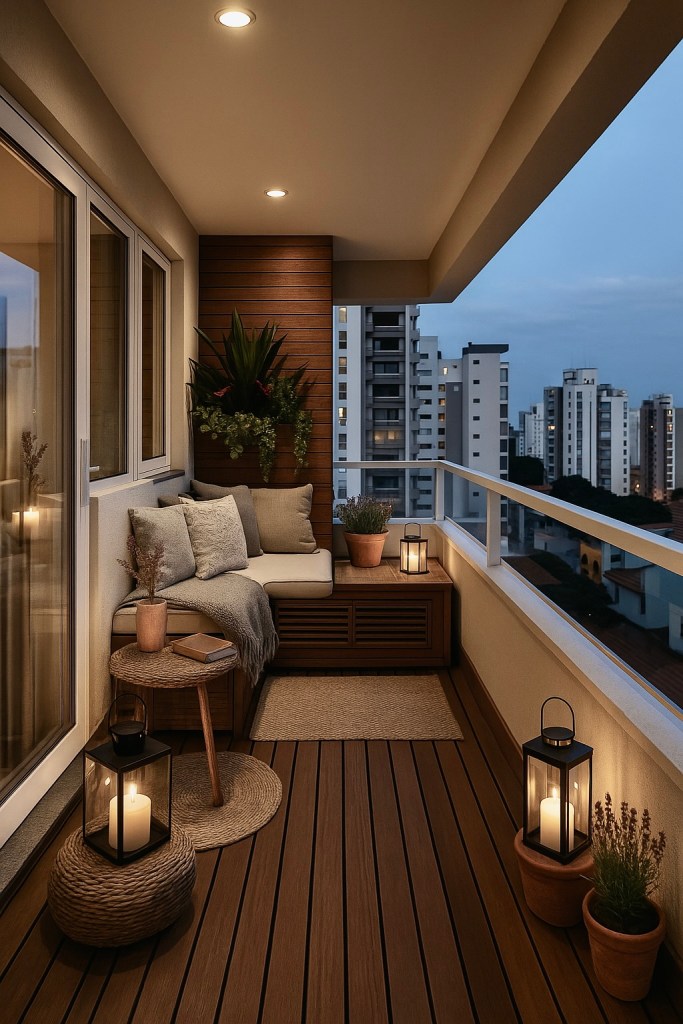
A chair by the window, a soft blanket, a favourite book — even a small spot can become a refuge. - Bring in nature.
Plants, natural materials, or views of greenery help reduce stress and promote balance.
Your Home, Your Nervous System
Our homes shape more than our routines — they shape our mood, our energy, and our ability to rest or connect. Through the lens of neuroarchitecture, we begin to see the spaces we live in not just as functional, but as emotional ecosystems.
By observing how light, sound, layout, textures, and even scent affect us, we can make more mindful choices — small changes that support our wellbeing every single day.
Start with one corner. One light. One feeling.
And if this sparked something in you, share it. Let’s keep the conversation going — your space matters.
References
Edelstein, E. A., & Macagno, E. R. (2012).
Form follows function: Bridging neuroscience and architecture.
NeuroImage, 62(1), 129–137.
→ A foundational paper connecting environmental design with neural processes.
Sternberg, E. M. (2009).
Healing Spaces: The Science of Place and Well-Being.
→ Discusses how environments influence mood, stress, and healing.
Küller, R., Ballal, S., Laike, T., Mikellides, B., & Tonello, G. (2006).
The impact of light and colour on psychological mood: a cross-cultural study.
Journal of Environmental Psychology, 26(3), 195–200.
→ Evidence that lighting and colour affect emotional state.
Kaplan, R., & Kaplan, S. (1989).
The Experience of Nature: A Psychological Perspective.
→ Classic reference on how natural elements reduce stress and support attention restoration.
Bringslimark, T., Hartig, T., & Patil, G. G. (2009).
The psychological benefits of indoor plants: A critical review of the experimental literature.
Journal of Environmental Psychology, 29(4), 422–433.
→ Confirms that indoor greenery can lower stress and enhance wellbeing.
Neuroarchitecture: Could This Movement Lead to Happier Homes? https://www.houzz.co.uk/magazine/neuroarchitecture-could-this-movement-lead-to-happier-homes-stsetivw-vs~126275902
Neuroarchitecture: the solution you need to be happy in your home https://kaleidoscope.es/en/blog/neuroarchitecture-the-solution-you-need-to-be-happy-in-your-home/
 neurotectura.com
3 thoughts on “Designing Calm: How Neuroarchitecture Can Transform Your Home”