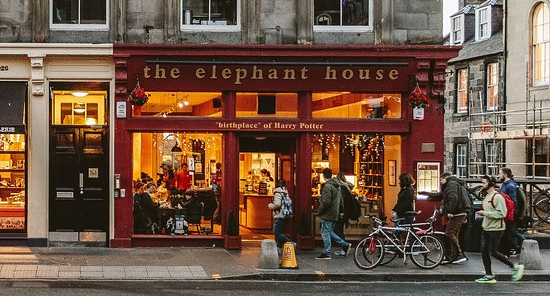
When J.K. Rowling began writing Harry Potter and the Philosopher’s Stone, much of the manuscript was created in Edinburgh cafés, surrounded by the clatter of cups, background conversations, and the aroma of freshly brewed coffee.
The image has become something of a cultural icon: a writer working by a window, immersed in a world of imagination while urban life unfolds around her. Yet for Rowling, the café may have been more than simply a warm refuge from the Scottish weather. The environment itself may have helped her to focus, think, and create.


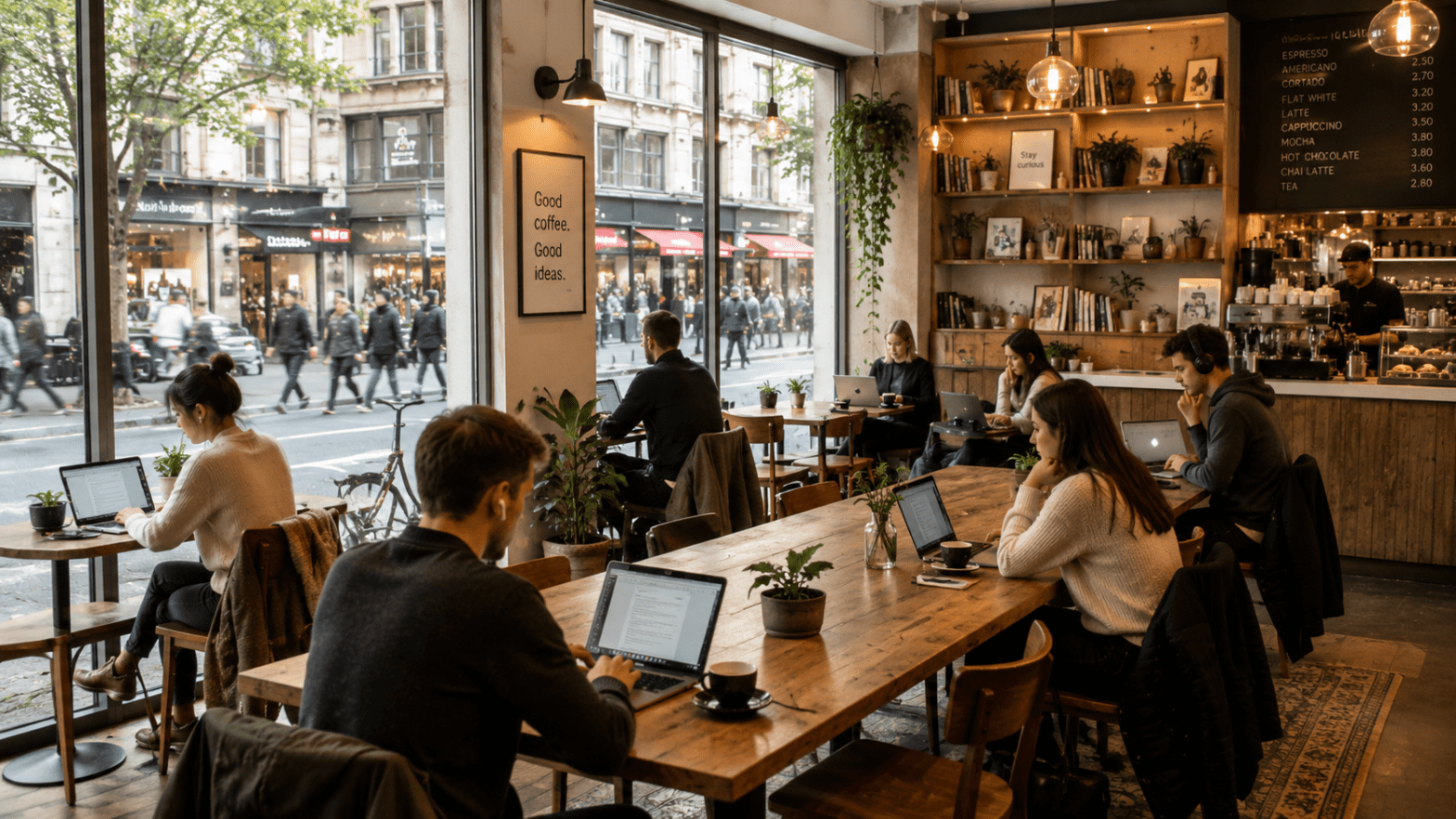
Coffee culture has deeply transformed urban life over the last two decades. In London, the capital of a nation historically associated with tea, cafés have become informal office extensions. They serve as study spaces, emotional sanctuaries, and everyday settings for creative work.
This phenomenon is not unique to London. It is visible in cities like Berlin, Bogotá, Mexico City and Tokyo. Cafés there have become standard spaces for studying, meeting, or working on laptops. Meanwhile, a constant choreography of movement, noise, and social activity happens around them.
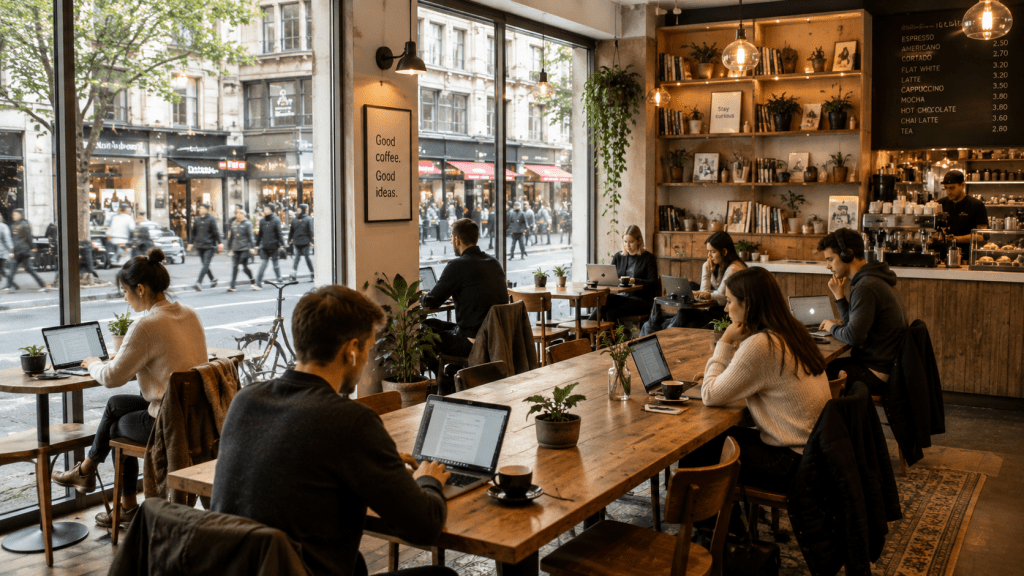
The sound of an espresso machine breaks the silence. Distant conversations blend with clattering plates and opening doors. People move in and out. Soft music plays while screens illuminate the tables. Yet, many people concentrate better here than in the absolute silence of home.
Why does this happen? Sociologist Ray Oldenburg defined these venues as ‘Third Places’. They belong neither to the home nor the formal workplace. However, they play an essential role in people’s social and psychological lives.
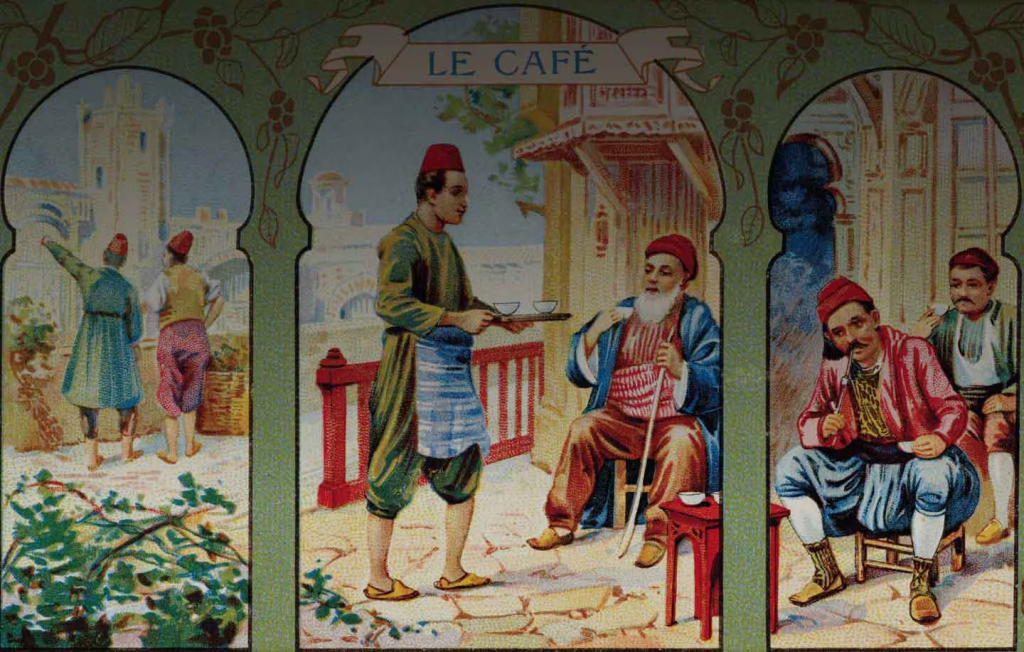
Long before becoming makeshift offices for remote workers, cafés were already operating as spaces for social gathering, political debate, oral storytelling, and intellectual life. The first coffee houses emerged in the Ottoman Empire during the 16th century and rapidly transformed into cultural hubs frequented by poets, merchants, officials, and thinkers.
From Intellectual Circles to Digital Nomads
Although it may seem like a phenomenon tied to remote work and laptops today, the relationship between cafés and creativity has a long history. For centuries, coffee houses and salons functioned as hubs for intellectual, political, and artistic exchange.
The modern history of cafés began in 16th-century Istanbul, where the first kahvehane quickly became spaces frequented by local poets, merchants, officials, and thinkers to play chess, recite poetry, and debate politics.
This vibrant, alcohol-free social culture spread to the rest of Europe during the 17th century via Ottoman Empire trade routes and travellers fascinated by the drink, leading to the opening of iconic venues in cities like Venice, London, and Paris.
Some cafés transformed into true ‘centres of subversion and lucidity’. In England, they were dubbed ‘penny universities’ because, for the price of a cup of coffee, figures of the stature of Isaac Newton, Voltaire, or Benjamin Franklin would gather there. This made coffee houses the ideal breeding ground for the Enlightenment, the planning of political revolutions, and the flourishing of 20th-century artistic avant-gardes.
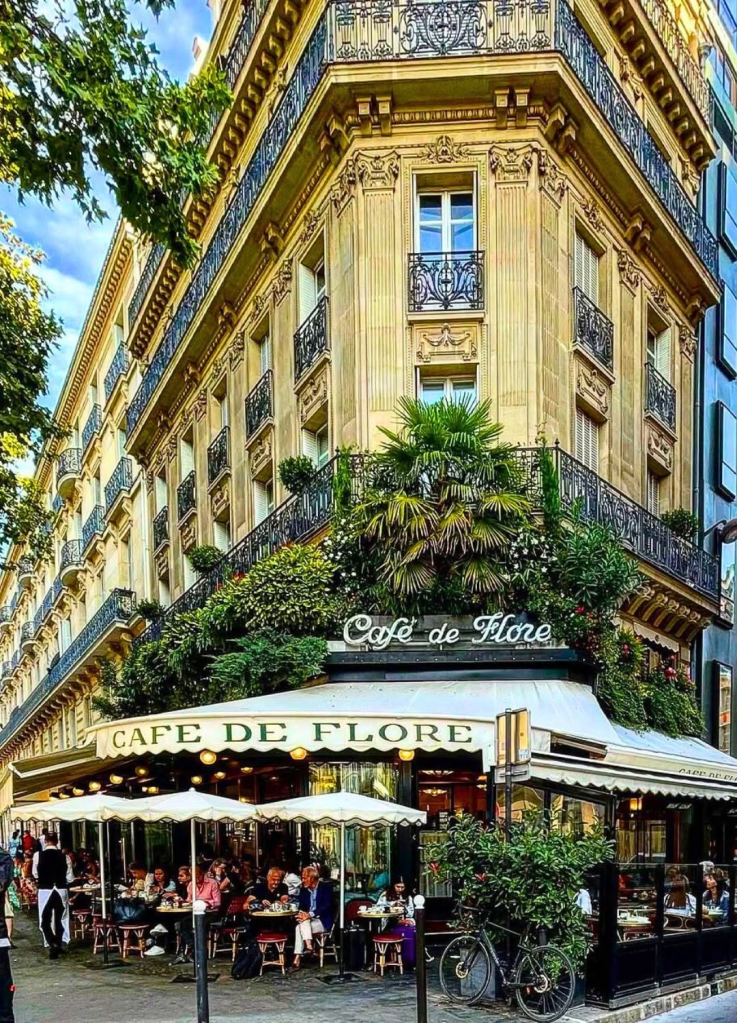
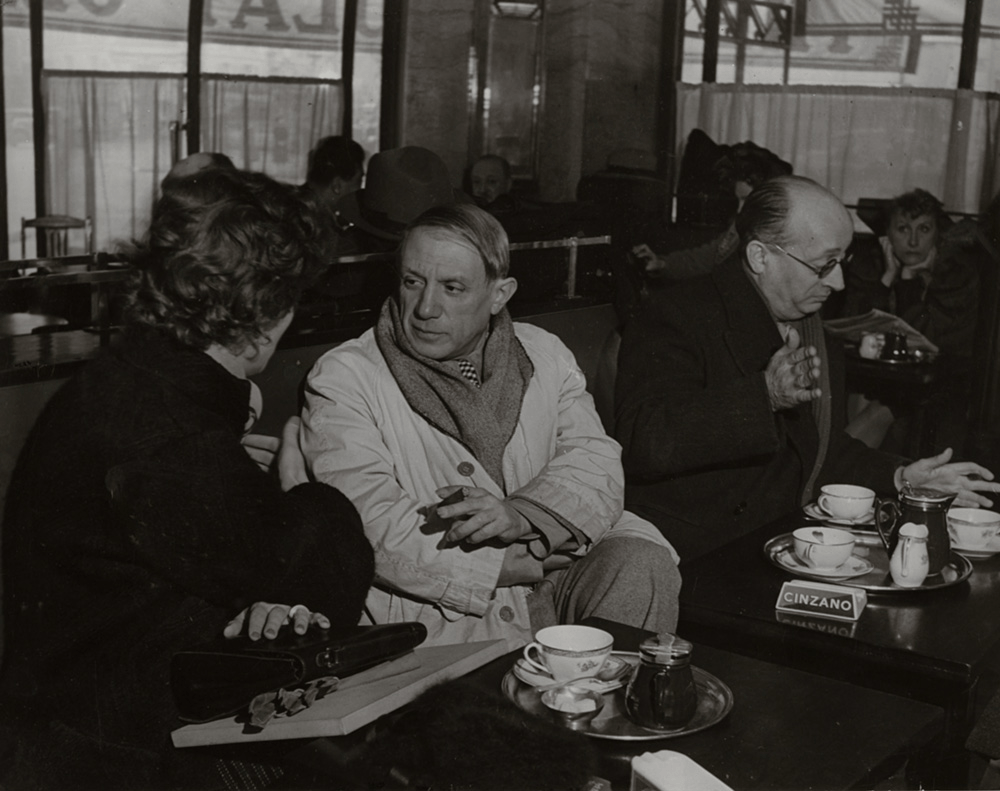
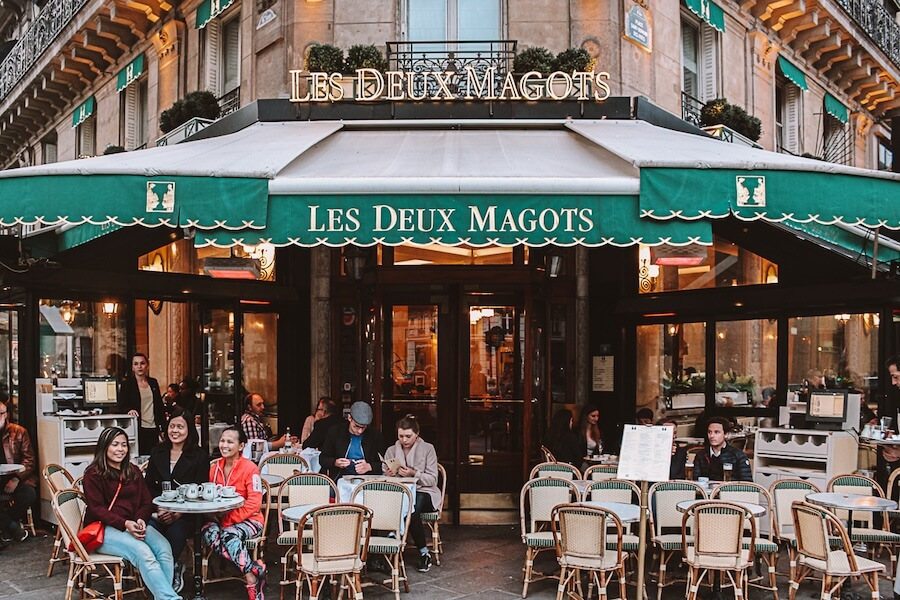
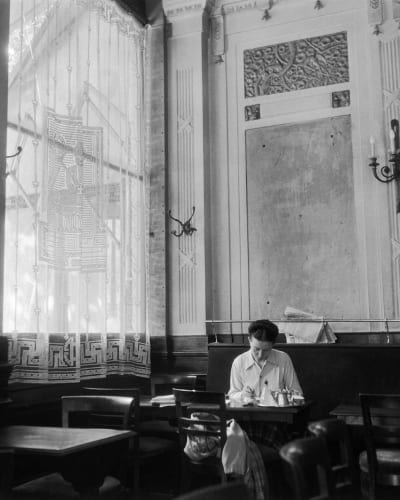
During the first half of the 20th century, Paris cafés became cultural and political epicentres where the brightest minds shaped their masterpieces. In Montparnasse and Saint-Germain-des-Prés, venues like the Café de la Rotonde and the Café de Flore functioned as extensions of the creators’ studios. Pablo Picasso sketched his Cubist experiments on napkins, while Diego Rivera debated revolution and social art.
At neighbouring tables, Jean-Paul Sartre and Simone de Beauvoir drafted their treatises over cups of coffee. Thanks to an atmosphere of unfiltered debate, these cafés transformed into genuine laboratories that gave rise to the artistic avant-gardes and philosophical movements that redefined modern culture.
Long before coworking spaces existed, cafés were already operating as cultural incubators. The difference today is technological. Laptops have replaced notebooks. Video calls have substituted a portion of face-to-face conversations. And the remote worker has transformed the café into a mobile extension of the office. Yet, the human need remains exactly the same: to think in the company of others.
The Brain and the ‘Coffee Effect’
Does creativity need a certain dose of chaos?
For decades, we associated productivity with quiet offices and perfectly controlled environments. However, research suggests that human creativity functions in a far more complex way.
Crucially, what many cafés have succeeded in doing is selling more than just beverages. They have created cognitive and emotional atmospheres.
1. The Noise
A study published in the Journal of Consumer Research found that a moderate level of ambient noise—approximately 70 decibels, similar to a café environment—can foster abstract thinking and the generation of creative ideas.
Absolute silence can produce a cognitively rigid environment.
In contrast, a moderately stimulating atmosphere introduces a slight ‘mental friction’ that forces the brain to process information less automatically.
This is not about extreme distraction. It is about controlled stimulation.
The constant murmur, peripheral movement, and variable sounds create a kind of dynamic cognitive landscape. This keeps the brain alert without completely overwhelming it. This balance between stimulus and control can help the brain enter more flexible, associative, and creative states of mind.
2. The Audience Effect: Contagious Concentration
There is another interesting psychological phenomenon at play: we tend to synchronise with the collective behaviour of our surroundings.
Seeing other people reading, writing, designing, or working activates social imitation mechanisms linked to attention and motivation.
This phenomenon relates to the concept of ‘social facilitation’, originally theorised by psychologist Norman Triplett at the end of the 19th century. The theory suggests that the mere presence of others doing similar activities can raise our levels of arousal, energy, and performance in certain tasks.
The brain interprets the environment as a shared focus space. Perhaps because of this, many people feel less lonely working among strangers than working isolated at home.
The contemporary café thus becomes a form of ‘accompanied solitude’: an experience where privacy exists alongside a sense of belonging.
3. Breaking the Routine Also Stimulates the Mind
Spatial repetition can push the brain into autopilot.
Always working in the same room, at the same desk, and under the same sensory conditions progressively reduces perceptual novelty.
Changing your environment alters small variables: lighting, temperature, sounds, foot traffic, aromas, and visual perspectives.
Neuroscience has shown that spatial novelty stimulates attention and promotes neuroplasticity, especially in tasks related to problem-solving, learning, and creative thinking.
Moving your body to another environment also forces the brain to partially reorganise its attention patterns.
In other words, changing your space can help change your perspective.
4. Emotional Architecture
Not all cafés generate the same psychological experience.
The most successful spaces usually combine sensory principles that encourage both concentration and long stays:
- Warm, well-distributed lighting
- Natural materials like wood and stone
- Moderate ambient sounds
- High ceilings or a sense of spaciousness
- Flexible furniture
- A visual connection to the street
- Constant aromas associated with coffee and pastries
- A balance between privacy and social life
Many contemporary cafés function—even without explicitly intending to—as intuitive exercises in neuroarchitecture. This is likely because the modern café has transformed into a hybrid extension of the office, an urban refuge, and a social space. Architects, designers, programmers, writers, and students now share the same ritual: working surrounded by moderate noise, movement, and a human presence.
Rather than just selling coffee, many of these spaces sell a cognitively stimulating atmosphere designed to foster focus, creativity, and a sense of belonging.
The Modern Tension: Creative Spaces or Free Offices?
The growing presence of remote workers has even given rise to new hybrid models known as ‘coffices’—a blend of café and office—which are particularly popular in Europe and Asia.
In cities like Berlin, Tokyo, and Moscow, concepts like ‘anti-cafés’ have appeared. Here, customers do not pay for the coffee or drinks, but exclusively for the time they spend in the venue. The consumption of coffee, tea, and snacks is usually included for free, while the fee is calculated by the minute or hour.
This model reveals a significant cultural transformation: the primary product is no longer the beverage, but the environment.
In these spaces, the true commercial value lies in the atmosphere, connectivity, psychological comfort, and the opportunity to work surrounded by a moderate social presence.
In other words, the contemporary café no longer solely sells caffeine. It sells a cognitive environment.
Conclusion: The Future of Work is Mobile, Hybrid, and Human
Perhaps the rise of cafés as workspaces reveals something deeper about modern life.
After decades of rigid offices and digital isolation, many people are looking for more human, flexible, and emotionally stimulating environments.
The café offers something difficult to measure but easy to feel: a blend of anonymity, social energy, and freedom.
Working there is not just about consuming caffeine. It is a way to escape monotony, regain movement, and reconnect with the feeling of belonging to a vibrant city.
Perhaps that is why we keep looking for tables by a window, the sound of an espresso machine, and the background murmur of other lives happening all at once.
Because, sometimes, creativity needs less silence… and more humanity.
What about you? Are you someone who needs absolute silence to concentrate, or do you think better with the background murmur of a café?
 neurotectura.com