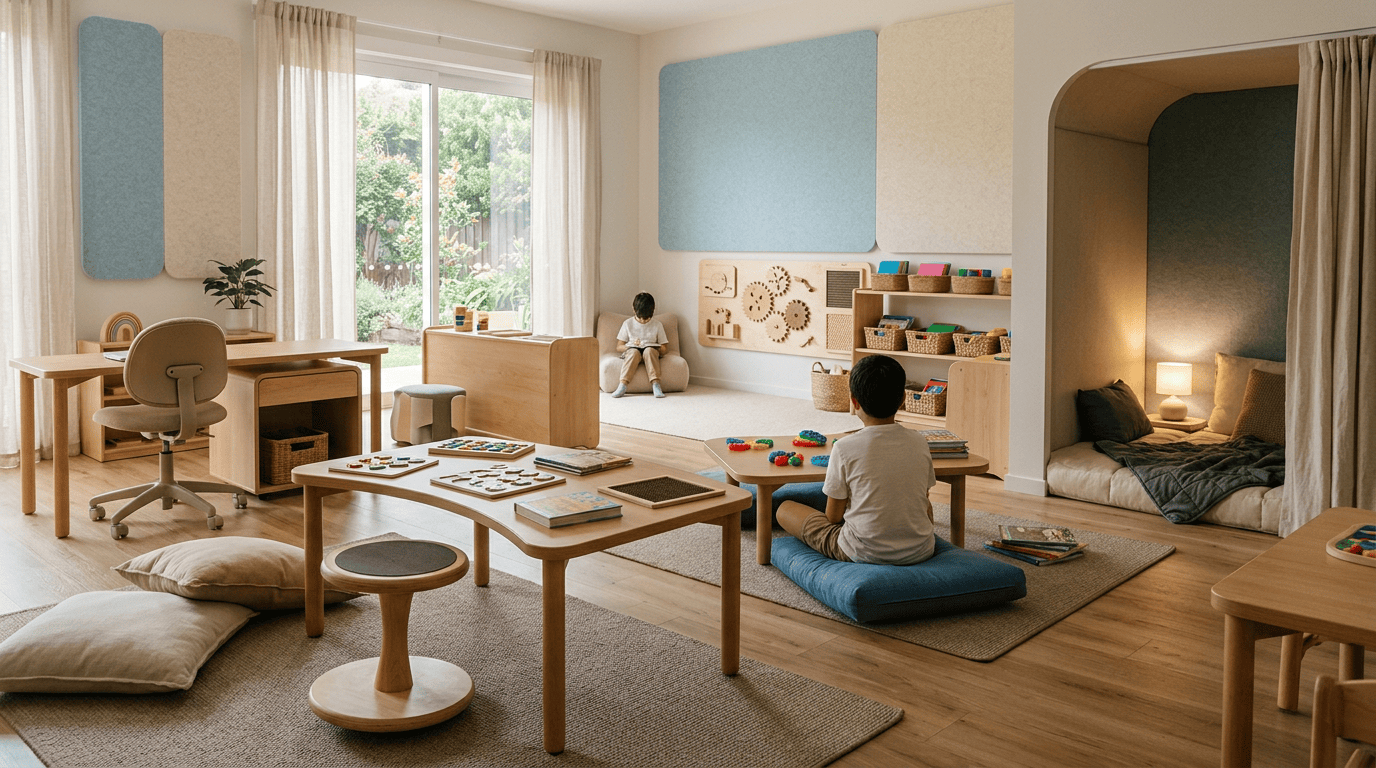
A conversation with Colombian psychologist and neuropsychologist María del Pilar Pinzón Rueda As architects and designers, we tend to approach a project through function, aesthetics, cost and building regulations. But there’s a question we rarely ask in enough depth: how does the person inhabiting this space actually experience it? The brain is not a passiveContinueContinue reading “Designing for Diversity: Why Inclusion Should Be Every Architect’s Job”
Category Archives: Environmental Psychology
What Makes a City Good to Live In — and Who Gets to Decide?

Copenhagen is the world’s most liveable city. Liveability rankings measure the conditions cities provide. But cities are not experienced as numbers. They are experienced through perception, memory, emotion and the body. Every year, cities compete for the title of the world’s most liveable, most beautiful, happiest or most desirable. The language changes, the methodologies differ,ContinueContinue reading “What Makes a City Good to Live In — and Who Gets to Decide?”
The Neuroarchitecture of Rest: Moving Beyond the Office Sleep Pod

Abstract layered landscape with glowing pathways and a warm central chamber
Cómo la percepción determina la verdadera medida del diseño

Un puente de vidrio puede ser perfectamente seguro y, aun así, resultar difícil de cruzar. La estructura puede haber sido diseñada para soportar cargas enormes, y el vidrio puede haber sido cuidadosamente probado y estar firmemente sujeto. Desde el punto de vista de la ingeniería, quizá no haya ninguna razón para temerlo. Sin embargo, paraContinueContinue reading “Cómo la percepción determina la verdadera medida del diseño”
How Perception Shapes the True Measure of Design
A glass bridge can be perfectly safe and still be difficult to cross. The structure may have been engineered to withstand enormous loads, and the glass may have been carefully tested and securely supported. From an engineering perspective, there may be no reason to fear it. Yet for many people, standing on a transparent floorContinueContinue reading “How Perception Shapes the True Measure of Design”
What Does Nature Actually Restore?

A quiet timber-lined study alcove overlooking trees, separated by an acoustic screen from a busier circulation space.
La misma aula, diferentes resultados

La misma aula. El mismo docente. El mismo currículo. Sin embargo, los resultados pueden ser sorprendentemente diferentes. ¿Por qué? Con frecuencia buscamos explicaciones en los métodos de enseñanza, la motivación, las capacidades o las circunstancias familiares. Aunque estos factores son importantes, no explican por sí solos las diferencias en los resultados. El aprendizaje no esContinueContinue reading “La misma aula, diferentes resultados”
The Same Classroom, Different Outcomes
Same classroom. Same teacher. Same curriculum. Yet the outcomes can be remarkably different. Why? We often look for explanations in teaching methods, motivation, ability, or family circumstances. While these factors matter, they do not tell the whole story. Learning is not an isolated cognitive event; it emerges from the continuous interaction between a learner’s brain,ContinueContinue reading “The Same Classroom, Different Outcomes”
Why We Love High Ceilings: What a 1978 Study Still Tells Us
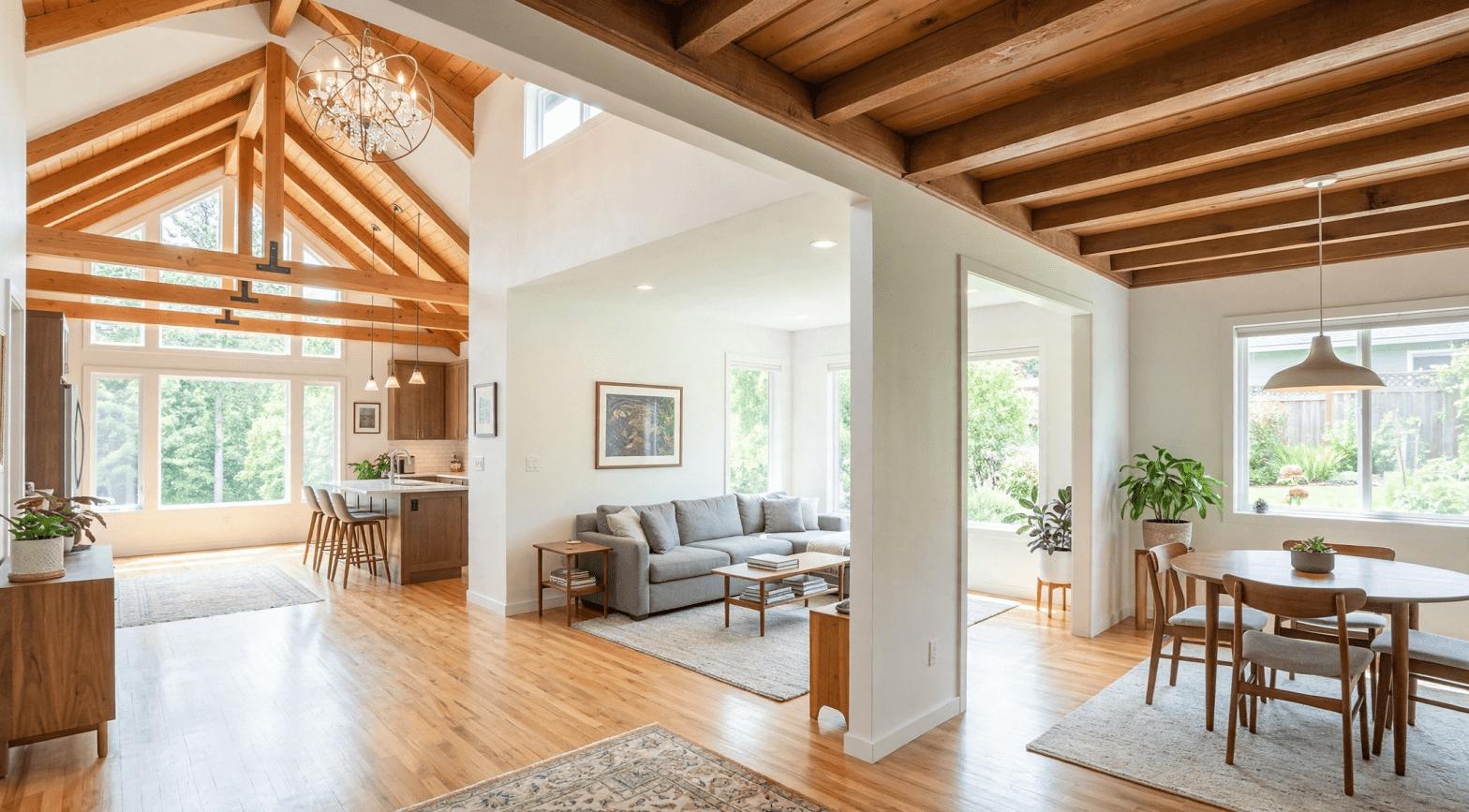
If you were buying a house, would you prefer high or low ceilings? A flat ceiling or a sloping one? Walk into a room with a low ceiling and you instantly feel a little more contained. Walk into one with a high ceiling and you breathe differently. We all know this intuitively. This double-height livingContinueContinue reading “Why We Love High Ceilings: What a 1978 Study Still Tells Us”
El efecto catedral: cómo la altura del techo moldea la cognición espacial
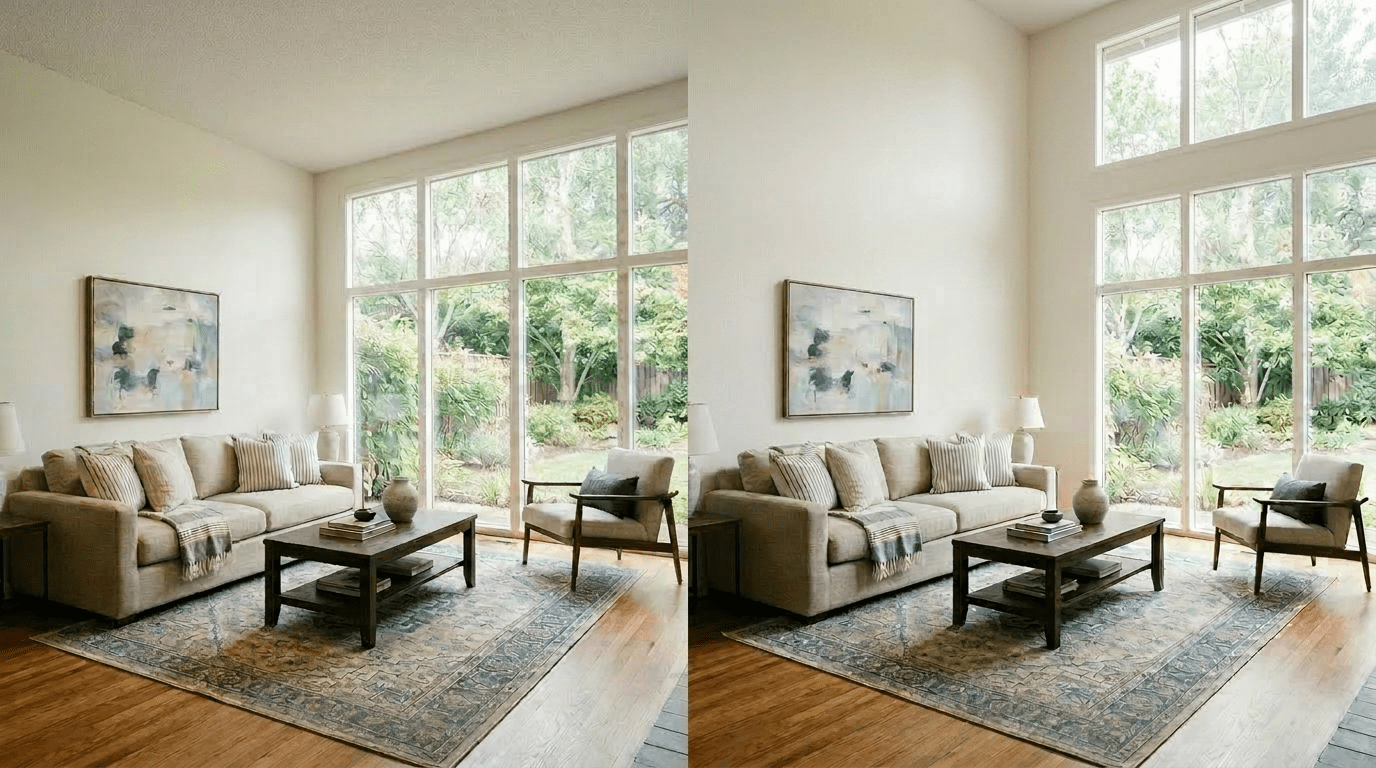
Imagina entrar en dos habitaciones con exactamente las mismas dimensiones en planta. La primera tiene un techo bajo que dirige tu atención hacia abajo, concentrándola en la tarea inmediata que tienes delante. La segunda se eleva varios metros sobre tu cabeza, invitando a levantar la mirada y ampliando tu percepción del espacio. Nada más cambia,ContinueContinue reading “El efecto catedral: cómo la altura del techo moldea la cognición espacial”

