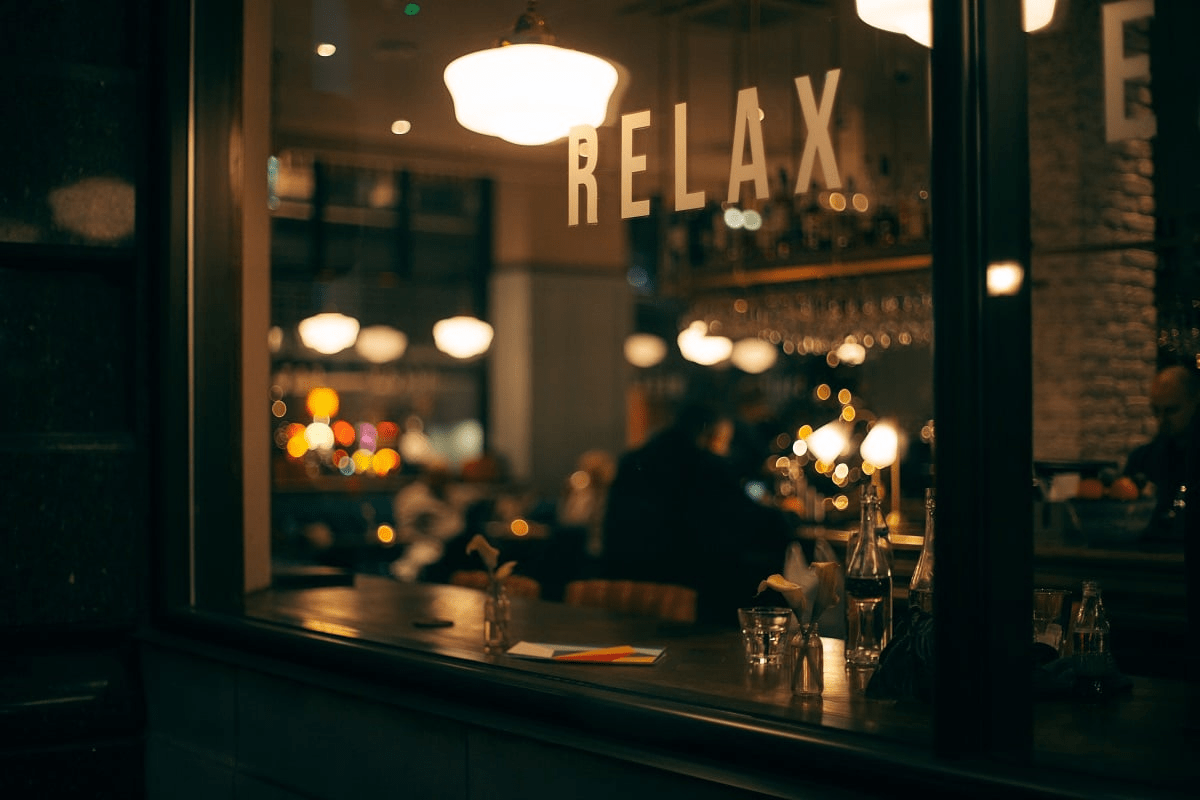
Imagine walking into a shop where the lights are too bright, the music is loud, and the layout feels like a maze. For many neurodivergent customers, this is not a rare inconvenience—it’s an everyday reality.
Or picture this:
A family gathers in a restaurant to celebrate a special occasion. Among them is a baby who, overwhelmed by the noise, lighting, and crowded space, begins to cry non-stop. The parents grow increasingly anxious as other customers glance over, visibly uncomfortable. They try to soothe the baby, but the sensory overload only worsens. Within minutes, the joyful celebration is spoiled—not just for the family, but for others too.

Sensory challenges do not affect only the person experiencing them—they ripple outward, impacting families, friends, and even strangers nearby.
For neurodivergent clients, this is an all-too-familiar experience. But it doesn’t have to be inevitable. Small businesses have a unique opportunity: to design experiences that truly welcome neurodivergent clients while also increasing loyalty, reputation, and sales.
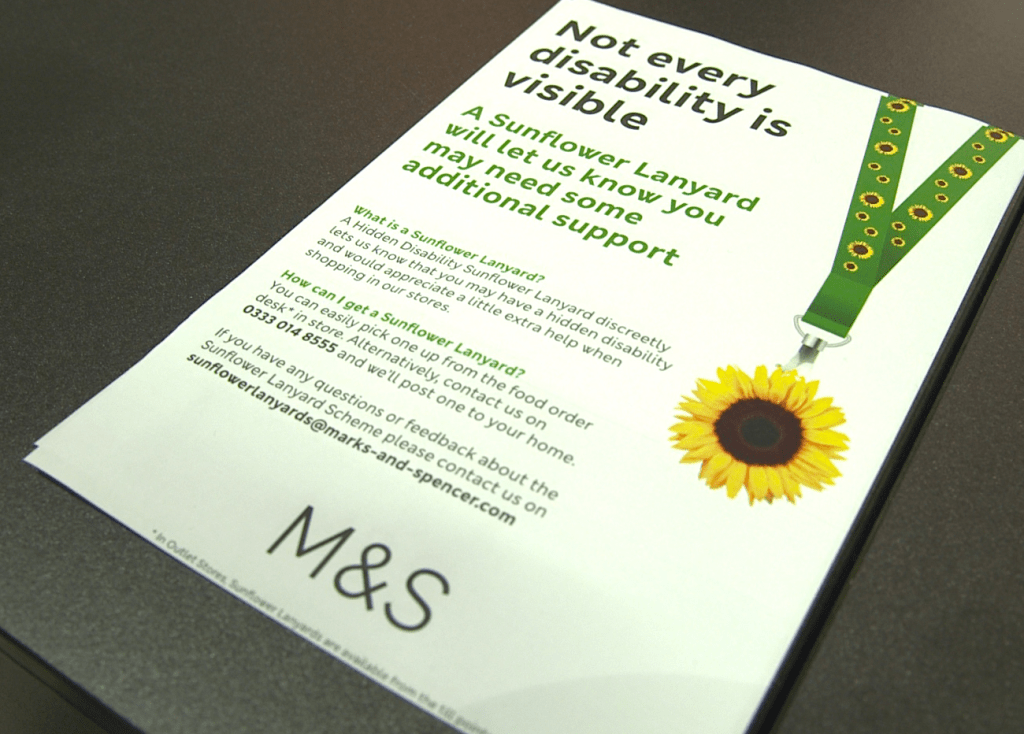
Promoting accessibility, the Sunflower Lanyard scheme by Marks & Spencer signals to staff that a customer may have a hidden disability and may need additional support.
Why neuroinclusive design matters for your business
Neurodivergent people—including those with autism, ADHD, sensory processing differences, and other cognitive variations—represent a significant and often underserved market.
In the UK alone, the “purple pound”, which refers to the spending power of disabled and neurodivergent households, is estimated at £274 billion annually. Yet, many businesses still overlook this audience, losing out on both revenue and trust.
Scientific research highlights that neurodivergent individuals may process sensory input, executive functions (like planning or decision-making), and social cues differently. These differences can make many traditional business environments—whether physical or digital—confusing or even distressing.
By integrating neuroinclusive design principles, businesses can:
- Improve customer experience for all clients.
- Increase customer retention.
- Enhance brand reputation for accessibility and empathy.
- Tap into a loyal and often vocal community that values inclusive spaces.

A sensory map illustrating different areas, highlighting noisy, quiet, and crowded spaces to support neurodivergent visitors.
Practical ways to support neurodivergent clients
Here are simple, impactful changes you can make:
Physical Space
- Lighting: Use soft, adjustable lighting. Avoid flickering bulbs or harsh fluorescents.
- Sound: Keep background music low. Offer quiet hours with reduced noise.
- Clear Layout: Design spaces that are easy to navigate with visible, simple signage.
- Sensory Zones: If possible, provide a quiet or low-stimulation area.
Online Presence
- Clear Navigation: Simple menus and logical page flows.
- Avoid Surprises: No sudden pop-ups or autoplay videos.
- Text Alternatives: Use alt text for images and easy-to-read fonts.
- Flexible Communication: Offer multiple ways to contact you (email, chat, phone).
Staff Training
- Provide basic neurodiversity awareness training.
- Teach staff to be patient and avoid making assumptions about behaviours.
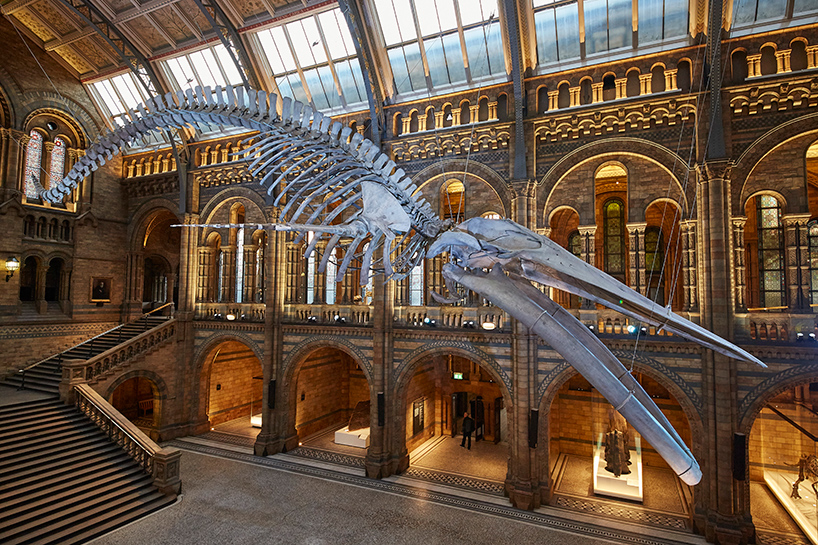
The museum has a special access, activities and areas to support neurodivergent visitors.
Real-world examples
Retail and Supermarkets
- Marks & Spencer (M&S) has implemented Sunflower Lanyards across all UK stores, discreetly signalling that a customer may have a hidden disability and may need additional support. This initiative is part of their broader commitment to becoming the UK’s most accessible retailer.
- Sainsbury’s and Morrison’s both offer quiet hours, reducing lighting and in-store noise to create calmer shopping experiences, originally developed in consultation with autistic customers and their families.
Entertainment and Cultural Venues
- The Neurodiverse Museum initiative in the UK is leading efforts to make cultural spaces more accessible and welcoming for neurodivergent individuals. By involving neurodivergent people in the design of sensory experiences, interpretative materials, and staff training, the project demonstrates how museums and public institutions can become truly inclusive environments—not just physically, but cognitively and emotionally. Neurodivergency includes autism, ADHD, ADD, dyslexia, OCD, ODD, dyspraxia, dyscalculia, dysgraphia, and other variations.
- Major venues like the Science Museum and the Natural History Museum in London offer Early Bird or Sensory Friendly mornings, with lower visitor numbers and tailored sensory environments.
- Many UK theatres, cinemas, and museums now provide relaxed performances and sensory-friendly screenings. These include reduced sound levels, dimmed lights, and relaxed rules about movement and noise in the audience, supported by guidance from the National Autistic Society.
Libraries and Community Spaces
- Inspire Libraries (Nottinghamshire) host neurodivergent-friendly events such as relaxed rhyme sessions and creative writing workshops tailored for autistic individuals.
- Many public libraries across the UK participate in the Autism Friendly Libraries programme, adapting their environments and staff training to meet the needs of neurodivergent users.
Public Transport
- Transport for London (TfL) has partnered with BILD and People First to improve services for autistic people and individuals with learning disabilities, making public transport more inclusive and easier to navigate.

Small business: Low-cost tips to get started
Highlight your efforts publicly—neurodivergent clients actively seek businesses that show awareness and care.
Survey your neurodivergent customers or local community for feedback.
Start small: even changing your lighting or offering quiet hours makes a difference.
Beyond accessibility: Building loyalty through understanding
Neuroinclusive design is not just a checklist. It’s an ongoing commitment to understanding and adapting. Small businesses have the flexibility and creativity to lead this movement—not just making their spaces accessible, but making them feel like sanctuaries.
What would it mean for your business—not just to be accessible, but to become a sanctuary for neurodivergent customers who feel truly understood?
Now Is the Time to Act
Creating neuroinclusive environments is not only the right thing to do—it’s a smart, sustainable business strategy that strengthens communities and empowers customers.
For additional guidance and resources, visit the National Autistic Society’s accessibility resources or consult local neurodiversity consultants.
References
Sainsbury’s leads the UK’s supermarkets in pledging support to Autism Hour https://www.about.sainsburys.co.uk/news/latest-news/2017/autism-hour-29092017#:~:text=Sainsbury’s%20leads%20the%20UK’s%20supermarkets%20in%20pledging,create%20a%20more%20autism%20friendly%20shopping%20environment.
M&S Continue with its commitment to be the UK’s most accessible retailer and introduces the sunflower lanyard to all UK stores. https://corporate.marksandspencer.com/media/press-releases/m-and-s-continues-with-its-commitment-to-be-the-uks-most-accessible-retailer-and-introduces-sunflower-lanyards-to-all-uk-stores
Sainsbury’s becomes first retailer to trial Slow Shopping concept https://www.about.sainsburys.co.uk/news/latest-news/2016/29-08-2016
TfL joins forces with Bild and People First to help improve services https://tfl.gov.uk/info-for/media/press-releases/2023/november/tfl-joins-forces-with-bild-and-people-first-to-help-improve-services-for-people-with-autism-learning-disabilities#:~:text=TfL%20is%20committed%20to%20making,may%20not%20be%20immediately%20obvious.
Accessible services https://www.autism.org.uk/what-we-do/autism-know-how/autism-accreditation/autism-friendly-award/guides-and-resources/accessible-service
Bringing Disabled People and Businesses Together https://wearepurple.org.uk/about-us-purple/
British Museum Sensory Map https://www.britishmuseum.org/sites/default/files/2023-11/British-Museum-Sensory-Map_2023.pdf
Autism friendly libraries https://www.autismfriendly.uk/autism-friendly-venues/libraries/#:~:text=share%20this,if%20some%20changes%20were%20made.
Disability and access to leisure https://www.iriss.org.uk/resources/esss-outlines/disability-access-leisure
Neurodiversity in Retail https://quininedesign.com/perspectives/neurodiversity-in-retail
 neurotectura.com