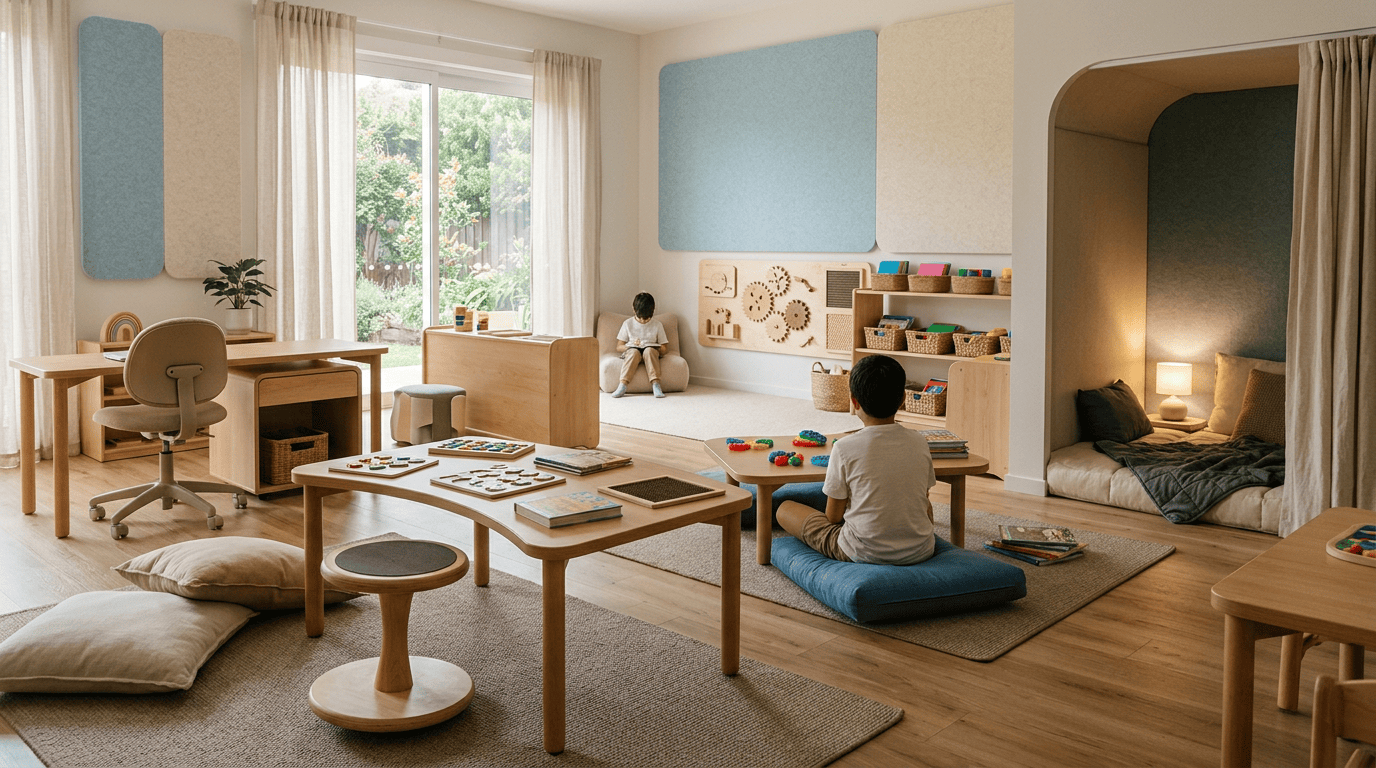
A conversation with Colombian psychologist and neuropsychologist María del Pilar Pinzón Rueda As architects and designers, we tend to approach a project through function, aesthetics, cost and building regulations. But there’s a question we rarely ask in enough depth: how does the person inhabiting this space actually experience it? The brain is not a passiveContinueContinue reading “Designing for Diversity: Why Inclusion Should Be Every Architect’s Job”
Category Archives: neurodiversity
The Neuroarchitecture of Rest: Moving Beyond the Office Sleep Pod

Abstract layered landscape with glowing pathways and a warm central chamber
The Cathedral Effect: How Ceiling Height Shapes Spatial Cognition
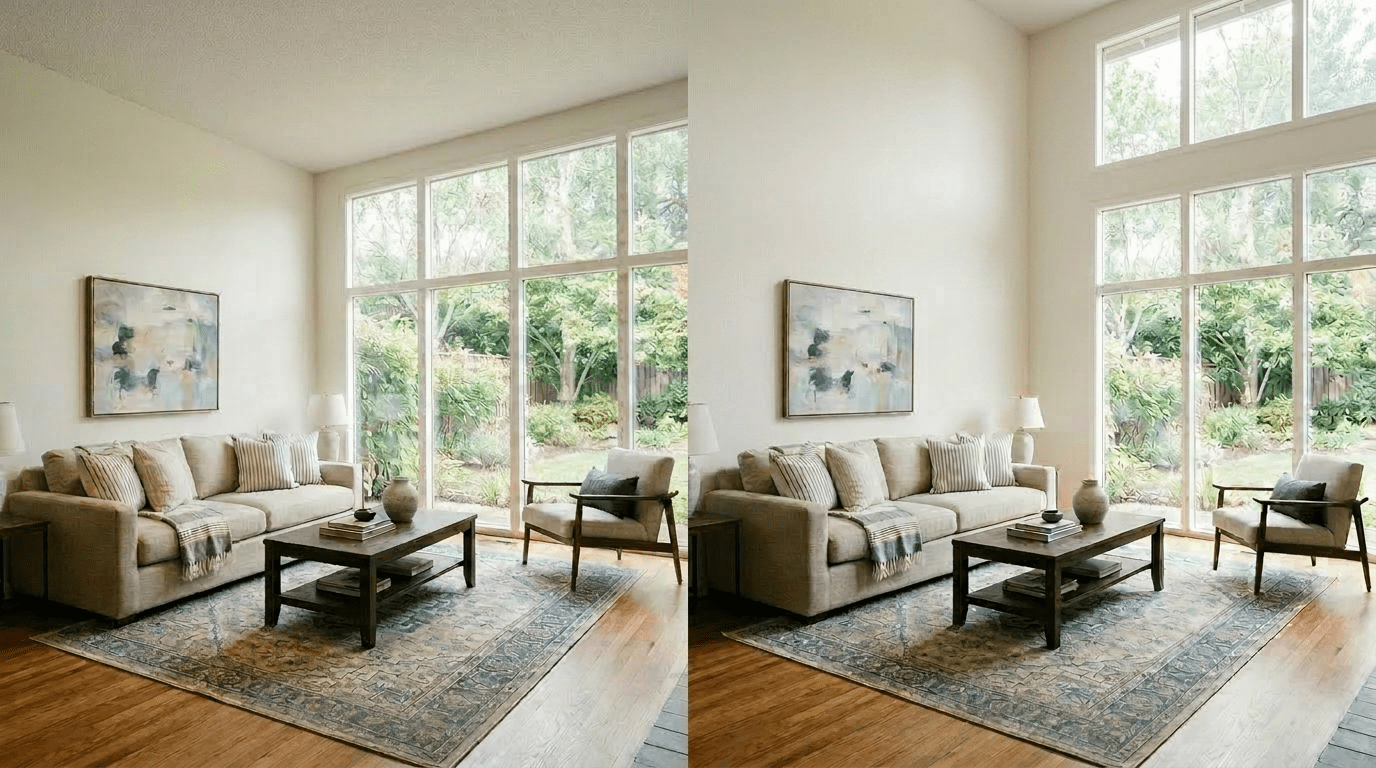
Imagine walking into two rooms of identical footprints. The first has a low ceiling that draws your focus downward, pinning your attention to the task immediately in front of you. The second soars overhead, pulling your gaze up and out. Nothing else changes, yet your brain shifts gears — altering your perception, attention, and approachContinueContinue reading “The Cathedral Effect: How Ceiling Height Shapes Spatial Cognition”
Autism in Emergencies: What Yoar’s Story Reveals About Neuroarchitecture and Disaster Relief

A few days ago, we woke to the heartbreaking news of powerful earthquakes that devastated several areas of Venezuela. As always, disasters like these remind us of how fragile our systems can be when confronted with the unpredictable forces of nature. It is in times of crisis that the cracks in our society become mostContinueContinue reading “Autism in Emergencies: What Yoar’s Story Reveals About Neuroarchitecture and Disaster Relief”
Inclusive Design Beyond Accessibility

Why Architecture Must Respond to Human Diversity For decades, inclusive design in architecture was often understood through a relatively narrow lens: accessibility regulations, ramps, lifts, wider doors, and compliance checklists. While these interventions remain essential, contemporary research in neuroscience, psychology, and human-centred design suggests that true inclusion extends far beyond physical mobility. Architecture does notContinueContinue reading “Inclusive Design Beyond Accessibility”
Aggressive Behaviour and Environmental Overload

When Space Overwhelms Us: From Stimulus to Behaviour A child walks back into the classroom after break. Just moments before, they were running, laughing and playing without any difficulty. But as they cross the threshold, something shifts. The noise feels louder, the voices of classmates become unsettling, and the light seems harsher than before. SmallContinueContinue reading “Aggressive Behaviour and Environmental Overload”
Neurodiversity and Architecture: From Awareness to Inclusion (April Focus)

Every 2 April, global attention turns to autism. The date was established in 2007, when the United Nations adopted Resolution A/RES/62/139, giving rise to World Autism Awareness Day, first observed in 2008. Far from being a purely symbolic gesture, this initiative responded to an urgent need: to make visible the lives of millions of peopleContinueContinue reading “Neurodiversity and Architecture: From Awareness to Inclusion (April Focus)”
Housing Crisis and Neurodiversity: A Hidden Human Emergency

Across the world, access to safe and secure housing has become one of the defining social crises of the 21st century. In many countries, rising rents, shrinking social housing supply, and stagnant wages have made long-term stability increasingly unattainable. Nations such as Australia and Canada are among those most severely affected, reflecting a global patternContinueContinue reading “Housing Crisis and Neurodiversity: A Hidden Human Emergency”
How Neuroarchitecture Can Help the ADHD Mind Thrive

Imagine a typical work morning: you have an urgent report to finish, a list of tasks waiting, and a firm intention to stay focused and make progress. You sit down to work, but a stream of external and internal stimuli begins to interfere: a noise from the street, an intrusive thought, a sudden idea. NothingContinueContinue reading “How Neuroarchitecture Can Help the ADHD Mind Thrive”
Neuroarchitecture: How Eye Tracking is Transforming Design

We know that children’s attention is brief by nature. In the case of children with ADHD or other neurodivergent conditions, that window may be even shorter, more fragmented, and more sensitive to the environment. However, most school spaces are still designed as if all students have the same ability to focus, filter stimuli, and orientContinueContinue reading “Neuroarchitecture: How Eye Tracking is Transforming Design”

