
Un estudiante aparta la mirada mientras el docente habla. Otro golpea repetidamente el lápiz, se balancea en la silla o pide salir del salón. Un tercero realiza muy poco trabajo, aunque parece comprender el tema. Estos comportamientos pueden interpretarse como falta de atención, desmotivación o poca disposición para participar. Sin embargo, es posible que laContinueContinue reading “Cuando el aula compite con el aprendizaje”
Tag Archives: neurodiversity
When the Classroom Competes With the Lesson
A student looks away while the teacher is speaking. Another repeatedly taps a pencil, rocks in their chair or asks to leave the room. A third completes very little work despite appearing to understand the subject. These behaviours may be interpreted as inattentiveness, lack of motivation or unwillingness to participate. Yet the difficulty may notContinueContinue reading “When the Classroom Competes With the Lesson”
Diseño inclusivo más allá de la accesibilidad
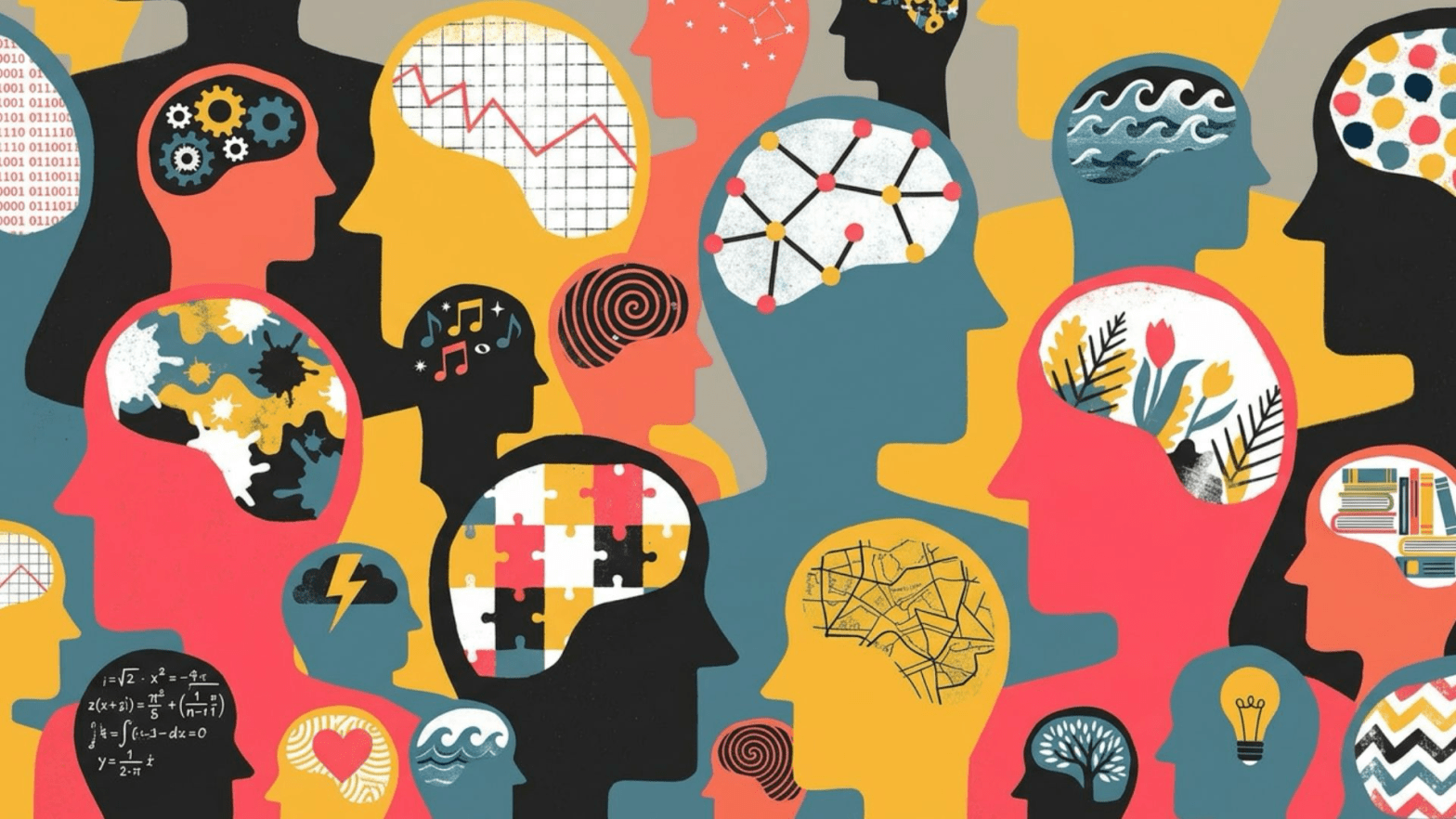
¿Por qué la arquitectura debe responder a la diversidad humana? Durante décadas, el diseño inclusivo en arquitectura se entendió principalmente desde la perspectiva de la accesibilidad: rampas, ascensores, puertas más amplias y cumplimiento normativo. Aunque estas medidas siguen siendo esenciales, las crecientes investigaciones en neurociencia, psicología y diseño centrado en las personas sugieren que laContinueContinue reading “Diseño inclusivo más allá de la accesibilidad”
Inclusive Design Beyond Accessibility
Why Architecture Must Respond to Human Diversity For decades, inclusive design in architecture was often understood through a relatively narrow lens: accessibility regulations, ramps, lifts, wider doors, and compliance checklists. While these interventions remain essential, contemporary research in neuroscience, psychology, and human-centred design suggests that true inclusion extends far beyond physical mobility. Architecture does notContinueContinue reading “Inclusive Design Beyond Accessibility”
Neurodiversity and Architecture: From Awareness to Inclusion (April Focus)
Every 2 April, global attention turns to autism. The date was established in 2007, when the United Nations adopted Resolution A/RES/62/139, giving rise to World Autism Awareness Day, first observed in 2008. Far from being a purely symbolic gesture, this initiative responded to an urgent need: to make visible the lives of millions of peopleContinueContinue reading “Neurodiversity and Architecture: From Awareness to Inclusion (April Focus)”
Crisis de la vivienda y neurodiversidad: una emergencia humana invisible

El acceso a una vivienda segura y estable se ha convertido en una de las crisis sociales más determinantes del siglo XXI a nivel global. En numerosos países, el aumento sostenido de los alquileres, la reducción de la oferta de vivienda social y el estancamiento de los salarios han hecho que la estabilidad residencial aContinueContinue reading “Crisis de la vivienda y neurodiversidad: una emergencia humana invisible”
Housing Crisis and Neurodiversity: A Hidden Human Emergency
Across the world, access to safe and secure housing has become one of the defining social crises of the 21st century. In many countries, rising rents, shrinking social housing supply, and stagnant wages have made long-term stability increasingly unattainable. Nations such as Australia and Canada are among those most severely affected, reflecting a global patternContinueContinue reading “Housing Crisis and Neurodiversity: A Hidden Human Emergency”
Neurodiversity and Architecture: Keys to an Inclusive World
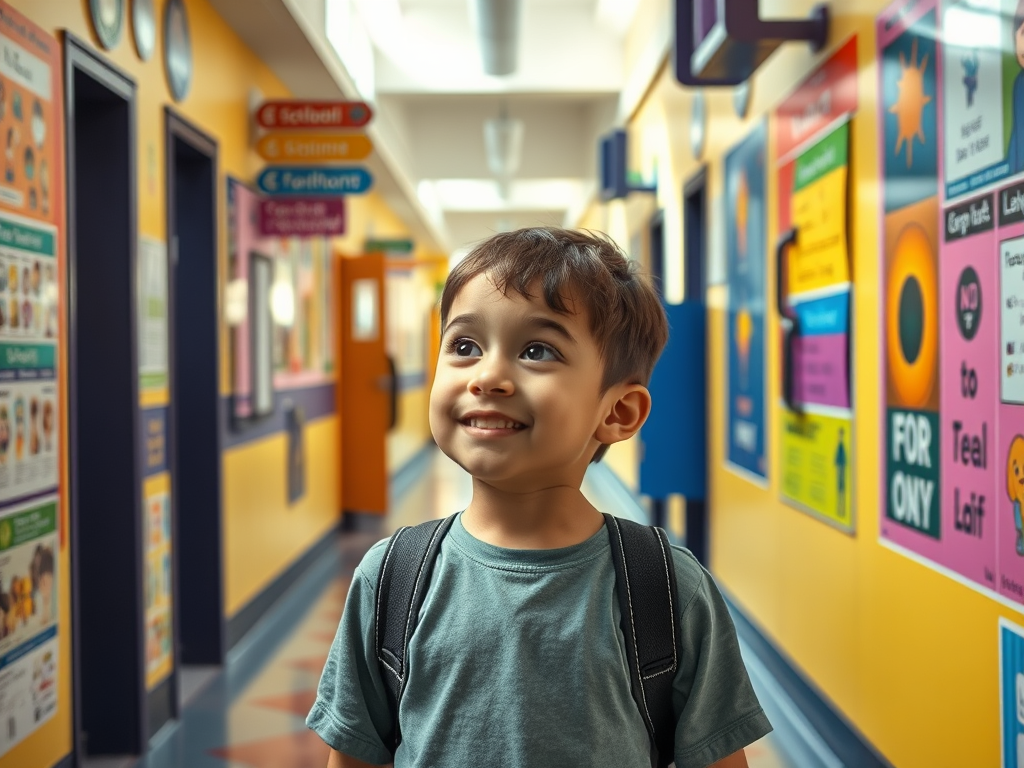
Liam is five. On his first day at a new school, he didn’t sit where instructed or follow the routine. Instead, he moved constantly—reading every sign, poster, and label in sight, not just in the corridors, but throughout the entire school. His teachers tried to redirect him, sometimes even running after him as he slippedContinueContinue reading “Neurodiversity and Architecture: Keys to an Inclusive World”
Inclusive Design: Meeting Diverse Needs in Architecture
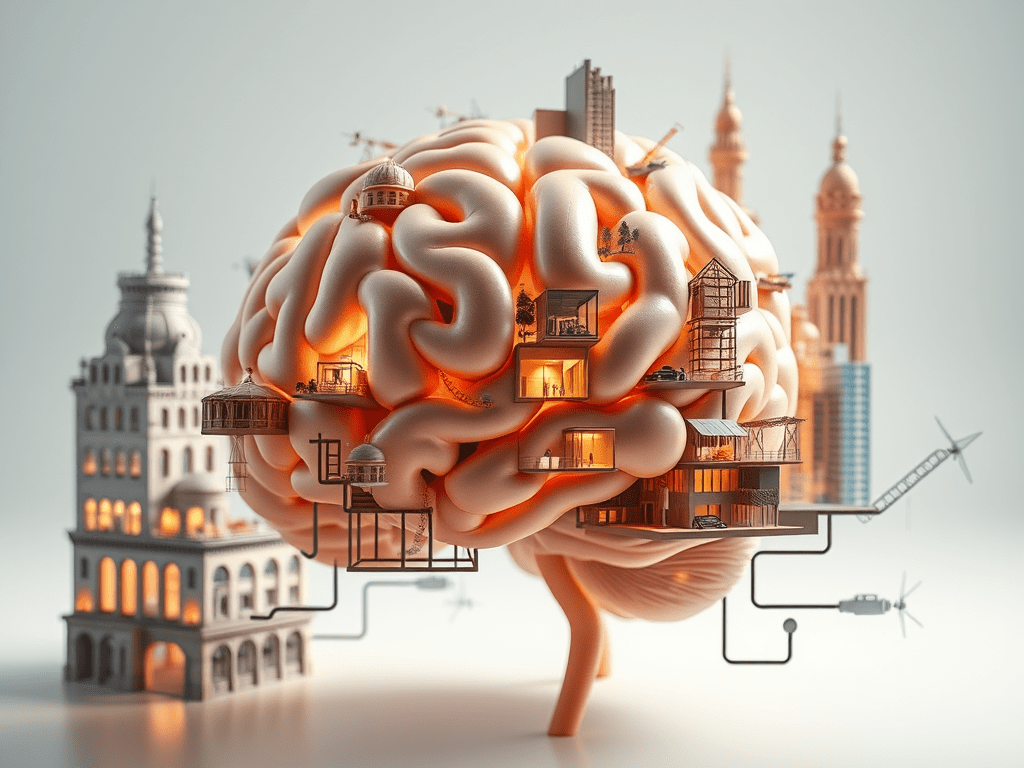
An introduction to neuroarchitecture, exploring how design affects the brain, sensory perception, and mental health. With insights into neurodiversity, accessibility, and inclusive spaces like the Sainsbury Wellcome Centre.
Why Your Business Should Embrace Neurodiversity
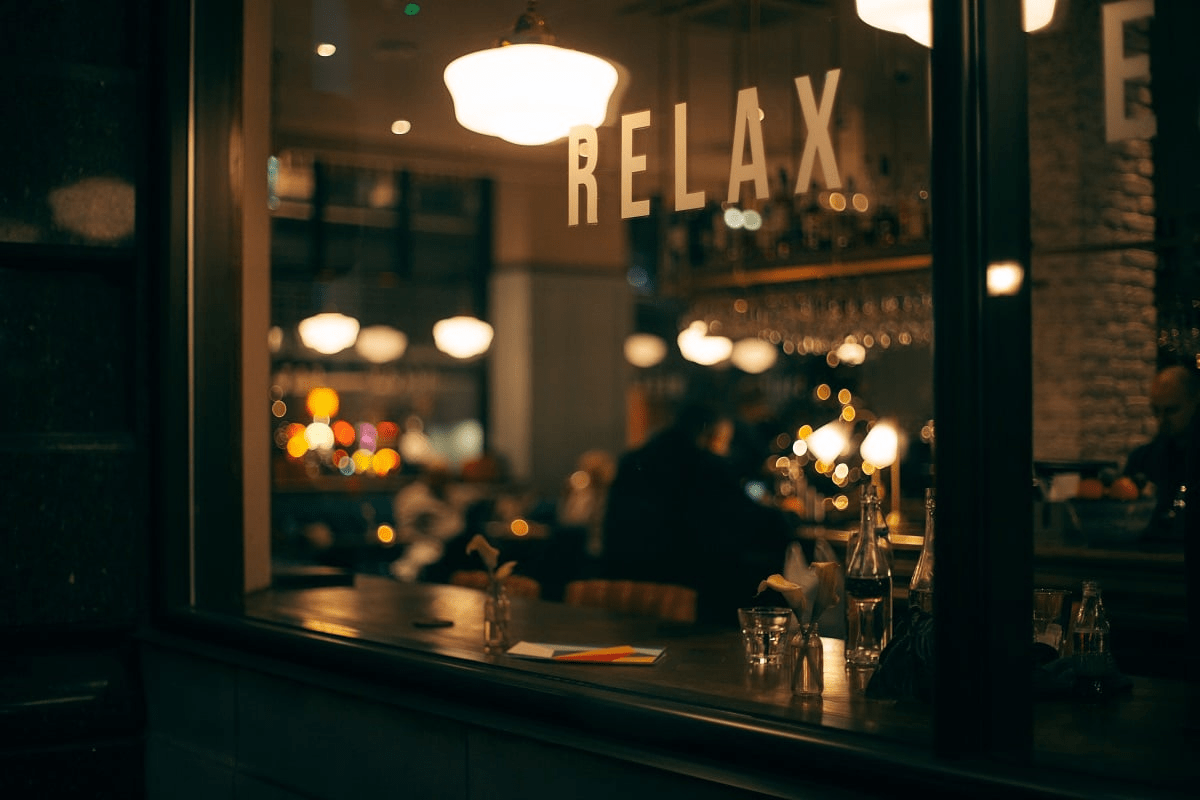
Imagine walking into a shop where the lights are too bright, the music is loud, and the layout feels like a maze. For many neurodivergent customers, this is not a rare inconvenience—it’s an everyday reality. Or picture this:A family gathers in a restaurant to celebrate a special occasion. Among them is a baby who, overwhelmedContinueContinue reading “Why Your Business Should Embrace Neurodiversity”

