Each year, the Pritzker Architecture Prize represents more than recognition for an individual architect. It also offers a signal of where contemporary architecture may be heading.
Smiljan Radić, the 2026 Pritzker laureate, represents a shift towards an architecture defined by atmosphere, intensity and emotional ambiguity—standing in contrast to the growing global standardisation of the built environment. His work often appears to emerge gently from the landscape, emphasising sensory and cognitive experience over purely visual form.
Radić’s approach, which prioritises the emotional dimension of place, aligns closely with the principles of neuroarchitecture by understanding space as a cognitive landscape—something that is felt as much as it is seen.
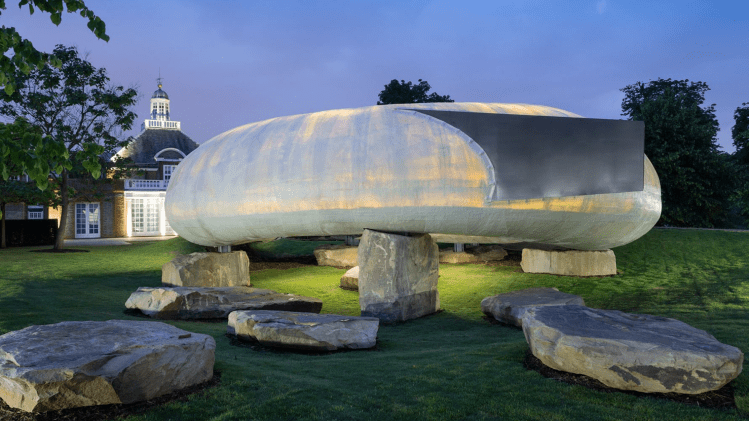
The translucent structure appears to float on large quarry stones, creating an ambiguous atmosphere somewhere between a primitive shelter and a contemporary object.
Architecture as Atmosphere
Many of Radić’s projects share a quality that is difficult to categorise. His buildings appear at once primitive and futuristic, monumental yet delicate.
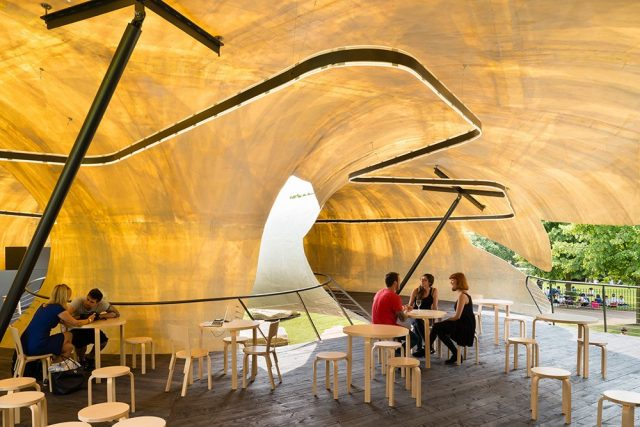
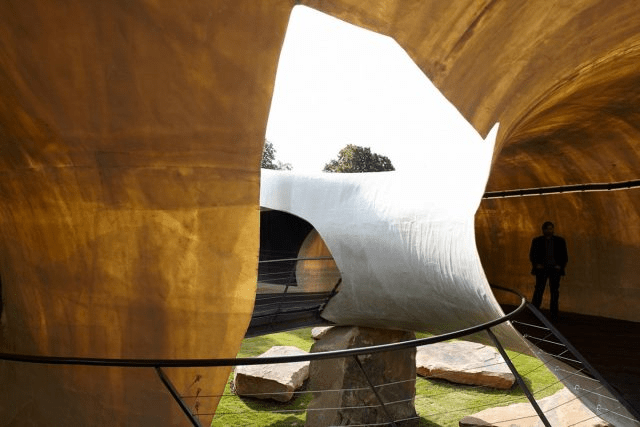
His 2014 pavilion for the Serpentine Pavilion illustrates this perfectly. A translucent fibreglass shell rested on large quarry stones, creating a space that felt somewhere between a ruin, a shelter and an artefact from another time.
Rather than relying on complex geometries or technological spectacle, Radić constructs architecture through material presence and spatial tension. Visitors entering the pavilion experienced a subtle shift in perception: light became diffuse, sounds softened, and the boundaries between interior and exterior began to dissolve.
In other words, the architecture did not function as an object but as a sensory environment.
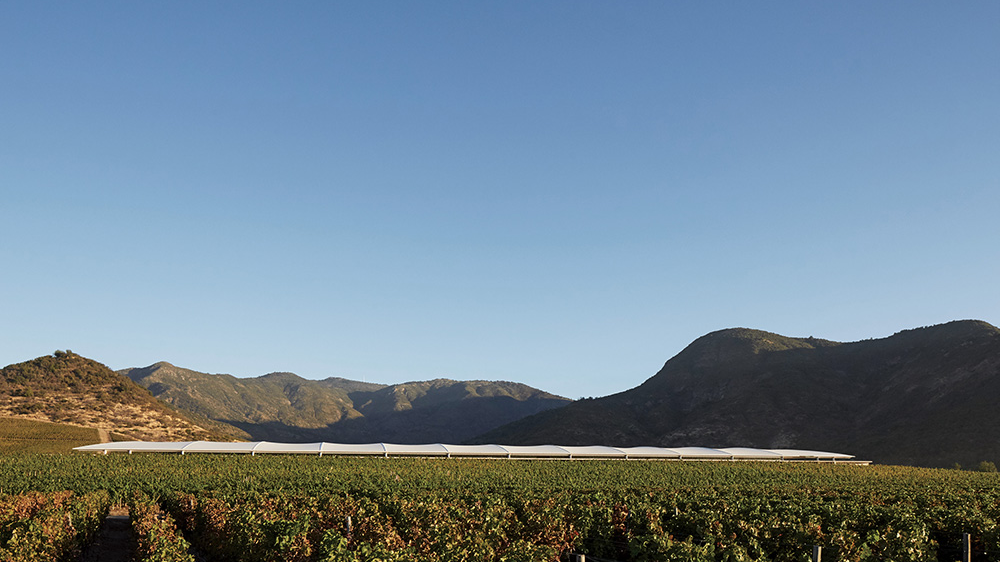
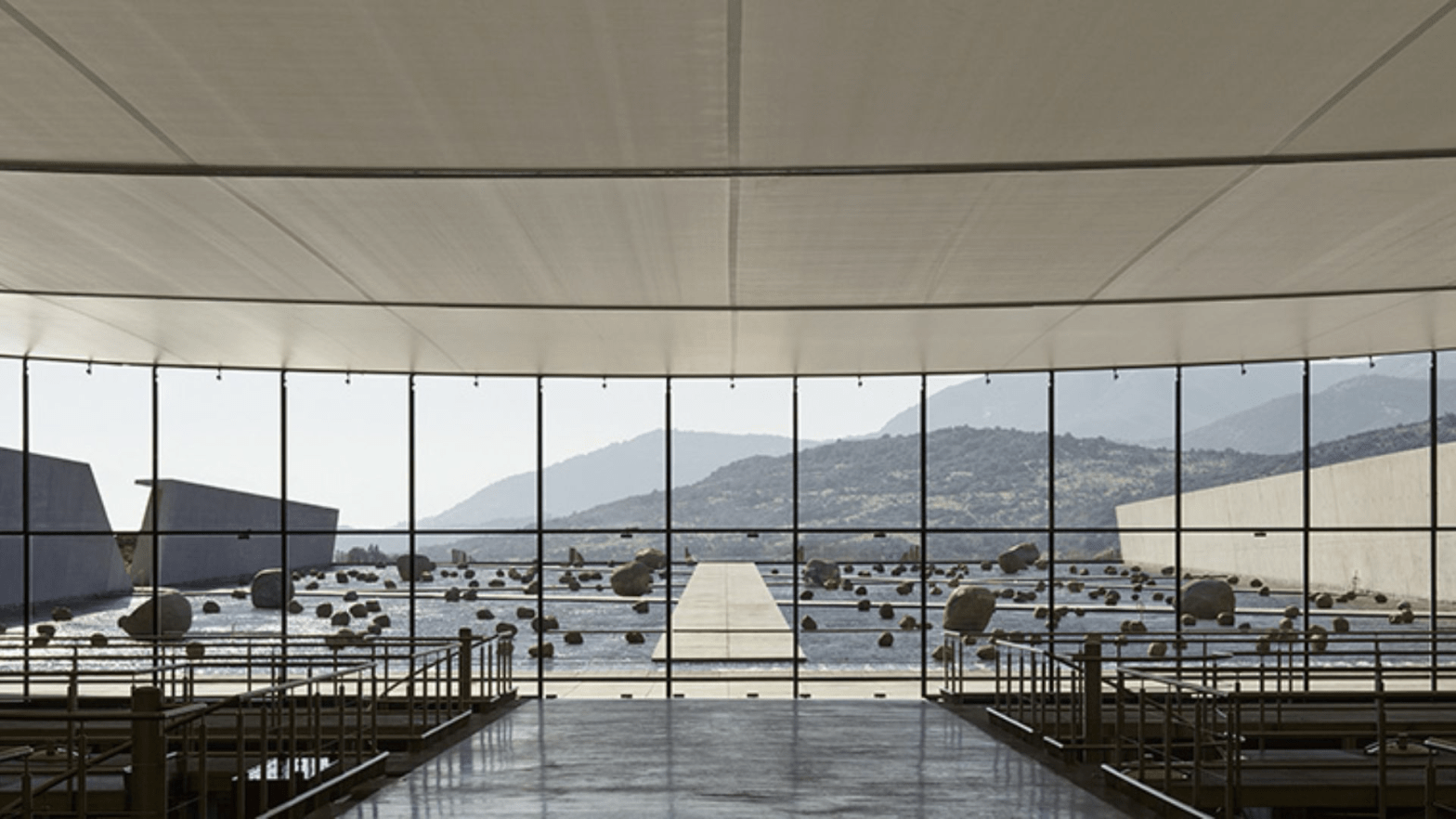
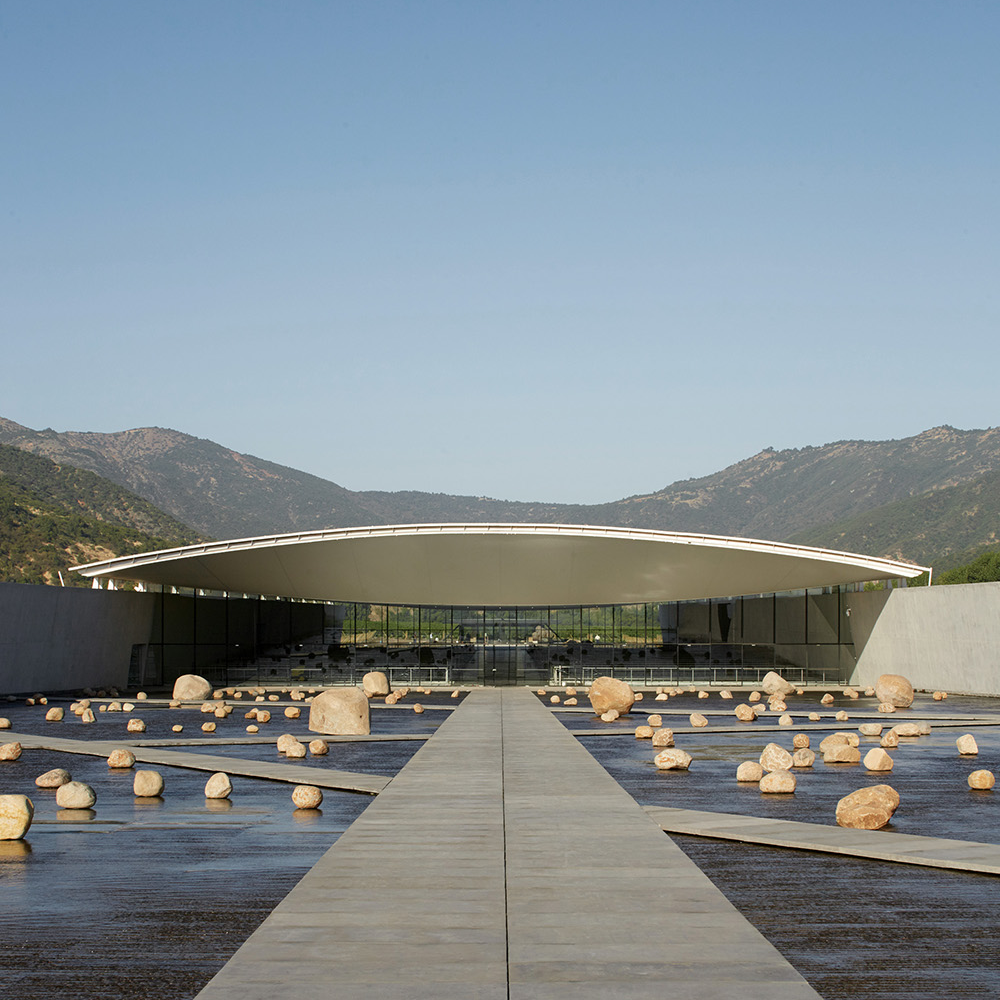
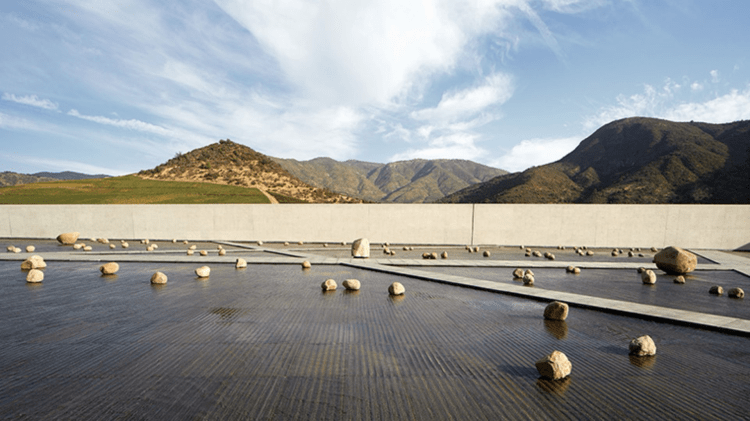
The winery stretches horizontally between the vineyards and the mountains, almost blending into the landscape. Its undulating roof reflects the surrounding light, reinforcing the sense of continuity between architecture and territory.
Materiality and Perception
Radić’s work also reveals a deep understanding of the role materials play in shaping spatial experience.
Concrete, stone, timber and translucent surfaces are used not merely for structural purposes but also to influence the way the body perceives space. Rough textures invite touch; heavy masses convey a sense of protection; diffused light slows visual processing and softens contrasts.
From a neuroscientific perspective, these elements are far from trivial. The human brain constantly interprets spatial cues—such as light, scale, enclosure and texture—to assess whether an environment feels safe, stimulating or stressful.
In this sense, architecture operates as a form of sensory language.
Radić’s work suggests that when this language is used with care and sensitivity, spaces can evoke a wide range of emotions, from curiosity to calm and contemplation.
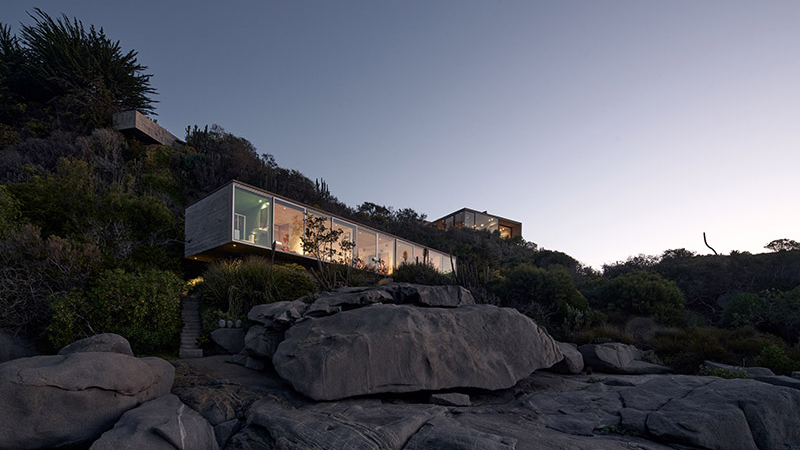
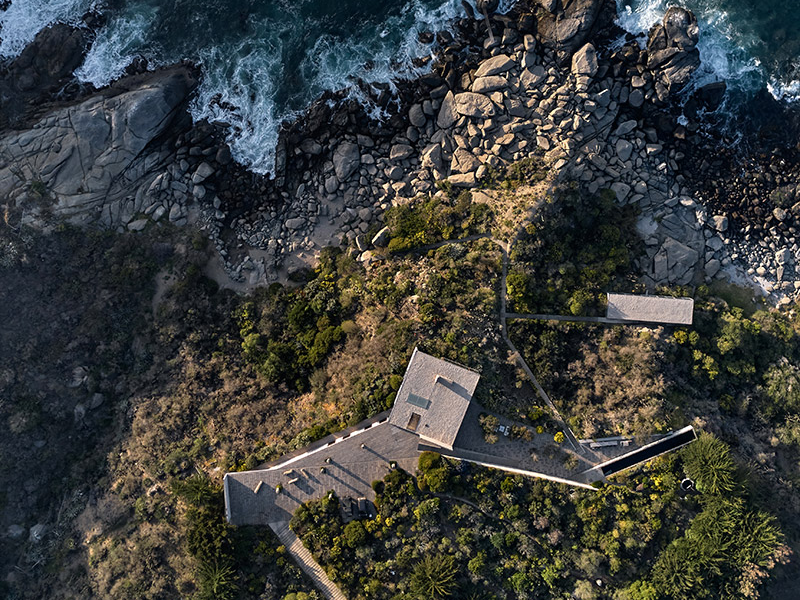
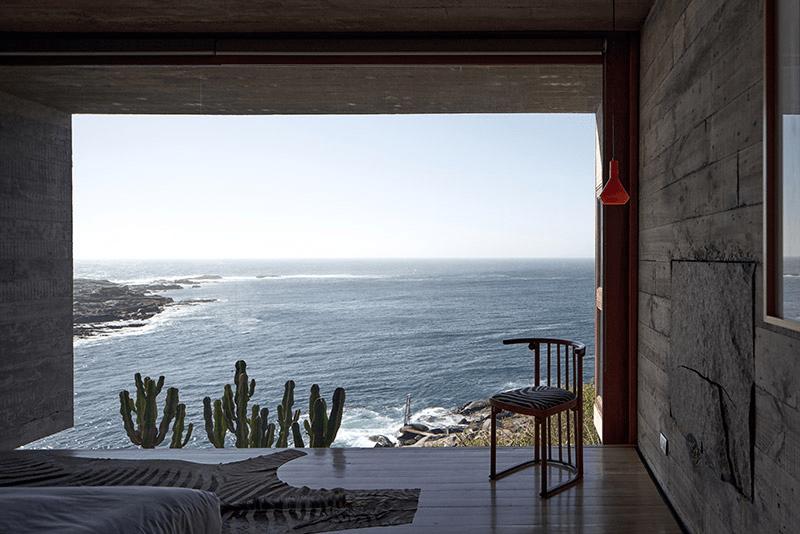
The house rests on the rock as an extension of the surrounding coastal landscape. Its horizontal volumes and glass surfaces allow the interior to open towards the Pacific horizon, while the stone masses reinforce a strong sense of grounding in the terrain.
Landscape and Human Experience
Another defining characteristic of Radić’s work is its continuous dialogue with the landscape.
Projects such as Casa Pite, perched on Chile’s rocky coastline, appear almost geological in nature. Rather than dominating the terrain, the architecture becomes an extension of it.
This approach resonates with research showing that people tend to respond positively to environments that maintain visible connections with nature. Elements such as horizon lines, natural materials and gradual transitions between interior and exterior spaces can support processes of cognitive restoration and emotional regulation.
In this sense, Radić’s architecture is not merely contextual in aesthetic terms. It is also intuitively biological.
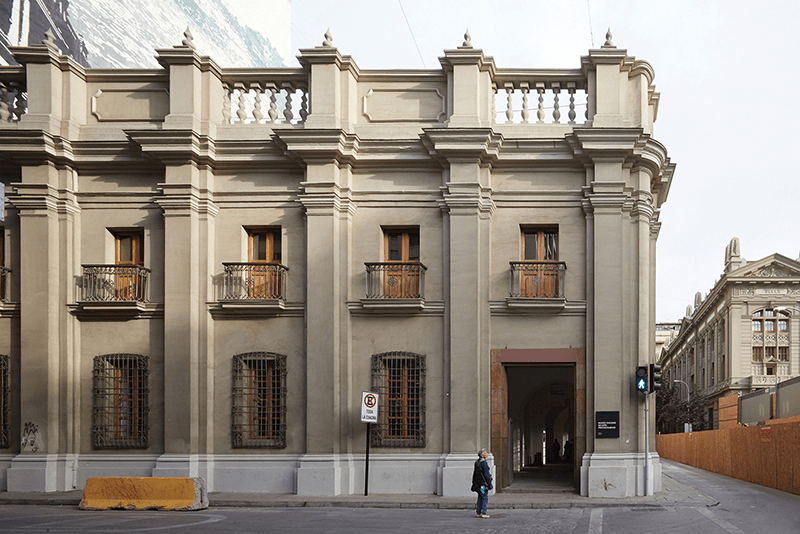
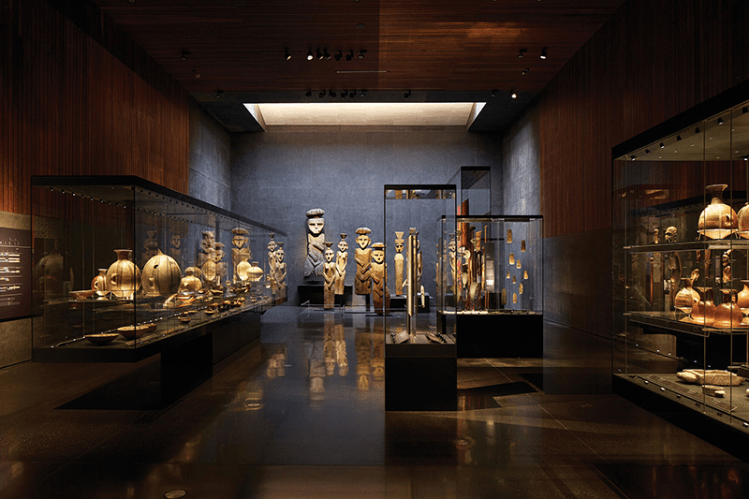
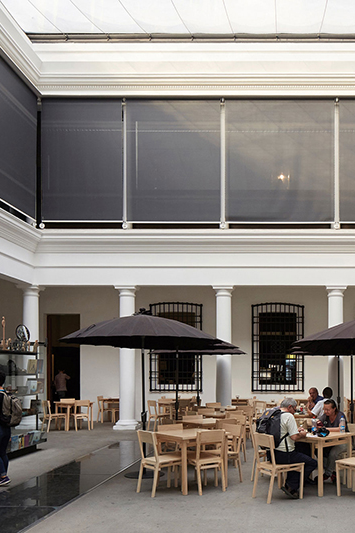
The façade belongs to the historic Palacio de la Real Aduana, an 18th-century building. The contemporary intervention consisted of a subterranean extension and the renovation of the exhibition spaces, allowing the museum to be modernised while preserving the integrity of the heritage structure.
Why This Pritzker Matters
For decades, much of the architectural discourse focused on form, technological innovation and the capacity of buildings to become urban icons. However, this paradigm has generated considerable debate, partly due to the perception that it led to a certain dehumanisation of architecture. Today, another perspective is beginning to gain ground—one that is more attentive to the everyday experience of those who inhabit these spaces.
This shift in sensibility is also reflected in some of the recent decisions of the Pritzker Architecture Prize. One example is the Chinese architect Liu Jiakun, the 2025 laureate, whose work is characterised by its attention to everyday urban life and by an architecture that seeks to integrate with the social and cultural dynamics of its surroundings.
In this context, architects such as Liu Jiakun and Smiljan Radić illustrate an evolution in architectural thinking: from the production of iconic buildings towards a practice more attuned to lived experience, social impact and dialogue with the environment. Their work prioritises everyday life, perception and the relationship with place, reflecting a renewed understanding of architecture as a discipline capable of enriching human experience.
Recommended Readings
The Pritzker Architecture Prize. (2026). Smiljan Radić Clarke – 2026 Laureate.
https://www.pritzkerprize.com/laureates/smiljan-radic-clarke
Reyyan Dogan. (2026). Who Is Smiljan Radić Clarke? 10 Things to Know About the 2026 Pritzker Architecture Laureate.
ArchDaily.
https://www.archdaily.com/1039554/who-is-smiljan-radic-clarke-10-things-to-know-about-the-2026-pritzker-architecture-laureate
ArchDaily. (2026). Smiljan Radić Clarke: Get to Know the 2026 Pritzker Winner’s Work.
https://www.archdaily.com/1039546/smiljan-radic-clarke-get-to-know-the-2026-pritzker-winners-work
Palma, Cristóbal. (Fotografía). Smiljan Radić Projects Documentation.
Estudio Palma.
https://www.estudiopalma.cl
Parametric Architecture. (2026). 14 Key Projects by Smiljan Radić Clarke, 2026 Pritzker Prize Winner.
https://parametric-architecture.com/14-projects-by-smiljan-radic-clarke/
Architecture Today. (2026). Smiljan Radić Clarke Wins the 2026 Pritzker Architecture Prize.
https://architecturetoday.co.uk/smiljan-radic-clarke-wins-the-2026-pritzker-prize/
 neurotectura.com