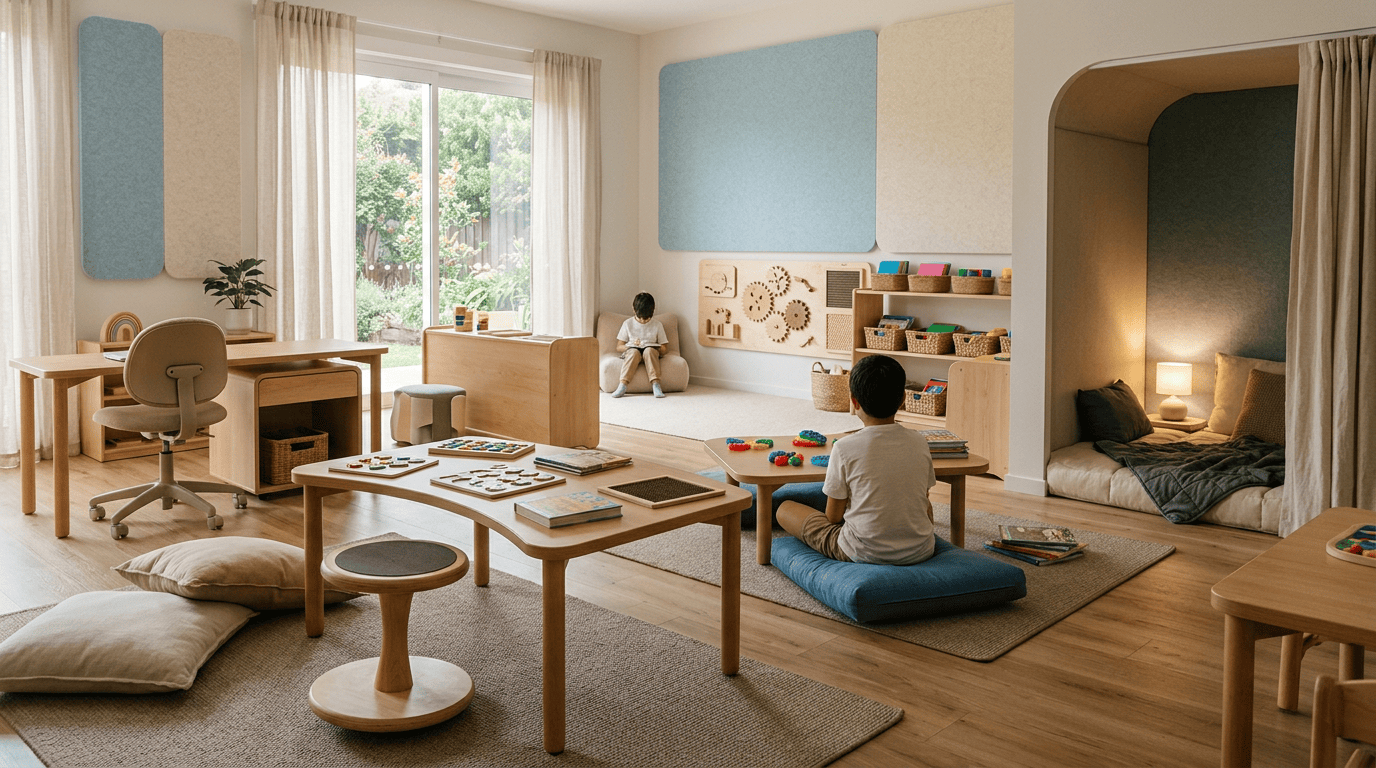
A conversation with Colombian psychologist and neuropsychologist María del Pilar Pinzón Rueda As architects and designers, we tend to approach a project through function, aesthetics, cost and building regulations. But there’s a question we rarely ask in enough depth: how does the person inhabiting this space actually experience it? The brain is not a passiveContinueContinue reading “Designing for Diversity: Why Inclusion Should Be Every Architect’s Job”
Tag Archives: architecture
Cómo la percepción determina la verdadera medida del diseño
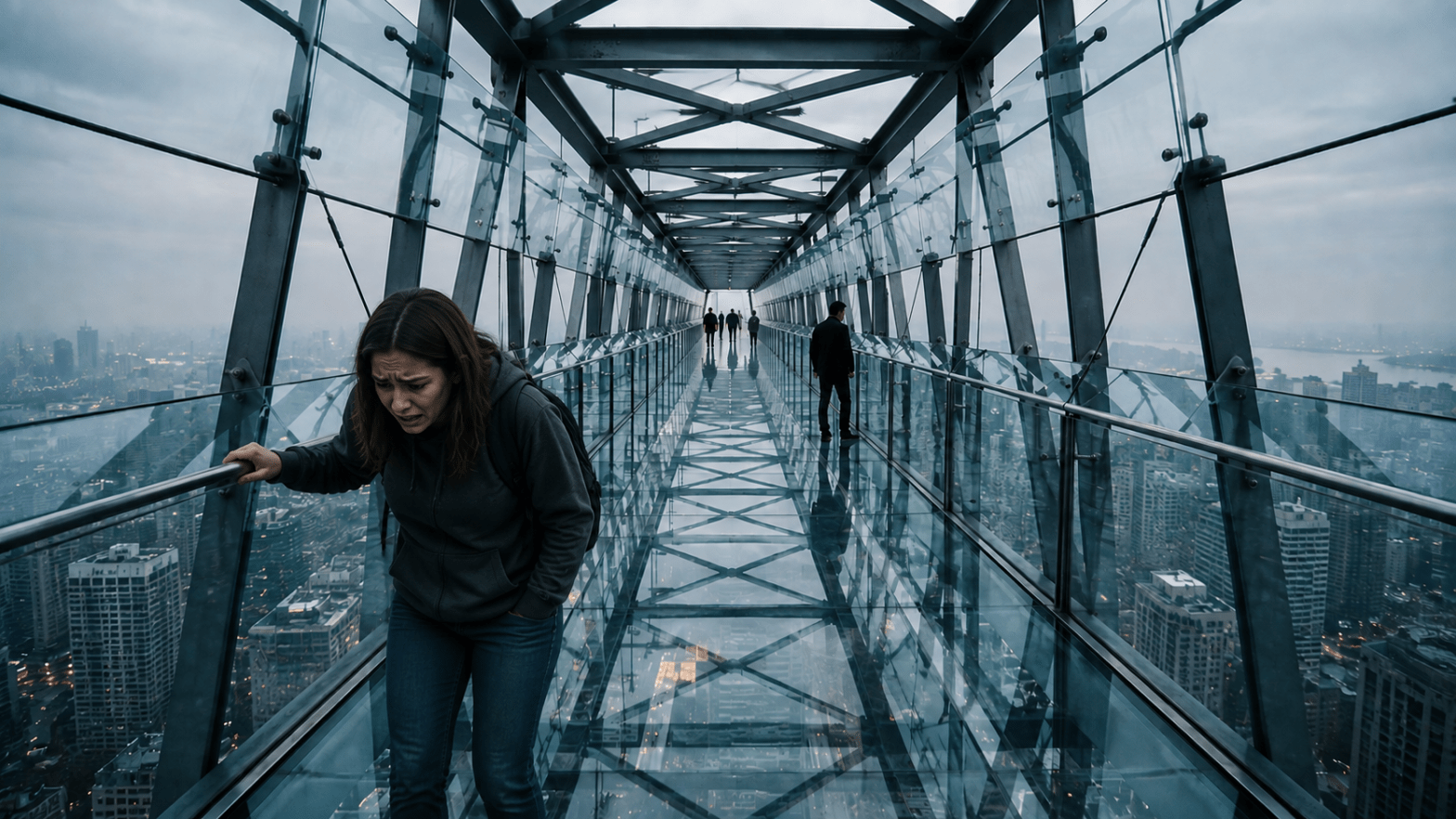
Un puente de vidrio puede ser perfectamente seguro y, aun así, resultar difícil de cruzar. La estructura puede haber sido diseñada para soportar cargas enormes, y el vidrio puede haber sido cuidadosamente probado y estar firmemente sujeto. Desde el punto de vista de la ingeniería, quizá no haya ninguna razón para temerlo. Sin embargo, paraContinueContinue reading “Cómo la percepción determina la verdadera medida del diseño”
How Perception Shapes the True Measure of Design
A glass bridge can be perfectly safe and still be difficult to cross. The structure may have been engineered to withstand enormous loads, and the glass may have been carefully tested and securely supported. From an engineering perspective, there may be no reason to fear it. Yet for many people, standing on a transparent floorContinueContinue reading “How Perception Shapes the True Measure of Design”
Why We Love High Ceilings: What a 1978 Study Still Tells Us
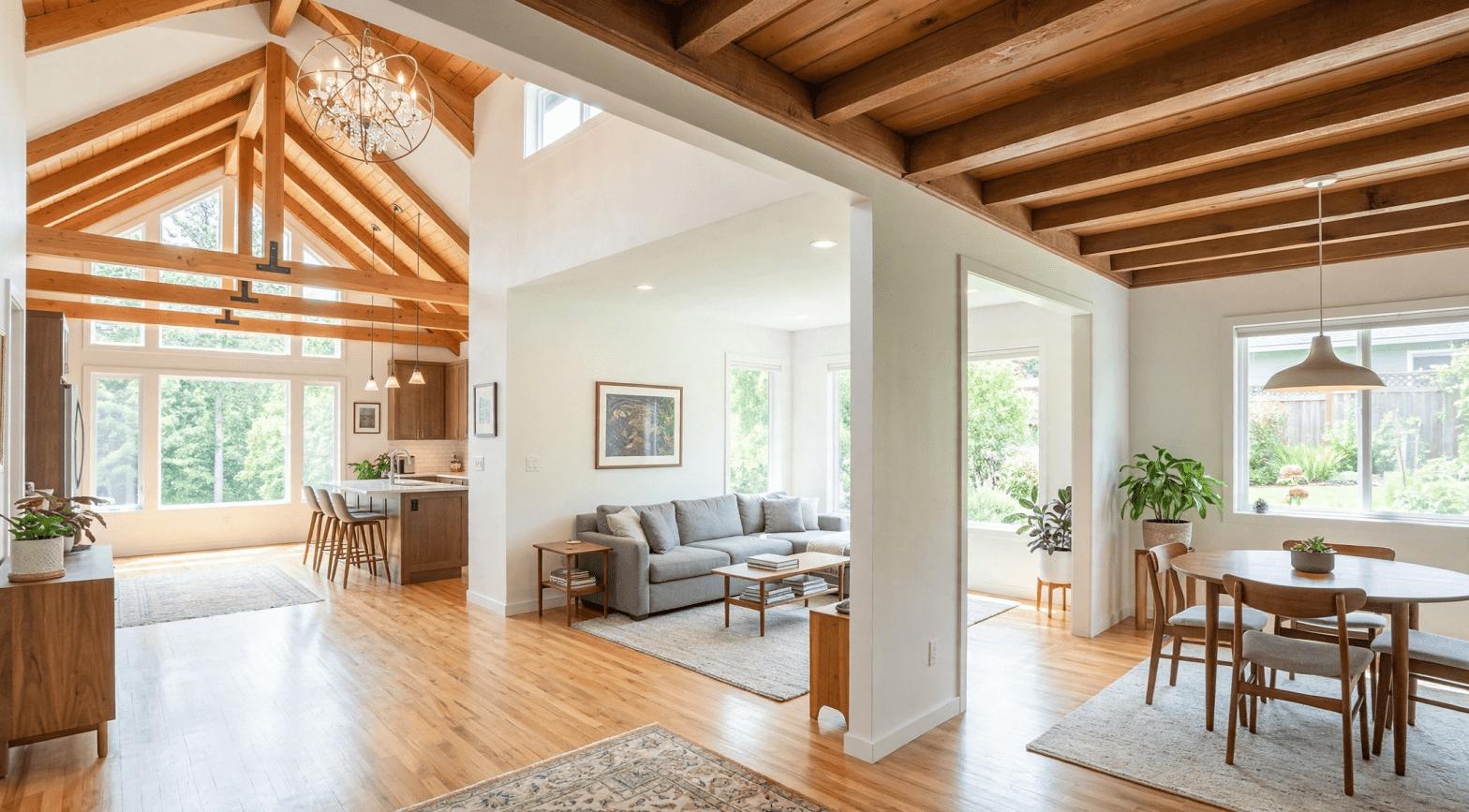
If you were buying a house, would you prefer high or low ceilings? A flat ceiling or a sloping one? Walk into a room with a low ceiling and you instantly feel a little more contained. Walk into one with a high ceiling and you breathe differently. We all know this intuitively. This double-height livingContinueContinue reading “Why We Love High Ceilings: What a 1978 Study Still Tells Us”
El efecto catedral: cómo la altura del techo moldea la cognición espacial
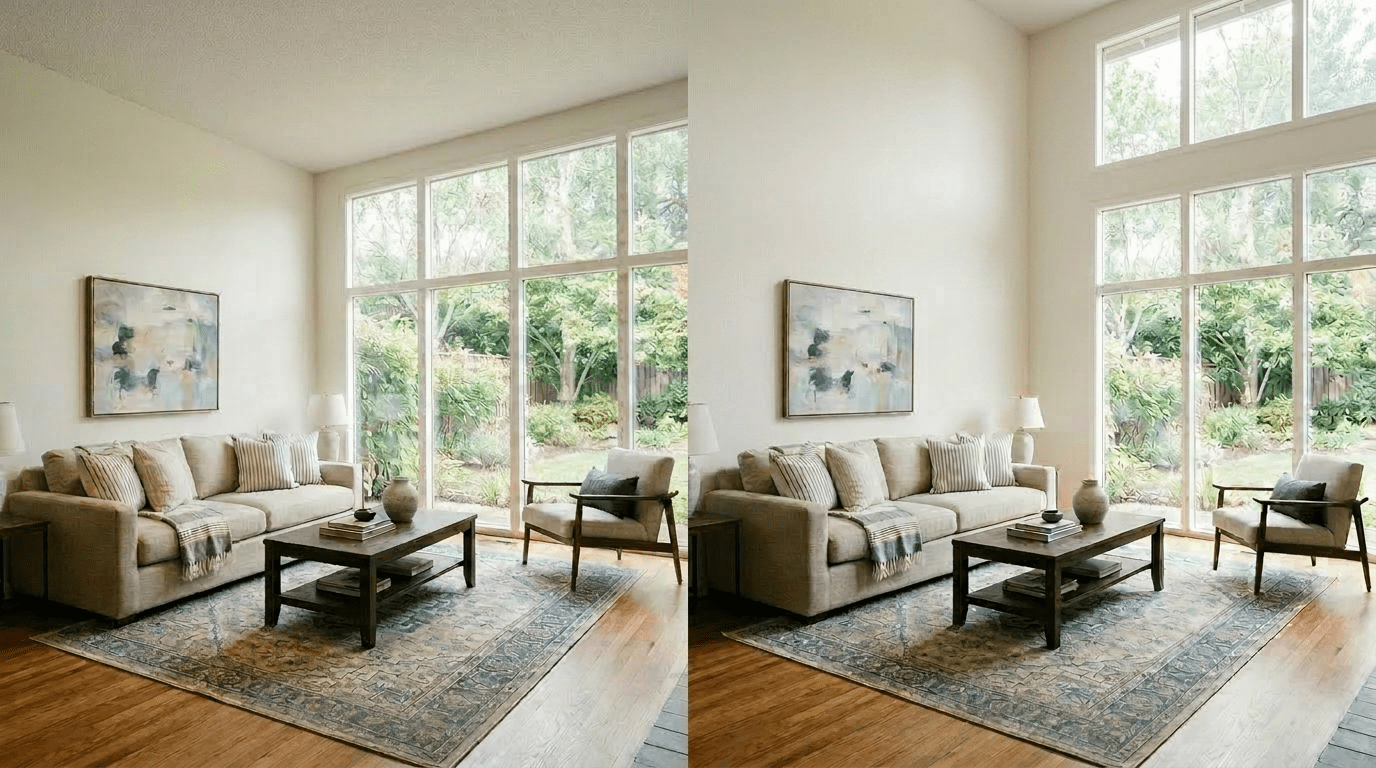
Imagina entrar en dos habitaciones con exactamente las mismas dimensiones en planta. La primera tiene un techo bajo que dirige tu atención hacia abajo, concentrándola en la tarea inmediata que tienes delante. La segunda se eleva varios metros sobre tu cabeza, invitando a levantar la mirada y ampliando tu percepción del espacio. Nada más cambia,ContinueContinue reading “El efecto catedral: cómo la altura del techo moldea la cognición espacial”
The Cathedral Effect: How Ceiling Height Shapes Spatial Cognition
Imagine walking into two rooms of identical footprints. The first has a low ceiling that draws your focus downward, pinning your attention to the task immediately in front of you. The second soars overhead, pulling your gaze up and out. Nothing else changes, yet your brain shifts gears — altering your perception, attention, and approachContinueContinue reading “The Cathedral Effect: How Ceiling Height Shapes Spatial Cognition”
Orden, estilo y supervivencia humana

El estilo arquitectónico y el orden suelen considerarse sinónimos, especialmente al hablar de la arquitectura grecorromana. Sin embargo, detrás de la piedra, la geometría y la armonía visual existe algo mucho más antiguo: el cerebro humano, un órgano que busca patrones para transformar la incertidumbre en comprensión. Con frecuencia contamos la historia de la arquitecturaContinueContinue reading “Orden, estilo y supervivencia humana”
Order, Style and the Human Survival
Architectural style and order are often used interchangeably, defining the visual identity of the ancient Greco-Roman style. Yet beneath the stone, geometry, and visual harmony lies something far older than any architectural tradition: the human brain, seeking patterns that transform uncertainty into understanding. We often tell architectural history as a parade of styles. Egypt wasContinueContinue reading “Order, Style and the Human Survival”
Can architecture influence contemplative states of mind?

Can Architecture Influence the Mind? A narrow alley, a curved pathway, filtered light entering through a shaded corridor, or the silence beneath a vaulted ceiling can create a subtle sensation of calm and inward attention. Certain environments seem capable of slowing our thoughts, sharpening our senses, and reconnecting us with the present moment. But whatContinueContinue reading “Can architecture influence contemplative states of mind?”
Beyond Buildings: Architecture, Microbiome, and Mental Health

For reference, we spend around 90% of our time indoors and inside vehicles. We inhabit homes, offices, schools, hospitals and cities that, although they may seem separate from us, are in constant interaction with both our bodies and our minds. For a long time, architecture has largely been understood through function or aesthetics, while overlookingContinueContinue reading “Beyond Buildings: Architecture, Microbiome, and Mental Health”

