
La misma aula. El mismo docente. El mismo currículo. Sin embargo, los resultados pueden ser sorprendentemente diferentes. ¿Por qué? Con frecuencia buscamos explicaciones en los métodos de enseñanza, la motivación, las capacidades o las circunstancias familiares. Aunque estos factores son importantes, no explican por sí solos las diferencias en los resultados. El aprendizaje no esContinueContinue reading “La misma aula, diferentes resultados”
Tag Archives: Arquitectura
¿Por qué preferimos techos altos? Lecciones de 1978
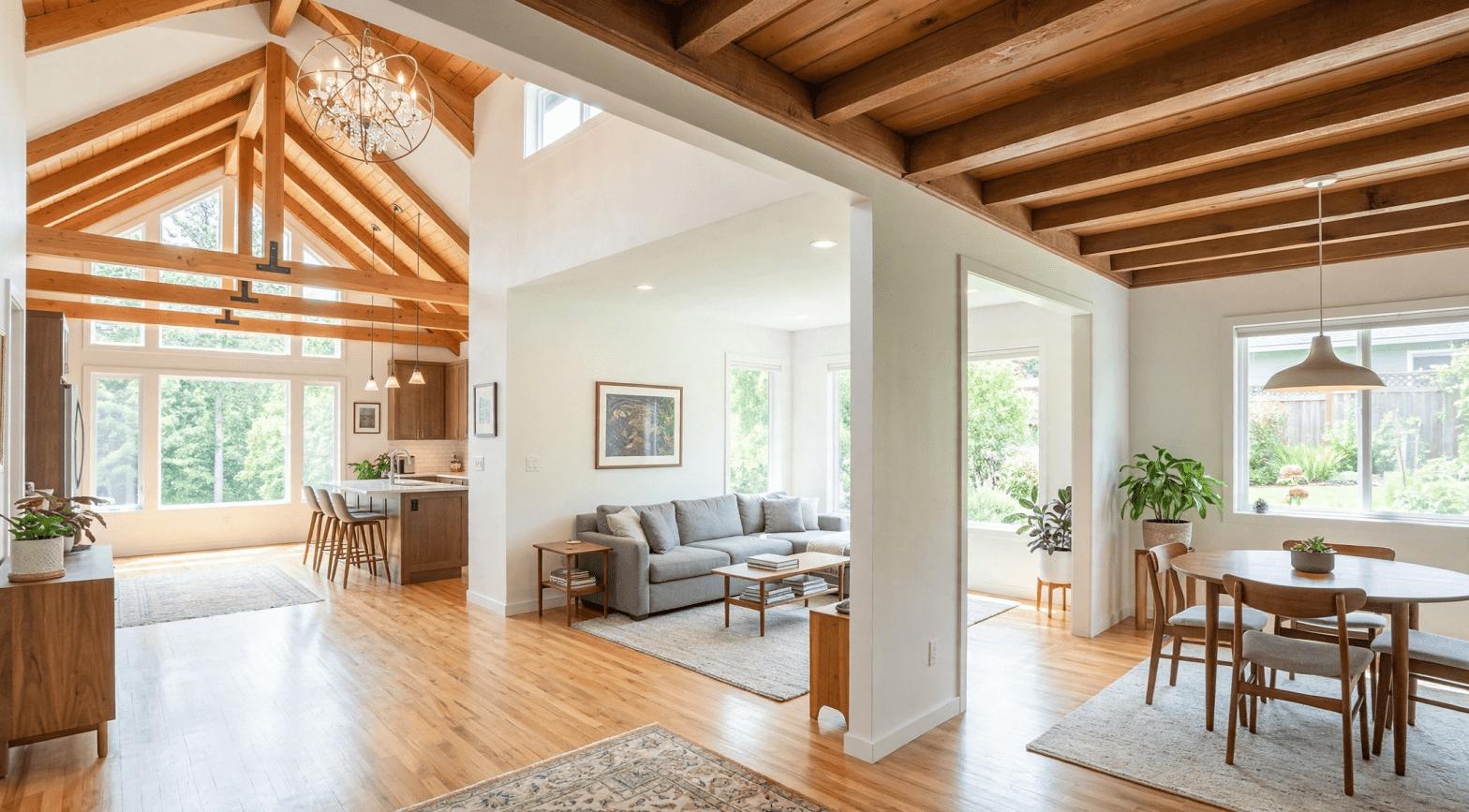
Si estuvieras comprando una casa, ¿preferirías techos altos o bajos? ¿Planos o inclinados? Cuando entras a un espacio con un techo bajo, tu cuerpo parece recogerse. En cambio, al entrar en uno de techo alto, respiras de otra manera. Todos lo hemos experimentado, aunque rara vez nos detenemos a pensar por qué. Este espacio deContinueContinue reading “¿Por qué preferimos techos altos? Lecciones de 1978”
El efecto catedral: cómo la altura del techo moldea la cognición espacial
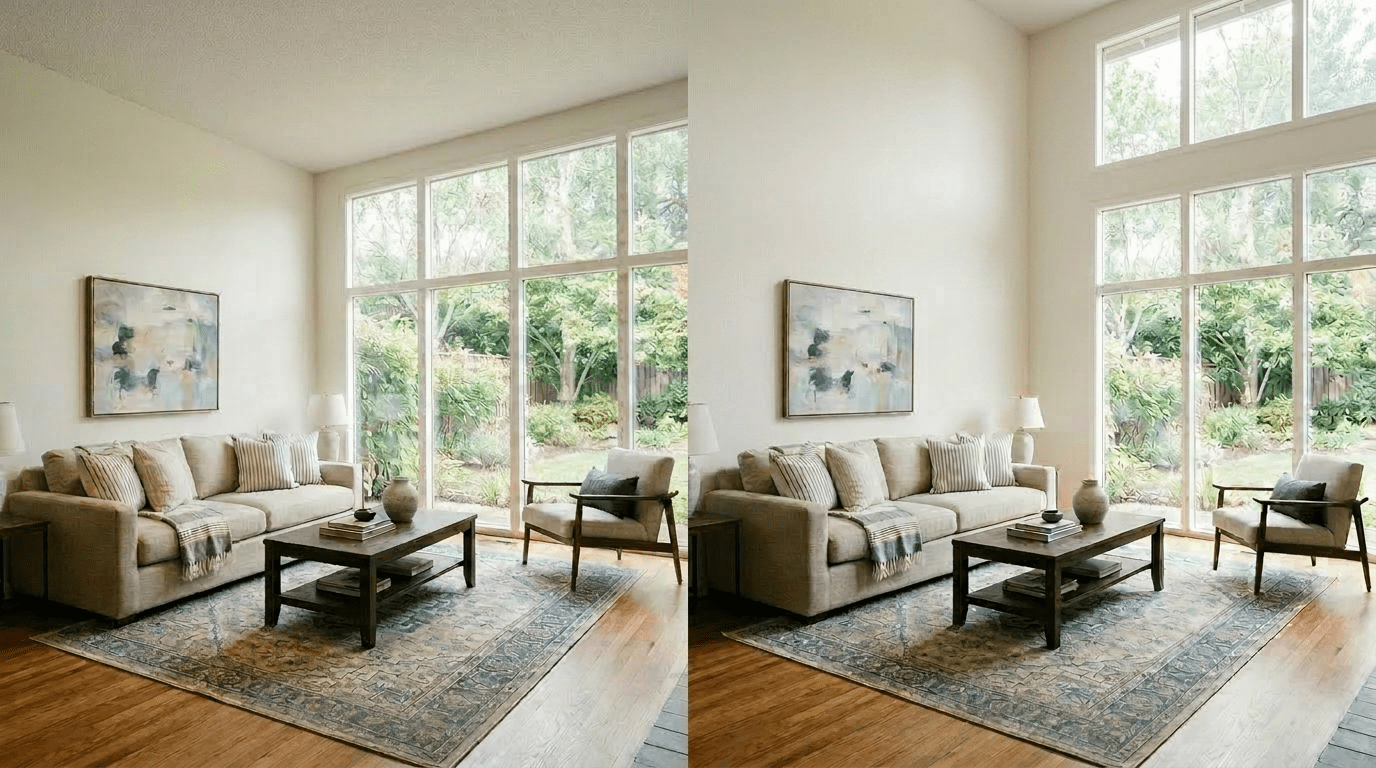
Imagina entrar en dos habitaciones con exactamente las mismas dimensiones en planta. La primera tiene un techo bajo que dirige tu atención hacia abajo, concentrándola en la tarea inmediata que tienes delante. La segunda se eleva varios metros sobre tu cabeza, invitando a levantar la mirada y ampliando tu percepción del espacio. Nada más cambia,ContinueContinue reading “El efecto catedral: cómo la altura del techo moldea la cognición espacial”
Beyond Buildings: Architecture, Microbiome, and Mental Health

For reference, we spend around 90% of our time indoors and inside vehicles. We inhabit homes, offices, schools, hospitals and cities that, although they may seem separate from us, are in constant interaction with both our bodies and our minds. For a long time, architecture has largely been understood through function or aesthetics, while overlookingContinueContinue reading “Beyond Buildings: Architecture, Microbiome, and Mental Health”
Más allá de los edificios: arquitectura, microbioma y salud mental
Según datos, pasamos el 90 % de nuestro tiempo en espacios interiores y vehículos. Habitamos casas, oficinas, escuelas, hospitales y ciudades que, aunque parecen ajenos a nosotros, están en permanente interacción con nuestro cuerpo y nuestra mente. Durante mucho tiempo, la arquitectura se ha entendido desde lo funcional o lo estético, dejando en segundo planoContinueContinue reading “Más allá de los edificios: arquitectura, microbioma y salud mental”
Neuroarquitectura: cómo el diseño regula el bienestar humano
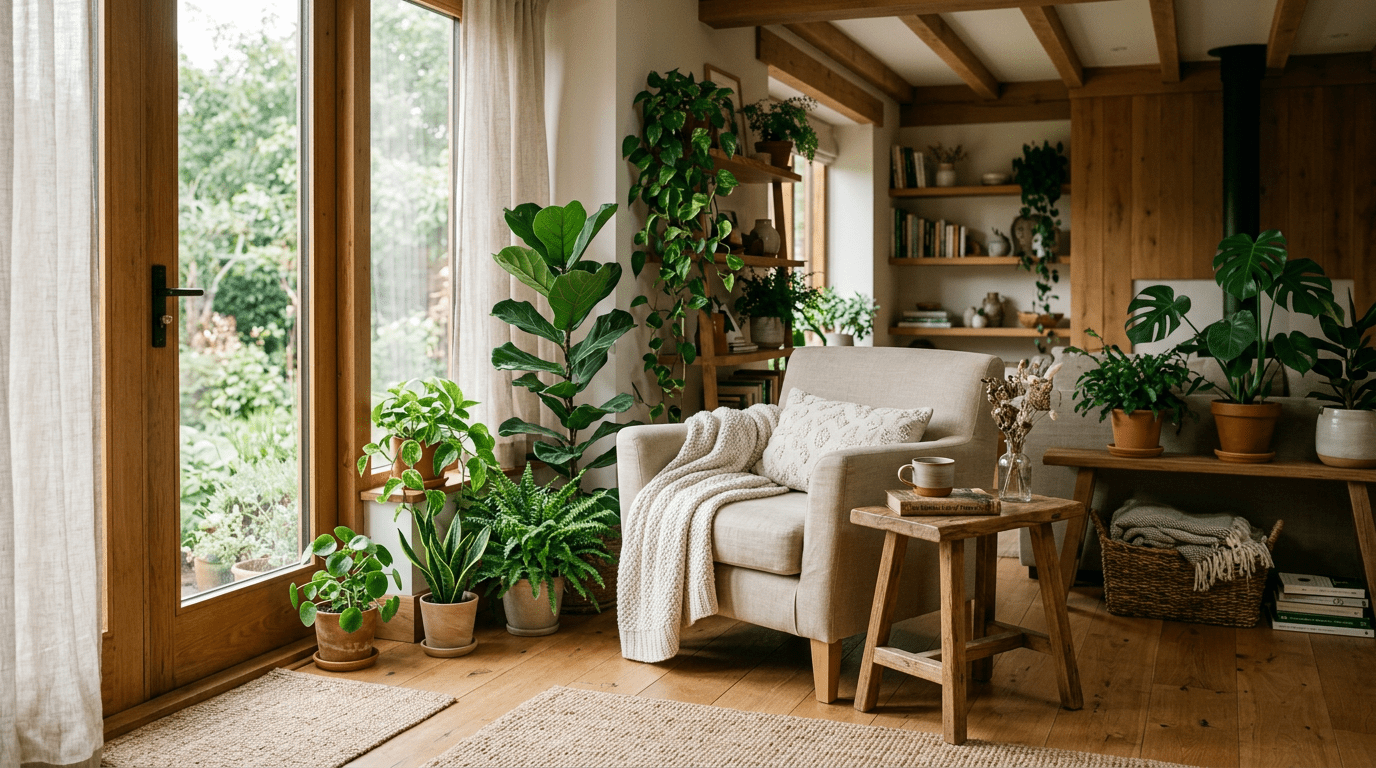
Todos buscamos estar bien. Aunque no siempre sepamos explicarlo con precisión, reconocemos el bienestar cuando lo sentimos: en un momento de calma, en un espacio que ofrece refugio y perspectiva, en esa sensación sutil de equilibrio que aparece —a veces— sin hacer ruido. Durante mucho tiempo, el bienestar se entendió como la ausencia de enfermedad.ContinueContinue reading “Neuroarquitectura: cómo el diseño regula el bienestar humano”
The Impact of Playground Design on Child Development and Brain Plasticity

Play is an intrinsic biological need of the human being. It is not a luxury or a secondary activity but an adaptive mechanism that allows us to rehearse behaviours, regulate stress, and develop the neural plasticity required for lifelong learning. In childhood, this process becomes especially critical. During periods of rapid brain development, play actsContinueContinue reading “The Impact of Playground Design on Child Development and Brain Plasticity”
El impacto del diseño de parques en el desarrollo infantil y la plasticidad cerebral
El juego es una necesidad biológica intrínseca del ser humano. No es un lujo ni una actividad secundaria, sino un mecanismo de adaptación que nos permite ensayar conductas, gestionar el estrés y desarrollar la plasticidad cerebral necesaria para aprender a lo largo de toda la vida. En la infancia, este proceso es especialmente crítico. DuranteContinueContinue reading “El impacto del diseño de parques en el desarrollo infantil y la plasticidad cerebral”
Cómo nos imaginamos la arquitectura de la felicidad
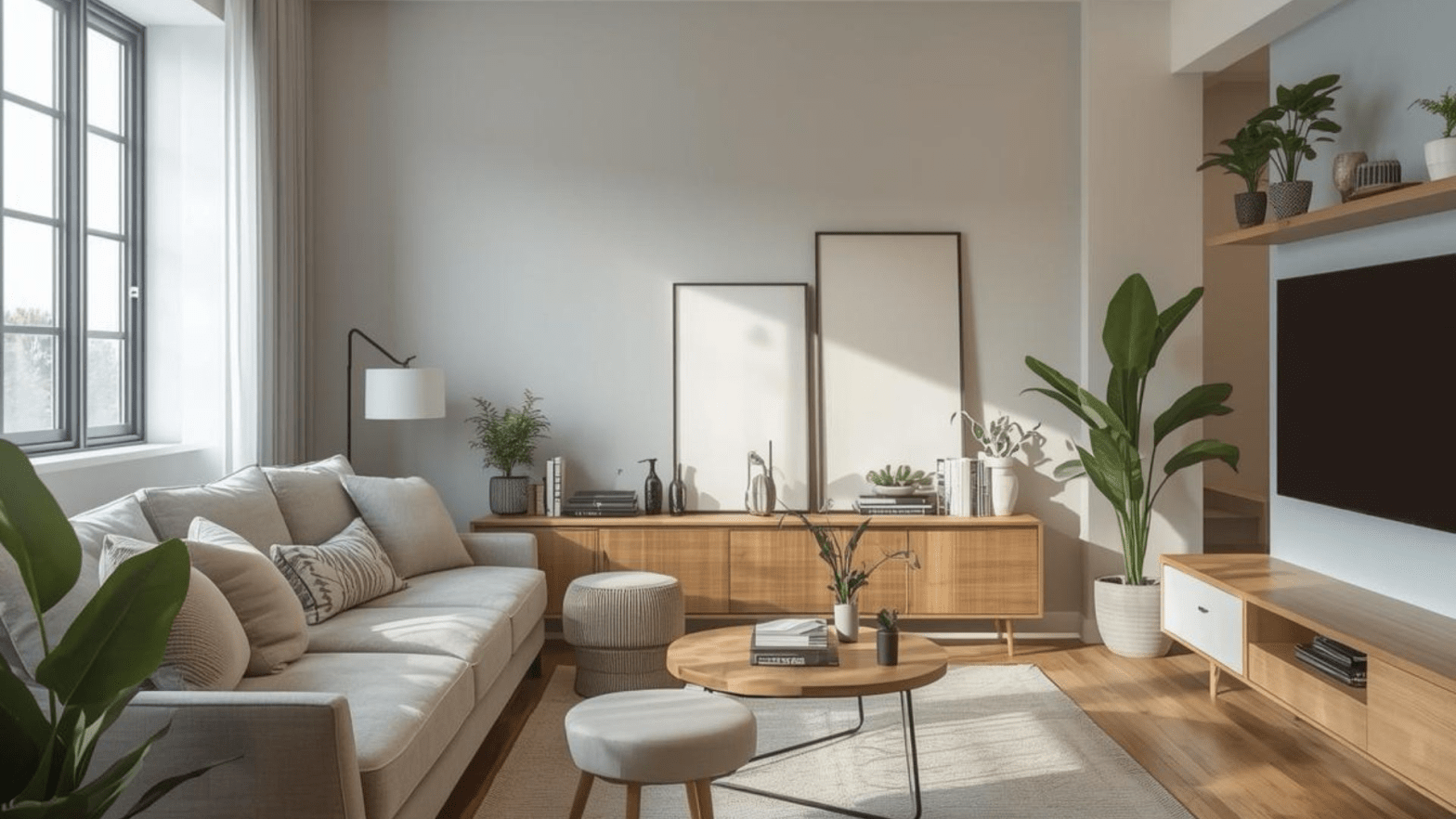
En 2006, el filósofo Alain de Botton publicó The Architecture of Happiness, un ensayo que propone una idea tan sencilla como transformadora: los espacios en los que vivimos influyen profundamente en nuestro bienestar emocional y psicológico. Lejos de entender la arquitectura como un ejercicio técnico o puramente estético, de Botton la sitúa en un planoContinueContinue reading “Cómo nos imaginamos la arquitectura de la felicidad”
Neuroarchitecture: The Physics of Design and Its Impact on the Brain
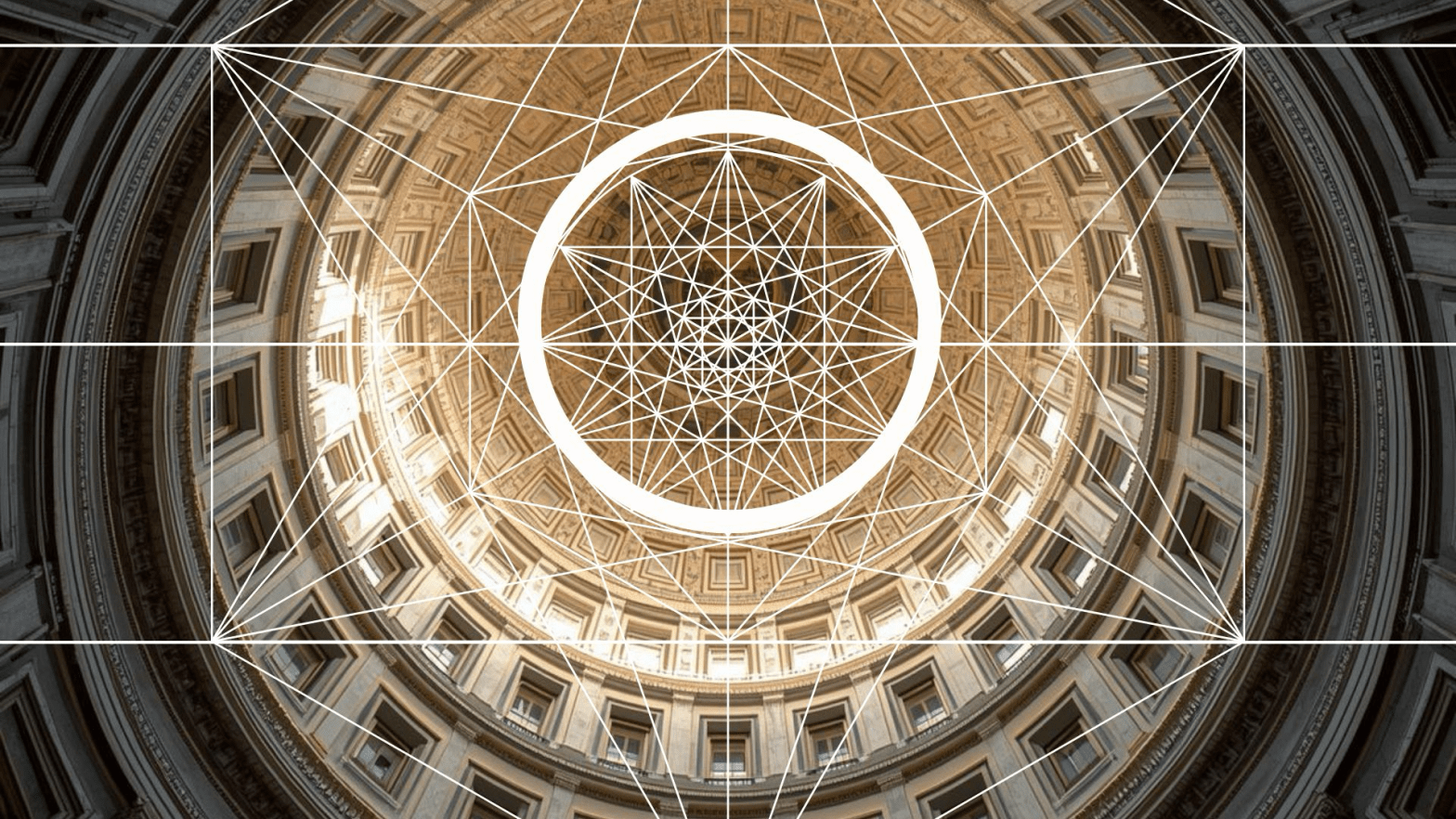
Why would a physicist take an interest in architecture? At first glance, the laws that govern the universe and the design of the spaces we inhabit appear to intersect only at a technical level—through structural forces, plumbing systems, ventilation, or thermal control. Yet, the connection runs far deeper. Both disciplines are concerned with systems, structures,ContinueContinue reading “Neuroarchitecture: The Physics of Design and Its Impact on the Brain”

