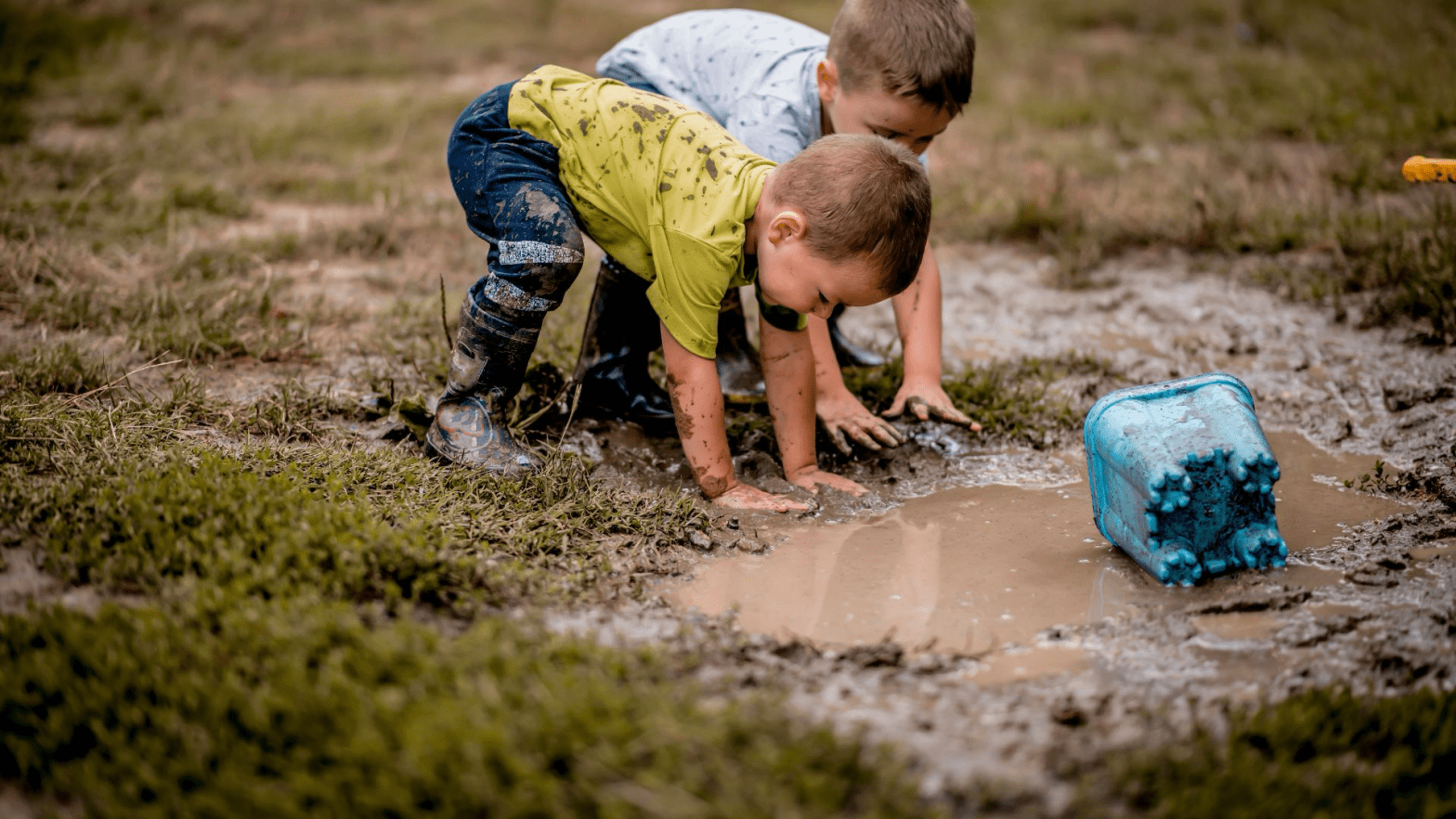
Play is an intrinsic biological need of the human being. It is not a luxury or a secondary activity but an adaptive mechanism that allows us to rehearse behaviours, regulate stress, and develop the neural plasticity required for lifelong learning.
In childhood, this process becomes especially critical. During periods of rapid brain development, play acts as the primary language through which children transform sensory experiences into knowledge, cognitive abilities, and social skills.
Without this stimulation, the brain misses key opportunities to consolidate essential functions such as self-regulation, creative problem-solving, and empathy — capacities that underpin a balanced and functional adult life.
Play is, at its core, the way human beings — and many animals — explore the world and learn to survive from an early age.
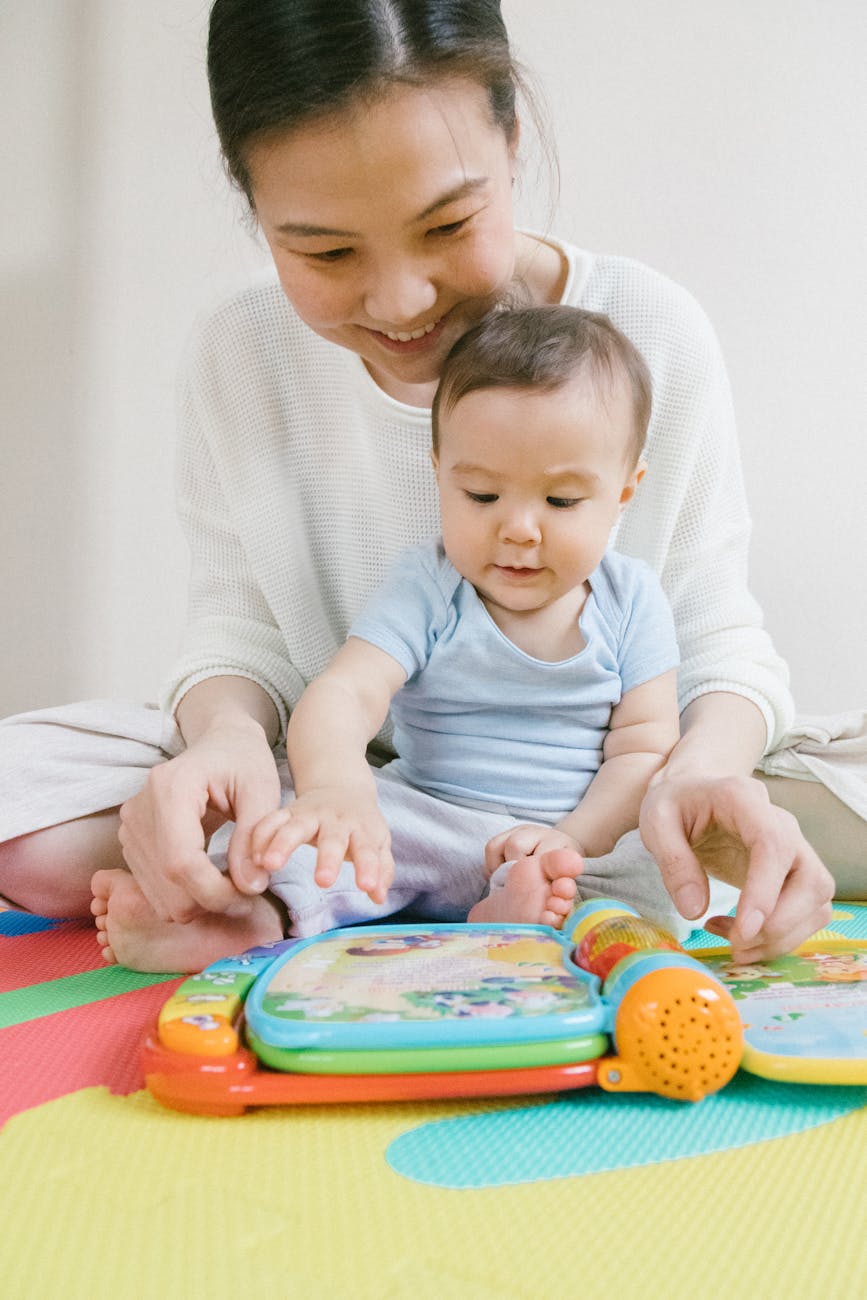
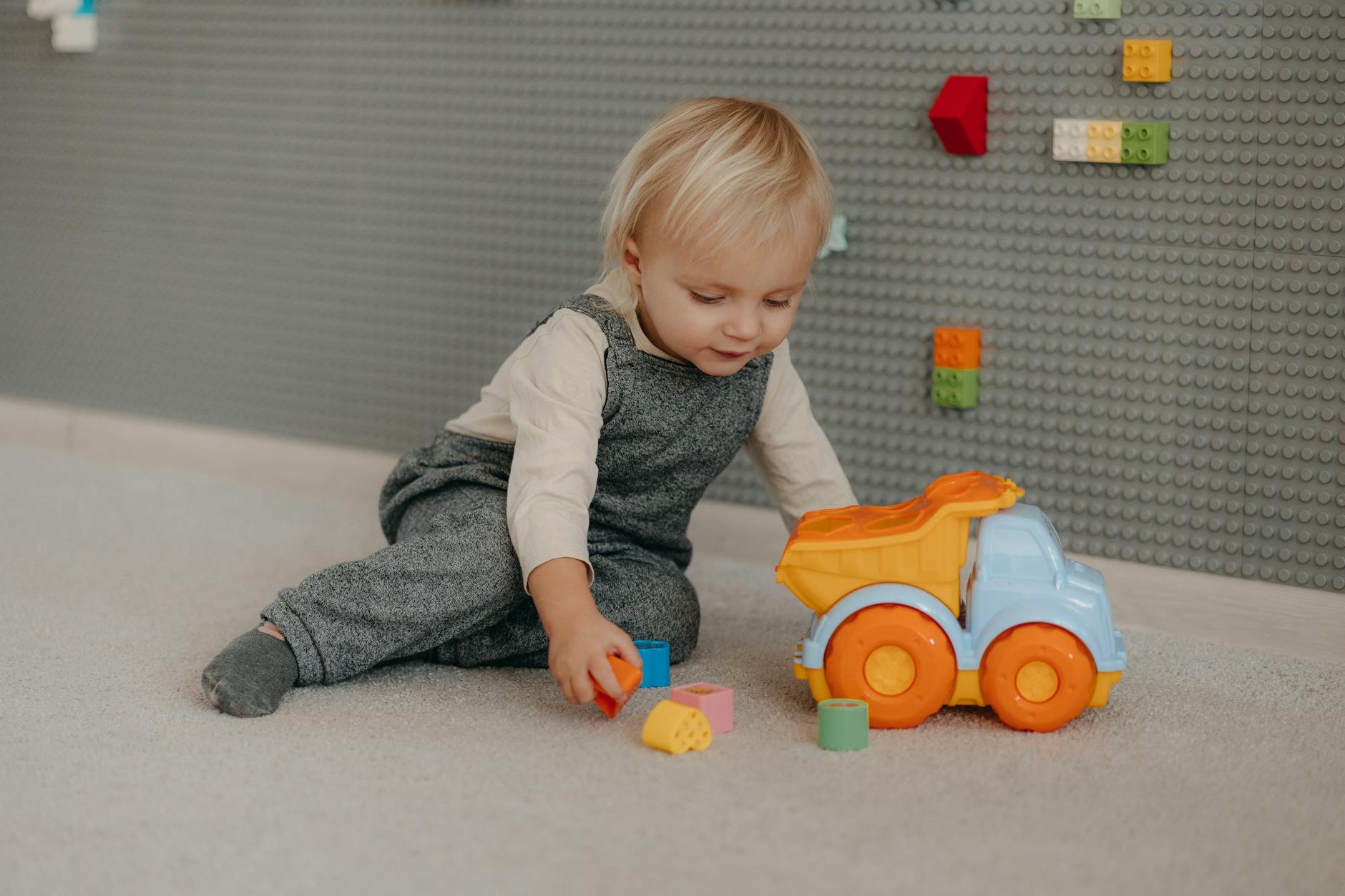
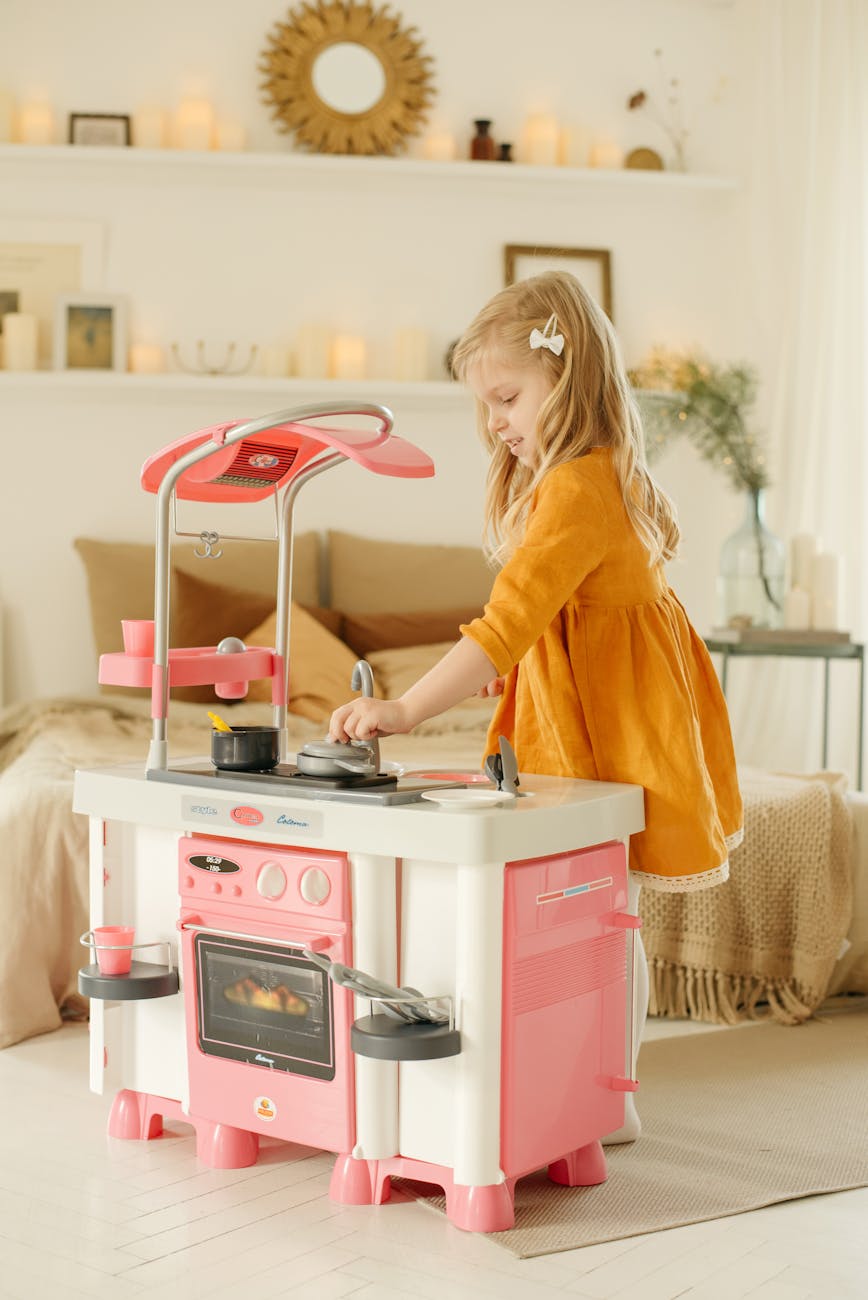
In the sensorimotor stage, learning begins through the body, touch, and direct interaction with objects. Later, in the preoperational stage, play becomes language: imagining, imitating, and creating possible worlds. Finally, during the stage of concrete operations, the child organises, classifies, and understands relationships, integrating experience into more complex structures of thought.
Play as the structure of development
The role of play in child development is not uniform; it evolves alongside the brain. According to the developmental theory of Jean Piaget, children move through distinct stages in which the way they learn — and therefore the way they play — changes.
In the sensorimotor stage (0–2 years), knowledge is built through the body, the senses, and direct interaction with the environment. Later, in the preoperational stage (2–7 years), symbolic thinking emerges: objects cease to be what they are and become what they can represent. Finally, during the stage of concrete operations (7–12 years), the child organises, classifies, and understands relationships, integrating experience into more complex structures of thought.
From sensory exploration to symbolic play and concrete logic, play accompanies each stage of development. But more than accompanying it, it actively constructs it.
The playground as a learning environment
A well-designed play space is not merely a place for recreation.
It is an environment that materialises opportunities for learning.
At a cognitive level, it introduces physical and spatial challenges that require anticipation, evaluation, and adaptation. Building with sand, balancing on a log, or moving across uneven ground are, in essence, acts of thinking.
At a social level, these spaces function as settings for spontaneous interaction, where skills such as negotiation, cooperation, and conflict resolution are practised without constant adult mediation.
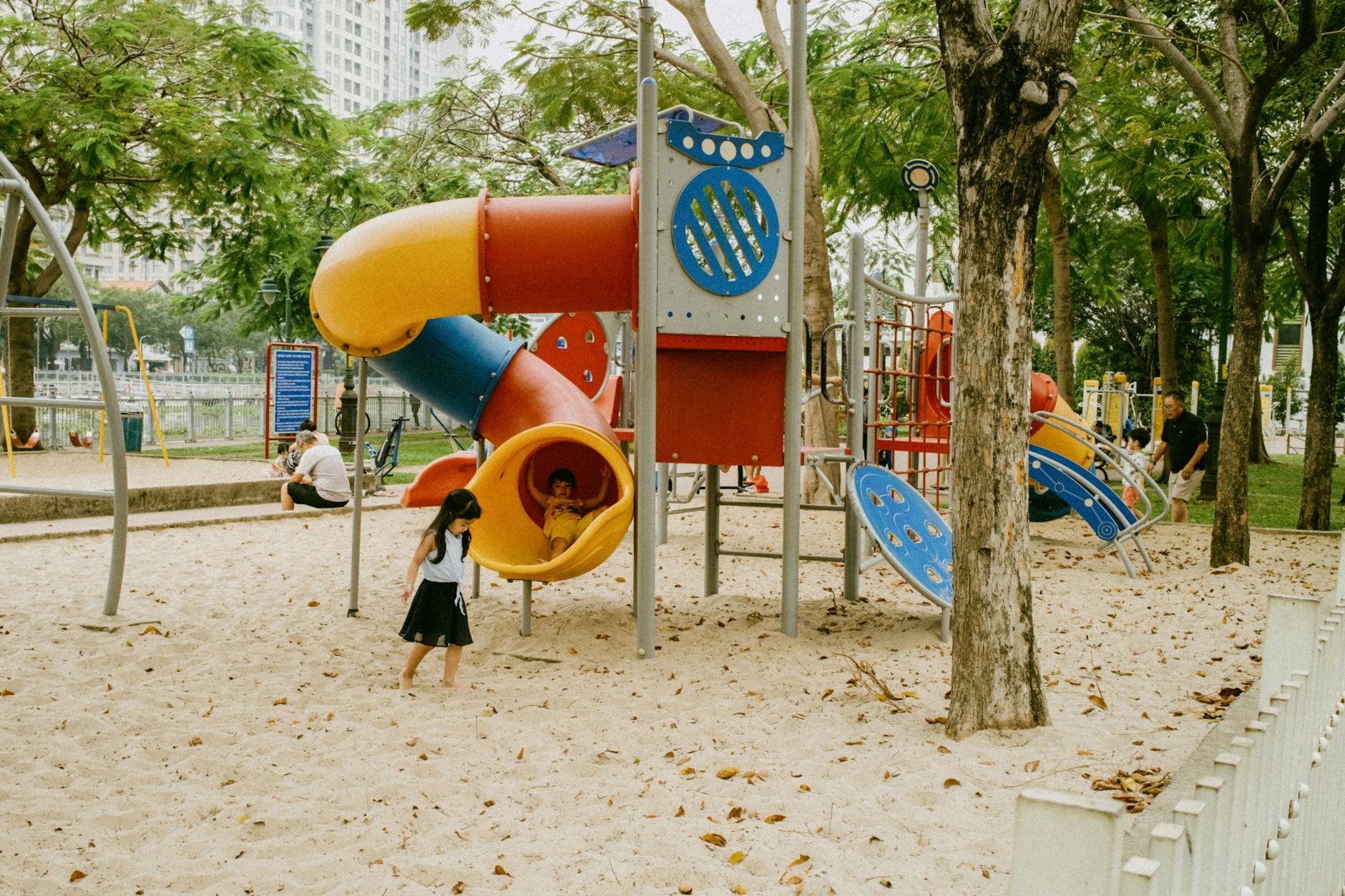
Traditional playgrounds have organised play through specific elements — slides, ladders, platforms — designed to be safe, clear, and predictable. However, this very clarity also limits ambiguity, reducing opportunities for exploration, creativity, and the autonomous construction of play.
The contemporary playground: progress and tensions
The design of playgrounds has evolved significantly since the 1990s, particularly in terms of safety and accessibility. The introduction of impact-absorbing surfaces — such as rubber, sand, or wood chips — alongside regulations governing heights and materials has substantially reduced the risk of injury. This progress has been accompanied by an important shift towards inclusion, with features that enable greater participation for children with a range of abilities.
However, this progress has also introduced a notable tension. The drive to minimise risk, while necessary, can constrain fundamental aspects of development. Play does not require protection alone; it also depends on challenge — situations that prompt children to assess, decide, and adapt.
At the same time, many contemporary playgrounds have incorporated themed and interactive elements intended to stimulate imagination. Yet evidence suggests that more open-ended environments — those that allow for multiple interpretations — support a richer diversity of play, creativity, and exploration. When a space overdefines how it should be used, it inevitably narrows the cognitive possibilities it can activate.
Although there is growing concern for sustainability and integration with the natural environment, these principles are not applied consistently. Taken together, contemporary playgrounds represent meaningful progress, but many still operate within a structured logic of play.
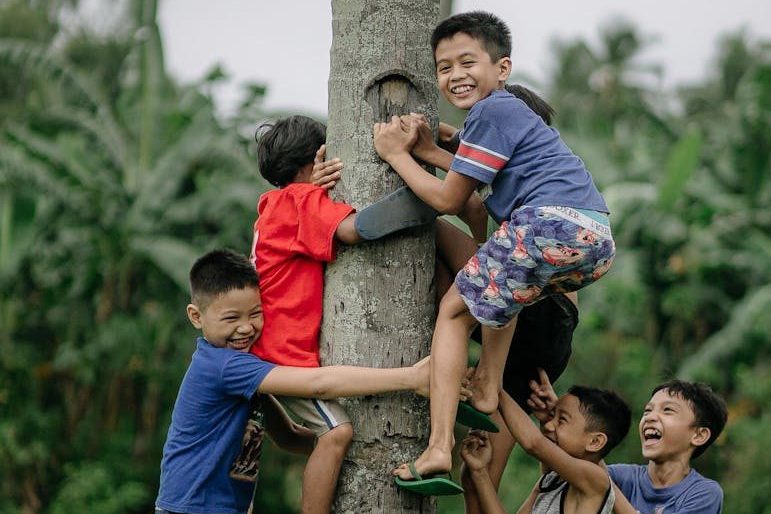
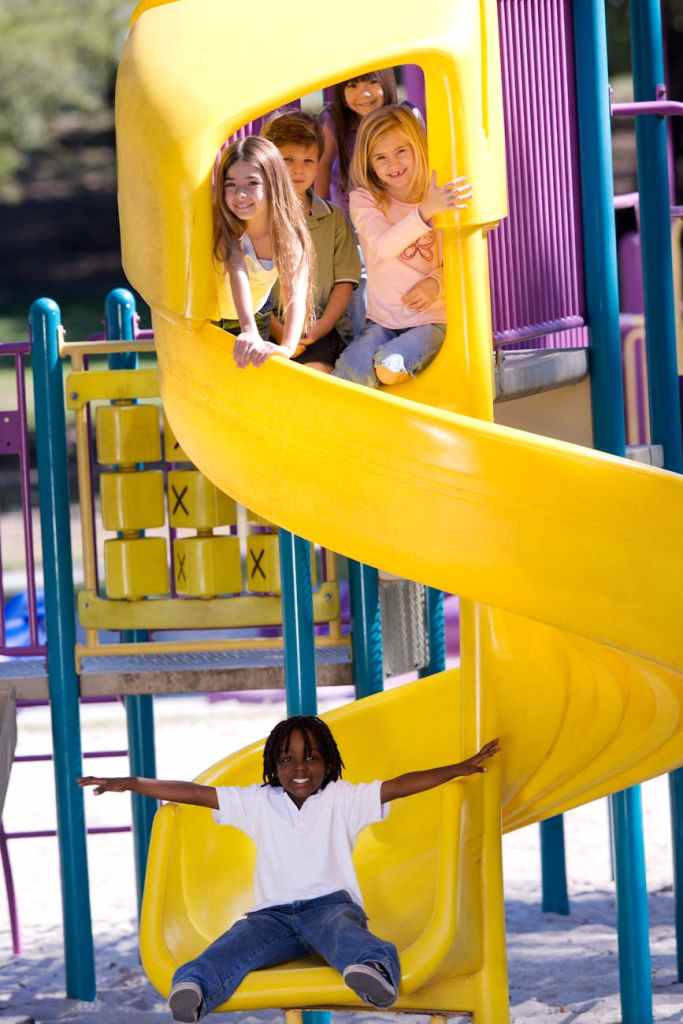
Observing how children use a space — what they choose, what they ignore, and what they transform — reveals their true needs and modes of interaction.
Diseñar con los niños, no solo para Children as active participants
One of the most significant shifts in contemporary design lies not in materials, but in process: bringing children in as active participants.
Rather than simply asking what they want, the aim is to observe how they use, transform, and interpret space. It is in these actions that real needs emerge, along with forms of play that would rarely arise from an exclusively adult perspective.
Far from being a symbolic gesture, this participation becomes a genuine design tool. It reveals spontaneous patterns of use and opens the door to more flexible and meaningful solutions. In this approach, design moves away from imposition and becomes a process of co-creation.
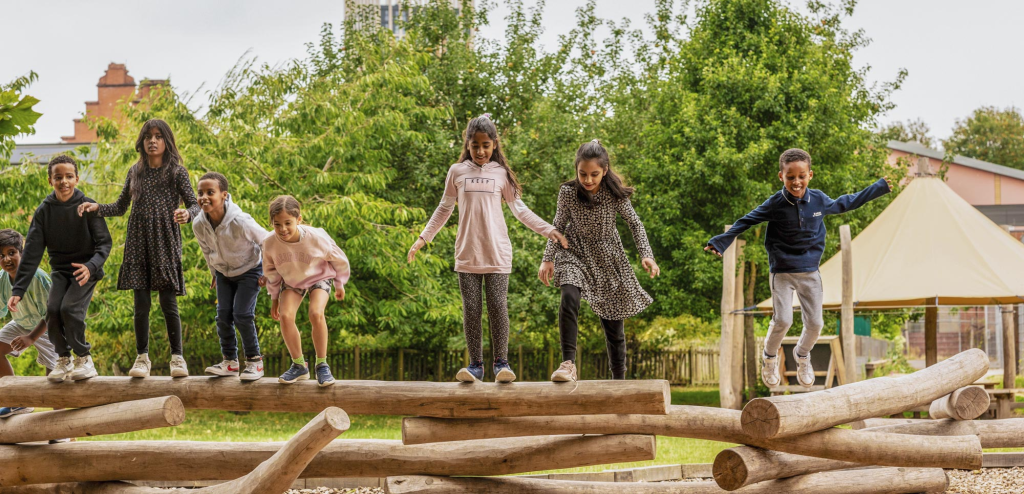
The richest play environments do not eliminate challenge; they design for it. Within them, the body thinks, mistakes teach, and learning emerges through direct interaction with the environment and with others.
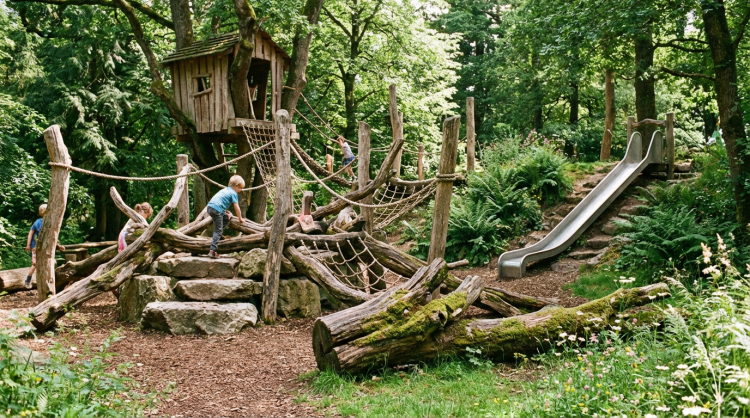
Here, there is no single path or correct way to engage. Logs, ropes, changes in level, and vegetation create an open system in which each child constructs their own experience, activating body, mind, and relationship with the environment.el entorno.
Key principles for designing the playgrounds of the future
So-called nature play spaces transform the playground into an open, dynamic environment full of possibilities. Unlike traditional playgrounds – based on fixed structures – these spaces use the variability of nature as a design tool.
One of their core principles is the use of “loose parts”: logs, branches, stones, and other elements without a predetermined function. These materials invite children to build, experiment, and collaborate, activating processes of creativity and problem-solving.
This is complemented by irregular topography — mounds, level changes, and shifting surfaces — which introduces more complex physical challenges and stimulates proprioception. The body becomes an instrument of learning, integrating perception, movement, and decision-making.
Finally, elements such as water, sand, or natural shelters expand the experience into the sensory, social, and emotional realms. These environments allow children to explore, withdraw, imagine, and construct their own narratives.
Designing a playground is not about installing structures but about architecting opportunities. The challenge for the future is not to create safer spaces but more meaningful ones — parks that do not dictate how to play but invite discovery; environments where measured risk becomes a driver of learning and where nature, in its generous imperfection, is the greatest teacher.
Ultimately, the success of a play space is measured by the freedom it offers a child to stop being a spectator and become the author of their own adventure.
Recommended Readings
- Brown, S. (2009). Play: How it shapes the brain, opens the imagination, and invigorates the soul. Avery.
- Burghardt, G. M. (2011). Defining and recognizing play. In A. D. Pellegrini (Ed.), The Oxford handbook of the development of play (pp. 9–18). Oxford University Press.
- Ginsburg, K. R. (2007). The importance of play in promoting healthy child development and maintaining strong parent-child bonds. Pediatrics, 119(1), 182–191.
- Piaget, J. (1962). Play, dreams and imitation in childhood. Norton. Piaget, J. (1952). The origins of intelligence in children. International Universities Press.
- Brussoni, M., et al. (2015). What is the relationship between risky outdoor play and health in children? International Journal of Environmental Research and Public Health, 12(6), 6423–6454.
 neurotectura.com