
Copenhagen is the world’s most liveable city. Liveability rankings measure the conditions cities provide. But cities are not experienced as numbers. They are experienced through perception, memory, emotion and the body.
Every year, cities compete for the title of the world’s most liveable, most beautiful, happiest or most desirable. The language changes, the methodologies differ, and the winners are rarely the same. But what are these rankings actually measuring — and what happens when we move beyond the numbers and ask a more human question: what makes a city feel good to live in?
The question became particularly interesting when the Economist Intelligence Unit’s Global Liveability Index 2026 placed Copenhagen at the top of its ranking for the second consecutive year. Copenhagen scored 98 out of 100, with perfect scores for stability, education and infrastructure. The EIU assesses 173 cities using more than 30 indicators grouped into five categories: stability, healthcare, culture and environment, education, and infrastructure. Its stated aim is to assess the relative comfort of living conditions across different locations.
There is nothing wrong with this approach. In fact, these are important things to measure. Reliable infrastructure, good healthcare, quality education and personal safety matter enormously to everyday life. But the moment we call a city the most liveable, something interesting happens: a complex human experience becomes a single number.
And perhaps that is where the real question begins.
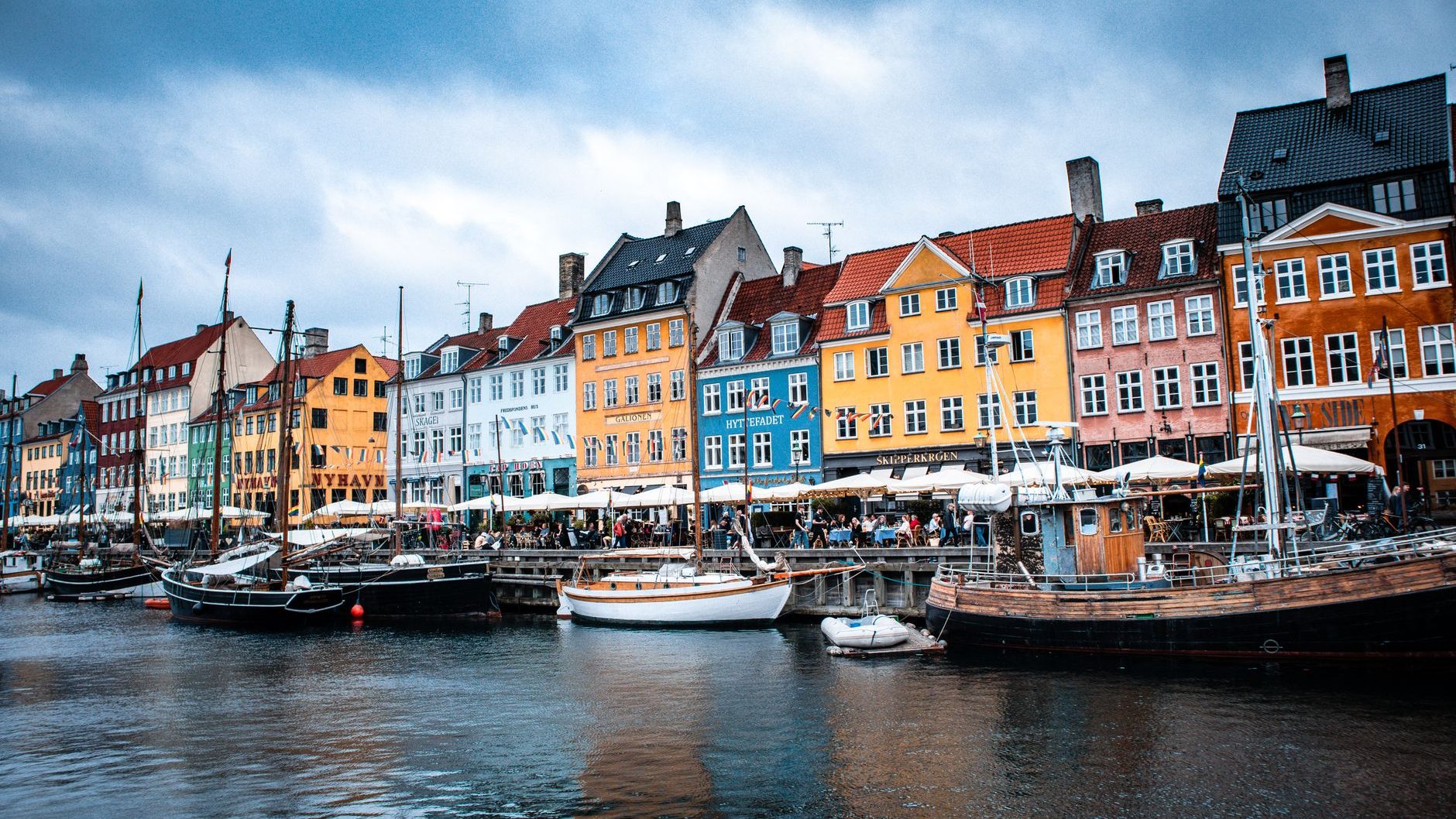
IHistoric 17th-century canal, harbour and waterfront street.
The same city, different questions
Look at what happens when we place several major city rankings next to one another. They do not necessarily disagree. They are often answering different questions.
| What are we asking? | City at the top |
|---|---|
| Most liveable — EIU Global Liveability Index 2026 | Copenhagen |
| Best city — Time Out Best Cities 2026 | Melbourne |
| Most beautiful according to locals — Time Out 2026 | Cape Town |
| Best city for culture — Time Out 2026 | London |
| Among the happiest cities — Time Out 2026 | Medellín |
| Highest proportion of locals saying they like their neighbourhood — Time Out 2026 | Medellín |
| Leading city destination for tourism — Euromonitor 2025 | Paris |
The differences become even more interesting when we look at how these results were produced. Time Out’s 2026 Best Cities ranking draws on responses from more than 24,000 people across 150 cities, combined with input from more than 100 city experts. Its questions address aspects of urban life such as food, culture, nightlife, affordability, happiness and community. Melbourne came first, followed by Shanghai, Edinburgh, London and New York. Copenhagen, meanwhile, appeared at number 13.
Neither result makes the other wrong. Copenhagen may offer exceptionally strong conditions for everyday life, while Melbourne may offer a particularly compelling combination of culture, food, creativity, community and urban energy. They are simply being judged through different lenses.
This distinction matters because the word ‘liveability’ can sound much broader than it actually is. The EIU is principally concerned with the conditions a city provides. It is not attempting to measure whether a person feels inspired walking through a particular neighbourhood, whether a street makes them want to linger, whether they find the city beautiful, or whether they feel that somewhere belongs to them.
Those experiences matter too. They are simply harder to put into a spreadsheet.

Ranked the most beautiful city according to locals in Time Out’s 2026 survey.
From measurable conditions to lived experience
The EIU’s methodology is revealing because it shows just how much is contained within the apparently simple word liveability. Stability accounts for 25 per cent of the overall score, healthcare for 20 per cent, culture and environment for 25 per cent, education for 10 per cent and infrastructure for 20 per cent. Indicators include crime, healthcare provision, cultural availability, public transport, housing, energy, water and telecommunications.
These are not superficial measures. They describe many of the conditions that make urban life possible and sustainable. A city without functioning infrastructure or adequate healthcare would be difficult to defend as a good place to live, regardless of how beautiful its streets might be.
But a city can satisfy many of these conditions and still leave people cold. Another city can be messy, noisy, unequal or difficult and yet produce an extraordinary sense of attachment.
Why?
Because living in a city is not the same as evaluating its infrastructure.
We do not encounter a city as a list of indicators. We encounter it while walking to work, looking for a place to sit, crossing a road, meeting a friend, hearing traffic, finding shade, getting lost, watching people, navigating a station, discovering a café, returning to a familiar street, or searching for somewhere quiet when the day has become too much.
The city is continuously interpreted. And that interpretation is personal.
Writing from Bogotá makes this distinction particularly tangible. It is a city that is unlikely to appear near the top of conventional global liveability rankings, yet its neighbourhoods, cultural life, landscape and everyday social experience can generate powerful attachment. The challenge is not to decide whether the city is “good” or “bad”. It is to understand how different qualities of urban life can coexist.
A city can contain contradictions
Cape Town makes the problem even more revealing.
Time Out placed Cape Town sixth in its 2026 Best Cities ranking. It also placed it first in its beauty ranking, with 86 per cent of local respondents describing their city as beautiful. Yet Cape Town continues to face serious problems of crime and inequality. The City of Cape Town’s own reporting has documented persistently high crime levels and very low proportions of residents feeling safe walking at night.
It would be simplistic to use this as evidence that one ranking is right and another is wrong.
A city can contain danger and beauty.
Inequality and belonging.
Stress and exhilaration.
Vulnerability and attachment.
These things can coexist.
In fact, perhaps this is precisely why cities are so difficult to reduce to a single score. Human beings are perfectly capable of holding contradictory responses to the same environment. We may feel unsafe in a place and still love it. We may find a city exhausting and still miss it when we leave. We may criticise its infrastructure while feeling deeply connected to its streets, sounds, food, climate or people.
The emotional relationship between people and place is rarely tidy.
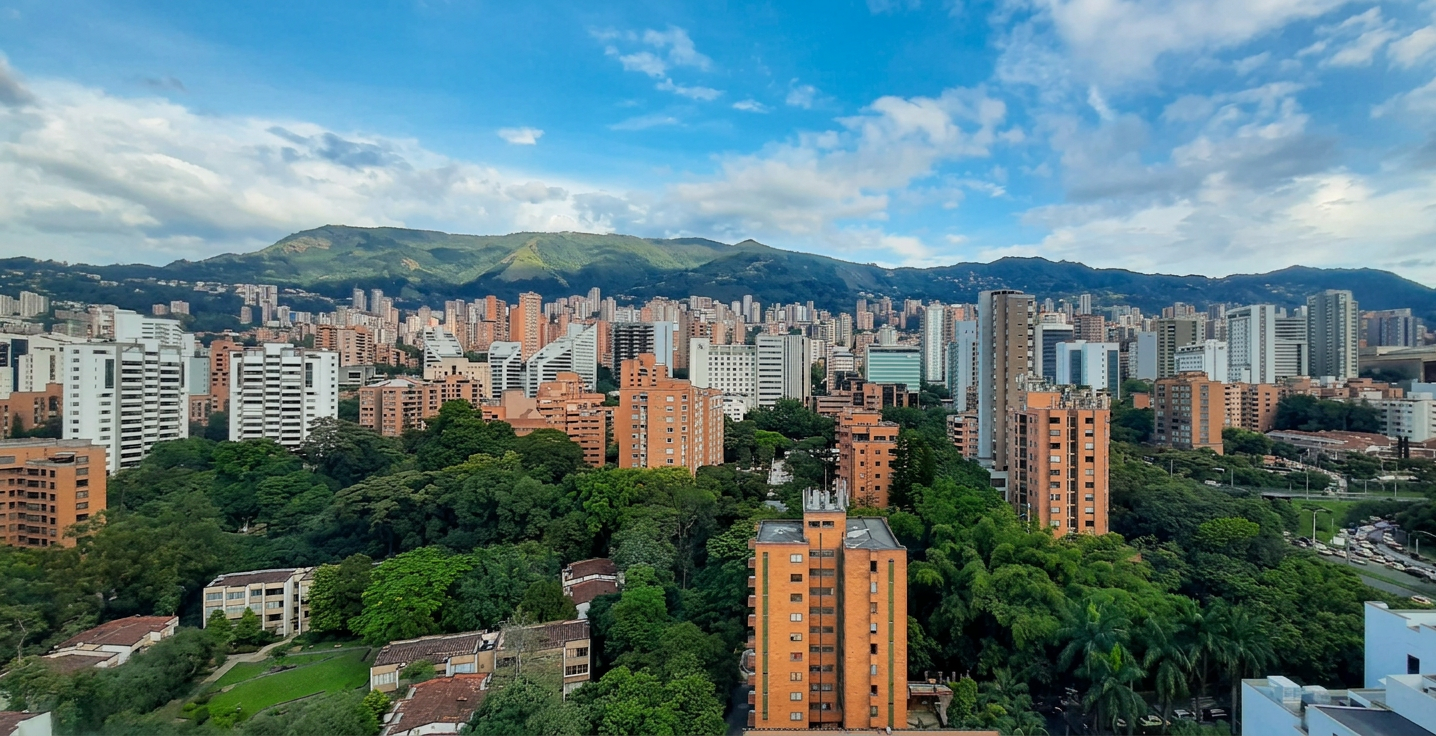
Once defined internationally by insecurity, now recognized for public-space interventions, mobility,
and neighbourhood identity .
Medellín and the changing image of a city
Medellín offers another compelling example because the city’s international image has changed considerably over time. Once strongly associated internationally with violence and insecurity, it is now also recognised for cultural life, public-space interventions, mobility, neighbourhood identity and tourism.
Time Out’s 2026 research places Medellín 35th among its best cities, but the more revealing figures are found elsewhere. Medellín ranked ninth in Time Out’s beauty survey, while 91 per cent of respondents said they liked their local neighbourhood — the highest proportion among the cities surveyed. It also ranked fourth in the publication’s happiness ranking.
The point is not that Medellín has somehow become a perfect city. It has not.
The point is that a city’s identity can change through the interaction between its physical environment, social life and people’s perception of place.
A neighbourhood is not experienced simply as buildings and infrastructure. It becomes associated with memories, routines, people, landmarks, views, sounds and possibilities. When physical changes alter what people can do in a place — how they move, meet, gather, rest or participate — they can also alter the meaning of that place.
The city becomes more than its statistics.
It becomes somewhere people have a relationship with.
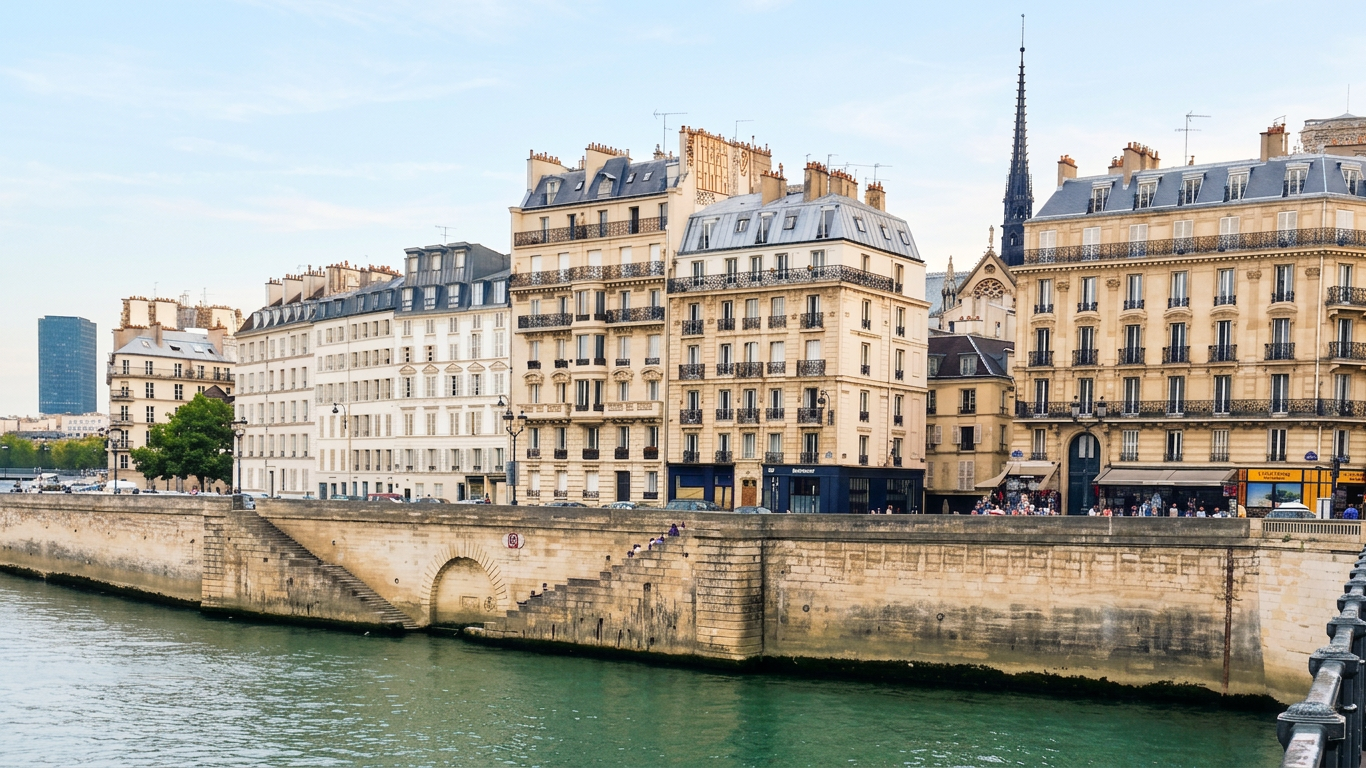
Ranked the world’s leading city destination in Euromonitor 2025 and #2 for culture in Time Out 2026.
Paris: magnet for visitors, measured differently for residents
Paris offers another useful example because it demonstrates how different measures can coexist within the same city.
Euromonitor’s Top 100 City Destinations Index 2025 placed Paris first for the fifth consecutive year, with the city welcoming more than 18 million international visitors in 2025. The index considers tourism performance, infrastructure, sustainability, health and safety, tourism policy and appeal — in other words, the qualities that contribute to a successful international destination.
Time Out, however, placed Paris at number 22 among its best cities while ranking it second for culture.
That does not mean Paris suddenly became less attractive. It means that “a city people want to visit”, “a city people find culturally compelling” and “a city that provides highly comfortable everyday living conditions” are not identical questions.
The difference becomes obvious if we imagine two people standing in the same place.
One has arrived for four days. They are delighted by the architecture, museums, cafés, boulevards and possibility of discovery.
The other has lived there for twenty years. They are thinking about rent, commuting, overcrowding, school places, noise, bureaucracy and whether they can afford to remain in the neighbourhood they love.
Same city. Same streets. Completely different experience.
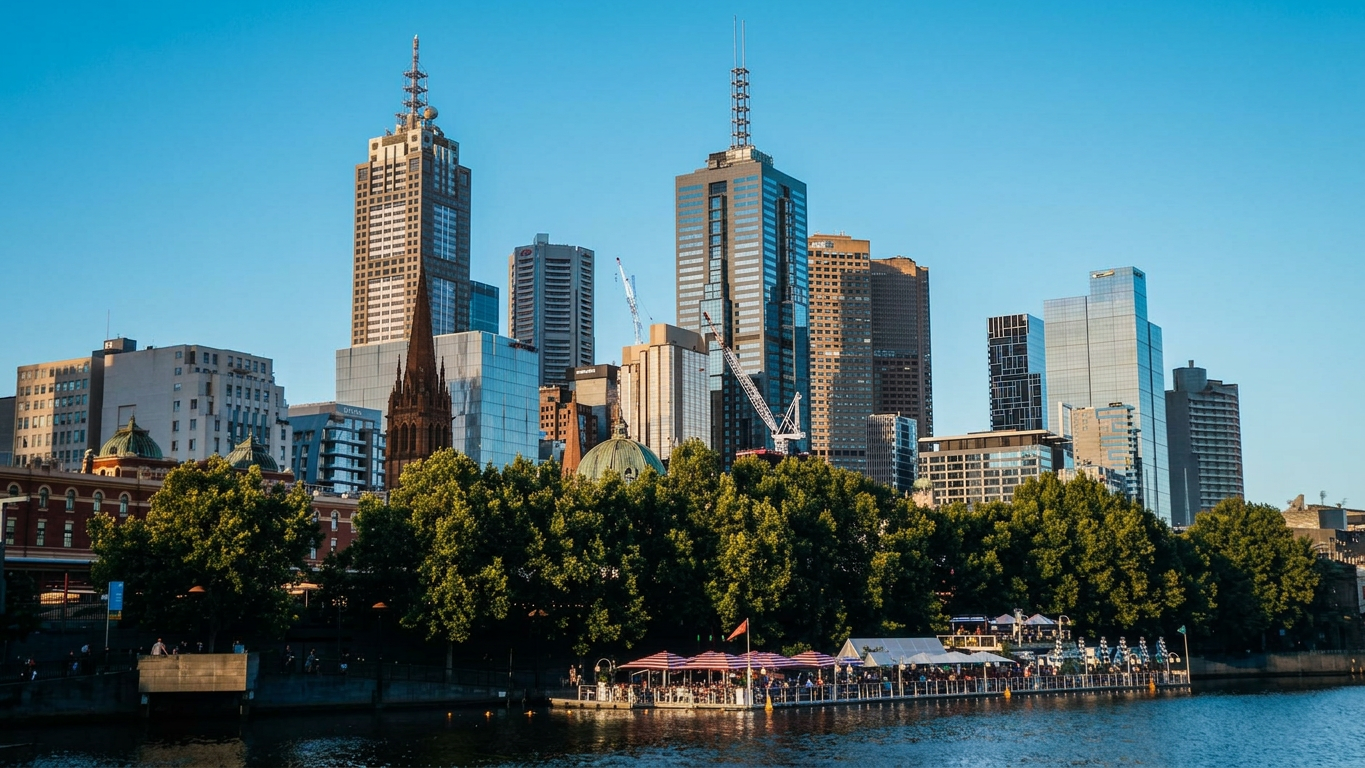
This city was voted best for its culture and everyday excitement, Copenhagen for its stability and infrastructure. Both are true, because a city is never experienced as a single score.
So what does the human brain actually experience?
This brings us back to neuroarchitecture.
Environmental psychology has long shown that our responses to environments are influenced by factors such as perceived safety, spatial legibility, sensory stimulation, social conditions and opportunities for restoration. We do not first receive a neutral image of a place and then rationally decide how we feel about it. Our bodies and brains are continuously responding to environmental cues, often before we consciously articulate what we are responding to.
That does not mean there is a simple formula for a “brain-friendly city”. Human responses to environments are far too complex for that.
Instead, it suggests that when we ask whether a city is good to live in, we might also ask questions such as:
- Do I feel safe here?
- Can I understand where I am and where I am going?
- Can I find my way without unnecessary cognitive effort?
- Do I feel welcome?
- Is the level of stimulation energising or overwhelming?
- Can I retreat when I need to?
- Can I encounter nature, quiet or restoration?
- Does this place give me opportunities for curiosity and discovery?
- Does it connect me to other people?
- Does it remind me of something—or help me create new memories?
- Do I feel that I belong here?
None of these questions can replace measures of healthcare, infrastructure or safety.
But neither can those measures replace them.
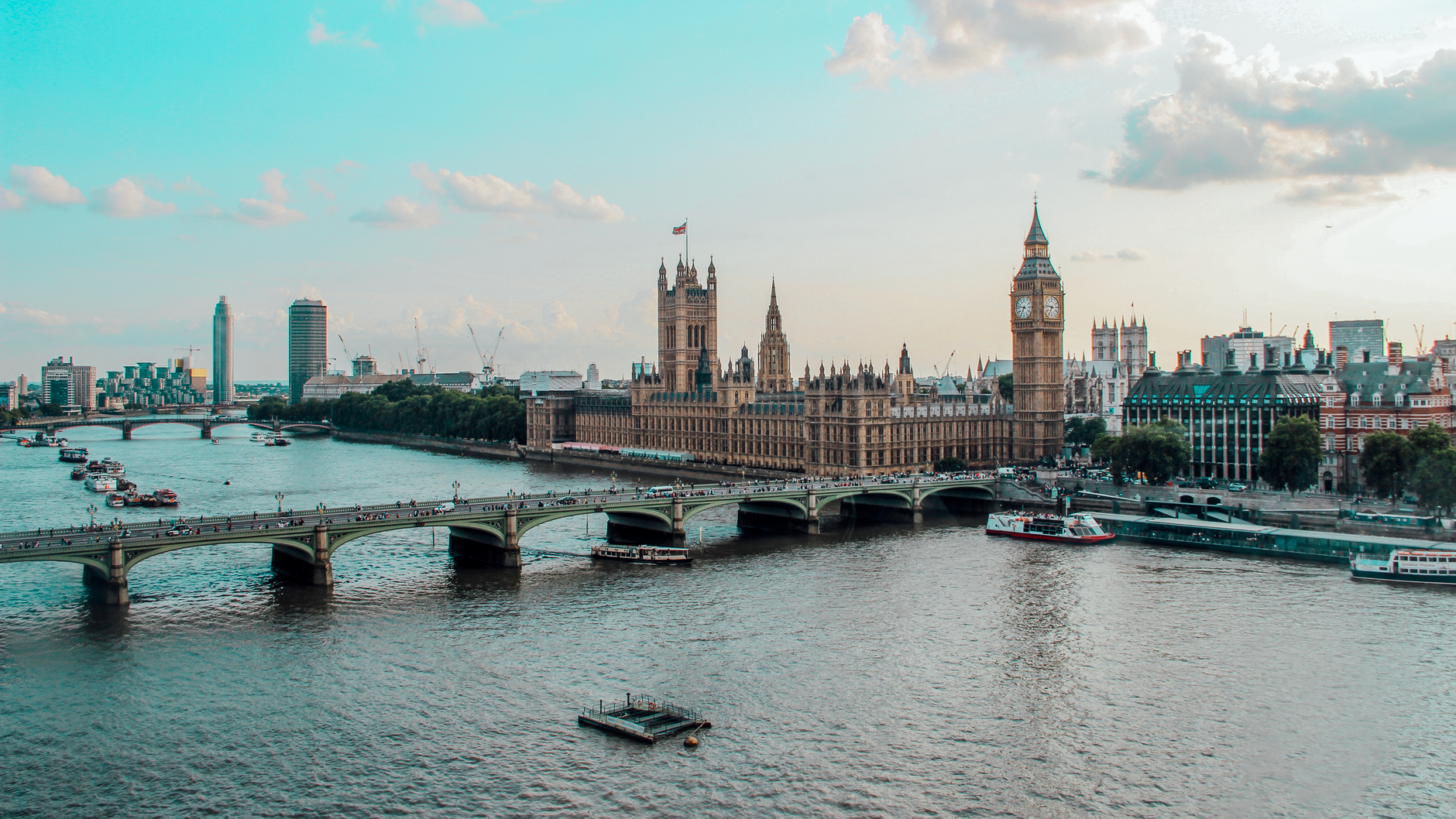
In 2026, London was celebrated for its energy and criticised for its costs. The city contains both at once — iconic, overstretched, loved and debated. Liveability is not only about conditions but also about how we ask residents how it feels to live there.
The city is not experienced by an average person
There is another problem with the idea of a single “best” city.
Who is the city best for?
A young professional and an older adult may experience the same transport system very differently. A parent with a small child may value proximity to schools and parks in ways that a student does not. Someone with mobility difficulties will encounter pavements, crossings and public transport differently from someone who can move easily through the city. A newcomer may experience an environment as confusing that a long-term resident finds effortlessly familiar.
And sensory experience matters too.
Noise, crowds, visual complexity, artificial lighting, smells, unpredictable movement and the availability of quiet space can be experienced very differently from one person to another. What feels vibrant and exciting to one person may feel exhausting or overwhelming to another.
This is where neurodiversity becomes an important part of the conversation.
If no two people experience a city in exactly the same way, then designing for an imaginary “average user” can never tell the whole story. The goal is not necessarily to eliminate stimulation, complexity or unpredictability. It is to create environments with enough variation and choice that different people can regulate their experience.
A city should not have to feel the same to everyone in order to work well.
Perhaps it should give people different ways of experiencing it.
Visitor, resident — and everything in between
There is also a difference between the city we visit and the city we inhabit.
Visitors often seek novelty. They want beauty, culture, food, excitement and memorable experiences. They may tolerate crowds, noise and inconvenience because these are part of the adventure.
Residents cannot remain tourists in their own city.
They have to get to work on Monday morning.
They need functioning schools, healthcare, housing, transport and public services. They need somewhere to rest. They need to feel reasonably safe. They need access to everyday necessities without spending hours navigating the city.
But long-term residents also develop something a visitor cannot immediately possess: familiarity.
A particular street may become meaningful because someone walked along it every day for ten years. A small park may be important because it is where children played. A café may matter because it became part of a routine. A view may become associated with a period of someone’s life.
This is one reason that the qualities people love about cities cannot always be identified through objective measures alone.
A city is also made of memory.
Perhaps we have been asking the wrong question
The problem, then, may not be that city rankings are inadequate. It may be that we expect one ranking to answer a question that has several different answers.
The EIU can tell us which cities provide particularly strong conditions for living according to its carefully defined criteria. Time Out can tell us which cities residents and experts consider exciting and rewarding. A tourism index can tell us which destinations attract and support international visitors. A survey of beauty can tell us how people perceive the visual character of their city.
Each tells us something. None tells us everything.
Perhaps the more useful question is not simply “Which is the world’s most liveable city?” Perhaps it is: “What makes a city good to live in—and for whom?” That small change matters.
It moves us away from the search for a universal winner and towards a more nuanced understanding of urban experience. It also brings perception back into the discussion. A city can provide excellent infrastructure but feel alienating. Another can have serious shortcomings yet generate extraordinary belonging. A place can be beautiful but inaccessible, safe but monotonous, stimulating but exhausting, efficient but emotionally distant.
And sometimes the same city can be all of these things at once.
Beyond the most liveable city
Perhaps the future of urban design is not about trying to reproduce Copenhagen everywhere. It is about understanding what makes places support human life — physically, cognitively, socially and emotionally — while recognising that people do not all need the same things from their environments.
A good city may need places that are stimulating and places that are quiet. Dense neighbourhoods and spaces for retreat. Clear routes and opportunities for discovery. Social spaces and the possibility of being alone. Nature that can be encountered casually rather than only in designated parks. Architecture that creates identity without becoming overwhelming. Public spaces that feel welcoming rather than merely accessible.
The most successful city may not be the highest-ranked, but rather the one that provides ample opportunities for a good life. This raises the crucial question of whose experiences we are assessing, as each person perceives a city through their unique perspective.
 neurotectura.com