
Copenhagen is the world’s most liveable city. Liveability rankings measure the conditions cities provide. But cities are not experienced as numbers. They are experienced through perception, memory, emotion and the body. Every year, cities compete for the title of the world’s most liveable, most beautiful, happiest or most desirable. The language changes, the methodologies differ,ContinueContinue reading “What Makes a City Good to Live In — and Who Gets to Decide?”
Category Archives: Urban Design
Cómo la percepción determina la verdadera medida del diseño
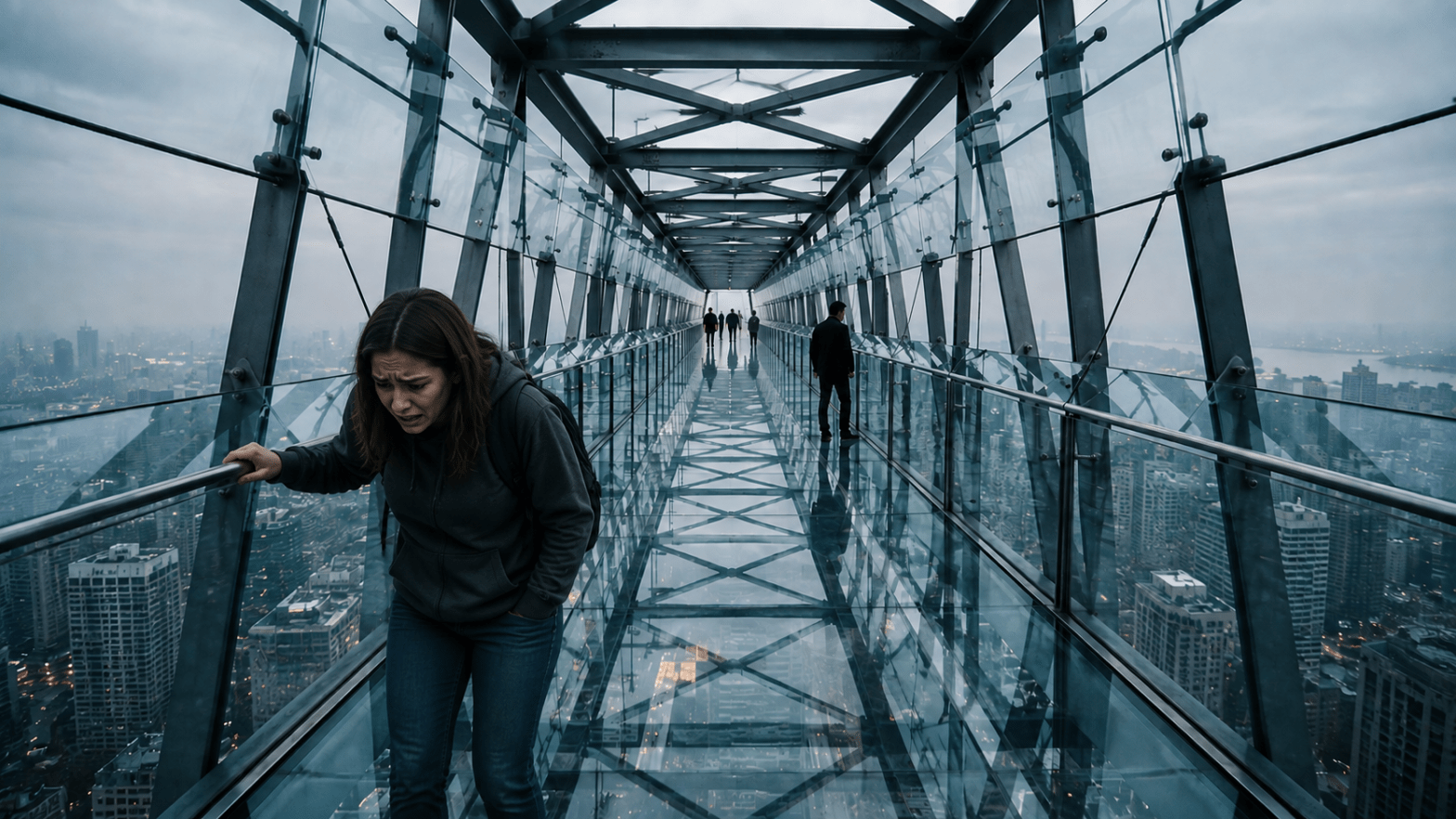
Un puente de vidrio puede ser perfectamente seguro y, aun así, resultar difícil de cruzar. La estructura puede haber sido diseñada para soportar cargas enormes, y el vidrio puede haber sido cuidadosamente probado y estar firmemente sujeto. Desde el punto de vista de la ingeniería, quizá no haya ninguna razón para temerlo. Sin embargo, paraContinueContinue reading “Cómo la percepción determina la verdadera medida del diseño”
How Perception Shapes the True Measure of Design
A glass bridge can be perfectly safe and still be difficult to cross. The structure may have been engineered to withstand enormous loads, and the glass may have been carefully tested and securely supported. From an engineering perspective, there may be no reason to fear it. Yet for many people, standing on a transparent floorContinueContinue reading “How Perception Shapes the True Measure of Design”
Not Every Green Space Is Restorative
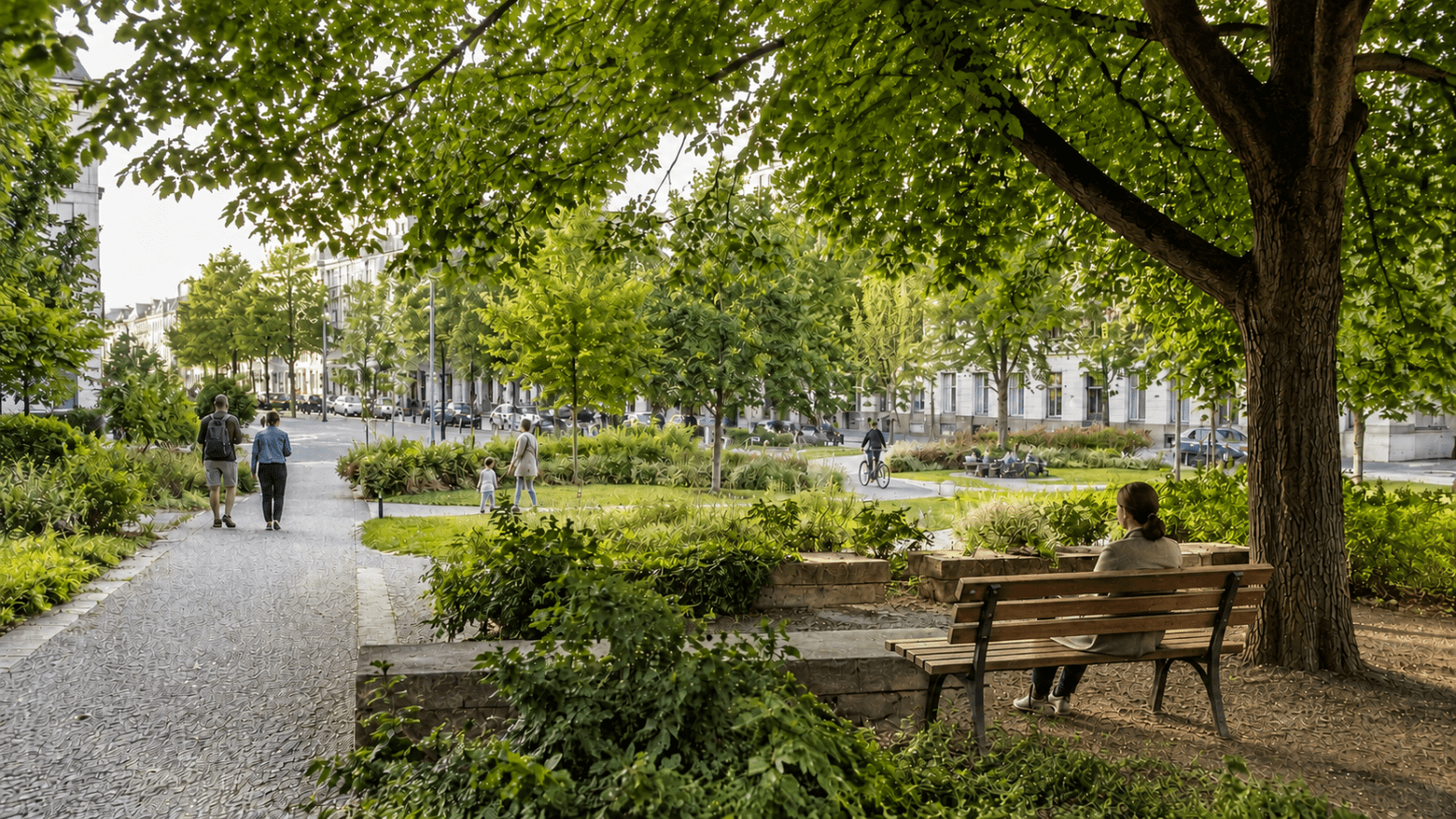
Urban parks are frequently presented as a straightforward remedy for the pressures of city life. Add trees, create a lawn, provide a path, and people will supposedly feel calmer, think more clearly, and enjoy better health. But the presence of vegetation does not automatically make a place restorative. A park may contain trees and stillContinueContinue reading “Not Every Green Space Is Restorative”
Neuroarchitecture: How Walkable Cities Fight Cognitive Decline

Population ageing is one of the most profound demographic transformations of the 21st century. According to World Health Organization (WHO) data, the proportion of the world’s population over 60 will double between 2020 and 2050, rising from 12% to 22%. This phenomenon is particularly critical in industrialised nations: in Europe, 25% of the population isContinueContinue reading “Neuroarchitecture: How Walkable Cities Fight Cognitive Decline”
Inclusive Design Beyond Accessibility

Why Architecture Must Respond to Human Diversity For decades, inclusive design in architecture was often understood through a relatively narrow lens: accessibility regulations, ramps, lifts, wider doors, and compliance checklists. While these interventions remain essential, contemporary research in neuroscience, psychology, and human-centred design suggests that true inclusion extends far beyond physical mobility. Architecture does notContinueContinue reading “Inclusive Design Beyond Accessibility”
The Hidden Energy Cost of Urban Design

Millions of people begin their day trapped in traffic, glancing anxiously at rising fuel prices. In silence, they calculate whether they can still afford to fill the tank and cover the essentials: getting to work, buying food, or taking their children to school. This everyday routine reveals a far deeper reality: modern urban life remainsContinueContinue reading “The Hidden Energy Cost of Urban Design”
Can architecture influence contemplative states of mind?

Can Architecture Influence the Mind? A narrow alley, a curved pathway, filtered light entering through a shaded corridor, or the silence beneath a vaulted ceiling can create a subtle sensation of calm and inward attention. Certain environments seem capable of slowing our thoughts, sharpening our senses, and reconnecting us with the present moment. But whatContinueContinue reading “Can architecture influence contemplative states of mind?”
Urban Density and Mental Health: A Neurourbanism Perspective

Do large cities make you feel stressed? The global shift towards urban living has not only increased density in city centres but also intensified the mental health challenges linked to stress. This growing concern has led fields such as neuroarchitecture and neurourbanism to explore how the brain processes urban environments. A recent study published inContinueContinue reading “Urban Density and Mental Health: A Neurourbanism Perspective”
The Global Climate: Between Fire and Water

Climate no longer appears as a seasonal variation, but as a convergence of simultaneous extremes. While the Southern Hemisphere burns —with devastating wildfires in Chile and across large areas of Patagonia in Argentina— the Global North and parts of Africa face persistent flooding, from the United Kingdom to Mozambique. Fire and water coexist in theContinueContinue reading “The Global Climate: Between Fire and Water”

