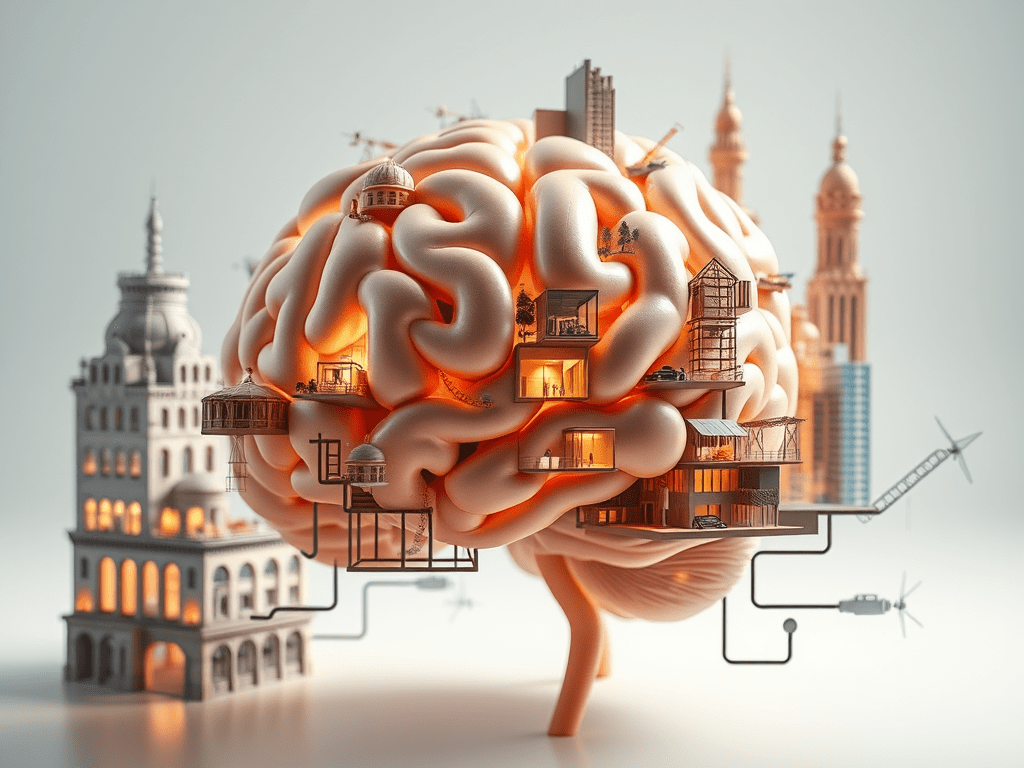
“We shape our buildings; thereafter they shape us.” This quote, often attributed to Winston Churchill, is more than a metaphor—it reflects a profound reality about the relationship between people and the built environment.
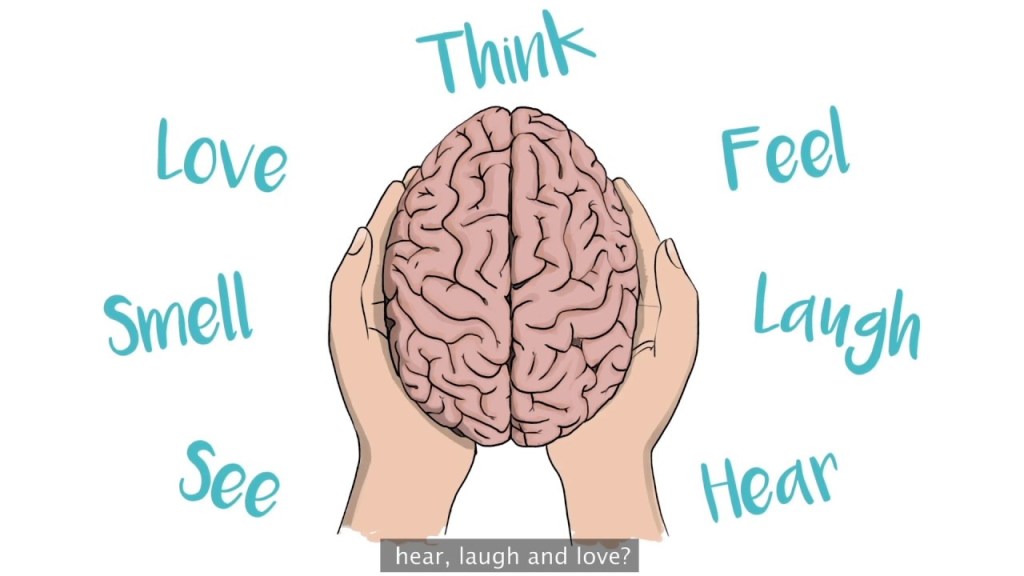
Have you ever walked into a space and instantly felt overwhelmed—or completely at peace? Architecture speaks to our senses before we even realise it. Science has proven that the spaces we inhabit shape how we feel, think, and behave. Neuroarchitecture explores this relationship, offering new insights into how design can support mental health, cognitive performance, and inclusion.
The Brain and Its Environment
The brain is the organ that regulates and coordinates everything we do. It holds our thoughts, our emotions, and governs our behaviour.
While its basic structure is genetically determined during gestation, the brain remains highly responsive to its surroundings. Scientific research now confirms that the brain continues to change throughout life in response to the environment—a phenomenon known as neuroplasticity.
This means that architecture is never neutral. It can either support or hinder brain function. Designing healthy, stimulating environments has become essential for the wellbeing of both the brain and the broader nervous system.
But this is no simple task. Every brain is different, and so are our reactions to the same space.
Our brains have a genetic component that defines the main elements of their structure from gestation, but the environment and surroundings modify it and determine the development of this organ.
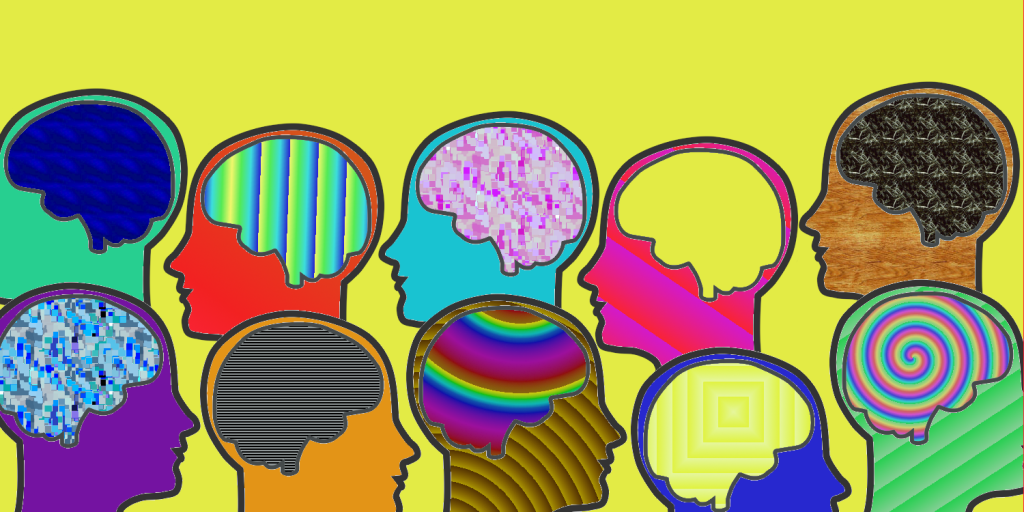
This illustration captures the rich diversity of neurological development, reflecting how each brain is uniquely wired.
As Dr Winnie Dunn explains in her work on sensory processing, we all fall somewhere on a spectrum between hyposensitivity and hypersensitivity to sensory stimuli (Dunn, 1997). A space that feels calming to one person may be unbearable for another.
This is particularly relevant in environments with strong visual, auditory, or tactile features. Individuals with photosensitive epilepsy, for example, may be affected by flashing lights, sharp contrasts between light and dark, or flickering screens. What seems like a design flourish to one visitor might trigger a seizure in another.
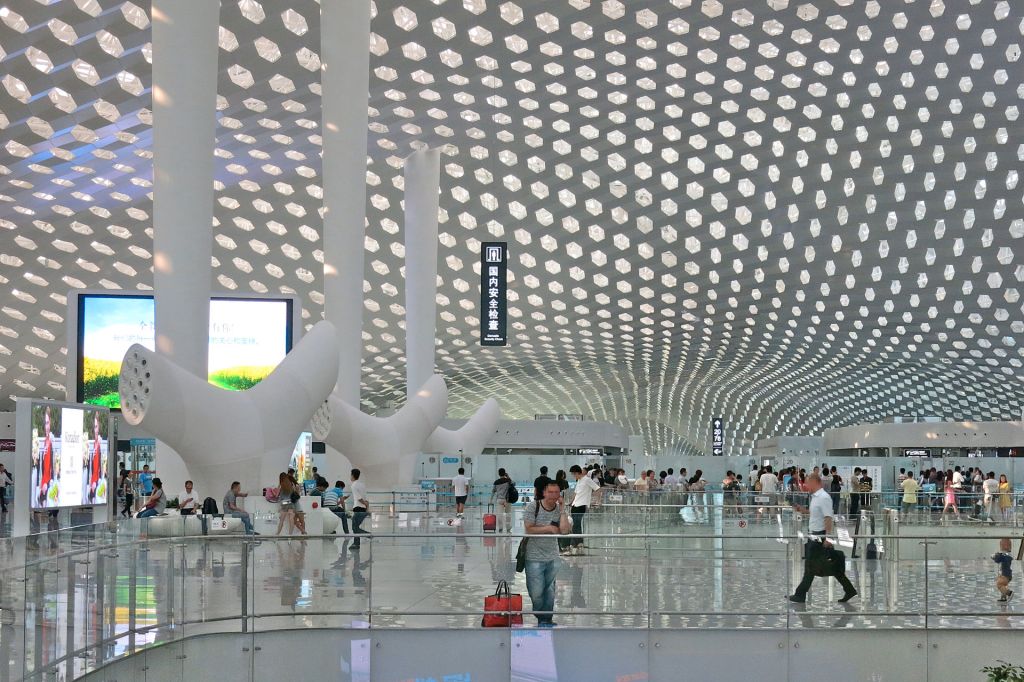
Professor Arnold Wilkins has also explored how certain visual environments can provoke phobic reactions. Patterns, lighting, and spatial density can lead to responses such as sweating, anxiety, increased blood pressure, or even panic attacks. For people with trypophobia, patterns like clusters of holes—found in natural forms like lotus seed pods or beehives—can provoke intense discomfort.
Phobias related to environmental and visual perception include agoraphobia, claustrophobia, acrophobia, and trypophobia. These conditions can severely impact daily life and reduce performance in work, academic, social, and family environments.


Understanding Neurodivergency
Recently, two broad categories of neurological functioning have been recognised: neurotypical and neurodivergent.
The term neurodivergent describes individuals whose brains function in atypical ways. This includes people with:
- Attention Deficit Hyperactivity Disorder (ADHD)
- Autism Spectrum Disorder (ASD)
- Dyslexia, dyspraxia, synaesthesia, or dyscalculia
- Tourette syndrome or epilepsy
- Mental health conditions like depression or phobias
- Neurodegenerative diseases such as Alzheimer’s
The World Health Organization (WHO) estimates that 1 in 100 people worldwide is autistic and that 50 million people live with dementia—a number projected to triple by 2050. In Barranquilla, Colombia, between 15–17% of children aged 6 to 17 are diagnosed with ADHD.
These figures underscore the urgent need to rethink how we design spaces—not just for the “average” user, but for the full range of cognitive and sensory differences.
From Accessibility to Inclusion
Over the past four decades, the concept of architectural accessibility has evolved. It is no longer limited to ramps or lifts. Today, good design and legislation demand that we consider those with reduced mobility, vision, or hearing—whether temporary or permanent.
But accessibility must go further. When we acknowledge that every brain is unique, we begin to see that most environments—schools, offices, hospitals, public transport—are shared by neurotypical and neurodivergent people alike. Some are hypersensitive to noise or light; others may have spatial phobias or different ways of processing information.
Designing inclusive environments means creating spaces that allow everyone to thrive. Architect Steve Maslin, in Designing for the Mind (2021), reminds us that inclusive design must become the norm, not the exception.

A Case Study: The Sainsbury Wellcome Centre
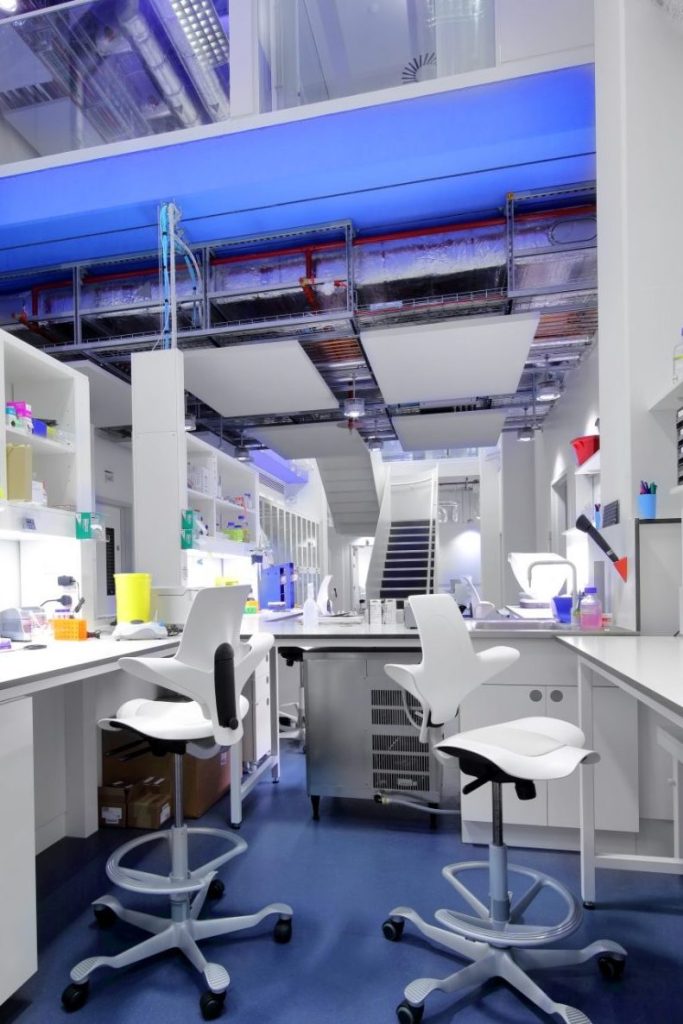
One example of inclusive design in practice is the Sainsbury Wellcome Centre (SWC) in London. This neuroscience research centre was designed with neurodiversity in mind—its spaces are adaptable and flexible, allowing users to tailor their environment to personal preferences.
Lighting, heating, and ventilation systems follow a “plug and play” model. Instead of being centrally controlled, these elements can be adjusted individually, helping staff avoid unnecessary stress or overstimulation.
Conference rooms can be subdivided depending on the needs of a lecture, group discussion, or exhibition. This adaptability supports productivity and reduces the risk of burnout or sensory overload.
The WHO encourages the development of inclusive, supportive environments for people with autism and other developmental disabilities. The SWC is a leading example of how architectural choices can fulfil that vision.
The World Health Organization urges the development of environments that are not only inclusive but genuinely supportive of individuals with autism and other developmental conditions.
Why Inclusive Design Benefits Everyone
Perhaps the most powerful argument for designing with neurodiversity in mind is this: everyone benefits.
Neuroarchitecture isn’t about targeting a niche group. It’s about creating environments that respect human variation—where flexibility, comfort, and psychological safety are prioritised.
This ethos aligns with the principles of Universal Design: when you design for the edges of human experience, you create better solutions for the centre too.
References
Doidge, N. (2007). The Brain That Changes Itself: Stories of Personal Triumph from the Frontiers of Brain Science. Viking.
Dunn, W. (1997). The Impact of Sensory Processing Abilities on the Daily Lives of Young Children and Their Families: A Conceptual Model. Infants & Young Children, 9(4), 23–35. https://doi.org/10.1097/00001163-199704000-00005
Maslin, S. (2021). Designing for the Mind: A Guide to Creating Environments That Enhance Mental Wellbeing. RIBA Publishing.
Wilkins, A. J. (1995). Visual Stress. Oxford University Press.
Wilkins, A. J., Nimmo-Smith, I., Tait, A., McManus, C., Della Sala, S., Tilley, A., Arnold, K., Barrie, M., & Scott, S. (1984). A neurological basis for visual discomfort. Brain, 107(4), 989–1017. https://doi.org/10.1093/brain/107.4.989
World Health Organization. (2023). Autism. Retrieved from https://www.who.int/news-room/fact-sheets/detail/autism-spectrum-disorders
World Health Organization. (2021). Dementia. Retrieved from https://www.who.int/news-room/fact-sheets/detail/dementia
Sainsbury Wellcome Centre. (n.d.). About the building. Retrieved from https://www.sainsburywellcome.org/web/about/building
Photosensitive Epilepsy https://epilepsysociety.org.uk/about-epilepsy/epileptic-seizures/seizure-triggers/photosensitive-epilepsy
 neurotectura.com