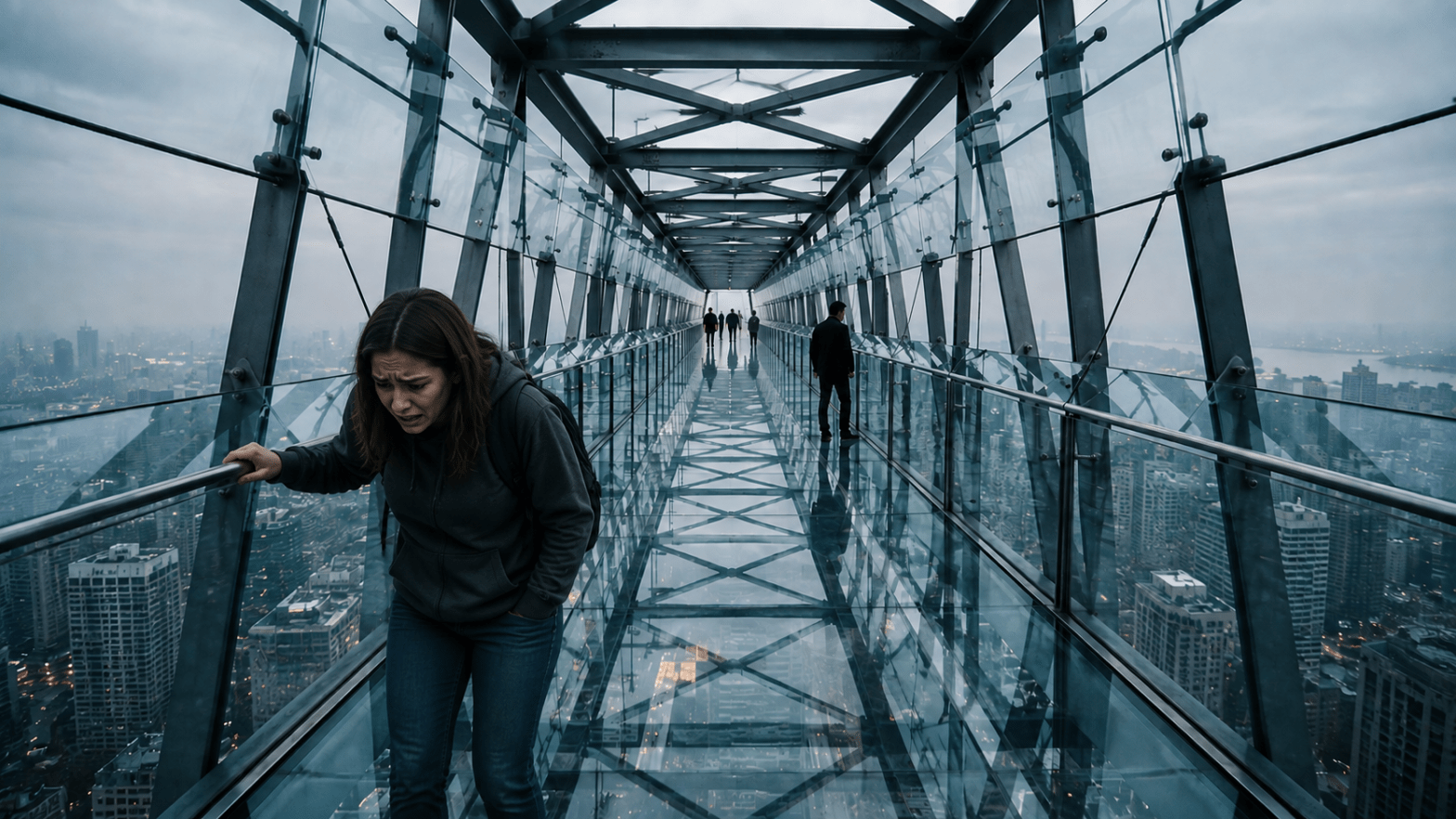
Un puente de vidrio puede ser perfectamente seguro y, aun así, resultar difícil de cruzar. La estructura puede haber sido diseñada para soportar cargas enormes, y el vidrio puede haber sido cuidadosamente probado y estar firmemente sujeto. Desde el punto de vista de la ingeniería, quizá no haya ninguna razón para temerlo. Sin embargo, paraContinueContinue reading “Cómo la percepción determina la verdadera medida del diseño”
Category Archives: Human-centred Design
How Perception Shapes the True Measure of Design
A glass bridge can be perfectly safe and still be difficult to cross. The structure may have been engineered to withstand enormous loads, and the glass may have been carefully tested and securely supported. From an engineering perspective, there may be no reason to fear it. Yet for many people, standing on a transparent floorContinueContinue reading “How Perception Shapes the True Measure of Design”
The Hidden Energy Cost of Urban Design

Millions of people begin their day trapped in traffic, glancing anxiously at rising fuel prices. In silence, they calculate whether they can still afford to fill the tank and cover the essentials: getting to work, buying food, or taking their children to school. This everyday routine reveals a far deeper reality: modern urban life remainsContinueContinue reading “The Hidden Energy Cost of Urban Design”
Aggressive Behaviour and Environmental Overload

When Space Overwhelms Us: From Stimulus to Behaviour A child walks back into the classroom after break. Just moments before, they were running, laughing and playing without any difficulty. But as they cross the threshold, something shifts. The noise feels louder, the voices of classmates become unsettling, and the light seems harsher than before. SmallContinueContinue reading “Aggressive Behaviour and Environmental Overload”
Neurodiversity and Architecture: From Awareness to Inclusion (April Focus)

Every 2 April, global attention turns to autism. The date was established in 2007, when the United Nations adopted Resolution A/RES/62/139, giving rise to World Autism Awareness Day, first observed in 2008. Far from being a purely symbolic gesture, this initiative responded to an urgent need: to make visible the lives of millions of peopleContinueContinue reading “Neurodiversity and Architecture: From Awareness to Inclusion (April Focus)”
How Do We Imagine the Architecture of Happiness?
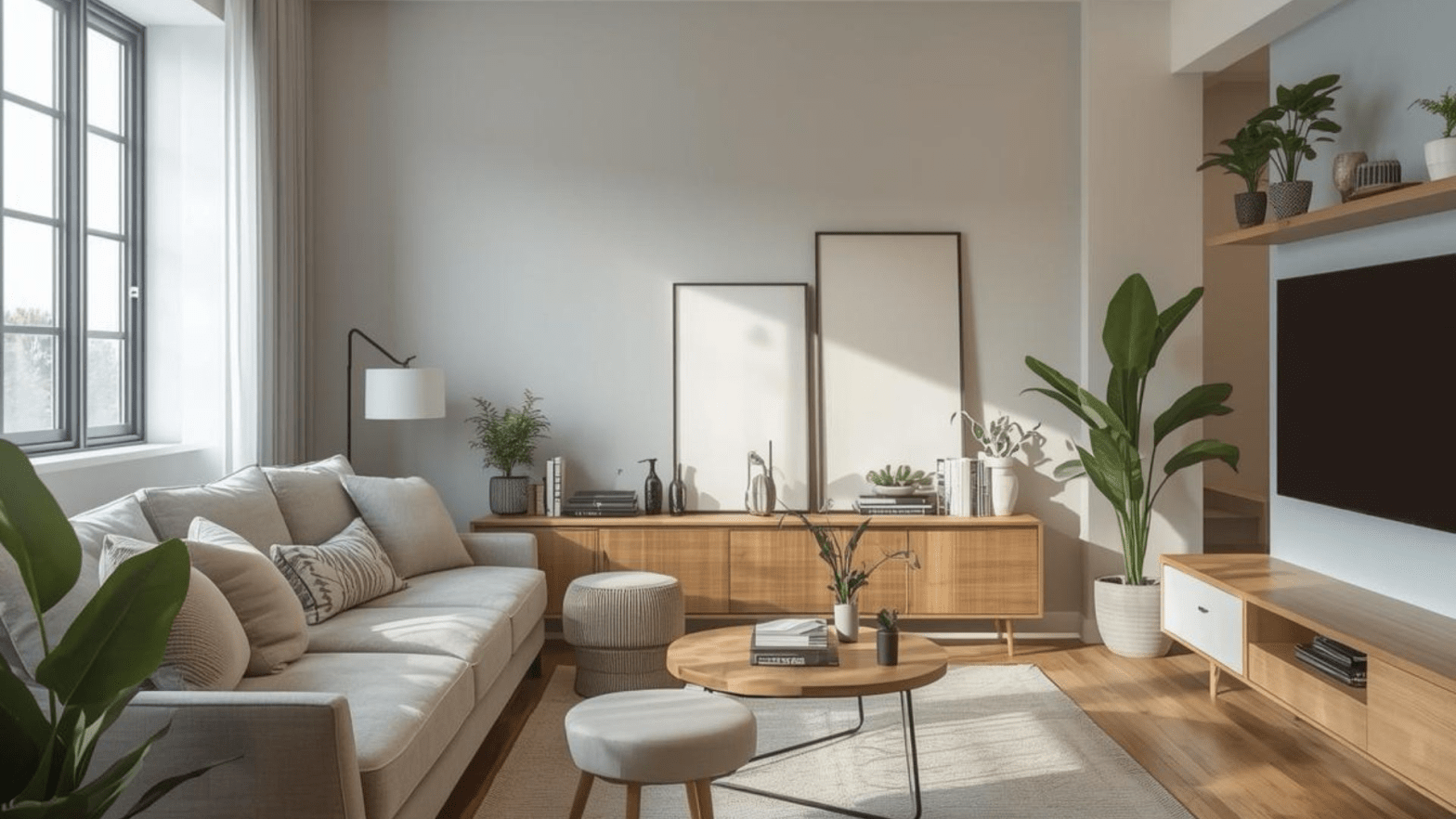
In 2006, the philosopher Alain de Botton published The Architecture of Happiness, an essay built around a simple yet transformative idea: the spaces we inhabit have a profound influence on our emotional and psychological wellbeing. Rather than approaching architecture as a purely technical or aesthetic discipline, de Botton places it firmly within a human context.ContinueContinue reading “How Do We Imagine the Architecture of Happiness?”
Neuroarchitecture: The Physics of Design and Its Impact on the Brain

Why would a physicist take an interest in architecture? At first glance, the laws that govern the universe and the design of the spaces we inhabit appear to intersect only at a technical level—through structural forces, plumbing systems, ventilation, or thermal control. Yet, the connection runs far deeper. Both disciplines are concerned with systems, structures,ContinueContinue reading “Neuroarchitecture: The Physics of Design and Its Impact on the Brain”
Stress: The Impact of a View on Our Wellbeing

Stress is a necessary biological response that allows us to react, adapt and survive in a constantly changing environment. When the brain perceives a threat — whether real or symbolic — it activates the nervous system and releases hormones such as cortisol and adrenaline, preparing the body to respond quickly. This reaction, known as theContinueContinue reading “Stress: The Impact of a View on Our Wellbeing”
Luxury and Liveability: Lessons from Versailles

The Palace of Versailles, one of the most imposing royal residences in Europe, was conceived as a political instrument. Under the reign of Louis XIV, France sought to consolidate absolute power after decades of internal unrest. Versailles became the ideal stage upon which that ambition could be made visible. To prevent conspiracies and uprisings, theContinueContinue reading “Luxury and Liveability: Lessons from Versailles”
Tiny Houses: Living Small Between Freedom and Sensory Load

Over the past decade, tiny houses have shifted from an alternative curiosity to an aspirational symbol. Small, tidy, and carefully photographed, they appear to promise a simpler way of living. But when we move beyond the image and consider the body that inhabits these spaces—the brain, the senses, everyday life—the question changes: Can a dwellingContinueContinue reading “Tiny Houses: Living Small Between Freedom and Sensory Load”

