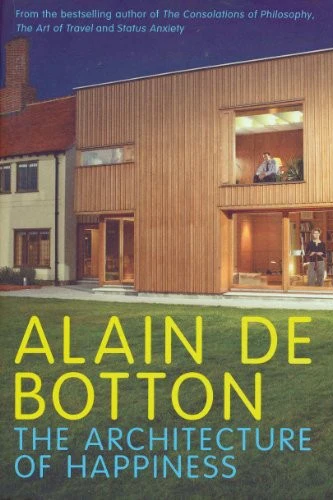
In 2006, the philosopher Alain de Botton published The Architecture of Happiness, an essay built around a simple yet transformative idea: the spaces we inhabit have a profound influence on our emotional and psychological wellbeing.
Rather than approaching architecture as a purely technical or aesthetic discipline, de Botton places it firmly within a human context. Architecture is not only about creating functional spaces but also about recognising that the built environment operates as a system of symbols—one that communicates values, shapes our emotions, and actively contributes to the construction of our identity.
From this perspective, the success of a building is not measured by its size or the quality of its materials but by its capacity to act as a true guardian of our inner life.
Architecture is not a backdrop
One of the book’s most important contributions is its challenge to the idea of architecture as a passive setting. Spaces are not simply there; they interact with us continuously.
We do not experience architecture in the abstract, but through lived experience. A house is not merely a composition of walls, proportions, and materials; it is a container of experiences. It can evoke memories of calm or conflict, belonging or estrangement. It is precisely this emotional charge that defines our relationship with it.
From a contemporary perspective, we understand that this experience is not purely subjective. The brain encodes spaces together with the emotions that accompany them. Spatial memory—mediated by structures such as the hippocampus—intertwines with emotional systems, so that a place ceases to be merely physical and becomes part of our personal narrative.
For this reason, our appreciation of a space does not depend solely on its style but on what it evokes within us.
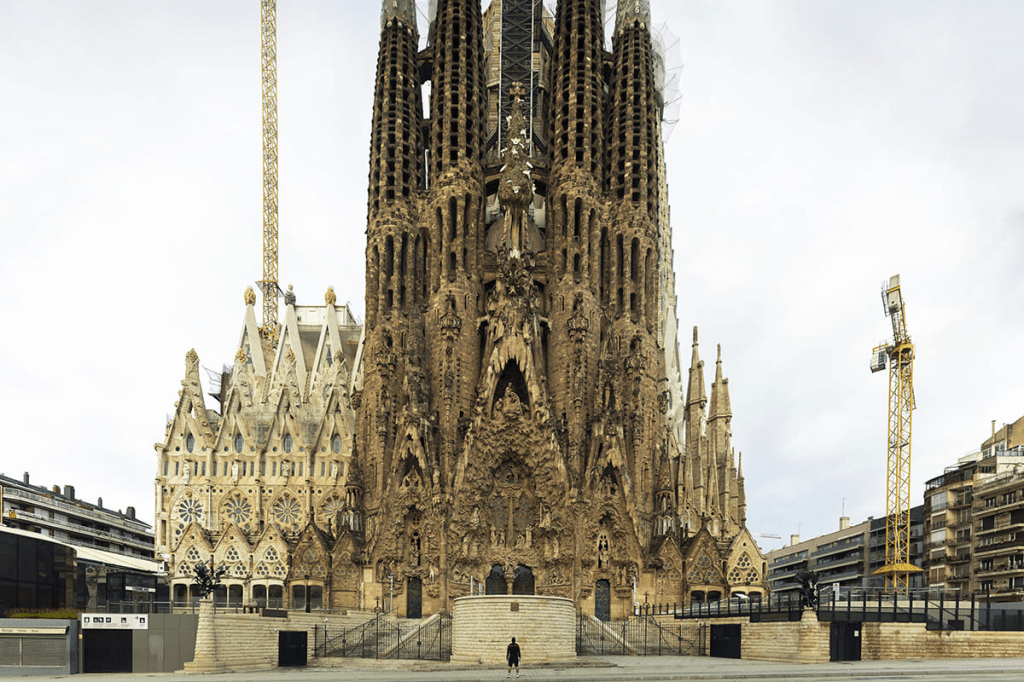
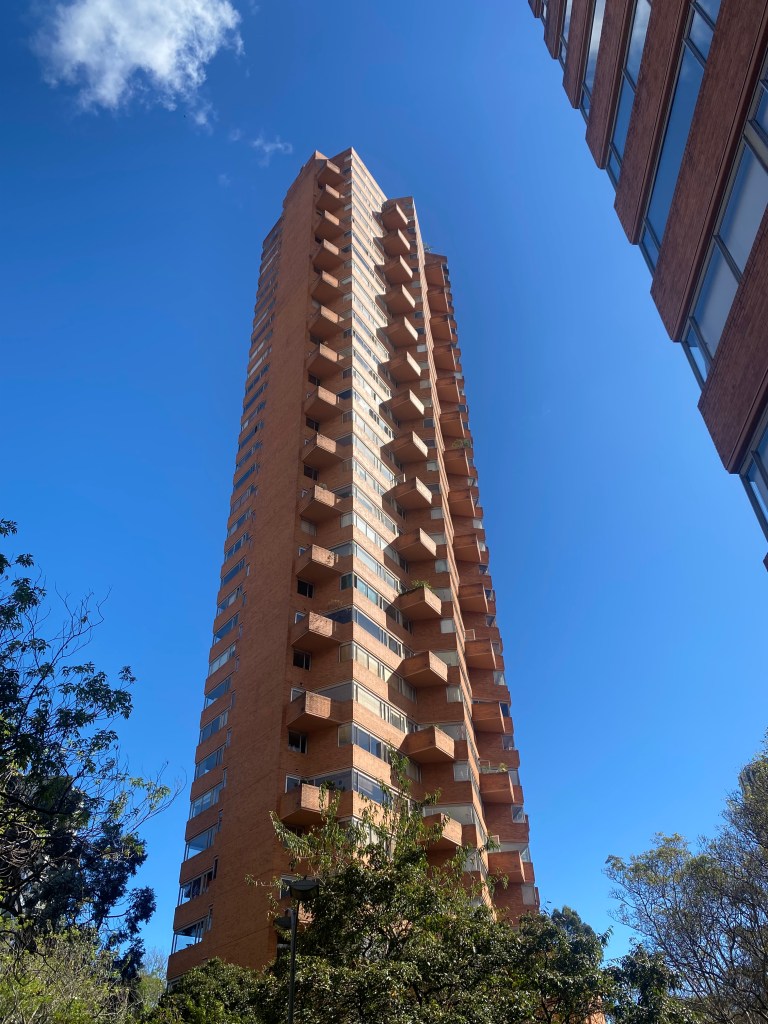

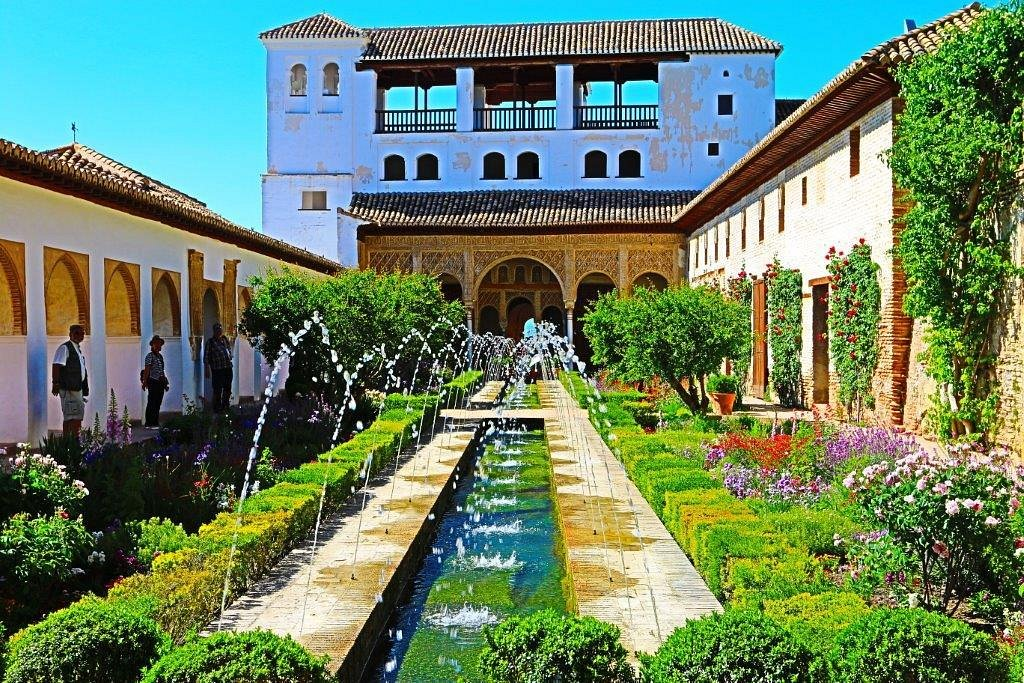
Function, aesthetics, and meaning
De Botton argues that function and aesthetics should not be understood as opposites. Architecture does not have to choose between being useful or beautiful; it must be both at once.
In this context, beauty is not a luxury or a superficial addition but a deeply human need. Drawing on Stendhal’s well-known idea that “beauty is a promise of happiness”, the author suggests that the spaces we perceive as beautiful are those that embody qualities we long for in our own lives: order, clarity, balance, and serenity.
Today, neuroscience helps us understand why. Environments with balanced natural light, legible proportions, and coherent materiality can reduce cognitive load, support attention, and lower stress levels. What we perceive as “beautiful” is not merely a cultural preference; it is often a biological response to conditions that support our wellbeing.
The architecture of happiness: beyond form
Throughout the book, de Botton examines different architectural styles and concepts such as harmony, order, and the vulnerability of built forms. His argument is clear: quality architecture should not be a privilege but a right, as it has a direct impact on social cohesion and quality of life.
In this context, buildings cease to be mere objects and become carriers of meaning.
They act as mirrors of both our aspirations and our shortcomings. We seek in our surroundings the qualities we feel are lacking within ourselves. A minimalist space may offer calm amidst chaos; a symmetrical façade may provide a sense of order when our lives feel disordered.
At the same time, spaces shape our sensibility—not explicitly, but through everyday experience. A well-considered, proportionate, and coherent environment can reinforce internal dispositions such as attention, respect, and contemplation. In this way, architecture not only reflects who we are but also influences who we may become.
The power of connection: emotion over grandeur
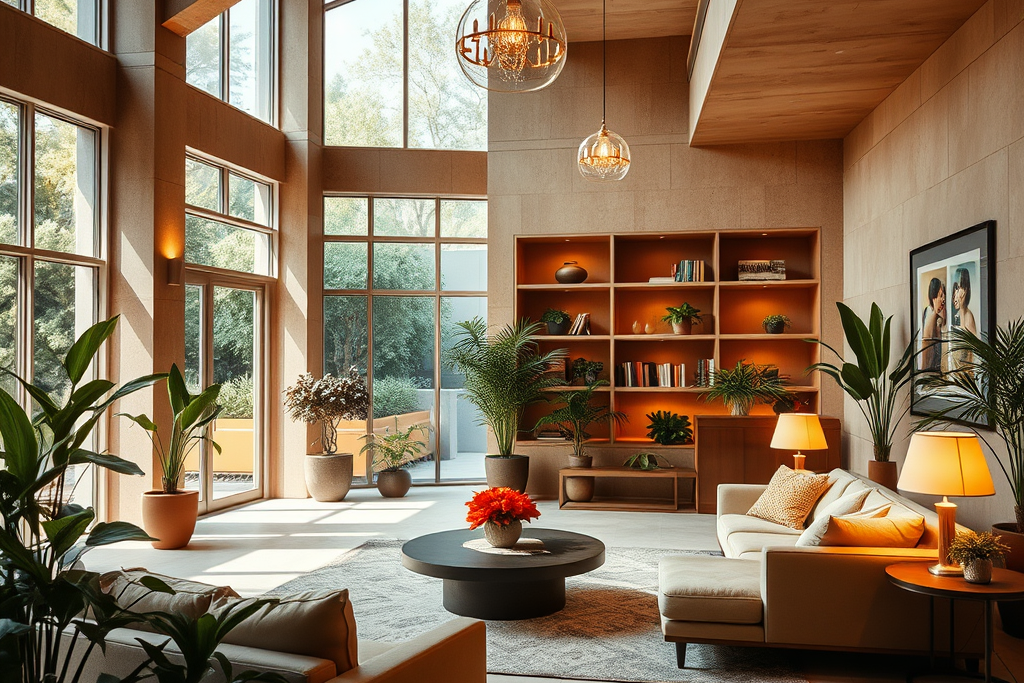
Perhaps the most powerful idea in the book is that the true “architecture of happiness” does not depend on size, luxury, or style, but on a space’s ability to create a deep emotional connection.
This connection is, to a large extent, built through memory. Seemingly insignificant details—the creak of a wooden floor, the way light enters a room, or the texture of a surface—can become anchors that bring us back to meaningful moments in our lives. In this process, space ceases to be merely a physical container and becomes a support for identity.
There is also what we might call a “mirror effect”. We tend to perceive as beautiful those spaces that reflect our values. If we value honesty, we may be drawn to exposed, unadorned materials. If we seek order, we may find comfort in clear, symmetrical compositions. In this sense, architecture translates abstract emotions into tangible form.
For this reason, a small space can feel deeply satisfying if it enables meaningful experiences, while a luxurious one may feel empty if it fails to establish that connection.
De Botton’s message is, at its core, an invitation to reflect. He encourages us to observe our own experiences and recognise that good architecture does not emerge from rigid theories or styles but from a deeper understanding of human nature.
This implies moving beyond passive inhabitation. Every decision—from the placement of an object to the way light filters through a space—shapes how we think, feel, and remember. We are not separate from our environment; we are shaped by it.
It is, in many ways, liberating to realise that we do not need extraordinary architecture to inhabit a meaningful space. What matters is not the budget, but the relationship we build with our surroundings. Today, neuroscience supports what de Botton intuitively understood: spaces are not neutral. They are not mere backdrops but active environments that directly influence our wellbeing.
A home is not “happy” because of its size or luxury but when it becomes a quiet guardian of our identity and of what, often without realising it, we need in order to feel well.
Designing is not simply about constructing structures; it is, ultimately, about shaping human experience.
We invite you to read this work and share your reflections with us.
Recommended Readings
The Architecture of Happiness —
Alain de Botton (2006). The Architecture of Happiness. London: Hamish Hamilton.
Interview with Alain de Botton, Author of “The Architecture of Happiness”: https://www.archdaily.com/425860/interview-with-alain-de-botton-author-of-the-architecture-of-happiness
The Architecture of Happiness by Alain de Botton. https://www.theguardian.com/books/2006/apr/17/digestedread.tvandradio
 neurotectura.com