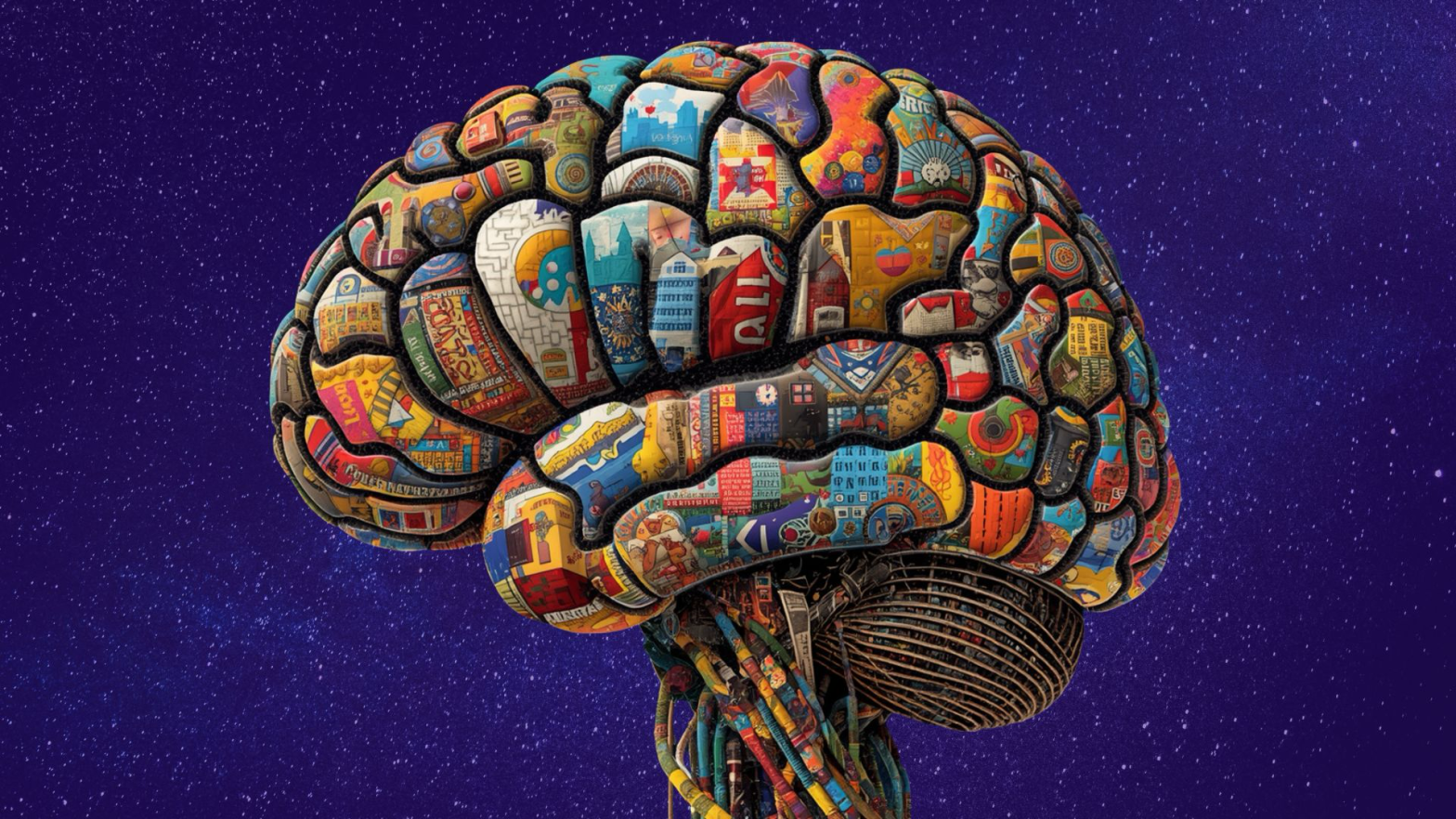
Every 2 April, global attention turns to autism. The date was established in 2007, when the United Nations adopted Resolution A/RES/62/139, giving rise to World Autism Awareness Day, first observed in 2008.
Far from being a purely symbolic gesture, this initiative responded to an urgent need: to make visible the lives of millions of people whose experiences had long been overlooked or reduced to a clinical label. From the outset, its purpose was clear—promoting inclusion, safeguarding fundamental rights, and improving access to diagnosis, education, and support.
Beyond the medical sphere, the UN’s declaration introduced a crucial social dimension: the real challenge was not autism itself, but the structural exclusion that surrounds it.
Not all brains are the same. That’s why we don’t all experience space in the same way. Design can create connection… or profound disconnection.
From Awareness to Neurodiversity
Over time, the impact of 2 April has extended far beyond a single day. April has gradually become recognised as Autism Awareness Month, particularly in countries such as the United States, where earlier awareness campaigns had already taken root.
Yet the most profound transformation has not been temporal but conceptual. The language itself has evolved: from awareness to acceptance, and ultimately towards neurodiversity.
This shift reflects a fundamental change in perspective—moving away from viewing autism solely as a condition that must be “normalised” and towards recognising it as a natural part of human diversity.
Today, while April remains officially linked to autism, it is increasingly understood as an opportunity to reflect on neurological diversity as a whole.
Neurodiversity: A New Way of Understanding the Mind
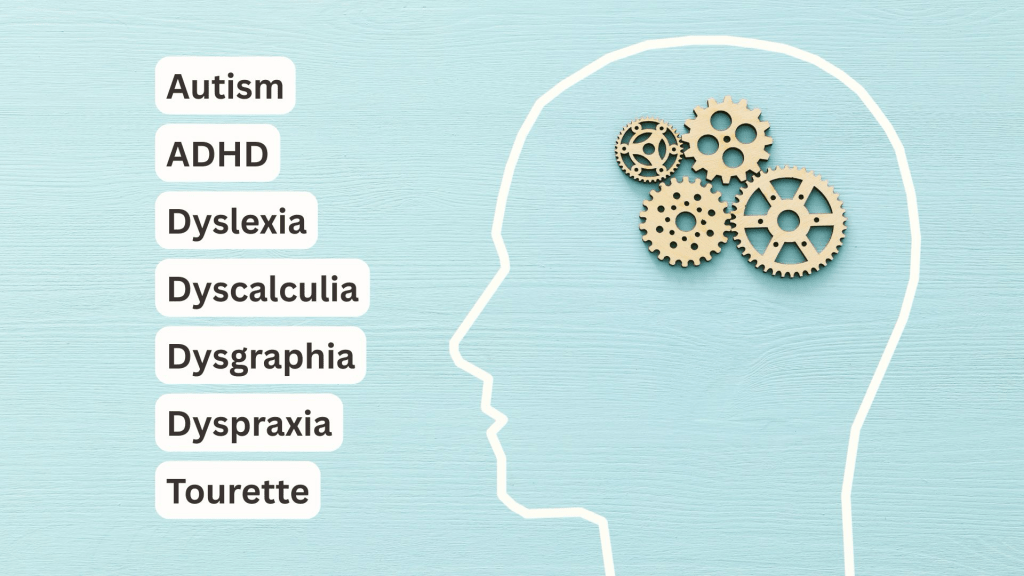
The concept of neurodiversity suggests that there is no single “correct” way for the brain to function. Rather than classifying certain conditions as deficits, it proposes understanding them as natural variations of the human brain.
This perspective includes, among others, conditions such as autism, ADHD, dyslexia and dyspraxia. Autism occupies a central place in this conversation—not only because of its visibility, but also because it has played a key role in the development of movements for rights and recognition.
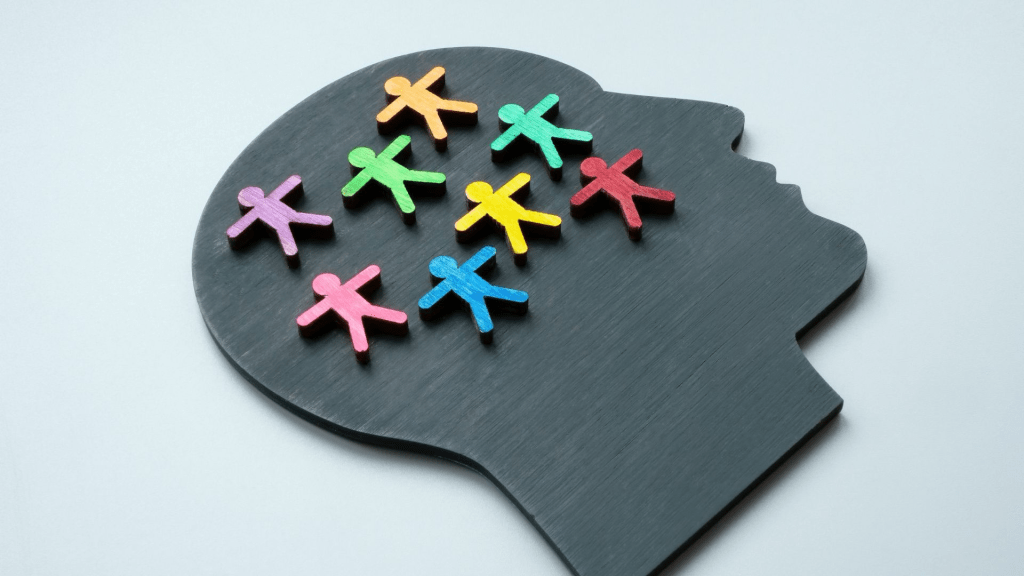
There are many ways of experiencing the world—often at odds with environments designed for just one.l mundo que, con frecuencia, chocan con entornos diseñados para una sola.
Understanding the Spectrum: What Is Autism?
To design a more inclusive world, we must first understand what defines autism. Autism Spectrum Disorder (ASD) is not an illness to be cured but a neurodevelopmental condition that accompanies a person throughout their life. It is primarily expressed in two areas:
Communication and social interaction:
Autistic individuals process language and social cues differently. This can range from the absence of verbal language to difficulties interpreting sarcasm, implicit norms, or eye contact.
Patterns of behaviour and interests:
There is often a preference for routine, repetition, and an exceptional depth of focus on specific topics. The autistic brain seeks order in a world that can often feel chaotic.
The most important concept is the term “spectrum”: no two autistic individuals are the same. While some require ongoing support in their daily lives, others navigate society independently—often while experiencing invisible sensory and social fatigue. It is this diversity that makes the design of our environments a powerful tool for equity.
The Real Scale of Autism
The figures reveal something fundamental: autism is not a rare condition, but a widely present reality.
Globally, it is estimated that around 1 in 100 people are on the autistic spectrum, according to the World Health Organization. In the United States, the most recent data from the Centers for Disease Control and Prevention places prevalence at 1 in 36 children—a figure that has increased significantly in recent decades. In the United Kingdom, more than 700,000 people are autistic, according to the National Autistic Society.
However, these figures require careful interpretation.
They do not simply reflect an increase in prevalence, but also improvements in diagnostic systems, broader clinical criteria, and a deeper understanding of the spectrum. Even so, they are likely to represent only part of the reality.
Various studies point to a significant number of autistic individuals who remain undiagnosed or are diagnosed later in life—particularly women, adults, and those in contexts with limited access to specialised services. This suggests that the true prevalence of autism may be considerably higher than official data indicates.
From a design perspective, this idea carries profound implications.
If many people experience the built environment with a different kind of sensitivity—regardless of whether they have a formal diagnosis—then designing for neurodiversity shifts from being a targeted response to becoming a universal strategy.
Ultimately, it is not about designing for a few, but about recognising a form of diversity that, although often invisible, has always been present.
Autism and the Environment: Beyond Diagnosis
Autism is not a single experience, but a broad and diverse spectrum. However, there are patterns that help us better understand the needs of many individuals—particularly in relation to the built environment.
One of the most significant aspects is sensory processing. Many autistic individuals experience hypersensitivity to light, sound, or certain textures, as well as difficulty filtering stimuli. This can turn everyday spaces—such as schools, hospitals, or transport stations—into overwhelming environments.
This is compounded by a need for predictability and spatial clarity. Environments that are legible, with clear sequences and smooth transitions, can reduce anxiety and support orientation. By contrast, chaotic or ambiguous spaces may lead to disorientation and stress.
There are also differences in communication and social interaction, which can result in fatigue—especially in environments that do not account for these variations.
However, one of the most important points is this:
Many of the challenges do not arise from autism itself, but from poorly designed environments.
Design can amplify overload… or it can reduce it.
Architecture and Autism: Designing to Regulate, Not to Exclude
In this context, architecture takes on a fundamental role.
Architect Magda Mostafa has been a pioneer in translating the needs associated with autism into concrete design criteria through the Autism ASPECTSS™ Design Index.
This framework proposes strategies such as:
- Acoustic control
- Clear spatial sequencing
- Sensory zoning
- Transitional spaces
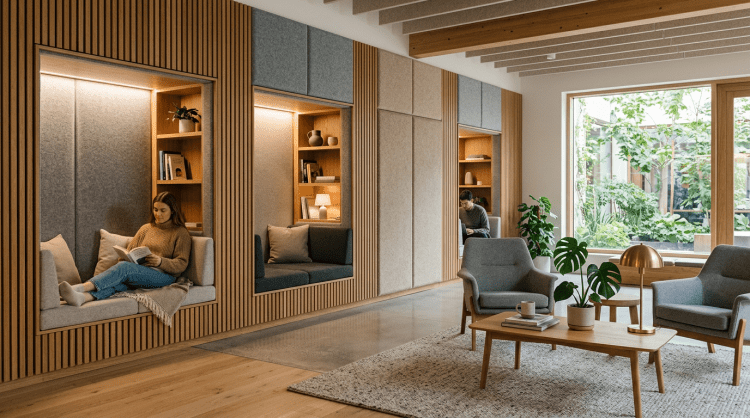
- Areas of refuge or escape
Her work demonstrates something essential:
Design is not neutral. It can be regulating… or deeply stressful.
Rather than creating “special” spaces, these strategies aim to improve spatial quality for everyone—making environments more legible, predictable, and humane.
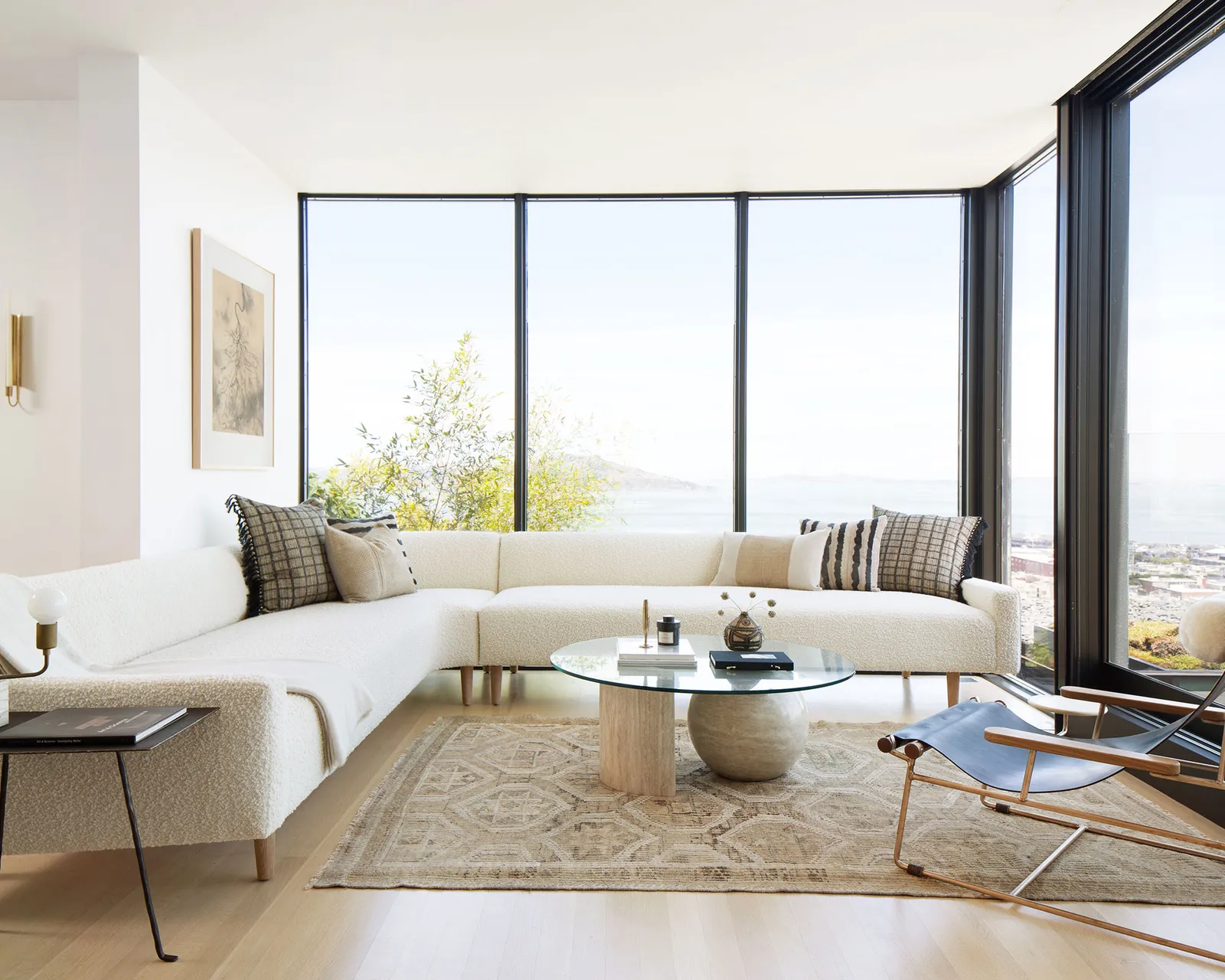
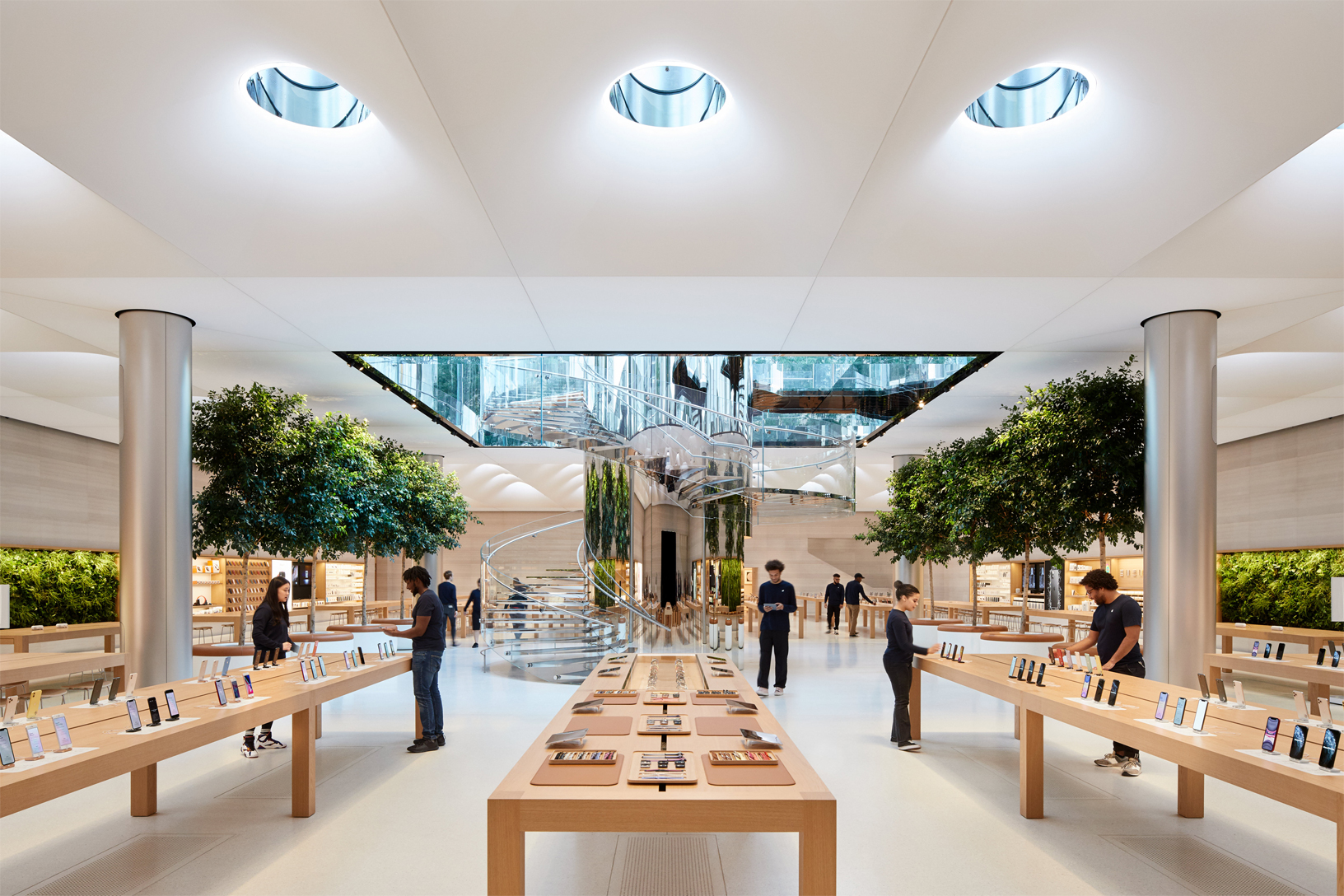
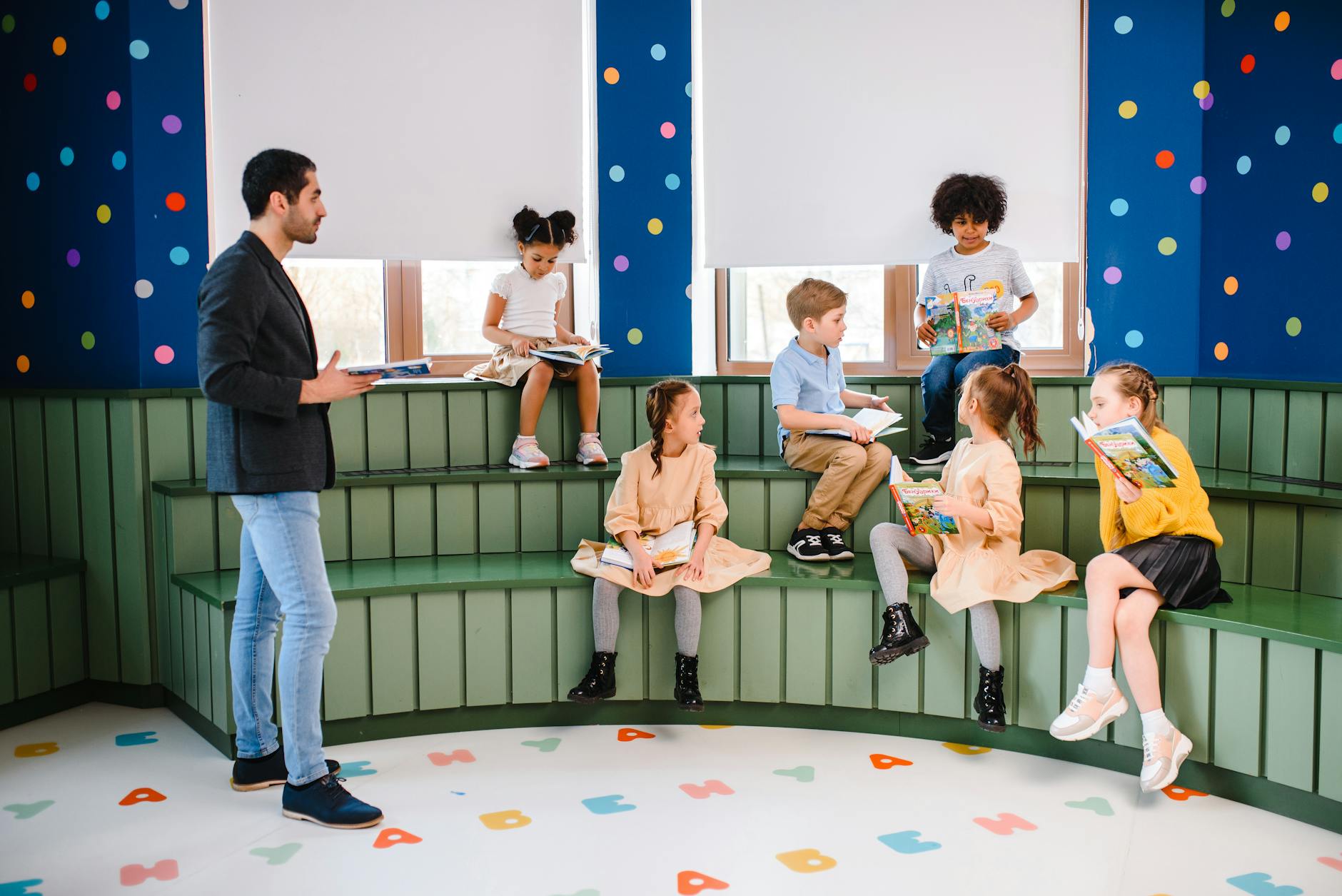
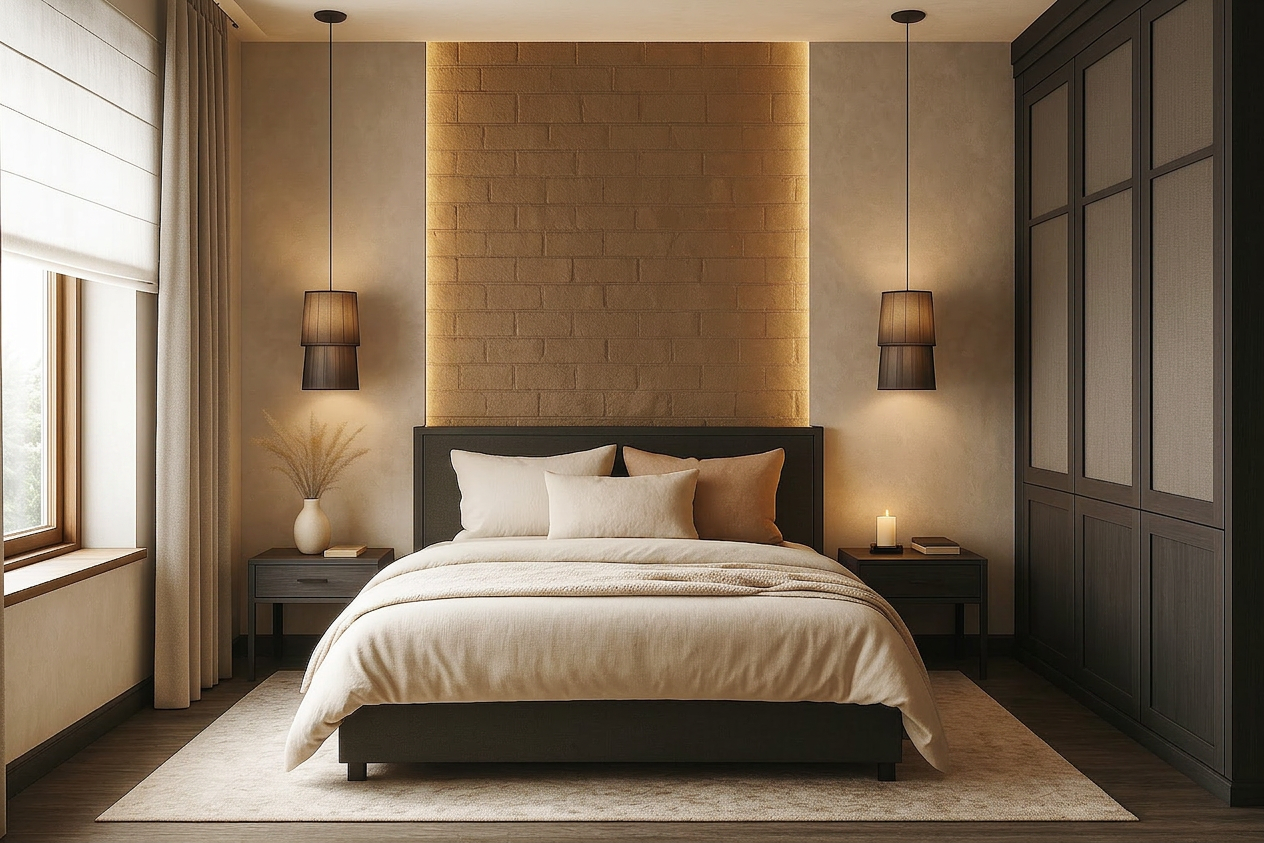
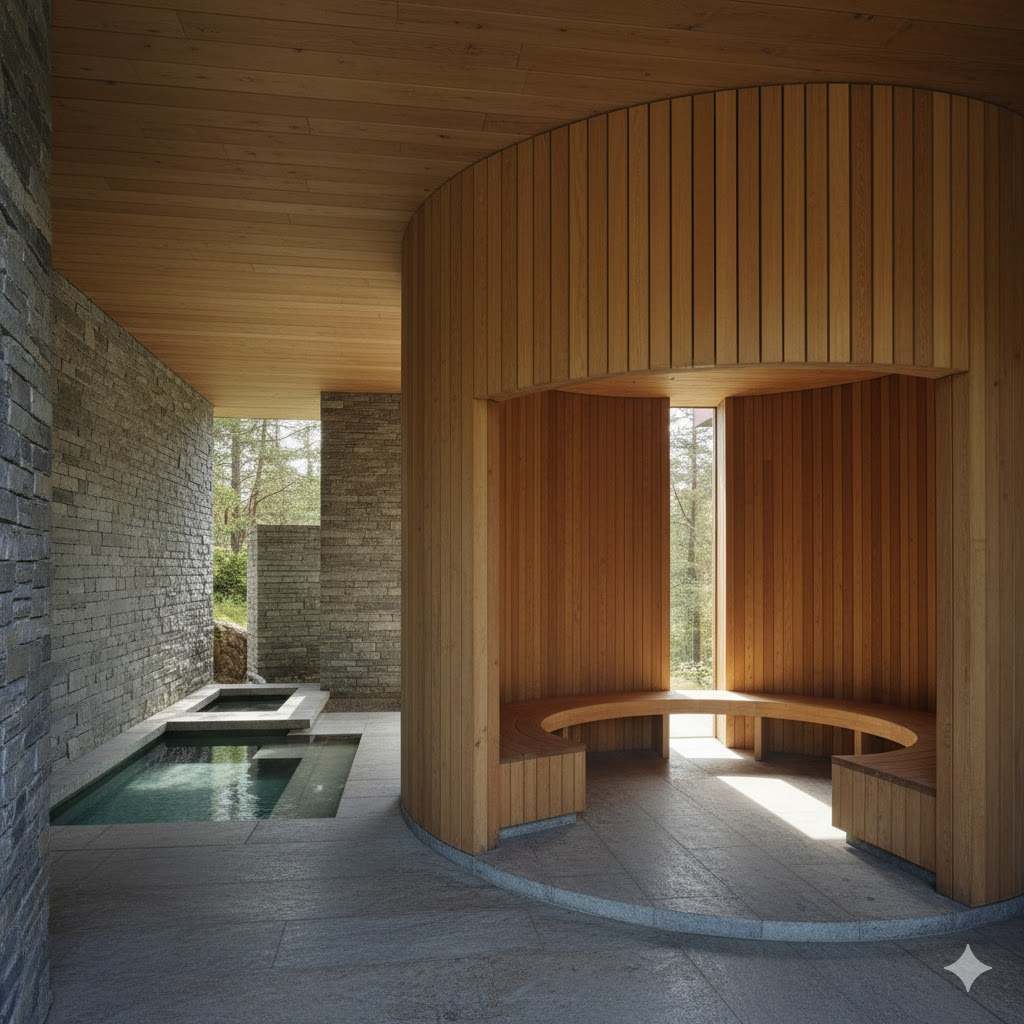
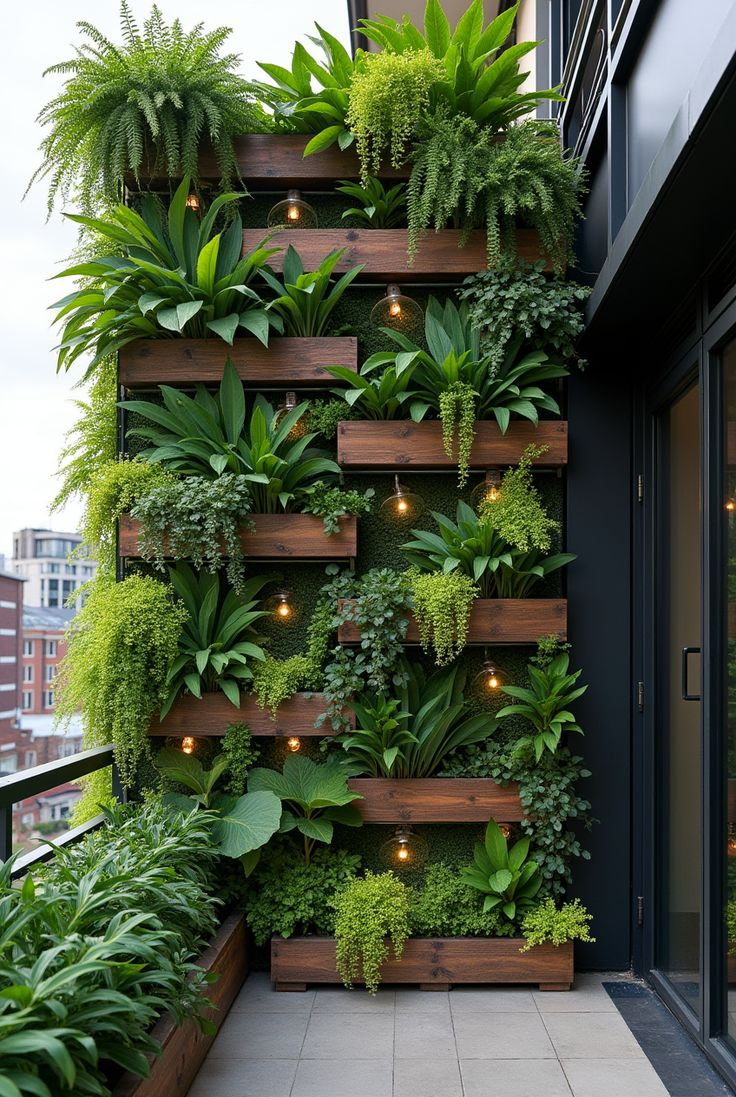
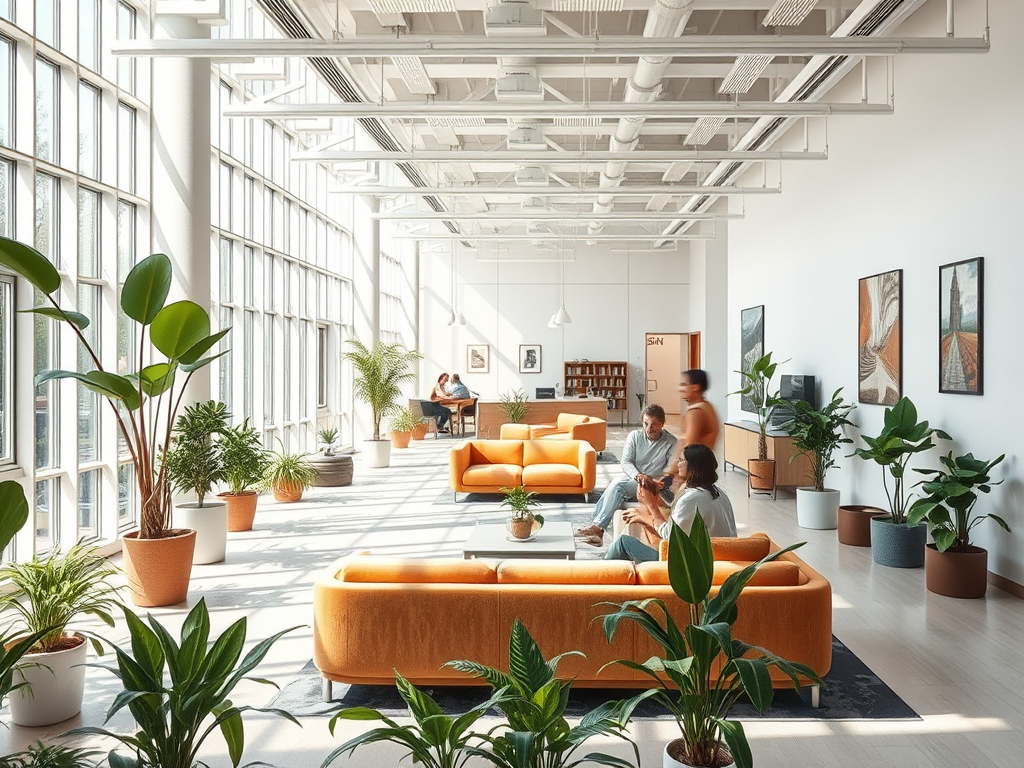
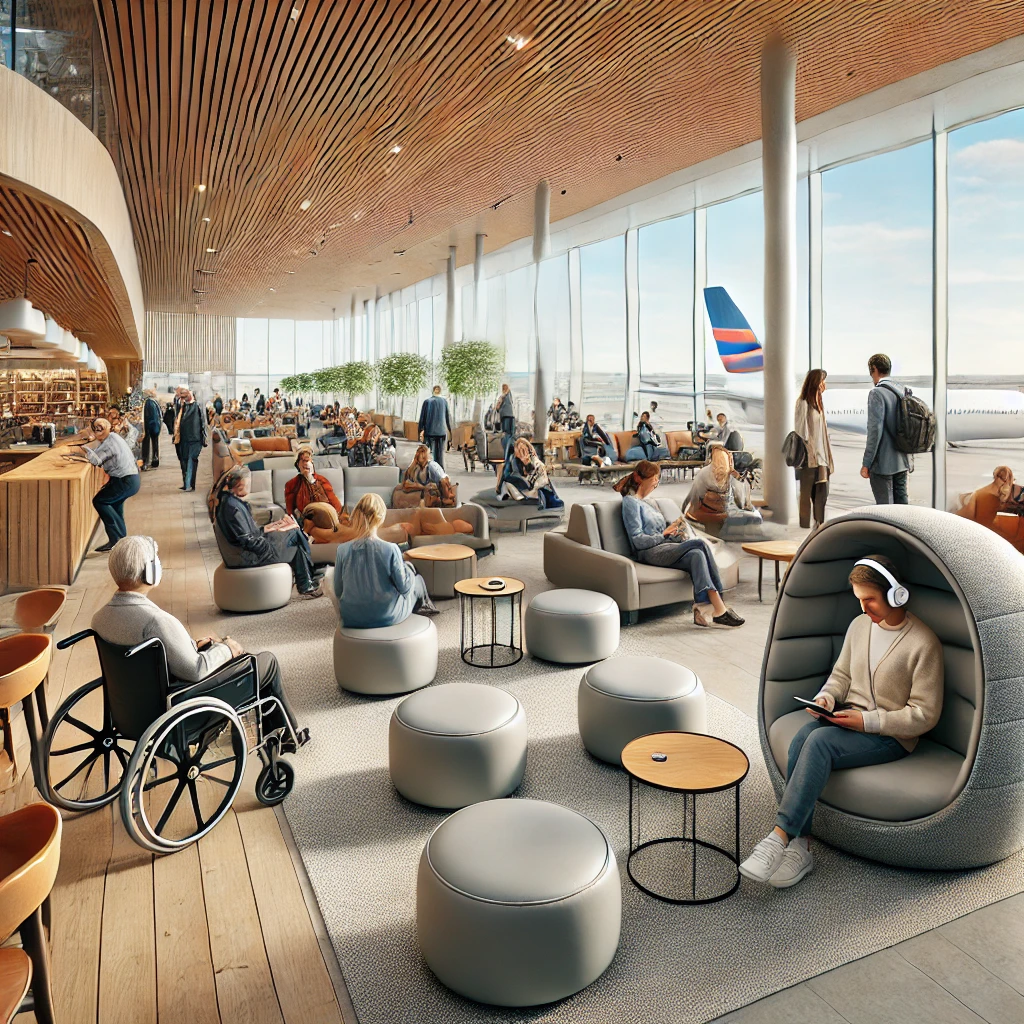
Soft palettes and neutral tones, combined with low visual load, help reduce overstimulation. Natural light and the presence of vegetation support emotional regulation, while refuge spaces offer a sense of control and rest. These principles can be applied across a wide range of contexts—from domestic settings to educational and commercial environments.
Final Reflection: From Recognition to Transformation
April began as an effort to raise awareness of autism. Today, it signals something more profound: an invitation to rethink how we understand the human mind—and, in turn, how we shape the environments we inhabit.
Embracing neurodiversity requires us to question the very notion of normality. It asks us to recognise that there is no single valid way of perceiving, feeling, or processing the world, but rather a rich and continuous diversity that defines the human experience.
Within this framework, architecture can no longer be seen as merely aesthetic or functional. It becomes an ethical practice—one that carries responsibility for how spaces affect those who move through them.
If the built environment influences how we think, how we feel, and how we relate to others, then designing space is, ultimately, about shaping human experience.
And it is precisely here—in the capacity to support different ways of inhabiting the world—that genuine inclusion begins.
☕ Support the Neurotectura project here
Your support helps me continue researching and creating content that connects architecture, neuroscience, and human experience.
Recommended Readings
- Mostafa, M. (n.d.). ASPECTSS™: The autism design index. Autism.archi. https://www.autism.archi/aspectss
- Baron-Cohen, S. (2020). The pattern seekers: How autism drives human invention. Basic Books.
- Bascom, J. (Ed.). (2012). Loud hands: Autistic people, speaking. The Autistic Press.
- Silberman, S. (2015). NeuroTribes: The legacy of autism and the future of neurodiversity. Avery.
- Abbas, S., Okdeh, N., Roufayel, R., Kovacic, H., Sabatier, J.-M., Fajloun, Z., & Abi Khattar, Z. (2024). Neuroarchitecture: How the perception of our surroundings impacts the brain. Biology, 13(4), 220. https://doi.org/10.3390/biology13040220

