
For reference, we spend around 90% of our time indoors and inside vehicles. We inhabit homes, offices, schools, hospitals and cities that, although they may seem separate from us, are in constant interaction with both our bodies and our minds.
For a long time, architecture has largely been understood through function or aesthetics, while overlooking a fundamental dimension: its impact on mental health. Today, that perspective is beginning to change.
An increasing body of research suggests that the spaces we inhabit influence not only biological processes but also our everyday emotional experience.
Human beings evolved in close relationship with open and natural environments. Yet today, we spend most of our lives inside enclosed spaces.
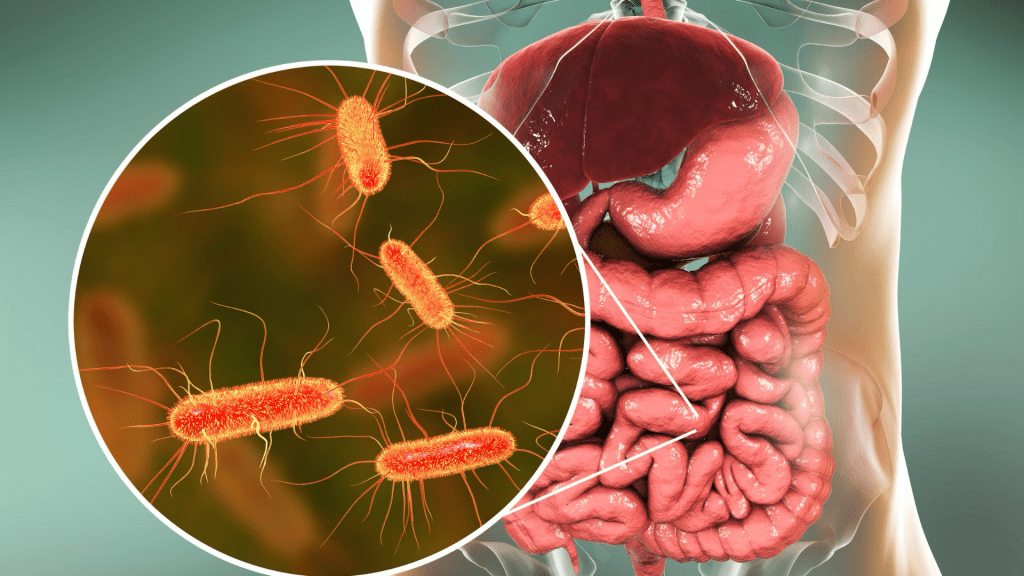
The Built Environment as a Biological Agent
The paper Ten questions concerning the built environment and mental health proposes a key idea: indoor spaces do not merely shape our subjective experience — they may also influence physiological processes directly linked to psychological wellbeing.
One of the most significant mechanisms is chronic stress.
Poorly lit, noisy, monotonous, or visually chaotic environments can keep the body in a constant state of alertness. Over time, this prolonged activation of the stress response can affect attention, memory, and emotional regulation.
But there is an even less visible dimension: the microbiome of the built environment. The so-called biodiversity hypothesis — also known as the “Old Friends” theory — suggests that reduced contact with microorganisms found in natural environments may disrupt immune system regulation.
This disruption may contribute to processes of systemic inflammation which, beyond affecting the body, can also send signals to the brain through the gut–brain axis, influencing mood and mental health.
Compared with other wild primates, humans have lost a significant amount of ancestral microbial diversity as a result of industrialisation, dietary changes, and life in urban environments.

From the Laboratory to Everyday Life
The article Studying the impact of built environments on human mental health in everyday life shows how researchers are beginning to measure these effects beyond the laboratory. Traditionally, the relationship between space and wellbeing was studied through surveys and subjective perceptions.
Today, new tools make it possible to observe what happens in real time:
- wearable sensors
- eye tracking
- geolocation
- physiological measurements
- ecological momentary assessment
This allows researchers to analyse how we respond while walking through a city, waiting in a hospital or working in an office.
And this changes the entire approach.
Because spaces are not experienced as static images but as dynamic sequences of light, sound, movement and stimuli that the brain continuously processes.
Towards a Measurable Architecture
What emerges from this research is a profound shift: architecture is beginning to be measurable through human experience. We are no longer evaluating spaces solely in terms of efficiency or aesthetics.
We can now begin to understand whether a space:
- increases cognitive load
- generates stress
- supports orientation
- or promotes states of calm and attention
A key idea emerges here: what the environment “invites” us to do.
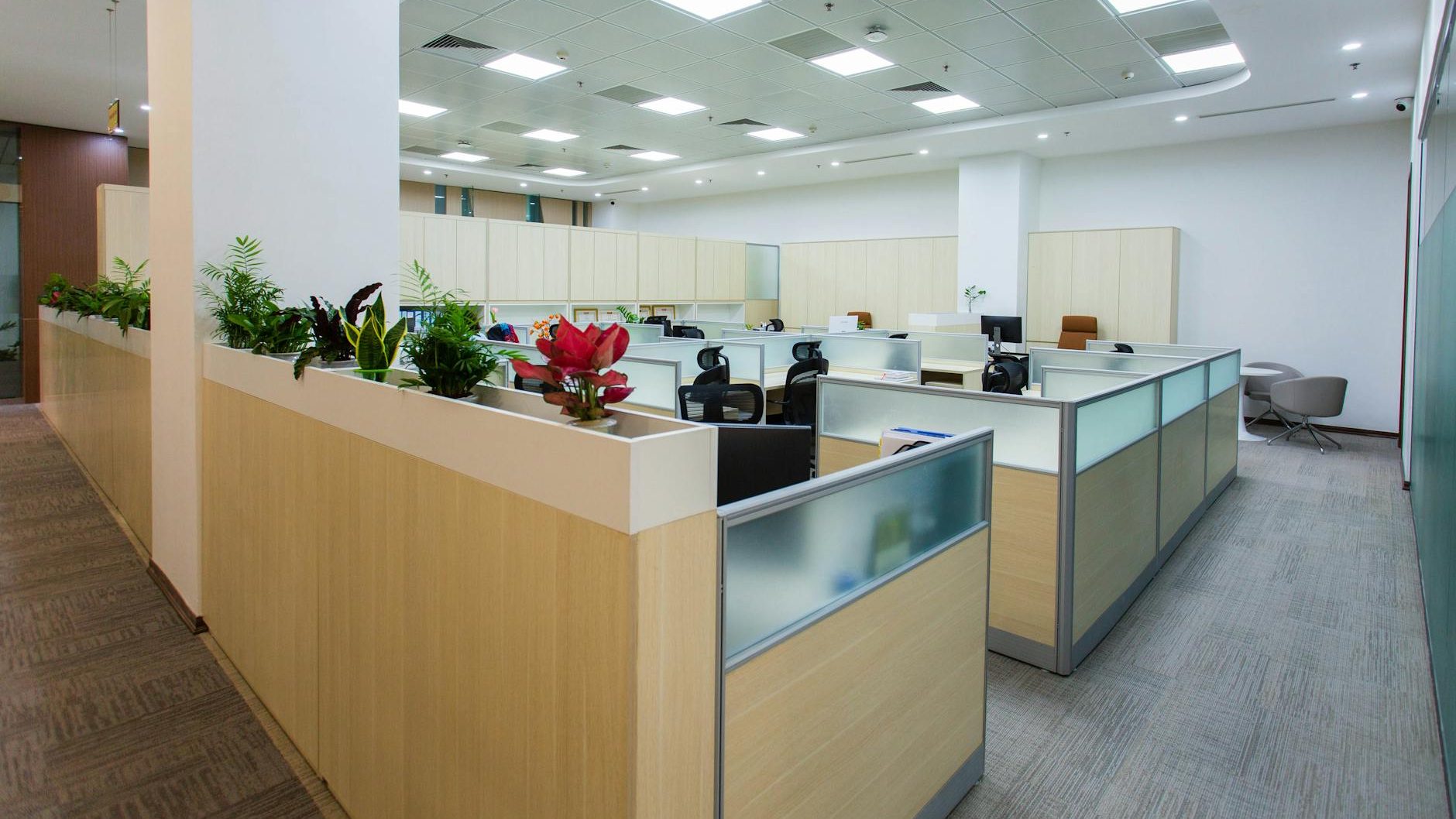
A long, dark corridor with few visual references may encourage haste, discomfort or disorientation. By contrast, a space with open views, natural light and natural elements may support a calmer and more restorative form of attention.
In this sense, design does more than organise space — it shapes behaviours and mental states. Not in a deterministic way, but in a probabilistic one: it influences the conditions in which we think, feel and act.
Implications for Contemporary Design
In this context, spaces that are completely isolated from the outside world — without natural ventilation, with recirculated air and constant environmental conditions — do not merely simplify sensory experience: they impoverish it. By reducing contact with natural variation and with the microbial diversity of the environment, these spaces limit an essential dimension of our relationship with the world, with possible cumulative effects on health and wellbeing.
This also introduces a crucial dimension: inclusion. If spaces influence cognitive load, orientation and emotional regulation, then their design becomes especially important for neurodivergent individuals, whose sensory responses and sensitivities may differ.
From this perspective, architecture does more than define physical spaces — it shapes the conditions in which different minds are able to inhabit the world.
3 Keys to a Neurohealthy Environment
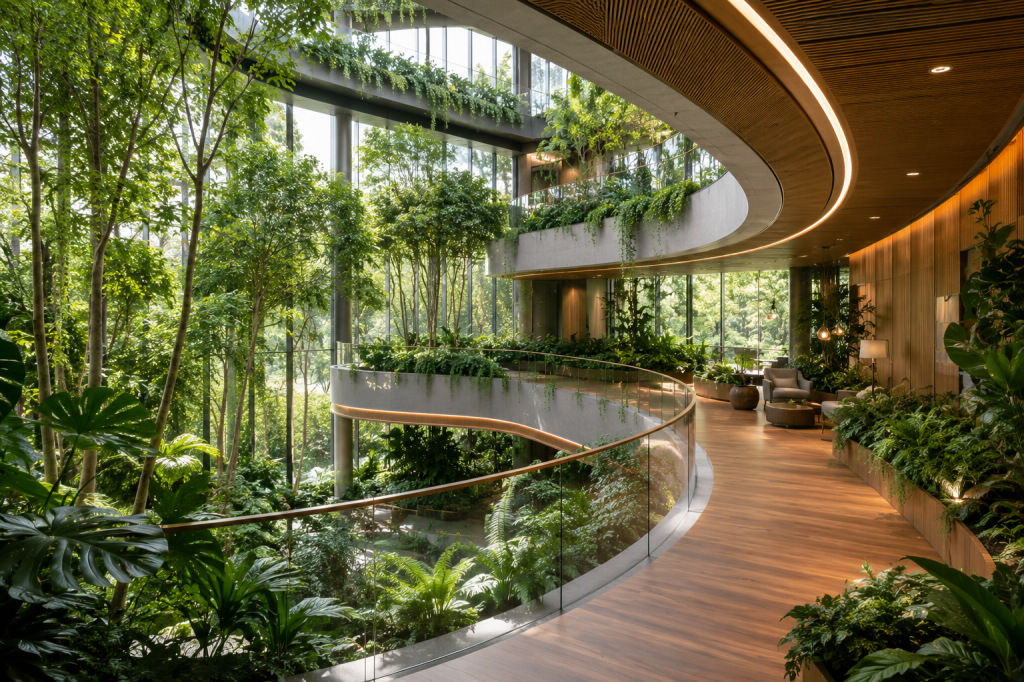
Without oversimplifying the evidence, some strategies consistently associated with wellbeing include:
- Regulated natural light: supports circadian rhythms and helps reduce stress.
- Ventilation and connection with the outdoors: encourages microbial diversity and improves air quality.
- Balanced visual complexity (rather than chaos): reduces cognitive load and supports orientation.
Final Reflection
For a long time, we have viewed buildings as containers of life. Today, we are beginning to understand them as active systems that interact with our bodies, minds, and biology. We do not merely design spaces; we design the conditions under which we think, feel, and relate to the world.
In this context, the future of design cannot be understood from a single discipline. It requires increasingly close collaboration between architecture, biology, psychology, and neuroscience, where buildings cease to be mere objects and begin to function as habitats that actively influence those who inhabit them.
And if the built environment is not neutral… can we afford to continue designing blindly?
Recommended Readings
Yuan, Y., Bambra, C., Ebi, K. L., & others. (2019). Ten questions concerning the built environment and mental health. Building and Environment, 155, 58–69. https://doi.org/10.1016/j.buildenv.2019.03.036
Helbich, M. (2019). Studying the impact of built environments on human mental health in everyday life: methodological developments, state-of-the-art and technological frontiers. Current Opinion in Psychology, 32, 158–164. https://doi.org/10.1016/j.copsyc.2019.08.007
National Institute of Environmental Health Sciences. (n.d.). Microbiome. U.S. Department of Health and Human Services, National Institutes of Health. https://www.niehs.nih.gov/health/topics/science/microbiome

