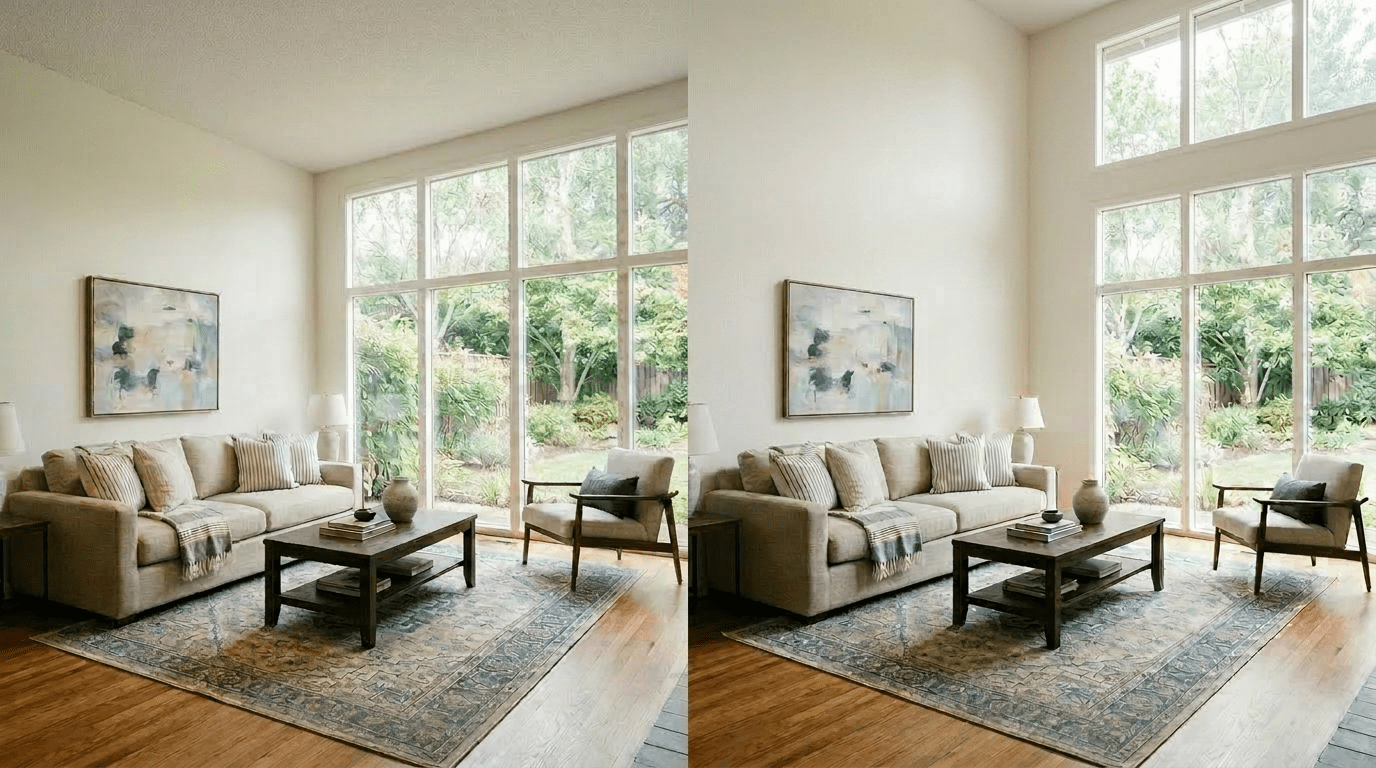
Imagina entrar en dos habitaciones con exactamente las mismas dimensiones en planta. La primera tiene un techo bajo que dirige tu atención hacia abajo, concentrándola en la tarea inmediata que tienes delante. La segunda se eleva varios metros sobre tu cabeza, invitando a levantar la mirada y ampliando tu percepción del espacio. Nada más cambia,ContinueContinue reading “El efecto catedral: cómo la altura del techo moldea la cognición espacial”
Category Archives: Neuroscience
The Cathedral Effect: How Ceiling Height Shapes Spatial Cognition
Imagine walking into two rooms of identical footprints. The first has a low ceiling that draws your focus downward, pinning your attention to the task immediately in front of you. The second soars overhead, pulling your gaze up and out. Nothing else changes, yet your brain shifts gears — altering your perception, attention, and approachContinueContinue reading “The Cathedral Effect: How Ceiling Height Shapes Spatial Cognition”
Autism in Emergencies: What Yoar’s Story Reveals About Neuroarchitecture and Disaster Relief

A few days ago, we woke to the heartbreaking news of powerful earthquakes that devastated several areas of Venezuela. As always, disasters like these remind us of how fragile our systems can be when confronted with the unpredictable forces of nature. It is in times of crisis that the cracks in our society become mostContinueContinue reading “Autism in Emergencies: What Yoar’s Story Reveals About Neuroarchitecture and Disaster Relief”
Can architecture influence contemplative states of mind?

Can Architecture Influence the Mind? A narrow alley, a curved pathway, filtered light entering through a shaded corridor, or the silence beneath a vaulted ceiling can create a subtle sensation of calm and inward attention. Certain environments seem capable of slowing our thoughts, sharpening our senses, and reconnecting us with the present moment. But whatContinueContinue reading “Can architecture influence contemplative states of mind?”
Beyond Buildings: Architecture, Microbiome, and Mental Health

For reference, we spend around 90% of our time indoors and inside vehicles. We inhabit homes, offices, schools, hospitals and cities that, although they may seem separate from us, are in constant interaction with both our bodies and our minds. For a long time, architecture has largely been understood through function or aesthetics, while overlookingContinueContinue reading “Beyond Buildings: Architecture, Microbiome, and Mental Health”
Neuroarchitecture: The Physics of Design and Its Impact on the Brain
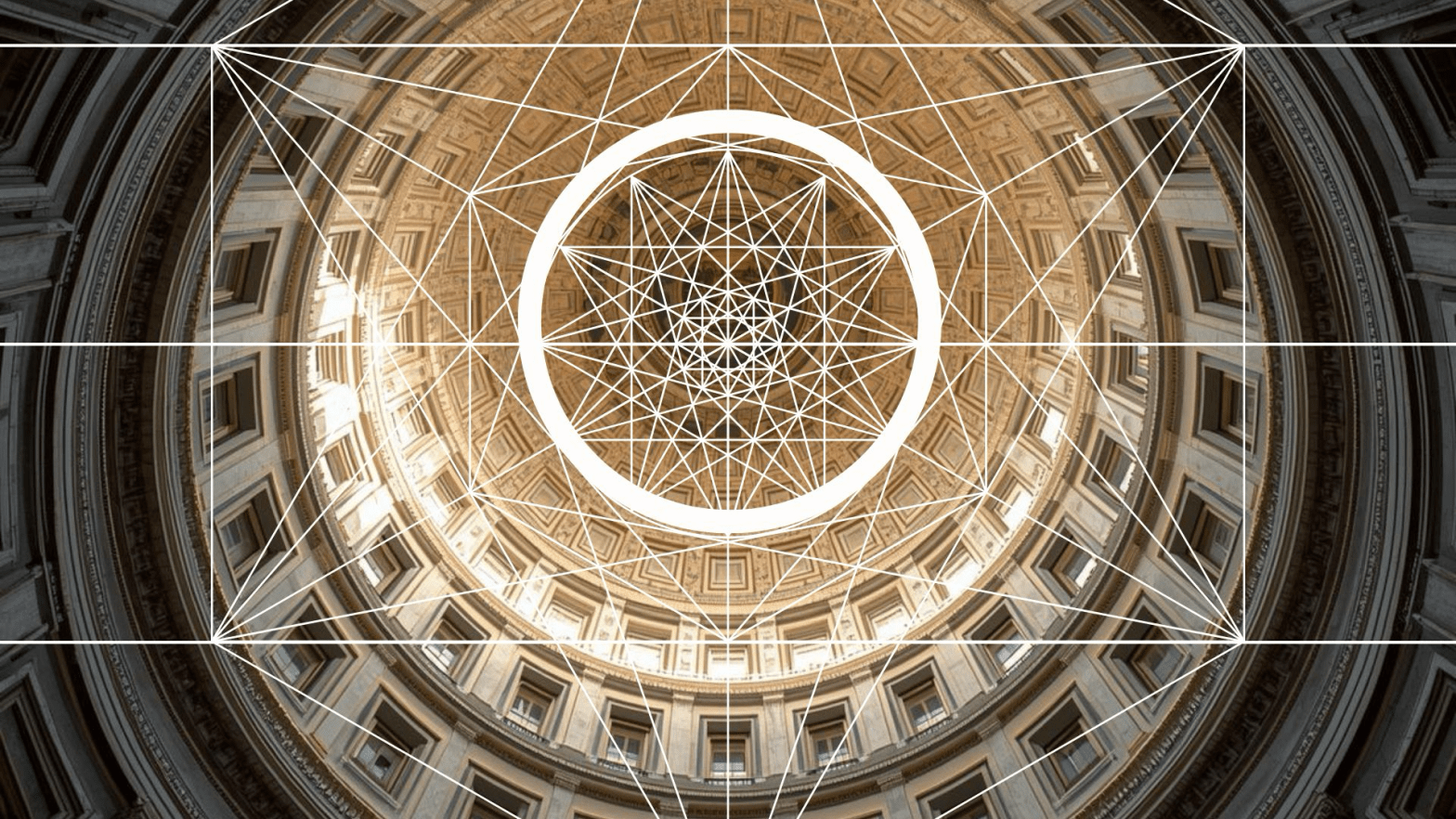
Why would a physicist take an interest in architecture? At first glance, the laws that govern the universe and the design of the spaces we inhabit appear to intersect only at a technical level—through structural forces, plumbing systems, ventilation, or thermal control. Yet, the connection runs far deeper. Both disciplines are concerned with systems, structures,ContinueContinue reading “Neuroarchitecture: The Physics of Design and Its Impact on the Brain”
Artificial Intelligence and Primary Education: Are We Facing a New Paradigm?

Generation Alpha, made up of children born from around 2013 onwards, is the first generation to grow up without ever knowing a world without the internet, mobile devices, touch interfaces and intelligent digital systems. For them, technology is not an innovation; it is simply part of the environment they inhabit. This fact alone calls intoContinueContinue reading “Artificial Intelligence and Primary Education: Are We Facing a New Paradigm?”
The Impact of Architecture on the Brain and Mental Health
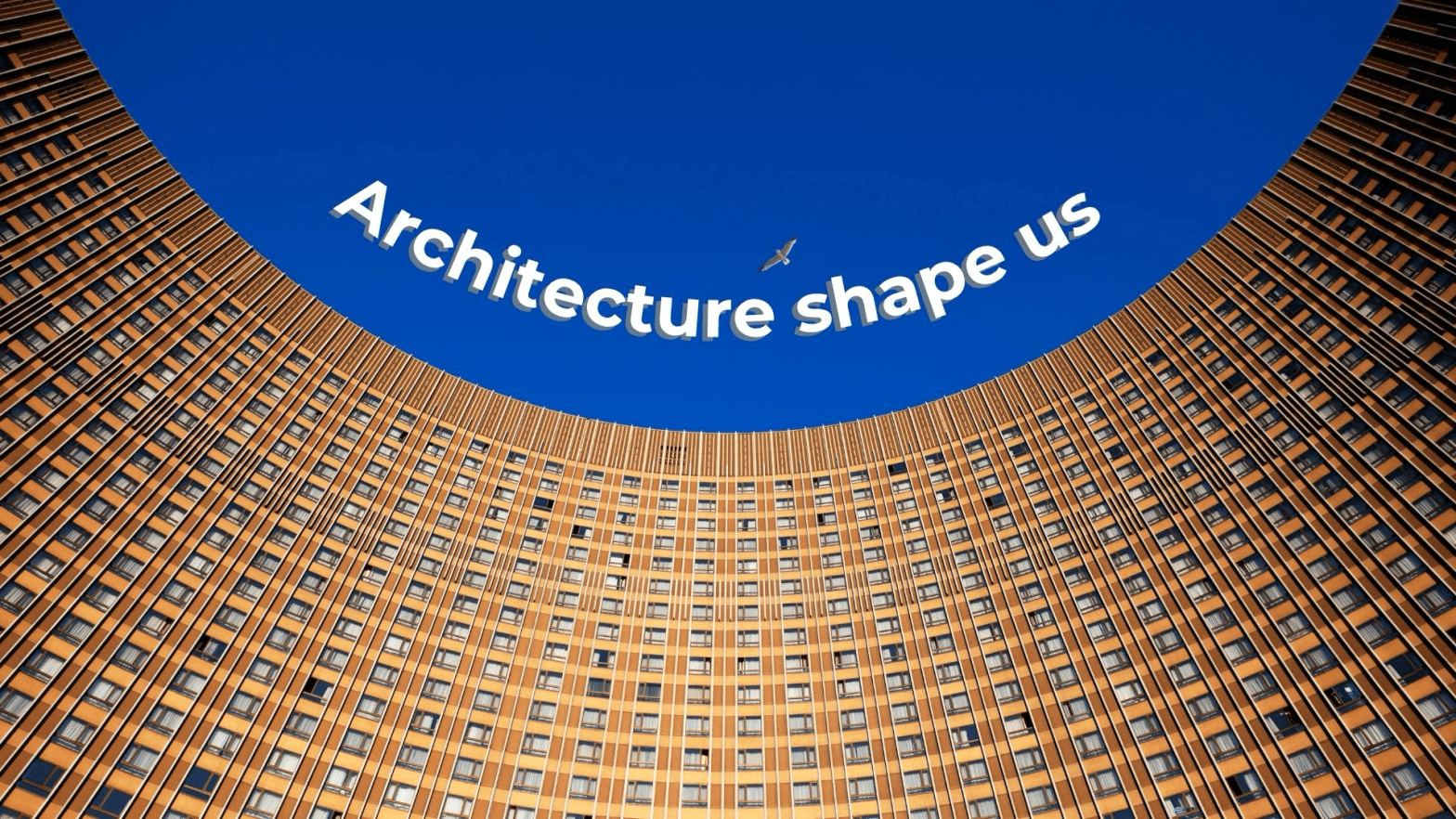
Imagine walking down a poorly lit corridor, where every door looks the same, fluorescent lights buzz overhead, and your footsteps echo in the void. You pause. Where should you go? Your body tenses even before you think. Now contrast that scene with entering the atrium of a library filled with natural light. A central spiralContinueContinue reading “The Impact of Architecture on the Brain and Mental Health”
Shaping Realities: The Power of Architecture
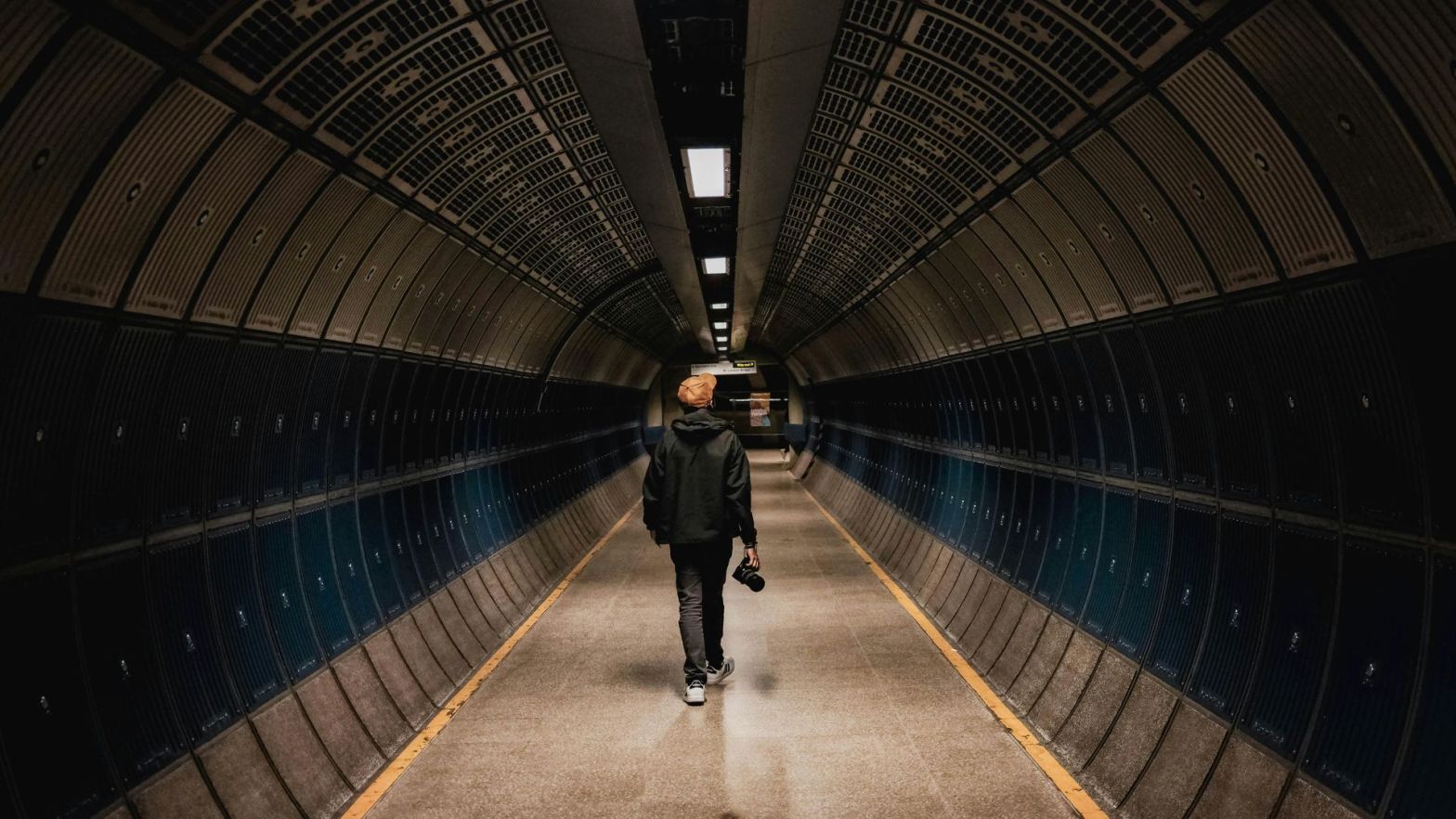
Throughout history, architecture has been described in many ways—sometimes as pure art, other times as a fusion of art and technology. But what if we saw it differently? Not just as shelter or infrastructure, but as the creation of realities. Unlike video games or virtual reality, this is not about digital simulations. It is aboutContinueContinue reading “Shaping Realities: The Power of Architecture”
Designing with the Spirit of the Sea

A few days ago, I posted a simple question:Which water scape would you escape to right now? Most people responded with what many of us instinctively feel:The sea – to relax. But what is it about the sea that draws us in?And more importantly: how can we recreate those sensations through design, even when theContinueContinue reading “Designing with the Spirit of the Sea”

