
Neurodiversity Celebration Week, observed annually from 17 to 23 March, is a global movement that shifts the perspective on neurological differences. Rather than viewing conditions such as autism, ADHD, dyslexia, and dyspraxia as deficits, neurodiversity recognises them as natural variations in human cognition. This week serves as a powerful reminder to embrace inclusion, foster understanding,ContinueContinue reading “Neurodiversity Week: Rethinking Design for Every Mind”
Category Archives: Neuroarquitectura
Premio Pritzker de Liu Jiakun: Neuroarquitectura y diseño centrados en el ser humano

El 4 de marzo, Liu Jiakun fue laureado con el Premio Pritzker de Arquitectura 2025, el honor internacional más prestigioso de la arquitectura. Este arquitecto, originario de la provincia de Sichuan en China, fundó Jiakun Architecture en 1999 y desde entonces sus innovadores diseños y su compromiso con la planificación urbana sostenible han dejado unaContinueContinue reading “Premio Pritzker de Liu Jiakun: Neuroarquitectura y diseño centrados en el ser humano”
Liu Jiakun Pritzker Prize: Neuroarchitecture and Human-centred Design
On March 4th, Liu Jiakun was named the 2025 Pritzker Architecture Prize Laureate, architecture’s most prestigious international honour. The 54th recipient, founded Jiakun Architecture in 1999 in his native Sichuan, where his innovative designs and commitment to sustainable urban planning have left an indelible mark. “In a global context where architecture is struggling to findContinueContinue reading “Liu Jiakun Pritzker Prize: Neuroarchitecture and Human-centred Design”
Diseñando para la salud mental: el papel de la arquitectura
La salud mental se ha convertido en una preocupación global, con una crisis que afecta a todas las edades, pero que golpea con especial fuerza a nuestros jóvenes. En un mundo donde la ansiedad, la depresión y el estrés se han normalizado, es crucial entender cómo estos trastornos socavan nuestro bienestar individual y colectivo, yContinueContinue reading “Diseñando para la salud mental: el papel de la arquitectura”
Neuroarquitectura: Cómo el diseño de los casinos influye en el comportamiento
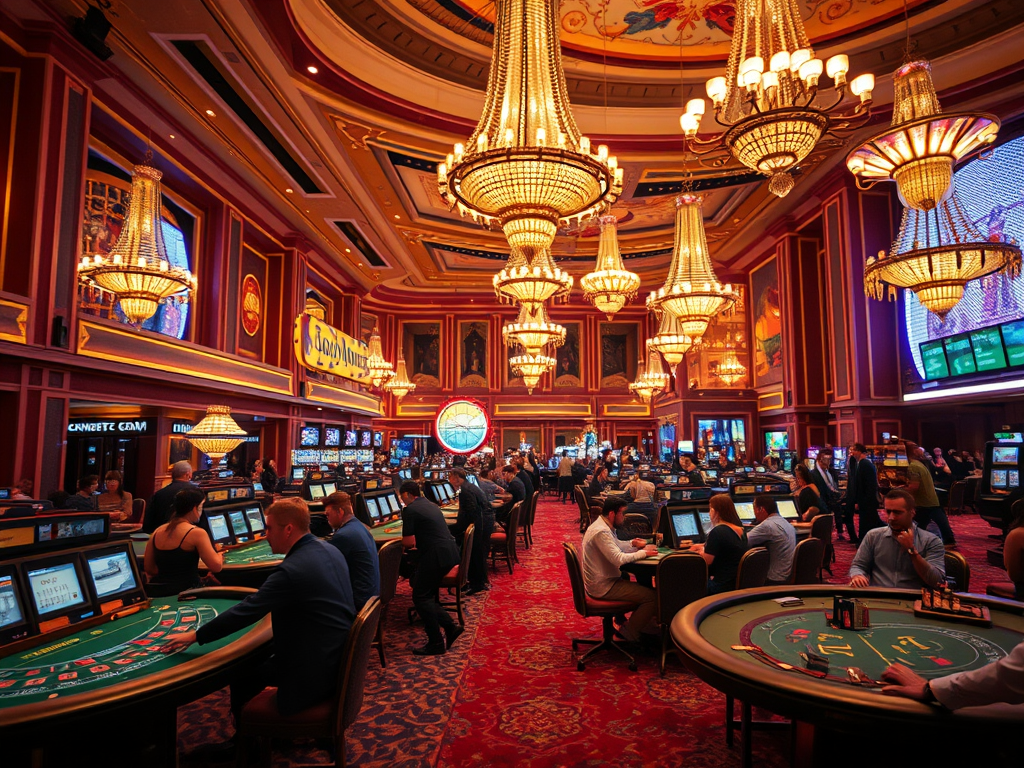
A lo largo de los siglos, los casinos han evolucionado desde exclusivas casas de juego para la élite hasta convertirse en entornos altamente diseñados para cautivar a los visitantes y maximizar su participación. ¿Cómo surgieron los casinos, qué los hace tan atractivos y de qué manera la neuroarquitectura influye en el comportamiento de las personasContinueContinue reading “Neuroarquitectura: Cómo el diseño de los casinos influye en el comportamiento”
Neuroarchitecture: How Casino Design Influences Behaviour
Over the centuries, they have evolved from elite gambling houses into massive, highly engineered environments designed to captivate visitors and maximise engagement. How did casinos originate, what makes them so alluring, and how does neuroarchitecture influence people’s behaviour in these spaces? Finally, we must ask: is this practice ethical? Il Ridotto: The First Public CasinoContinueContinue reading “Neuroarchitecture: How Casino Design Influences Behaviour”
Foster + Partners: Liderando el futuro de la neuroarquitectura
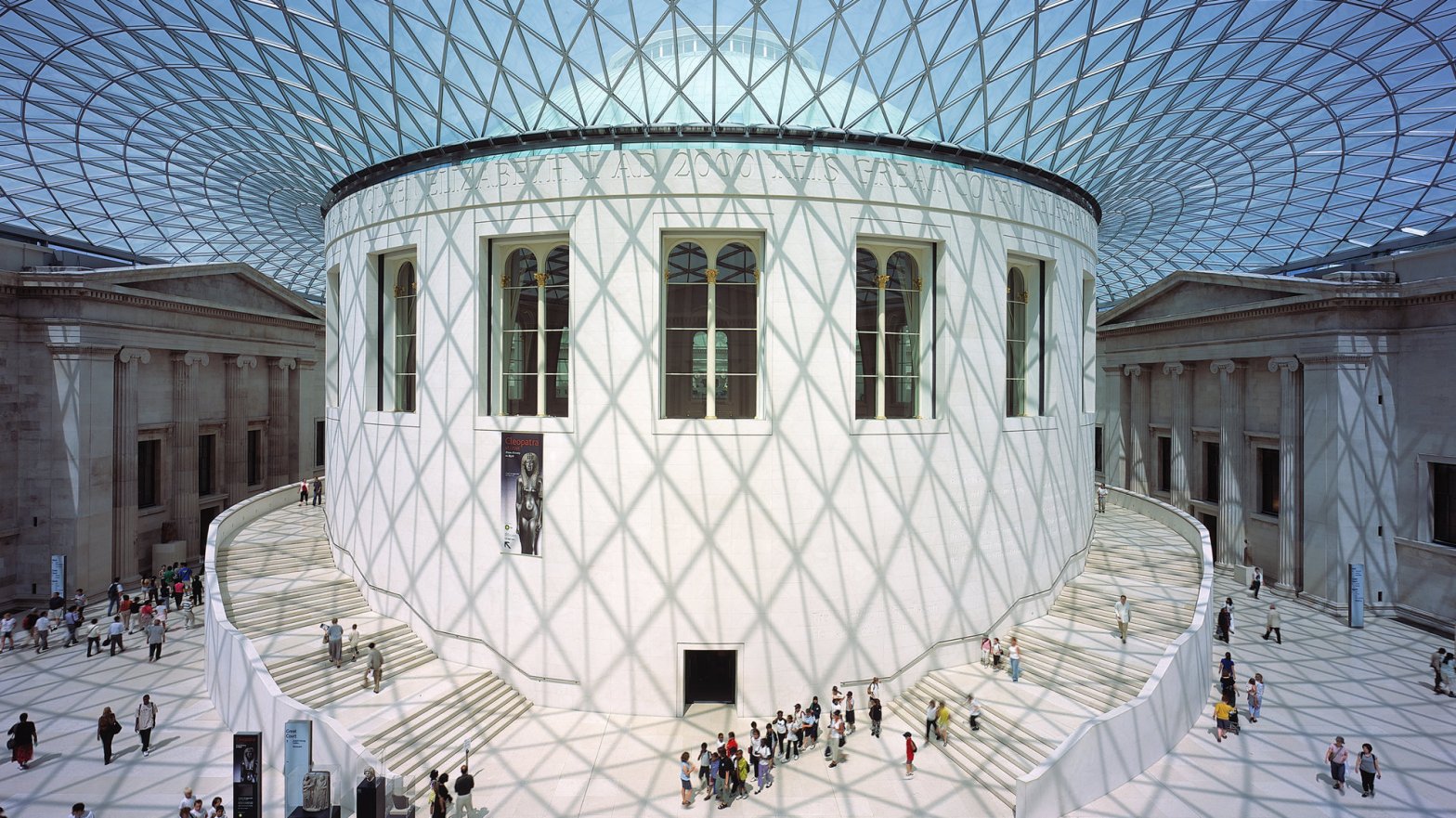
Foster + Partners es una de las principales firmas de arquitectura del mundo, reconocida por sus diseños innovadores y sostenibles. Proyectos emblematicos como el Viaducto de Millau en Francia, la Cúpula del Reichstag en Alemania y el Sede del Banco de Hong Kong y Shanghái destacan el compromiso de la firma con el avance deContinueContinue reading “Foster + Partners: Liderando el futuro de la neuroarquitectura”
Foster + Partners: Leading the Future of Neuroarchitecture in Design
Foster + Partners is one of the world’s leading architectural firms, renowned for its innovative and sustainable designs. Notable projects such as the Millau Viaduct in France, the Reichstag Dome in Germany, and the Hong Kong and Shanghai Bank Headquarters highlight the firm’s commitment to pushing architectural boundaries while maintaining a focus on environmental andContinueContinue reading “Foster + Partners: Leading the Future of Neuroarchitecture in Design”
Arquitectura y Neurociencia: Espacios que mejoran la cognición
Los espacios que habitamos influyen profundamente en nuestros pensamientos, emociones y comportamientos, a menudo de formas sutiles que no percibimos por completo. Desde la manera en que nos orientamos en una ciudad hasta las sensaciones que nos transmite una habitación, el entorno construido moldea el desarrollo cerebral y afecta funciones cognitivas esenciales como la memoria,ContinueContinue reading “Arquitectura y Neurociencia: Espacios que mejoran la cognición”
The Neuroscience of Space: Brain and Design Connections
The spaces we inhabit subtly shape our thoughts, emotions, and behaviours in ways we may not fully realize. From the way we navigate a city to the emotions evoked by a room, the built environment profoundly influences brain development, cognitive functions like memory, reasoning, and planning, and overall well-being. Neuroscience and architecture are increasingly intertwined,ContinueContinue reading “The Neuroscience of Space: Brain and Design Connections”
 neurotectura.com