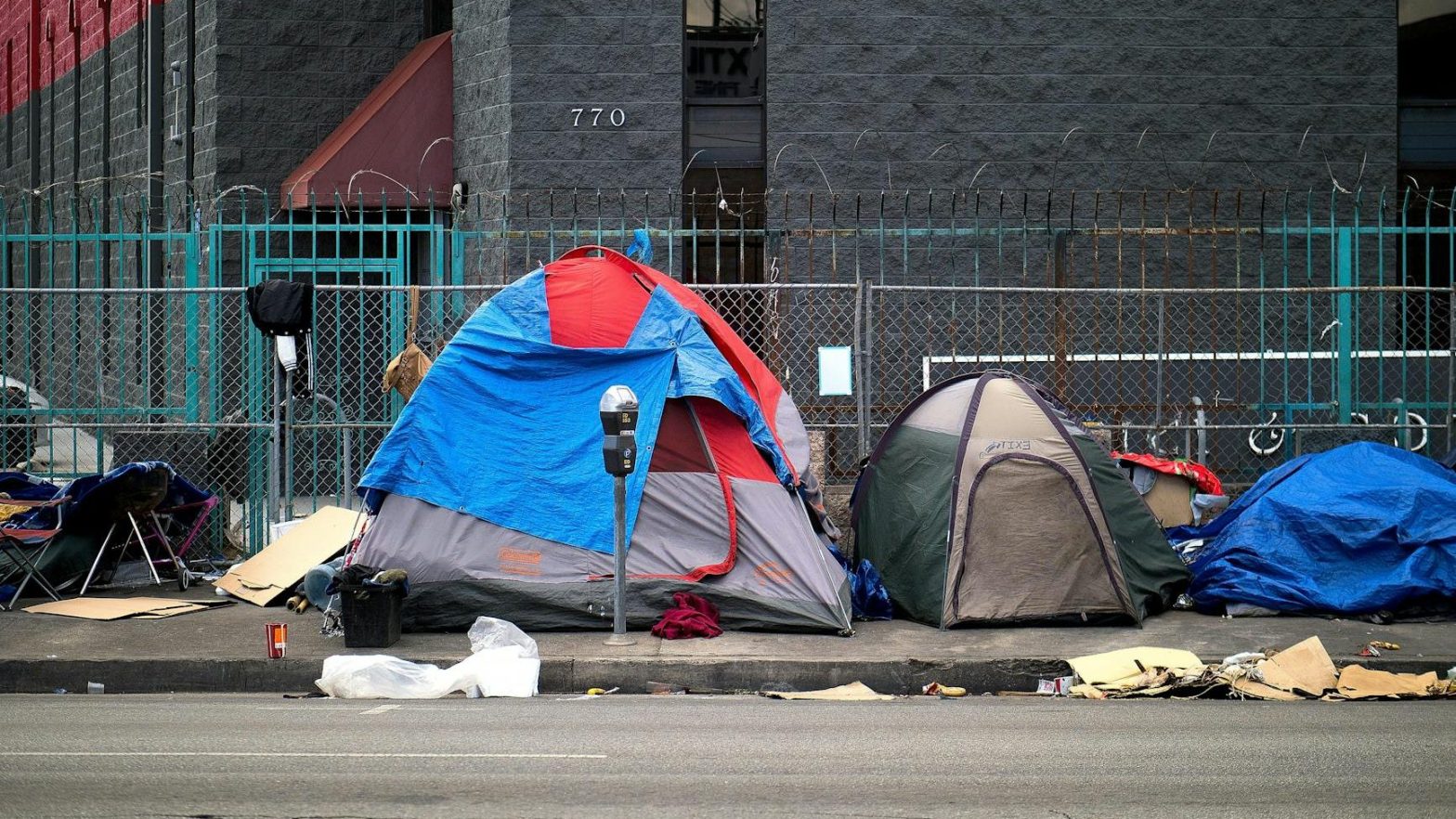
Across the world, access to safe and secure housing has become one of the defining social crises of the 21st century. In many countries, rising rents, shrinking social housing supply, and stagnant wages have made long-term stability increasingly unattainable. Nations such as Australia and Canada are among those most severely affected, reflecting a global pattern rather than isolated national failures.
In the UK alone, as of early 2026, more than 300,000 people are living in temporary accommodation, a stark indication of a housing system under extreme strain. Over 120,000 of them are children, many growing up in hotels or B&Bs never designed for long-term living. This reality reveals not only a critical shortage of permanent housing, but a deeper inability to provide stable, supportive environments essential for mental health, development, and overall wellbeing.
Housing is the first line of defence for mental health. Without a safe home, emotional balance is impossible.
The housing crisis is therefore not merely about roofs over heads. It is about fractured stability, disrupted lives, and the gradual erosion of dignity across generations, communities, and social groups.


Housing insecurity exposes people to chronic stress, fear, and emotional exhaustion, long before life on the streets begins. For women, this experience is often shaped by hidden homelessness, heightened vulnerability to violence, caregiving responsibilities, and the constant need to remain unseen to stay safe. The psychological toll is profound, yet frequently overlooked.
How the Housing Crisis Affects Mental Health
The experience of insecure or inadequate housing is deeply intertwined with mental wellbeing. Research consistently shows that people facing homelessness experience significantly higher rates of mental health conditions than the general population, including depression, anxiety, and severe psychological distress.
Living without a stable home—or in overcrowded, temporary, or unsafe accommodation—intensifies chronic stress and creates barriers to accessing consistent care. Children growing up in these conditions are particularly vulnerable: disruptions to education, routine, and social connection can lead to long-term developmental and psychological consequences.
What It Means for Neurodiverse People
Neurodiversity—an umbrella term describing natural differences in cognition and sensory processing, including autism, ADHD, and others—is widespread, affecting around 20% of adults in the UK. Yet, its implications are still poorly integrated into housing systems and social policy.
Evidence suggests that neurodivergent individuals are disproportionately represented among those experiencing homelessness and housing insecurity. Neurodiversity-focused analyses indicate that approximately 12% of people facing homelessness are autistic, compared with about 1% of the general population, with many individuals experiencing multiple, intersecting vulnerabilities.
For neurodiverse people, housing instability can be especially harmful. Mainstream shelters and temporary accommodation frequently lack quiet, low-stimulus environments and often fail to recognise different communication or support needs. This can intensify anxiety, sensory overload, and social isolation—factors already closely linked to mental health risk.


ADHD and autism reflect diverse cognitive patterns, sensory perceptions, and ways of engaging with space. Design that acknowledges this diversity can reduce stress, support wellbeing, and create environments where different minds can truly thrive.
Current Initiatives and What’s Being Done
Efforts to address homelessness and housing instability are underway at multiple levels:
- Government strategies, such as the UK’s National Plan to End Homelessness, are expanding funding for crisis support and preventative programmes, and improving access to financial resilience support to sustain tenancies.
- Innovative partnerships between charities, community organisations and housing developers are piloting social and affordable housing solutions designed to create sustainable, connected communities.
- Programmes like Changing Futures, backed by government and charitable funds, are testing person‑centred models of support that explicitly integrate housing with mental health, substance support and social services for people with complex needs.
- Front‑line housing providers are exploring neurodiversity‑aware practices—from communication training to environmental adaptations—to make supported housing more inclusive and responsive to diverse sensory and social needs.
Architects and designers must recognise that housing does not merely accommodate life—it actively shapes mental wellbeing and social inclusion. Understanding neurodiversity, designing environments that reduce stress and sensory overload, and advocating for supportive housing policies are no longer optional; they are essential.

Designing a home is a moral imperative that transcends simply constructing walls and a roof; it’s about creating sanctuaries that actively prevent isolation, distress, and the deep trauma of displacement.
Final Thoughts
Without a safe home, emotional balance is simply impossible. Yet the crisis extends beyond the absence of shelter alone. The rising number of deaths among people experiencing homelessness exposes a deeper failure to understand and respond to the needs of neurodiverse individuals within housing systems.
Architects, urban planners, and designers hold a unique responsibility. Our work must move beyond basic provision and address sensory, cognitive, and emotional needs, creating environments that genuinely support wellbeing. By expanding our knowledge of neurodiversity, embedding inclusive design strategies, and advocating for housing that reflects human complexity, we can help prevent avoidable suffering—and, in some cases, save lives.
The housing crisis is not only a social or economic challenge. It is a design challenge—one that demands knowledge, empathy, and action.
Further Reading
Fitzpatrick, S., et al. (2021). Homelessness and mental health: pathways, impacts and policy responses. An evidence review bridging public health, social policy, and homelessness research.
Tsai, J., & Rosenheck, R. (2015). Risk factors for homelessness among US veterans.
Well-cited for linking housing stability, trauma, and mental health outcomes.
RIBA — Architects designing for autism. Design recommendations for autism-inclusive environments.
National Autistic Society — Housing for Autistic People. Policy and lived-experience insights specific to housing needs.
 neurotectura.com
One thought on “Housing Crisis and Neurodiversity: A Hidden Human Emergency”