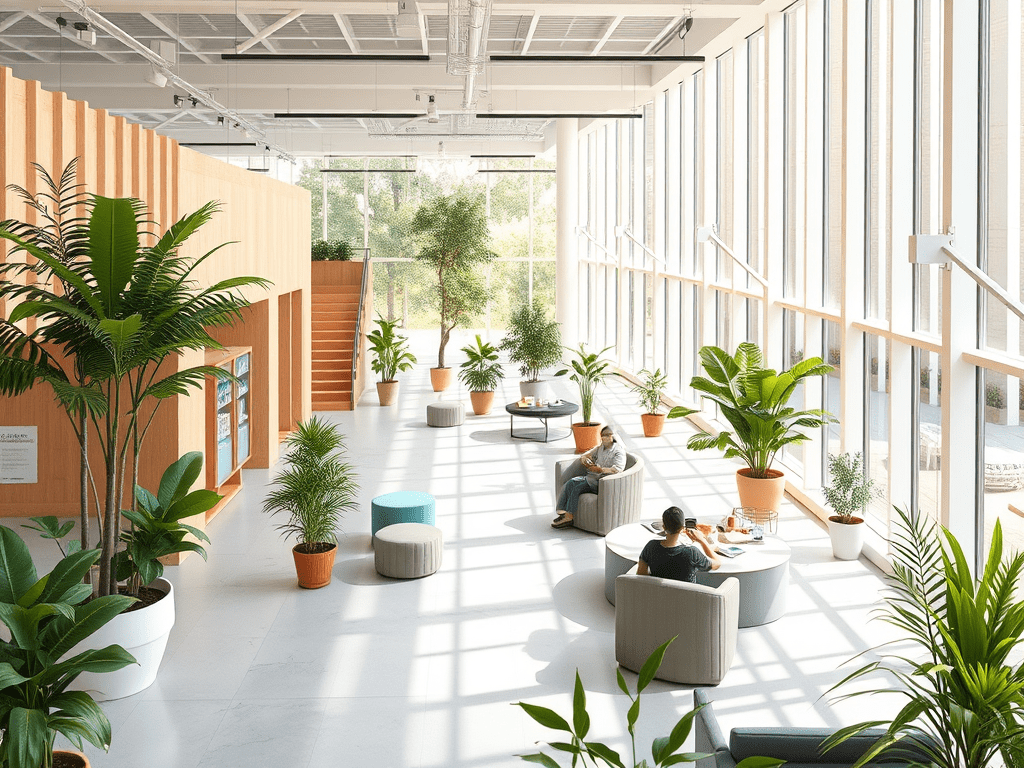
The terms neurodiversity and neurodivergency are often used interchangeably, but they represent distinct concepts within discussions on neurological differences. Neurodiversity is an inclusive term that acknowledges the natural variations in brain function, emphasising that these differences are not deficits but valuable aspects of human diversity.

The term neurodiversity was coined in the 1990s when autism rights activists such as Jim Sinclair, Kathy Lissner Grant, and Donna Williams founded the Autism Network International. This organisation was based on the principle that autism is not a disease but a cognitive processing style.
In contrast, neurodivergency refers to specific conditions such as autism, Attention Deficit and Hyperactivity Disorder (ADHD), and dyslexia, highlighting the unique challenges and experiences of individuals with these differences. Understanding this distinction is key to fostering greater awareness, acceptance, and inclusivity.
Neurodiversity is the concept that neurological differences are natural variations of the human brain, rather than deficits to be corrected. It emphasises the value of diverse cognitive experiences and perspectives, recognising that each individual’s brain functions uniquely.
Brain and environment
Each brain is uniquely shaped by the interplay of genetics and environmental influences. The environment plays a pivotal role in brain development, actively shaping neural connections and optimizing cognitive functions. Exposure to enriching conditions—such as natural light, intellectually stimulating activities, and supportive social interactions—enhances learning, memory, and emotional regulation. Moreover, essential factors like balanced nutrition, regular physical activity, and continuous mental challenges foster cognitive growth, adaptability, and overall brain health.
Positive social interactions, such as meaningful conversations and supportive relationships, can significantly reduce stress levels, which is essential for maintaining overall mental health.
Brain and Built Environment
The built environment profoundly influences brain function, shaping cognition, emotions, and overall well-being. Natural light, green spaces, and open layouts enhance mental clarity, reduce stress, and promote neuroplasticity. Poorly designed environments—characterised by noise, overcrowding, and lack of natural elements—can contribute to cognitive fatigue, anxiety, and impaired focus.

Scientific research has shown that the built environment affects our mental states, cognitive processes, and behaviour; in other words, the environment we inhabit influences our brain.
Architecture and urban design impact neural processing by influencing movement, social interaction, and emotional regulation. Walkable cities, public gathering spaces, and exposure to nature encourage physical activity and social connectivity, which are vital for cognitive resilience. Conversely, monotonous, enclosed, or overstimulating environments may heighten stress and hinder cognitive performance.
Neurodiversity and the Built Environment
Neurodiverse individuals often experience hypersensitivity (heightened responses to stimuli) or hyposensitivity (reduced sensory awareness), affecting how they interact with the built environment. Bright lights, loud noises, and cluttered spaces can overwhelm hypersensitive individuals, causing anxiety and sensory overload. Conversely, those with hyposensitivity may struggle to register environmental cues, requiring stronger stimuli—such as textured surfaces, bold colours, or amplified acoustics—to remain engaged and oriented.

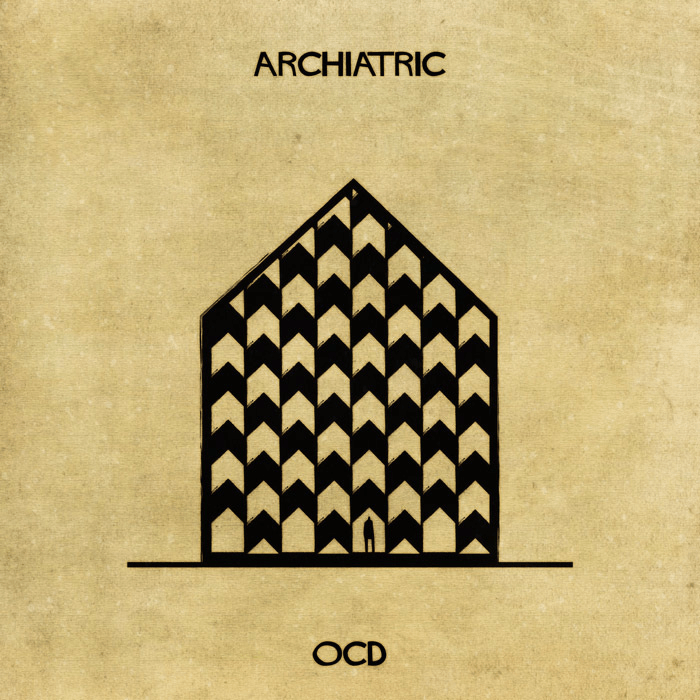
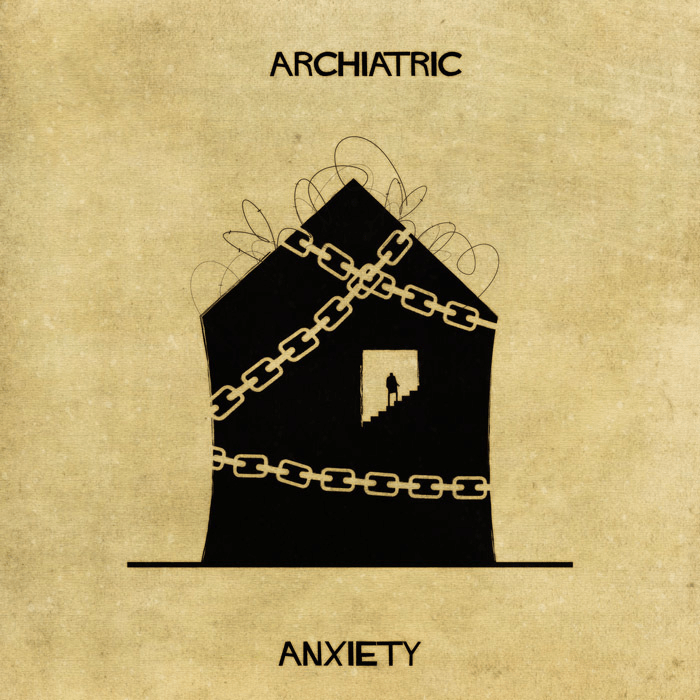


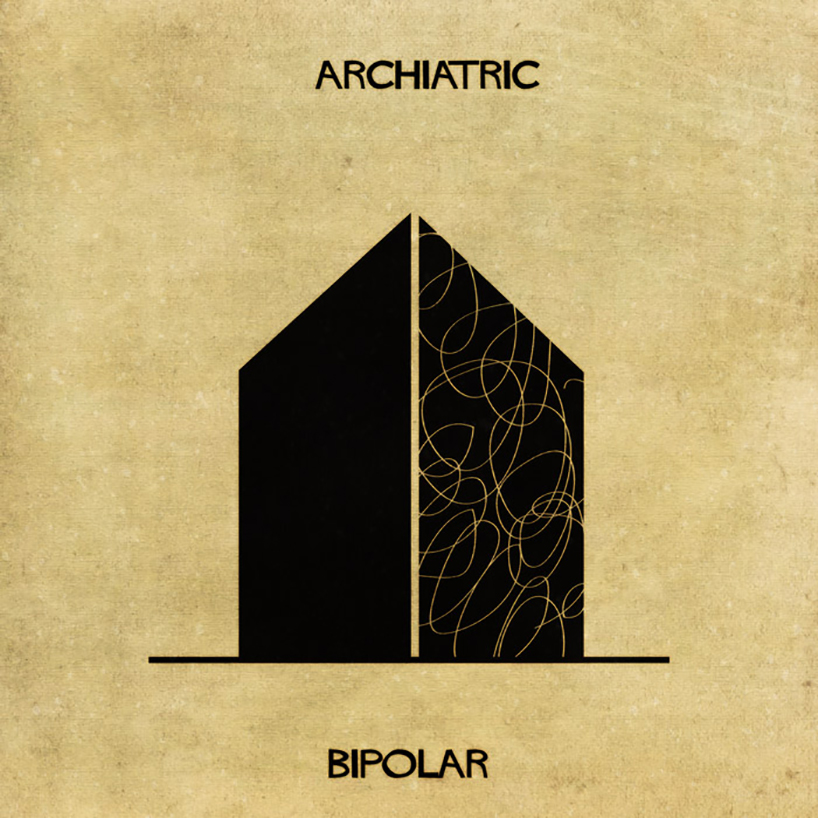
Architect Federico Babina explores the deep connection between architecture, behaviour, and mental health in ARCHIATRIC. His work transforms emotional states—such as anxiety, depression, and paranoia—into architectural forms, highlighting their impact on creative minds. ‘Who plans spaces plans attitudes, behaviours, and emotional experiences,’ Babina states, aiming not to romanticize mental illness but to challenge the stigma and spark reflection on its perception.
The built environment impacts neurodiverse individuals more intensely than neurotypical individuals due to these sensory differences, which can manifest in varied and profound ways. Features such as bright, flickering lights, loud noises, and chaotic layouts can create significant distress, leading to overwhelming sensory overload for those who are neurodiverse. Poorly designed spaces can create distress, hinder focus, or cause discomfort, limiting accessibility and inclusion.
Furthermore, the lack of calming areas or predictable patterns can exacerbate anxiety, making it difficult for neurodiverse individuals to engage fully in their surroundings. It’s essential to consider these factors in design, as a thoughtfully crafted environment can foster understanding, support, and a sense of belonging for everyone, particularly those who experience the world through a different lens.
Figures and Statistics
Many countries lack accurate data on neurodiversity within their population. It is important to consider that, in numerous cases, individuals do not have a professional diagnosis or prefer not to speak openly about their condition. Gestures like this promote open dialogue and help change the negative perception associated with neurodiversity, facilitating the understanding of these conditions and achieving more accurate figures.
| Condition | Percentage |
|---|---|
| Dyslexia | 10% |
| Attention Deficit and Hyperactivity (ADHD) | 8% |
| Dyspraxia | 8% |
| Dyscalculia | 6% |
| generalised intellectual disability | 3% |
| Autism Syndrome Disorder (ASD) | 1% |
Source: ADHD Aware.
Some consulting firms like Deloitte have conducted extensive studies and believe that between 10% and 20% of the global population is neurodivergent. This significant estimate emphasises the importance of recognizing and understanding the various ways that individuals process information and interact with the world around them. In 2022, the United Nations (UN) estimated that the global population will reach an astounding 8 billion, which would mean that between 800 million and 1.6 billion people in the world are neurodivergent.
Such numbers highlight the necessity of creating inclusive environments that cater to the diverse needs of this population, whether in educational settings, workplaces, or community spaces. Embracing neurodiversity not only enriches societal dynamics but also fosters innovation and creativity across various fields by leveraging the unique perspectives and skills of neurodivergent individuals.
Several celebrities have shared their neurodiverse diagnoses, raising awareness and reducing stigma, while empowering others and promoting inclusivity. Their platforms highlight the strengths of neurodiverse individuals and encourage recognition of their contributions in various fields.





It is essential to recognise that neurodivergent individuals bring a diverse range of skills, strengths, and talents that can be highly valuable across different contexts. Many excel in creativity, possess exceptional attention to detail, think innovatively, or have extraordinary memory, among other unique abilities. Embracing these strengths fosters inclusivity and allows society to benefit from diverse perspectives and problem-solving approaches.
Neurodiversity and inclusive environments
It is important to clarify that neurodiversity is typically present from birth, as conditions such as autism, ADHD, and dyslexia are linked to brain development. However, some individuals may not receive a diagnosis until later in life due to masking, lack of awareness, or misinterpretation of their traits. Additionally, neurological changes resulting from brain injuries, strokes, or neurodegenerative diseases can introduce cognitive differences later in life, demonstrating that neurodiversity can evolve.
Inclusive design in architecture and urban planning plays a crucial role in creating spaces that accommodate diverse neurological needs. By considering factors such as sensory sensitivity, accessibility, and flexibility, architects can design environments that support neurodiverse individuals, fostering well-being, productivity, and social inclusion.
Thoughtful design ensures that public spaces, workplaces, and homes are comfortable and functional for people of all neurotypes, reducing barriers and enhancing everyday experiences. However, despite good intentions, a lack of understanding of these often invisible and complex neurological conditions can lead to architectural solutions that fail to meet everyone’s needs.
Despite good intentions, sometimes a lack of understanding of these neural conditions, which have various levels of complexity and are generally invisible, can result in a final architectural response that is not suitable for everyone.
Integrating neuroscience with architecture and urbanism, alongside universal design principles, allows designers to create environments that enhance creativity, mental well-being, and cognitive function. Spaces that prioritise sensory-friendly elements, clear way finding, and opportunities for social engagement contribute to emotional stability and stress reduction. By fostering inclusivity and adaptability, such designs improve the quality of life for diverse populations, ensuring that cities and buildings are accessible, welcoming, and supportive for all.

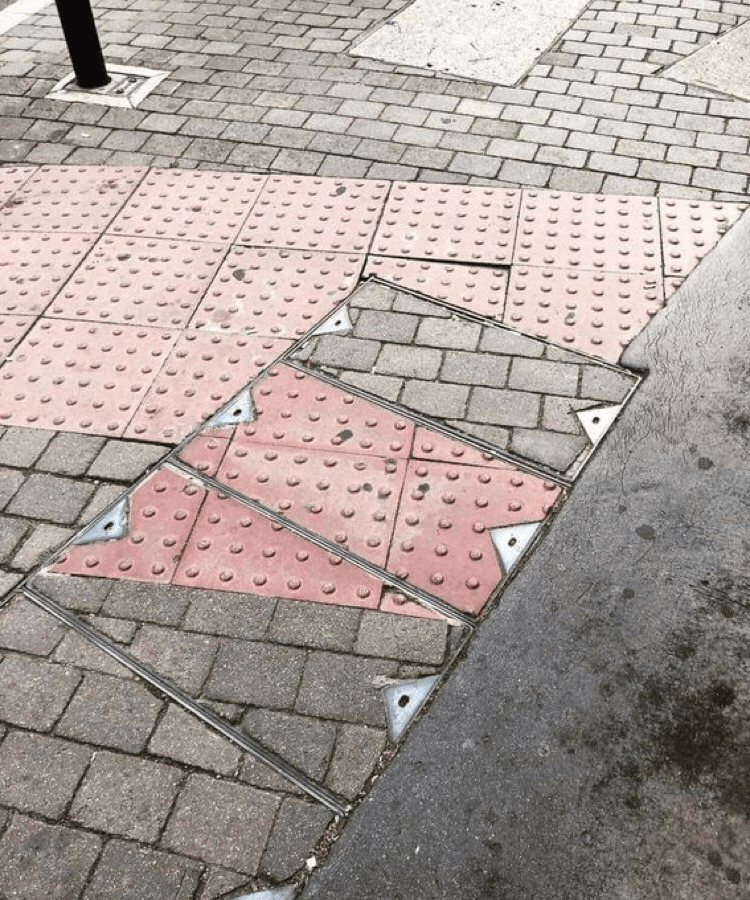
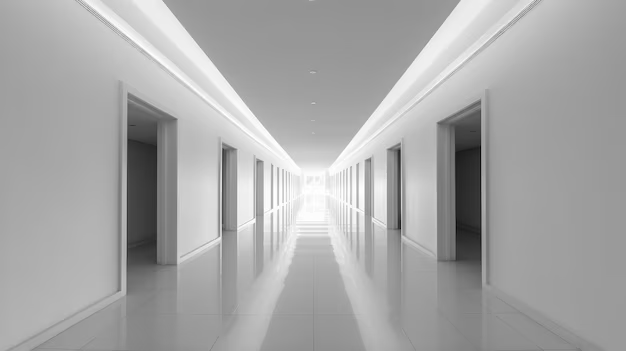
1. A road sign in an English city illustrates how a person with dyslexia may struggle to read signs correctly.
2. The disorganised appearance of patterns, textures, and materials can cause frustration and obsession for someone with obsessive-compulsive disorder (OCD).
3. Symmetrical and minimalist corridors can be disorienting for individuals with autism, ADHD, or dementia.
In Conclusion
Designing spaces for neurodivergent individuals goes beyond access; it promotes creativity in architecture and urban planning. By merging neuroscience with design, architects can create environments that cater to different cognitive and sensory needs, improving functionality and user experience for everyone. This method questions traditional design standards, supporting more flexible and responsive spaces.
Prioritising neurodiversity in design helps create specialised expertise in architecture and urban planning. Professionals who focus on sensory-friendly and Neuro-inclusive spaces enhance human-centric design, leading to better materials, spatial layouts, and technology solutions. Innovations like interactive lighting and flexible workspaces support neurodivergent individuals and create environments that promote well-being, productivity, and comfort for everyone.
Ultimately, embracing neurodiversity in architecture and urban planning transforms challenges into opportunities for progress. By designing with inclusivity in mind, we push the boundaries of traditional architectural practice, fostering creativity and forward-thinking solutions. This not only benefits neurodivergent individuals but also enriches society as a whole, leading to more dynamic, adaptable, and intelligent spaces that serve the evolving needs of all people.
Drop a comment below—share your insights, experiences, or questions. Let’s start a dialogue on making spaces more accessible, adaptable, and inspiring for all. Your voice matters in shaping the future of inclusive architecture!
References
Will.i.am opens up about his battle with ADHD and how he was once pronounced dead https://metro.co.uk/2018/01/21/will-i-am-opens-up-about-his-battle-with-adhd-and-how-he-was-once-pronounced-dead-7246679/#:~:text=He%20said%3A%20’I’ve,drowned%20in%20a%20swimming%20pool.
Keanu Reeves Dyslexia https://dyslexiahelp.umich.edu/keanu-reeves#:~:text=Despite%20being%20expelled%20and%20struggling,an%20injury%20prevented%20this%20dream.
Elon Musk opens up on how Asperger’s has impacted his life https://www.axios.com/2022/04/15/elon-musk-aspergers-syndrome
Why do architects need to understand neurodiversity? https://www.ribaj.com/intelligence/why-do-architects-need-to-understand-neurodiversity#:~:text=Neurodegenerative%20conditions%2C%20such%20as%20Alzheimer’s,any%20cognitive%20profile%2C%20including%20neurotypical.
Neurodiversity As A Strengthening Point For Your Team And Our Society https://www.forbes.com/sites/forbestechcouncil/2021/08/13/neurodiversity-as-a-strengthening-point-for-your-team-and-our-society/
Get back your social life to boost thinking, memory, and health. https://www.health.harvard.edu/mind-and-mood/get-back-your-social-life-to-boost-thinking-memory-and-health?utm_source=chatgpt.com
Neurodevelopmental Conditions https://adhdaware.org.uk/what-is-adhd/neurodiversity-and-other-conditions/
Where to start in addressing neurodiversity in your designs https://www.architecture.com/knowledge-and-resources/knowledge-landing-page/where-to-start-in-addressing-neurodiversity-in-your-designs#:~:text=The%20experiences%20of%20those%20with,as%20a%20RIBA%20Chartered%20Member.


One thought on “Designing Inclusive Spaces for Neurodiverse Populations”