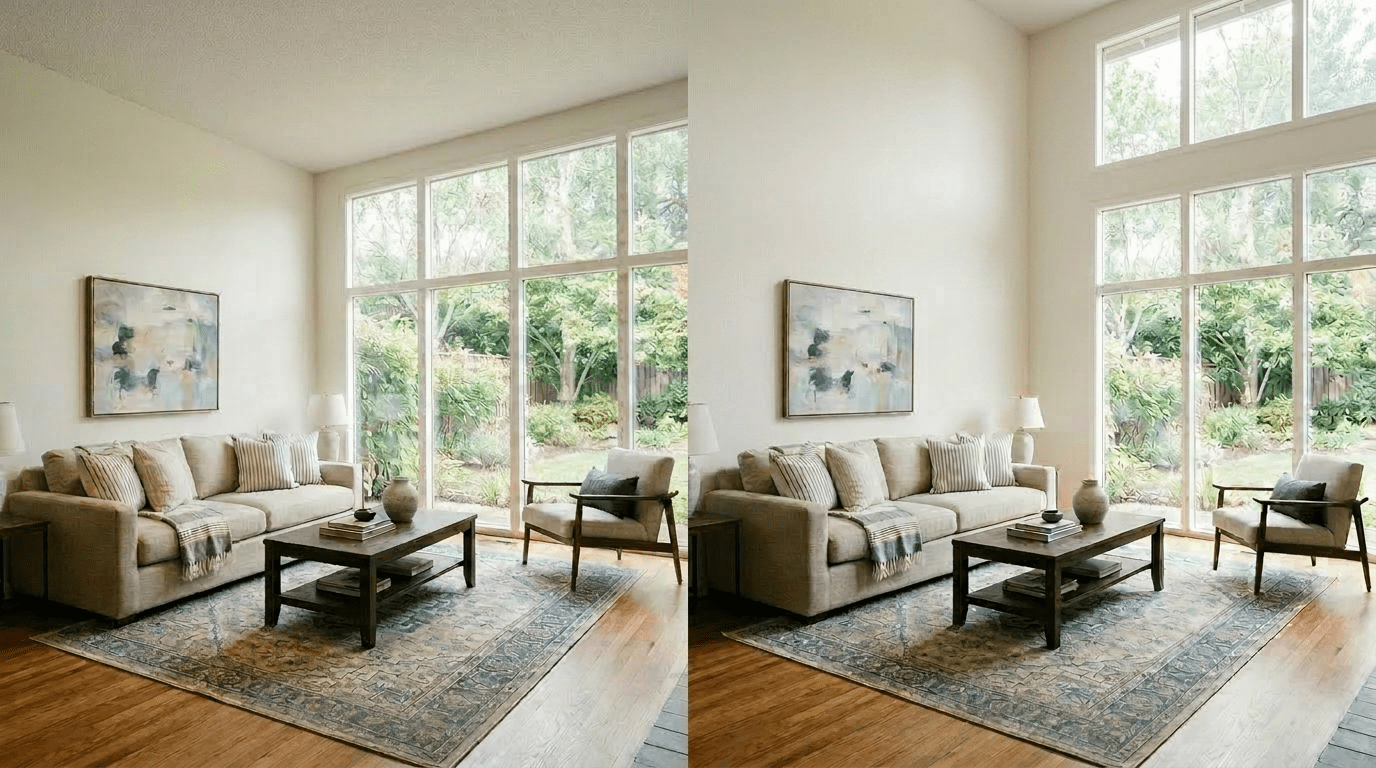
Imagine walking into two rooms of identical footprints. The first has a low ceiling that draws your focus downward, pinning your attention to the task immediately in front of you. The second soars overhead, pulling your gaze up and out. Nothing else changes, yet your brain shifts gears — altering your perception, attention, and approach to problem-solving.
Most people notice these spatial shifts instinctively. What’s less known is that they’ve been studied for decades across psychology, architecture, and neuroscience. A growing body of evidence suggests that vertical space subtly influences how we process information — a phenomenon known in cognitive science as the Cathedral Effect.
From Gothic Masters to Modern Experiments
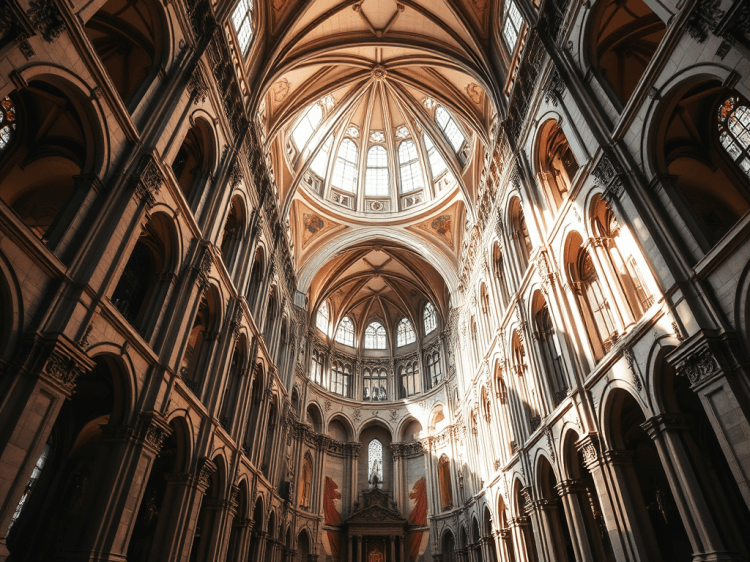
The concept isn’t new. Medieval builders deliberately designed Gothic cathedrals to draw the eye upwards, seeking to evoke spiritual transcendence. While their goals were spiritual rather than cognitive, modern research confirms that expansive vertical volumes inherently encourage broader, more abstract thinking.
Long before ceiling height became an experimental topic, anthropologist Edward T. Hall demonstrated through his work on proxemics that architecture is never just a passive backdrop; it is an active component of human experience.
Building on Hall’s foundation, Joan Meyers-Levy and Rui Zhu’s 2007 studies formally identified and named the Cathedral Effect. In controlled experiments, they found participants in rooms with 3.05 m (10 feet) ceilings engaged in significantly more relational, abstract processing. Those in 2.44 m (8 feet) rooms favoured item-specific, concrete processing. Crucially, the effect only appeared when ceiling height was noticeable — if it faded into the background, so did the cognitive shift.
Rather than implying one space is better, these findings suggest different environments support different cognitive tasks.
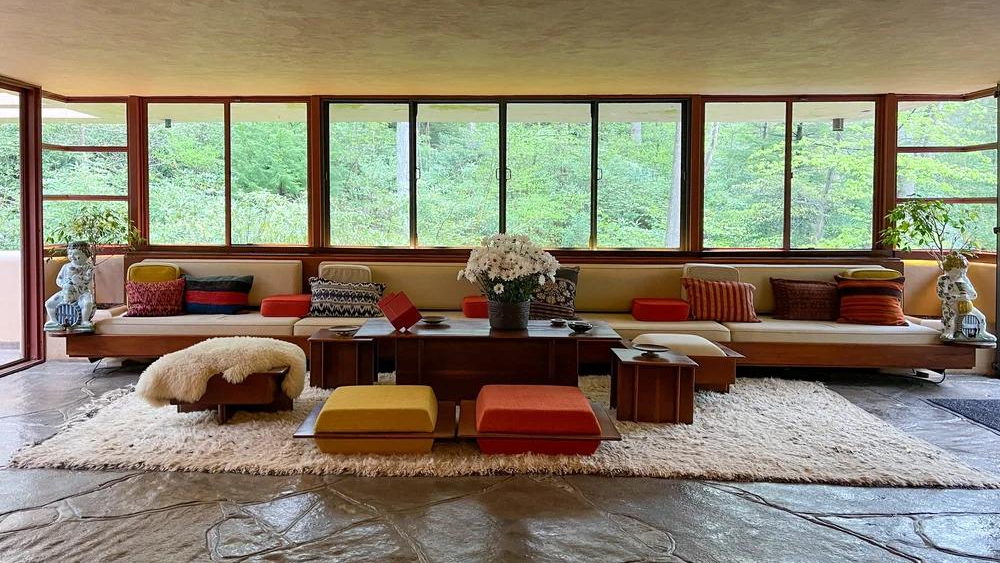
Frank Lloyd Wright masterfully exploited this at Fallingwater (1939), where intentionally low ceilings foster intimacy, concentration, and an acute awareness of one’s immediate surroundings — not grandeur.
What Happens in the Brain?
There’s no single “creativity centre”. Cognition emerges from coordinated networks handling perception, memory, attention, and executive function. Ceiling height seems to bias how these systems interact. The visual impression of openness appears to influence how attentional resources are allocated before conscious reasoning even begins.
Neuroimaging by Vartanian et al. (2015) found that high ceilings activated the precuneus, involved in visuospatial exploration, and the left middle frontal gyrus, linked to higher-order thinking. The effect appeared driven by spatial attention, not an emotional reward response.
So the brain doesn’t switch modes — it shifts strategy based on spatial cues.
Ceiling Height Through the Lens of Predictive Processing
One possible explanation comes from predictive processing: the theory that the brain constantly generates expectations about its environment before consciously interpreting it.
From this perspective, ceiling height acts as one of many environmental cues that influence those expectations. Expansive spaces may be interpreted as cues associated with exploration, flexibility, and behavioural freedom, encouraging broader cognitive associations. Lower ceilings, by contrast, may communicate enclosure and immediacy, promoting greater attention to nearby objects and specific tasks.
This interpretation complements the behavioural findings and offers a promising framework for understanding why architectural space influences cognition.
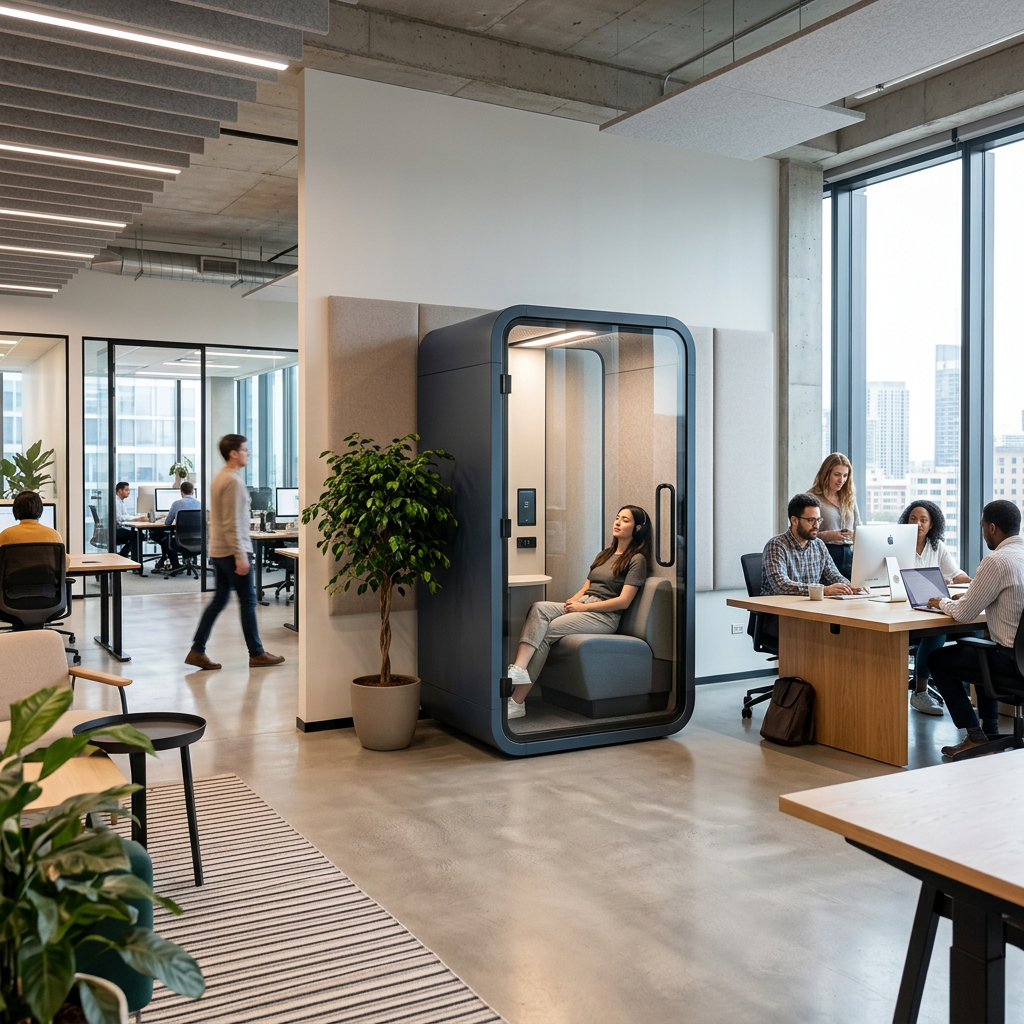

1 – Office pod. Open offices have high ceilings for creativity and collaboration.
Private pods have low ceilings for focus and relaxation.
Point: You can switch between expansive thinking and detailed work in one space.
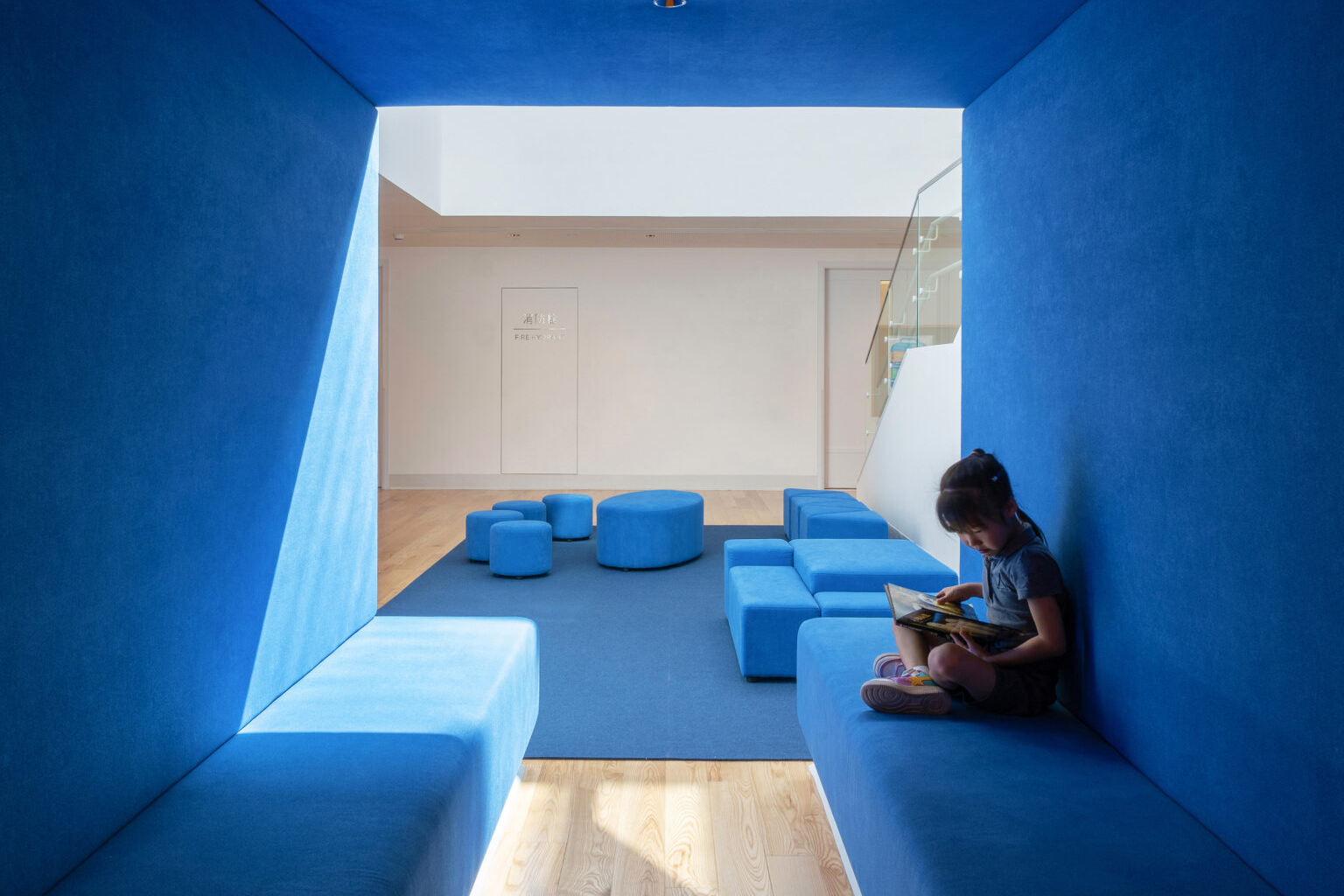
2 – Blue reading nook. A low, dark blue ceiling creates a cosy hideout in a bright room.
For many autistic kids, smaller spaces reduce sensory overload and enhance safety.
Point: Enclosed spaces can help calm the brain and improve attention.
3 – Acoustic chair in the crowd. In a loud, busy space, a hooded chair offers instant quiet and privacy. You can take a break without leaving.
Point: People have different needs — some require a smaller space to stay regulated.
Individual Differences Matter
The effects of ceiling height should not be interpreted as universal. People’s responses vary according to personality, culture, previous experiences, and sensory processing differences.
For some autistic individuals, a higher ceiling may reduce feelings of confinement and sensory pressure. For others, the same environment may feel visually overwhelming, particularly when combined with bright lighting, excessive reverberation, or complex visual stimuli.
These differences reinforce a central principle of neuroarchitecture: there is rarely a single design solution that benefits everyone equally.
The Architectural Matrix: Beyond a Single Dimension
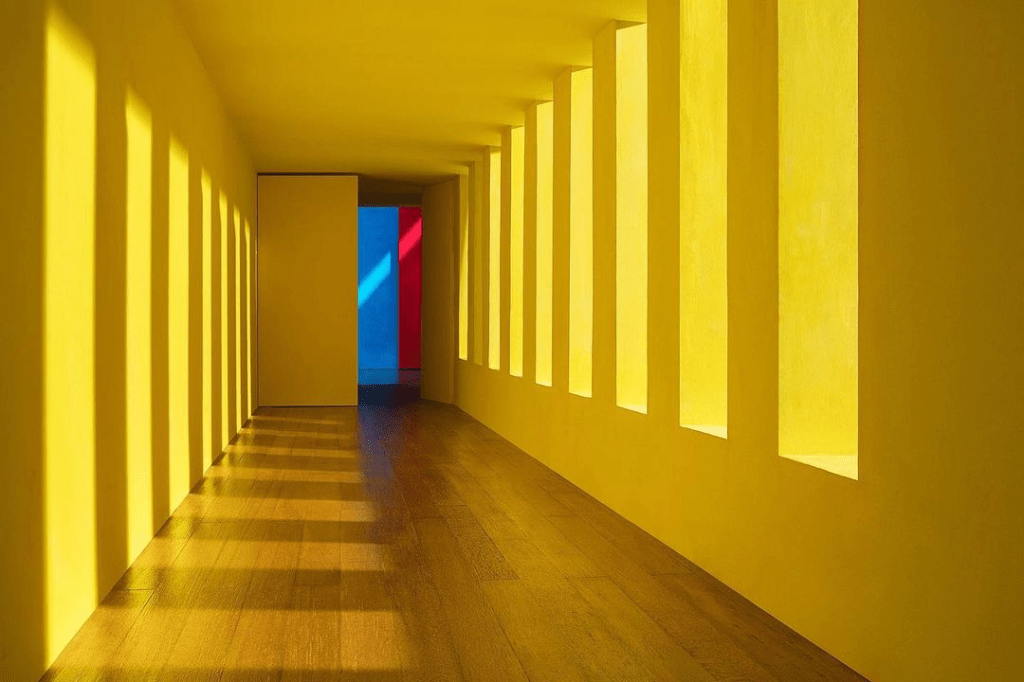
Ceiling height never works in isolation. Our perception of space is a complex matrix woven from proportion, light, acoustics, colour, materiality, geometry, and access to nature.
Research by Baird, Cassidy, and Kurr (1978) indicated that preferences for ceiling heights are influenced by room size and context, with a baseline preference for 3 m ceilings in standard rooms. Their study highlighted that evaluations of interior spaces depend on imagined activities — spatial preferences vary based on context.
Designing only around ceiling height oversimplifies how we experience architecture. The most effective spaces align multiple design elements with the intended activities and the needs of users.

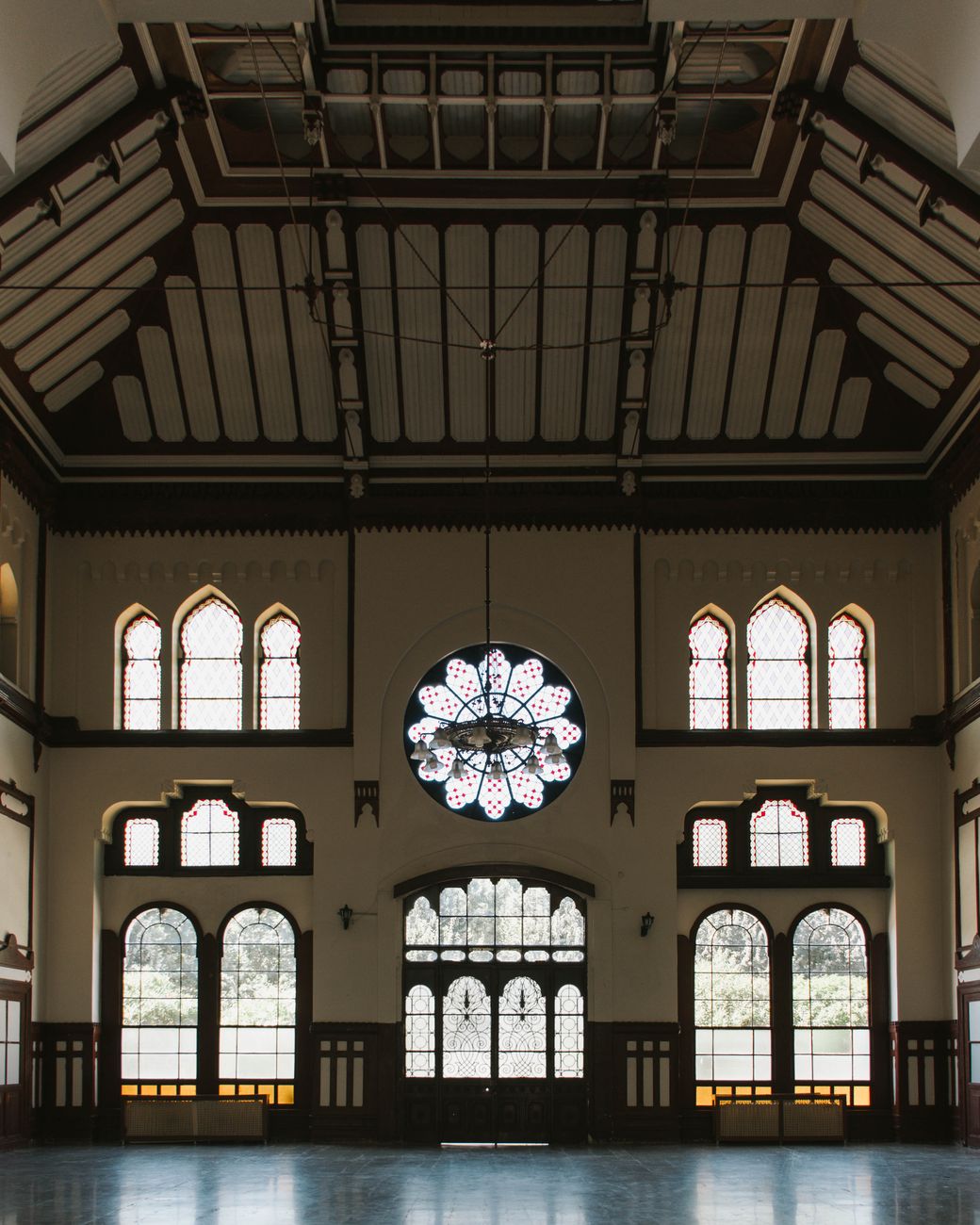
Designing Spaces That Support Different Ways of Thinking
Instead of asking whether high or low ceilings are “better”, architects can ask: What kind of thinking should this volume encourage?
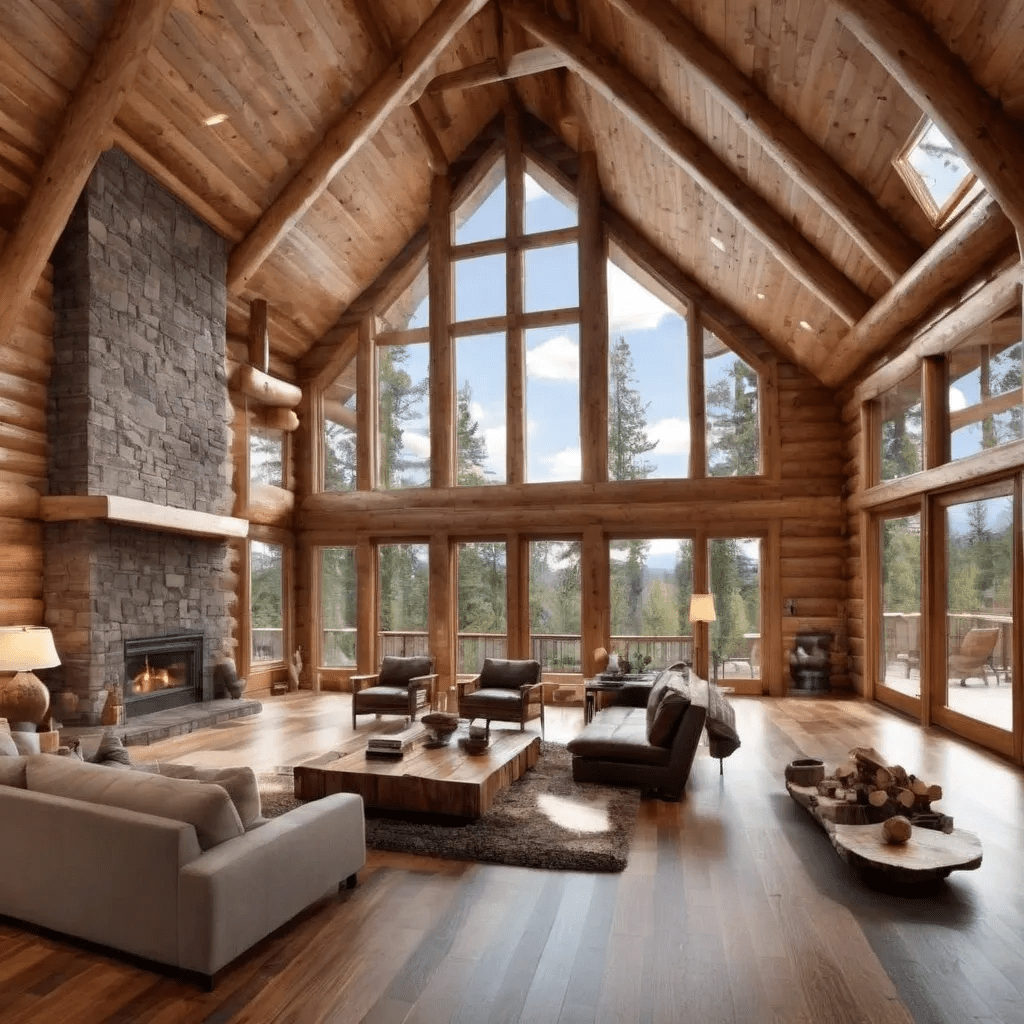
Expansive volumes: Innovation hubs, collaborative studios, and galleries benefit from high ceilings that unlock divergent thinking and creative freedom.
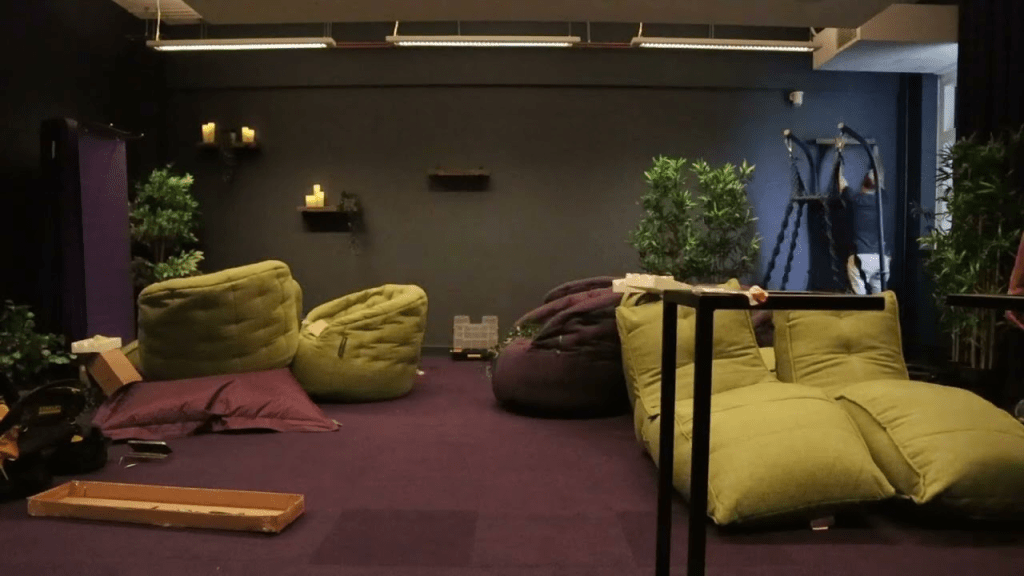
Compressed volumes: Libraries, individual study pods, tech labs, or clinical spaces function more effectively with lower, structured ceilings that ground user attention and aid sustained concentration.
Understanding these relationships lets designers move beyond aesthetics to create environments that actively support human cognition.
Conclusion
Ceiling height doesn’t determine how we think, but it can gently nudge the mental strategies we adopt.
Architecture does not dictate thought, but it helps shape the conditions under which thought emerges. Every proportion, surface, and volume becomes part of the dialogue between the built environment and the brain. Ceiling height is only one voice in that conversation — but it reminds us that even the simplest architectural decisions can influence how people focus, imagine, and experience the world.
We’re still learning how it interacts with noise, light colour temperature, or even VR environments. That’s the frontier for neuroarchitecture.
Recognising these subtle interactions allows architects to design spaces that do more than shelter activity. They can become environments that intentionally support creativity, concentration, and psychological well-being.
Further Reading
Meyers-Levy, J., & Zhu, R. (2007). The influence of ceiling height: The effect of priming on the type of processing that people use. Journal of Consumer Research, 34(2), 174–186. https://doi.org/10.1086/519146
Vartanian, O., Navarrete, G., Chatterjee, A., Fich, L. B., Gonzalez-Mora, J. L., Leder, H., Modroño, C., Nadal, M., Rostrup, N., & Skov, M. (2015). Architectural design and the brain: Effects of ceiling height and perceived enclosure on beauty judgements and approach-avoidance decisions. Journal of Environmental Psychology, 41, 10–18. https://doi.org/10.1016/j.jenvp.2014.11.006
Baird, J. C., Cassidy, B., & Kurr, J. (1978). Room preference as a function of architectural features and user activities. Journal of Applied Psychology, 63(6), 719–727. https://doi.org/10.1037/0021-9010.63.6.719
Mostafa, M. (2008). An architecture for autism: Concepts of design intervention for the autistic user. International Journal of Architectural Research, 2(1), 189–211.
Gaines, K., Bourne, A., Pearson, M., & Kleibrink, M. (2016). Designing for autism spectrum disorders. Routledge.


One thought on “The Cathedral Effect: How Ceiling Height Shapes Spatial Cognition”