
In the 1950s, Dr. Jonas Salk—on the verge of creating the polio vaccine—felt completely paralysed. After years of research, exhaustion and global pressure led to an absolute mental block. Exhausted and confused, he made a radical decision: to travel to the Monastery of Assisi, Italy, the home of Saint Francis. There, amidst silent walls, softContinueContinue reading “The Urgency of Silence: Why Inner Retreat is the Most Necessary Architecture of the 21st Century”
Category Archives: Louis Kahn
Arquitectura para el recogimiento: La urgencia del silencio en el siglo XXI
En los años 50, el Dr. Jonas Salk —a punto de crear la vacuna contra la poliomielitis— se sintió completamente paralizado. Tras años de investigación, el agotamiento y la presión global le provocaron un bloqueo mental absoluto. Agotado y confuso, tomó una decisión radical: viajar al Monasterio de Asís, en Italia, hogar de San Francisco.ContinueContinue reading “Arquitectura para el recogimiento: La urgencia del silencio en el siglo XXI”
Luz y sombra en la arquitectura: cómo su diseño impacta nuestras emociones
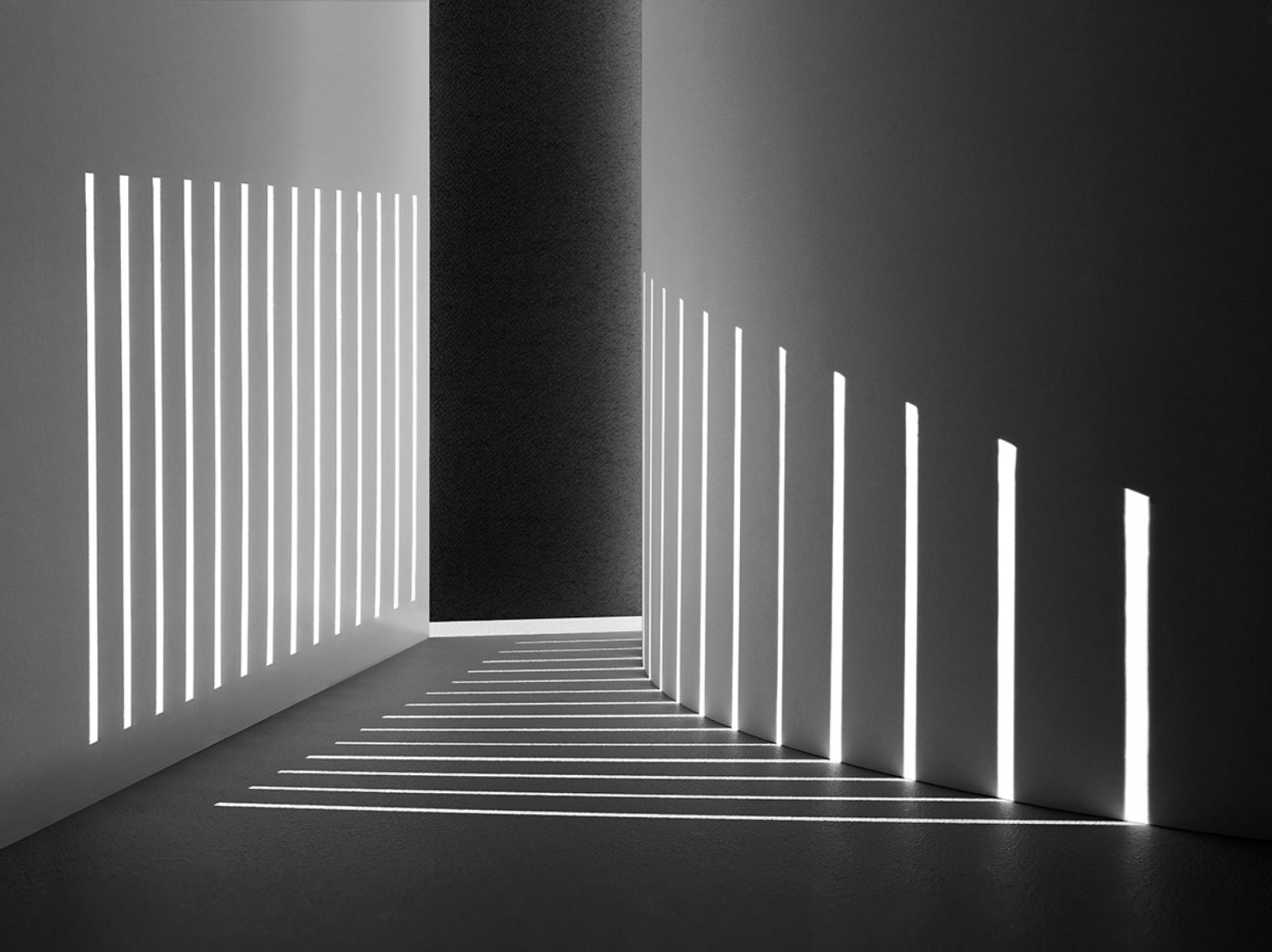
Pensaste que elegiste el color de pintura perfecto. Pero cuando se pone el sol… se ve diferente y ya no te gusta tanto. ¿Por qué? Porque el color no es un valor fijo —de hecho depende de la luz. Lo que percibimos como “color” es una dinámica entre el pigmento y la luz, que fluctúaContinueContinue reading “Luz y sombra en la arquitectura: cómo su diseño impacta nuestras emociones”
The Emotional Power of Light and Shadow in Design
You thought you chose the perfect colour. But when the sun sets… it feels wrong. Why? Because colour isn’t fixed—it’s shaped by light. What we perceive as “colour” is a dance between pigment and light, changing with time of day, orientation, lighting temperature, and material surroundings. That’s why the same soft grey can feel calmingContinueContinue reading “The Emotional Power of Light and Shadow in Design”
Neuroarquitectura: Cómo los espacios afectan la mente
Imagina que eres un joven profesional creativo que comienza su primer trabajo. Estás lleno de ideas, ansioso por colaborar, listo para crecer. Pero en el momento en que entras a la oficina, sientes que no puedes respirar al ver una cuadrícula de cubículos idénticos, luces duras arriba y sin ventanas. Vista de un ambiente deContinueContinue reading “Neuroarquitectura: Cómo los espacios afectan la mente”
Neuroarchitecture: How Space Affects Your Mind
Imagine you’re a young creative professional starting your first job. You’re full of ideas, eager to collaborate, ready to grow. But the moment you step into the office, you feel it—a grid of identical cubicles, harsh lighting overhead, no windows, no space to breathe. An office space filled with identical cubicles, highlighting a lack ofContinueContinue reading “Neuroarchitecture: How Space Affects Your Mind”
Designing with the Brain in Mind: Lessons from the Sainsbury Wellcome Centre

What happens when buildings are designed not just for shelter, but to support how we think, feel, and interact? This question guided the creation of one of the most innovative neuroscience centres in the world: the Sainsbury Wellcome Centre in London. Where Vision Meets Neuroscience Between 2009 and 2016, British architect Ian Ritchie was commissionedContinueContinue reading “Designing with the Brain in Mind: Lessons from the Sainsbury Wellcome Centre”
Arquitectura Emocional
Se conoce como arquitectura emocional a un movimiento que se originó en México a mediados del siglo XX. Su creador, el arquitecto y escultor Mathias Goeritz, concebía la arquitectura como una forma de arte. Por lo tanto, pensaba que no solo se debía centrar en la estructura física y la función, sino que también debíaContinueContinue reading “Arquitectura Emocional”
¿Fue Louis Kahn el primer neuroarquitecto?
Cuando el virólogo Jonas Salk y el arquitecto Louis Kahn se conocieron en 1959, conectaron inmediatamente. En esa época Kahn tenía fama de ser un poeta dentro de los arquitectos y Salk estaba muy entusiasmado con la idea de crear un centro de investigación científica que tuviera todas las condiciones necesarias para atraer y nutrirContinueContinue reading “¿Fue Louis Kahn el primer neuroarquitecto?”
 neurotectura.com