
El estrés es una respuesta biológica necesaria que nos permite reaccionar, adaptarnos y sobrevivir en un entorno en constante cambio. Cuando el cerebro percibe una amenaza —real o simbólica— activa el sistema nervioso y libera hormonas como el cortisol y la adrenalina, preparando al cuerpo para responder con rapidez. Esta reacción, conocida como lucha oContinueContinue reading “El estrés: Impacto de la vista en nuestro bienestar”
Category Archives: mental-health
Home Design for Neurodivergent People
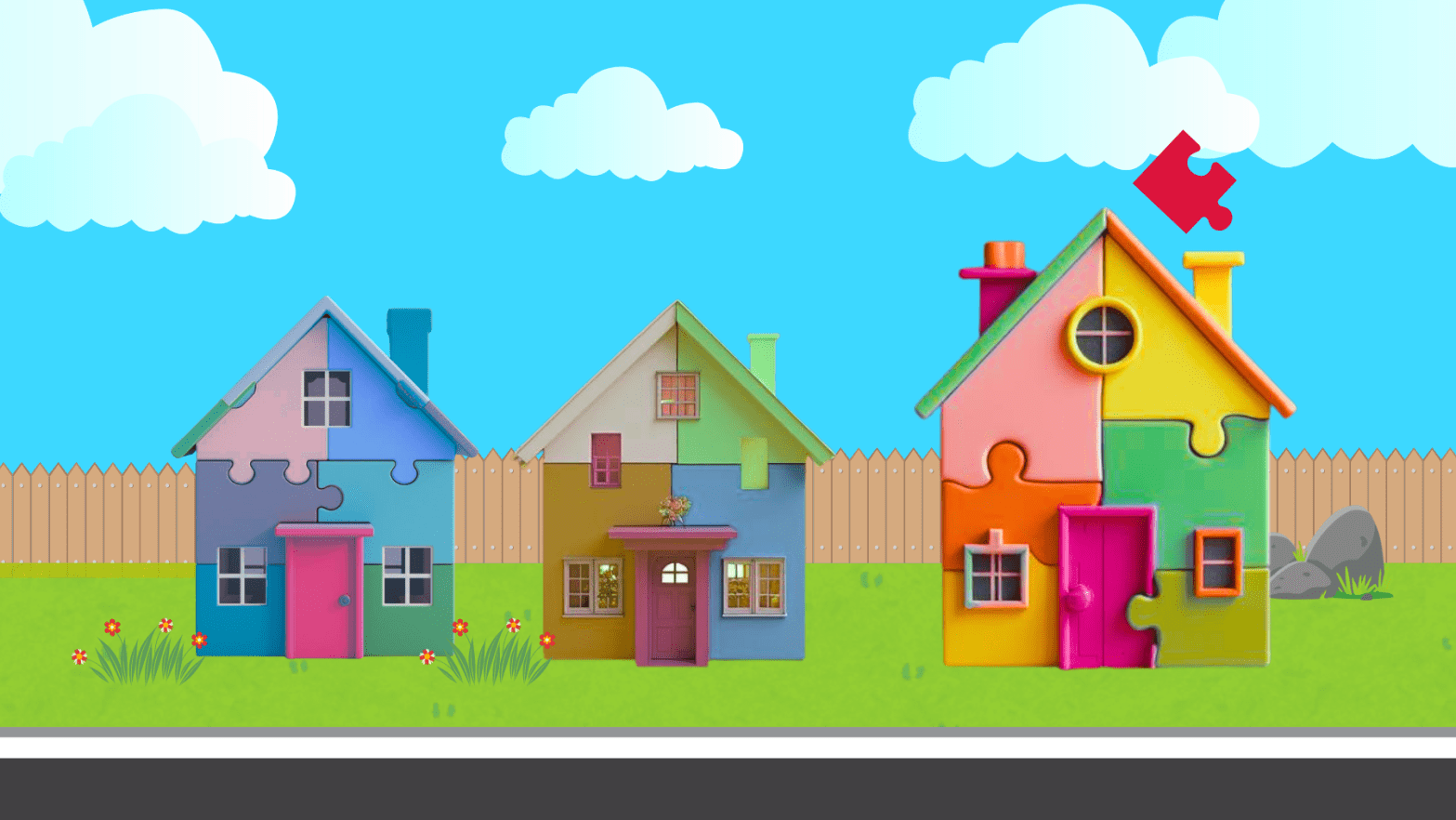
Although official data on neurodivergence and homelessness remain limited, the available evidence suggests that neurodivergent people —particularly autistic individuals —are disproportionately represented among those experiencing housing insecurity or homelessness in the United Kingdom. The absence of stable housing activates prolonged stress responses, with direct and lasting consequences for mental health. For this reason, the housingContinueContinue reading “Home Design for Neurodivergent People”
The Urgency of Silence: Why Inner Retreat is the Most Necessary Architecture of the 21st Century

In the 1950s, Dr. Jonas Salk—on the verge of creating the polio vaccine—felt completely paralysed. After years of research, exhaustion and global pressure led to an absolute mental block. Exhausted and confused, he made a radical decision: to travel to the Monastery of Assisi, Italy, the home of Saint Francis. There, amidst silent walls, softContinueContinue reading “The Urgency of Silence: Why Inner Retreat is the Most Necessary Architecture of the 21st Century”
Nature as Therapy: The Brain’s Response

If someone were to ask us to imagine paradise, we would probably picture a place filled with trees, flowers, waterfalls, and beaches. Hardly anyone would think of a concrete jungle. That preference is not accidental: it has deep roots in our brains. Neuroscience shows that our connection with nature stems from a biological need, notContinueContinue reading “Nature as Therapy: The Brain’s Response”
How Architecture Can Combat Loneliness
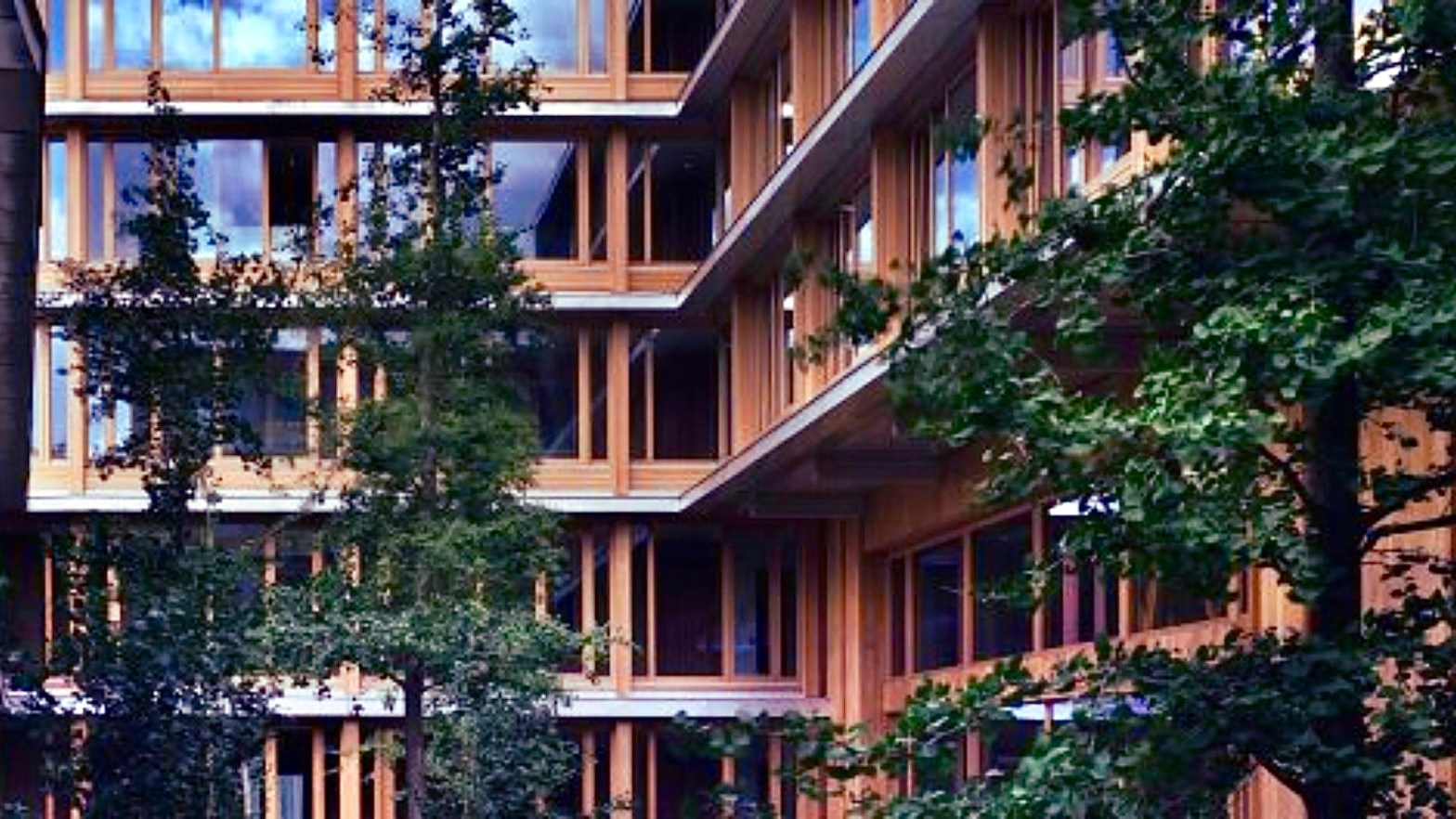
Can design prevent loneliness? In a rapidly ageing world, this question is no longer rhetorical.Loneliness, recognised by the WHO as one of the main threats to public health, affects memory, blood pressure, and even life expectancy. But what if architecture could help us weave back together the bonds that time and the city have unravelled?ContinueContinue reading “How Architecture Can Combat Loneliness”
The Invisible Language of Light in Architecture
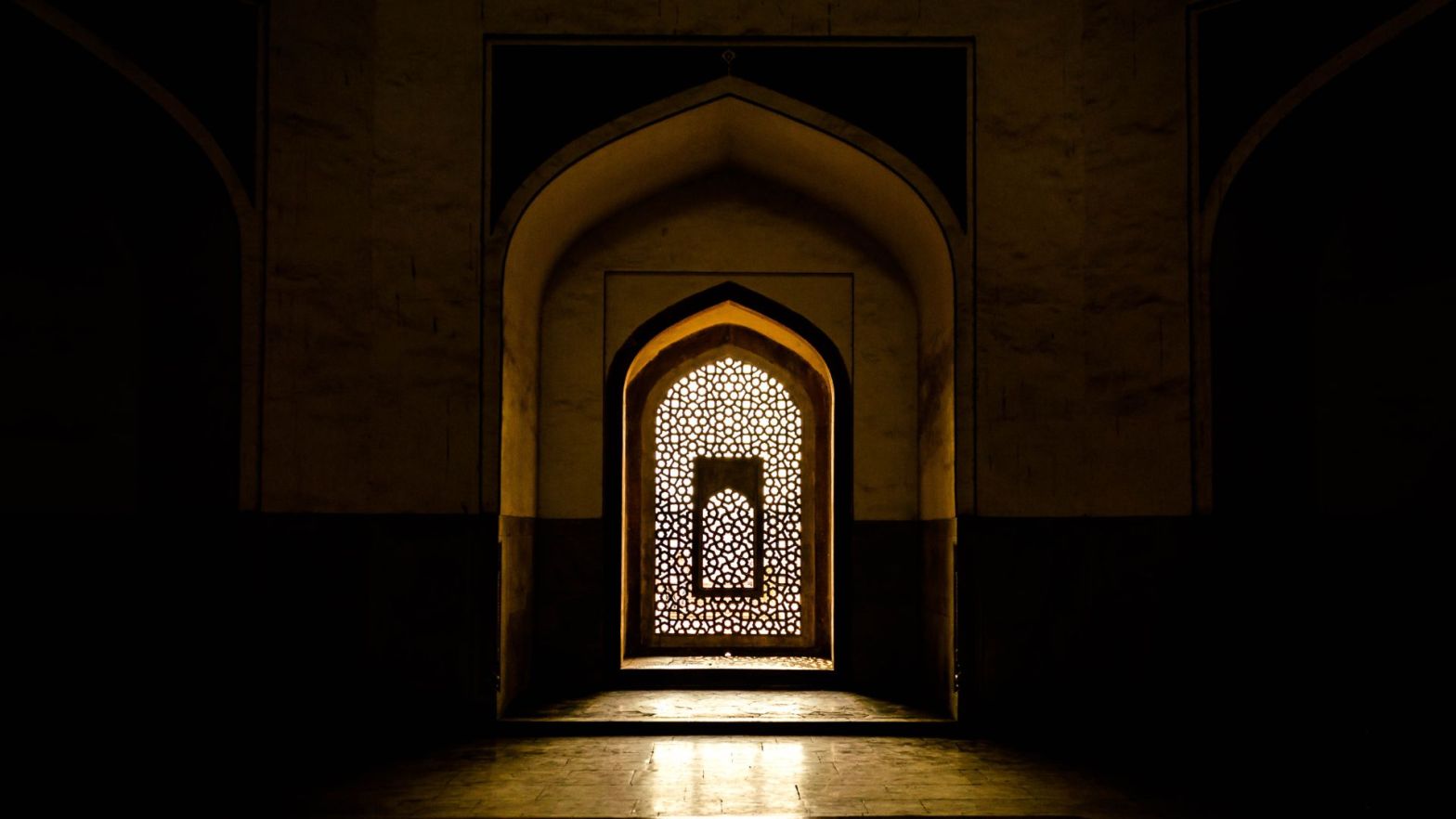
Light shapes life, time, and architecture.It doesn’t merely reveal spaces — it builds them. Long before electricity, fire, or glass existed, there was already an architecture guided by light: the sun tracing its way across stones, openings, and shadows. Nothing has changed — except how little we still talk about it. Light has been recognisedContinueContinue reading “The Invisible Language of Light in Architecture”
Creating Calm: Designing Homes for Better Mental Health
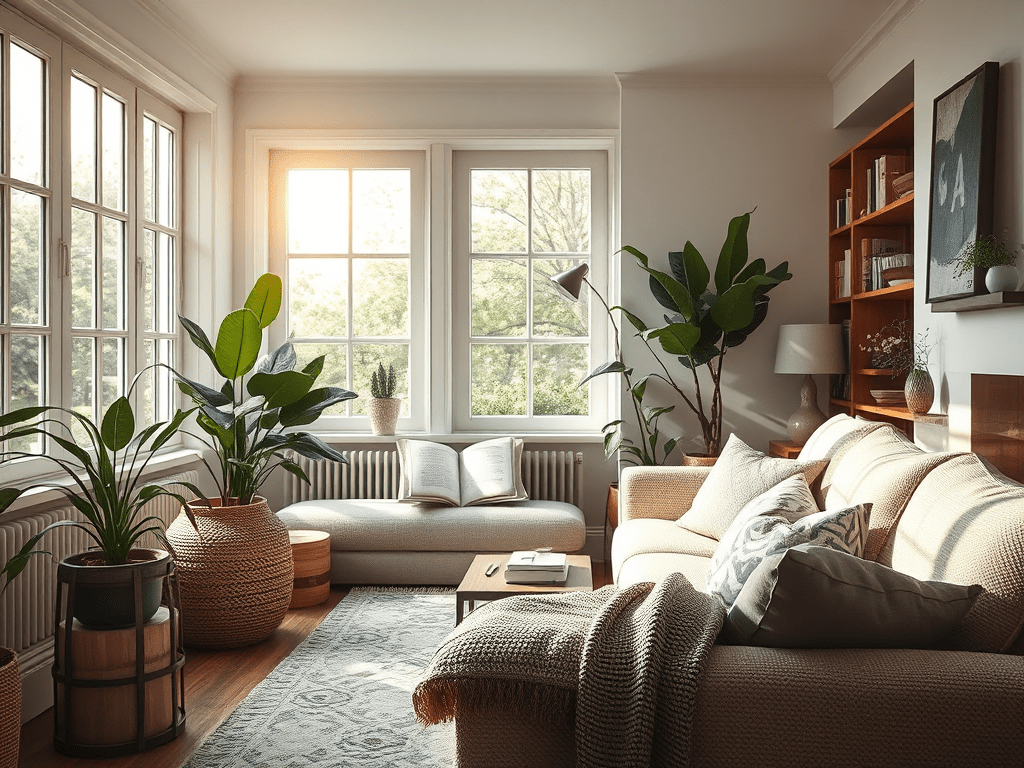
After a day filled with work, study, commuting, and endless demands, where do we land? We should return to a space that offers more than shelter—a place that helps us decompress, slow down, and reconnect.With ourselves. With our loved ones. With what truly matters. We spend around 90% of our time indoorsWorld Health Organization Yet,ContinueContinue reading “Creating Calm: Designing Homes for Better Mental Health”
Diseñar con agua: donde fluye la emoción

1. Donde fluye la calma Estamos hechos principalmente de agua. Fluye por nuestras venas, amortigua nuestro cerebro y llena las células que sostienen la vida. Pero nuestra conexión con ella es más profunda que la fisiología. El agua es algo que sentimos. Su brillo, su ritmo, su persistencia silenciosa —estas cosas hablan de algo antiguoContinueContinue reading “Diseñar con agua: donde fluye la emoción”
Water’s Influence on Human Emotion and Design
1. A Moment by the Water We are made mostly of water. It flows through our veins, cushions our brain, and fills the cells that sustain life. But our connection to it runs deeper than physiology. Water is something we feel. Its shimmer, its rhythm, its quiet persistence—these things speak to something ancient within us.ContinueContinue reading “Water’s Influence on Human Emotion and Design”
Designing for Mental Health: Architecture’s Role
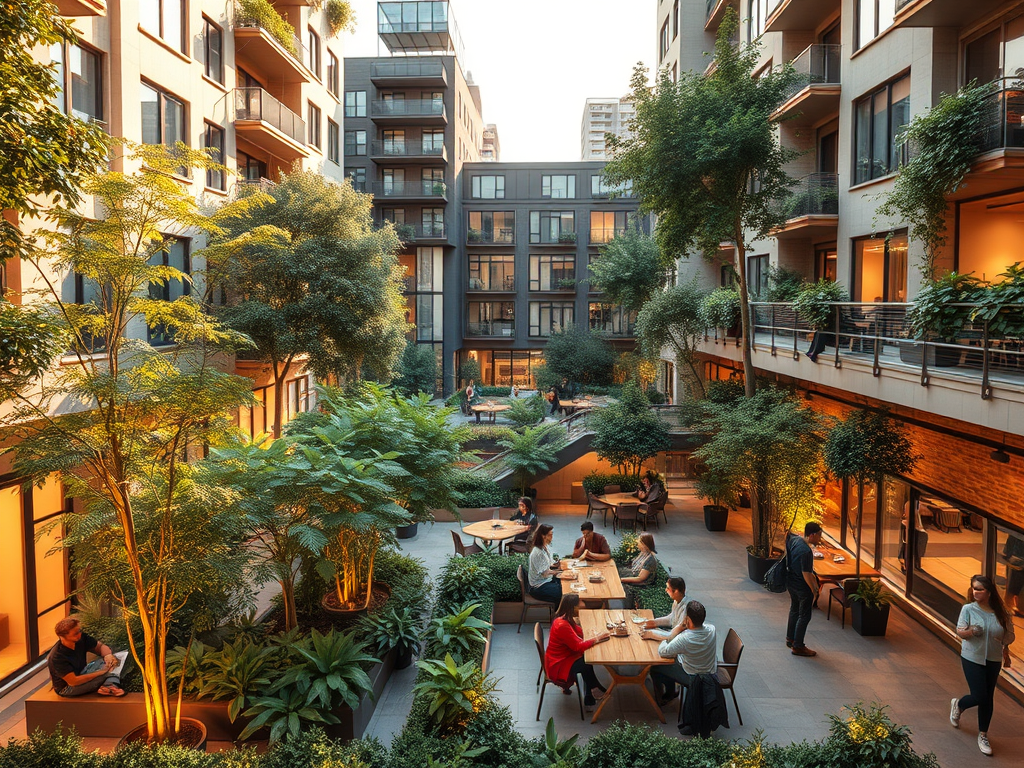
According to the World Health Organization (WHO), mental health conditions include mental disorders, psychosocial disabilities, and other emotional states that significantly impair daily functioning or increase the risk of self-harm. The Crisis: Anxiety, Disconnection, and Isolation Alfred, a 90-year-old widower from Wakefield, spent six months in near-total isolation. After losing his wife, his only humanContinueContinue reading “Designing for Mental Health: Architecture’s Role”
 neurotectura.com