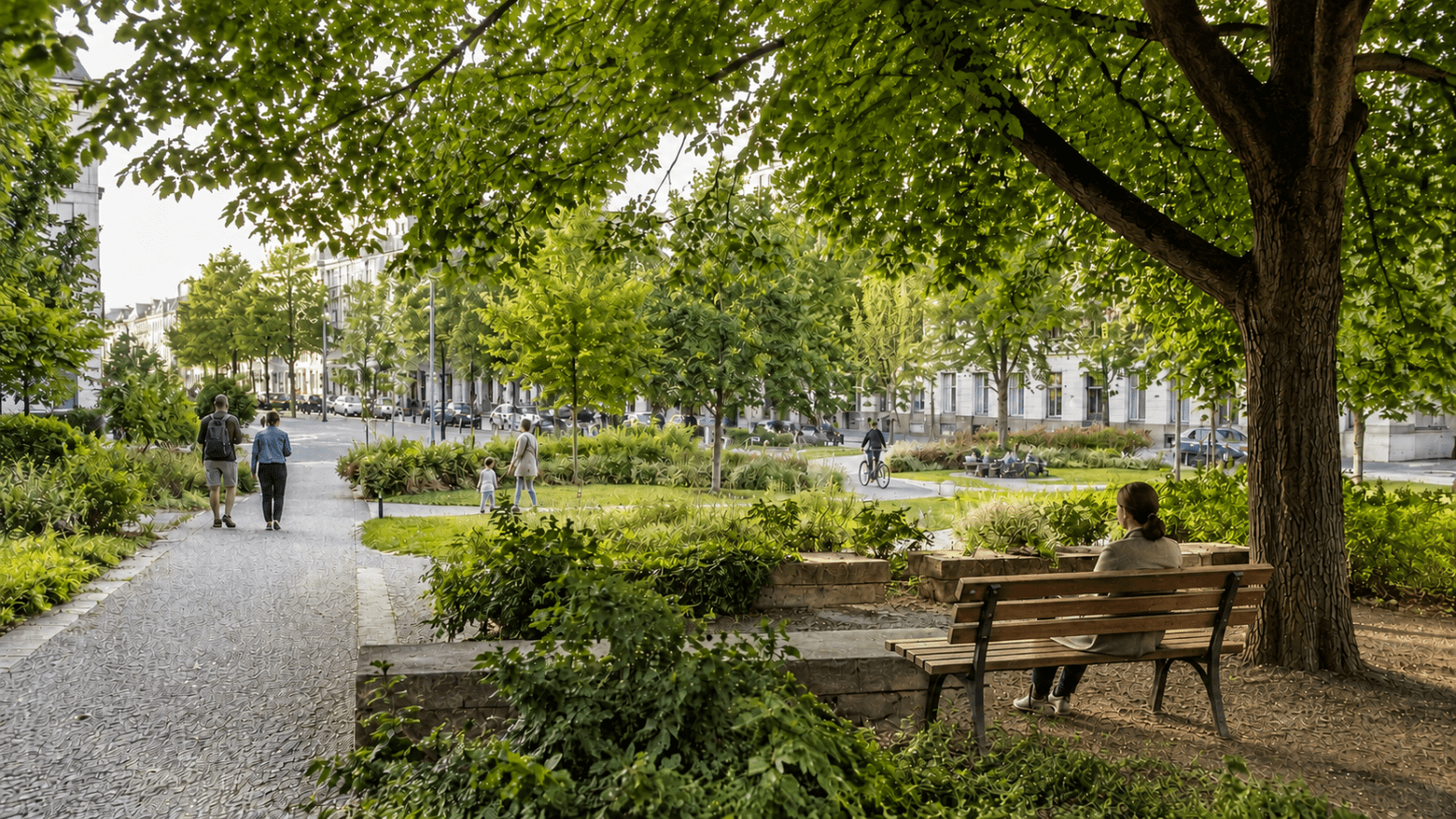
Los parques urbanos suelen presentarse como una respuesta directa a las presiones de la vida en la ciudad. Se delimitan áreas, se plantan árboles, se extienden céspedes, se trazan senderos y se asume que las personas se sentirán más tranquilas, pensarán con mayor claridad y disfrutarán de una mejor salud. Pero la presencia de vegetaciónContinueContinue reading “No todos los espacios verdes son restauradores”
Tag Archives: nature
Not Every Green Space Is Restorative
Urban parks are frequently presented as a straightforward remedy for the pressures of city life. Add trees, create a lawn, provide a path, and people will supposedly feel calmer, think more clearly, and enjoy better health. But the presence of vegetation does not automatically make a place restorative. A park may contain trees and stillContinueContinue reading “Not Every Green Space Is Restorative”
Designing for Mental Health: Architecture’s Role
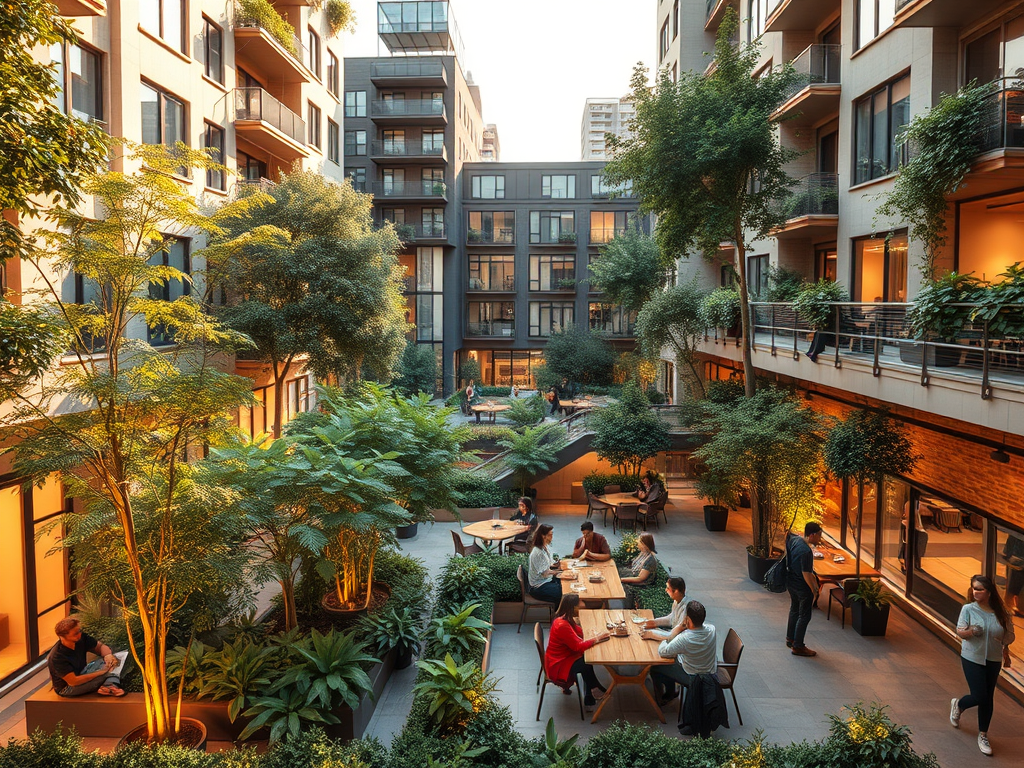
According to the World Health Organization (WHO), mental health conditions include mental disorders, psychosocial disabilities, and other emotional states that significantly impair daily functioning or increase the risk of self-harm. The Crisis: Anxiety, Disconnection, and Isolation Alfred, a 90-year-old widower from Wakefield, spent six months in near-total isolation. After losing his wife, his only humanContinueContinue reading “Designing for Mental Health: Architecture’s Role”

