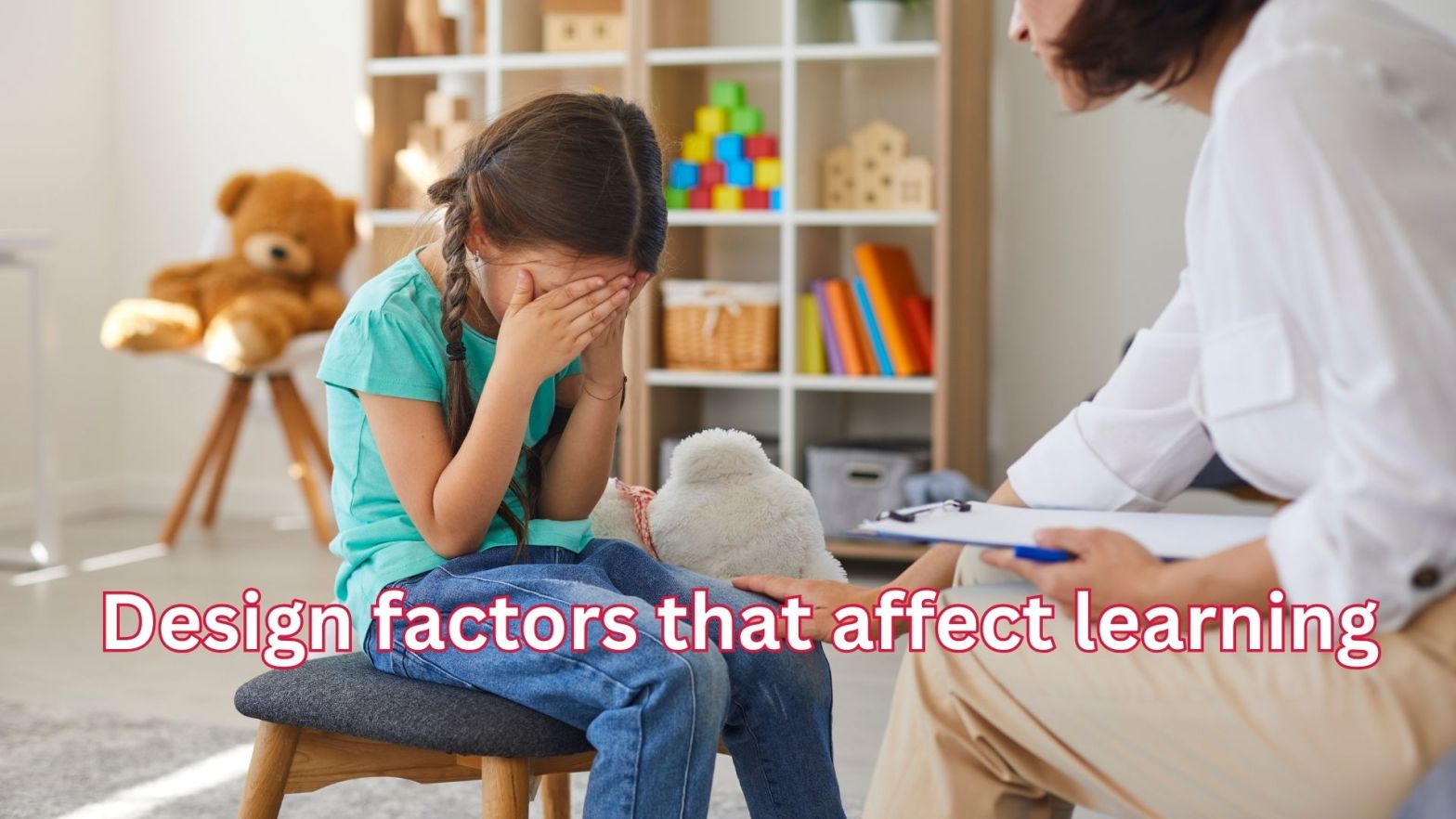
María is a bright and curious student. Yet, every time exam season arrives, she feels unwell. The night before, she barely sleeps. In the morning, her stomach aches and her head throbs. As she walks into the exam hall, the harsh fluorescent lights flicker above, rows of identical desks stretch endlessly, and the ticking clockContinueContinue reading “How Environment Influences Learning and Emotional Safety”
Category Archives: Neuroarchitecture
The Science of Perception: How Gestalt Principles Influence Us
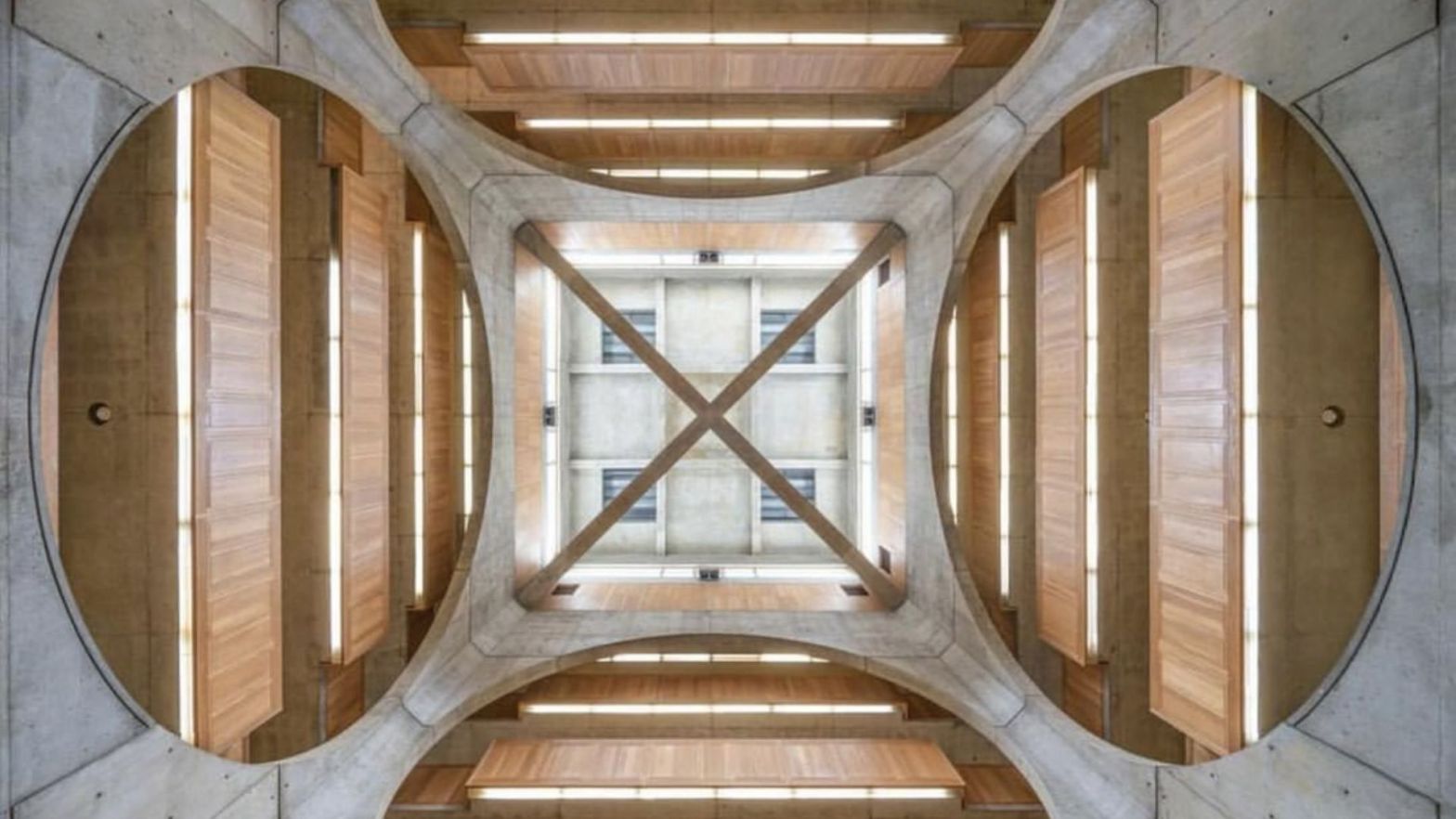
Meta description: Discover how Gestalt theory shapes perception, design, and architecture — and why it matters in today’s creative world.
The Colour Illusion: How the Mind Paints Reality
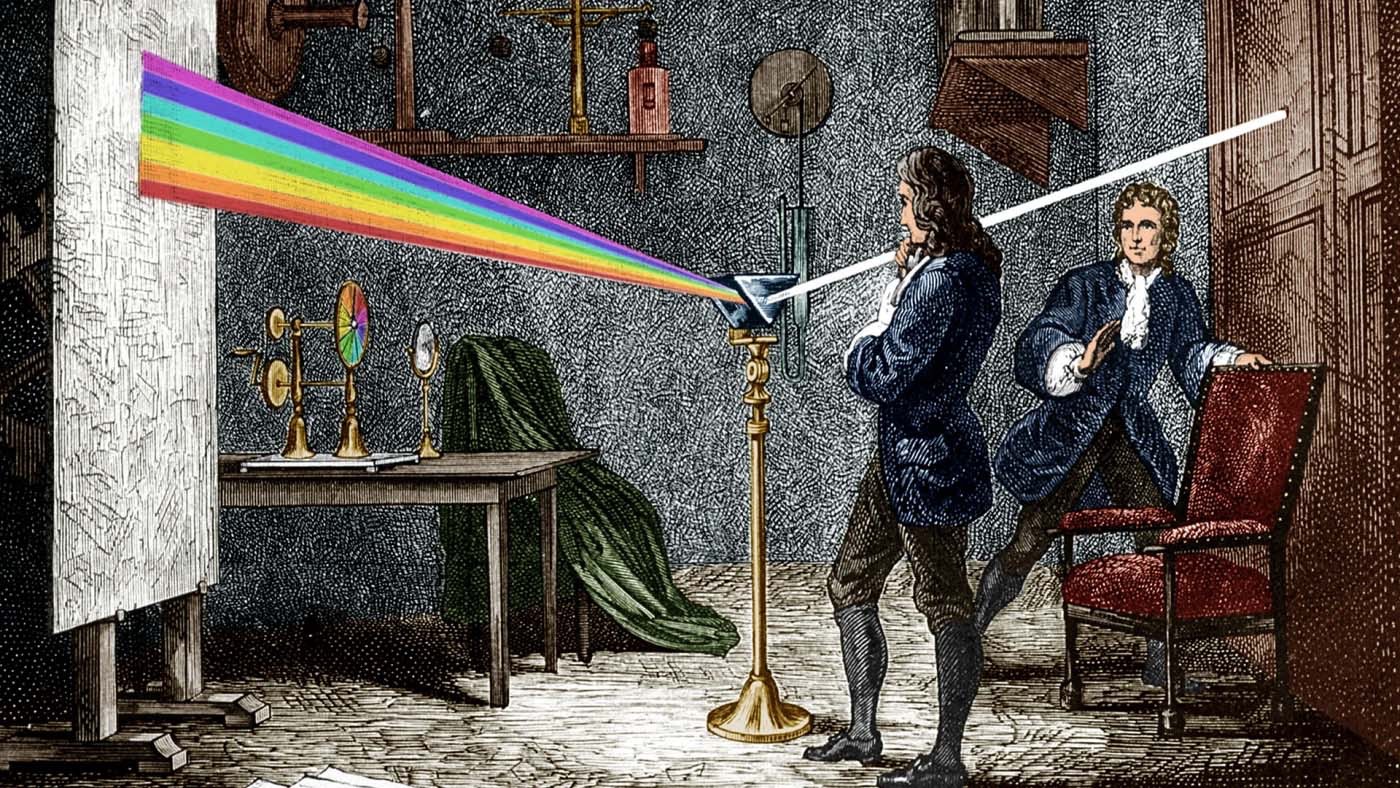
When you look at a ripe strawberry, is it truly red—or is that just your brain’s interpretation? Surprisingly, colour does not exist outside our perception.It’s a story our brain tells, based on light. From a physics perspective, colour is simply electromagnetic radiation within a specific range of wavelengths—between roughly 400 and 700 nanometres—that the humanContinueContinue reading “The Colour Illusion: How the Mind Paints Reality”
Neuroarchitecture: How Eye Tracking is Transforming Design
We know that children’s attention is brief by nature. In the case of children with ADHD or other neurodivergent conditions, that window may be even shorter, more fragmented, and more sensitive to the environment. However, most school spaces are still designed as if all students have the same ability to focus, filter stimuli, and orientContinueContinue reading “Neuroarchitecture: How Eye Tracking is Transforming Design”
Creating Calm: Designing Homes for Better Mental Health
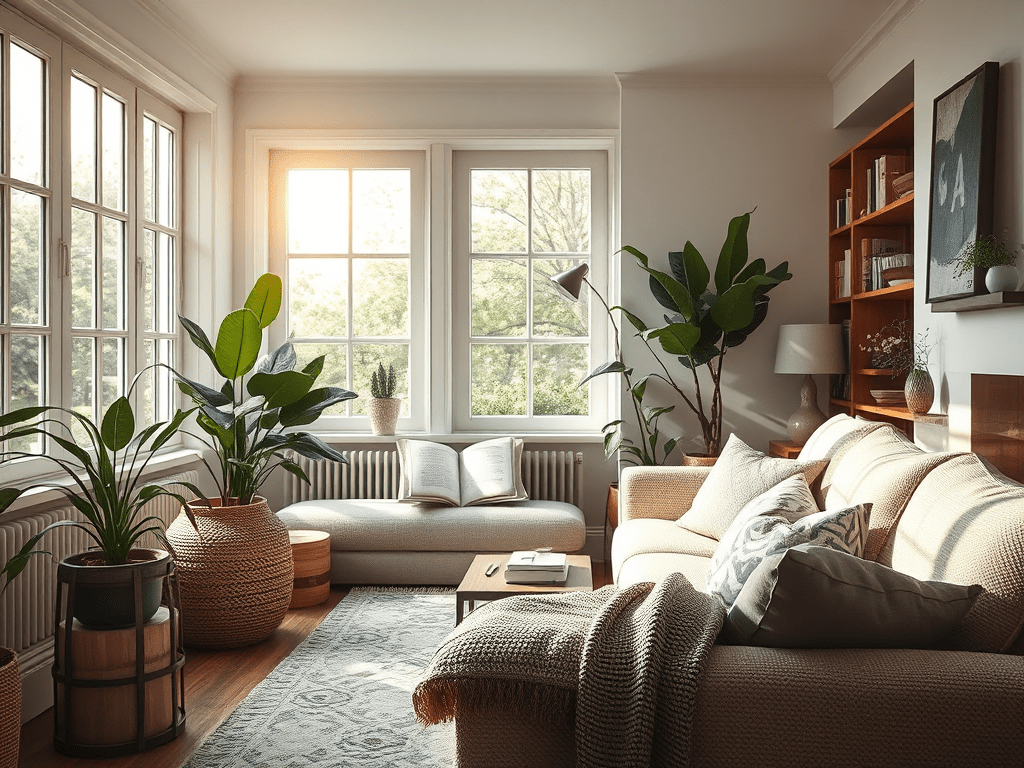
After a day filled with work, study, commuting, and endless demands, where do we land? We should return to a space that offers more than shelter—a place that helps us decompress, slow down, and reconnect.With ourselves. With our loved ones. With what truly matters. We spend around 90% of our time indoorsWorld Health Organization Yet,ContinueContinue reading “Creating Calm: Designing Homes for Better Mental Health”
Designing with the Spirit of the Sea

A few days ago, I posted a simple question:Which water scape would you escape to right now? Most people responded with what many of us instinctively feel:The sea – to relax. But what is it about the sea that draws us in?And more importantly: how can we recreate those sensations through design, even when theContinueContinue reading “Designing with the Spirit of the Sea”
La belleza atemporal del Partenón: proporciones en la arquitectura
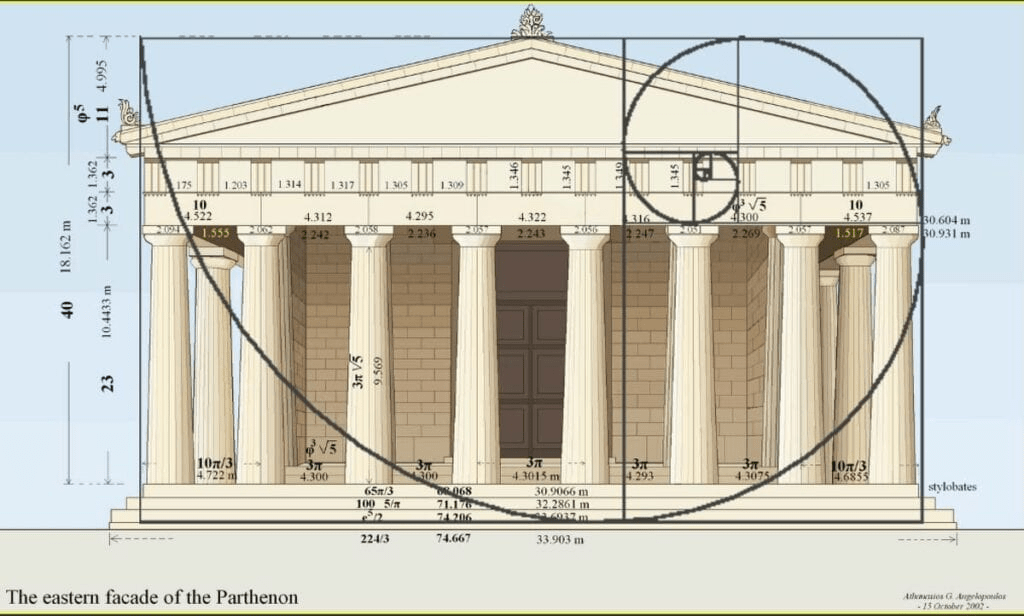
El Partenón en Atenas es a menudo considerado como uno de los edificios más bellos del mundo. Dedicado a la diosa Atenea, este templo dórico octástilo, construido en brillante mármol pentélico, sigue cautivando a pesar del paso de casi 2500 años. Pero, ¿qué es lo que lo convierte en una obra maestra? ¿Por qué suContinueContinue reading “La belleza atemporal del Partenón: proporciones en la arquitectura”
The Timeless Beauty of the Parthenon: Proportions in Architecture
The Parthenon in Athens is often hailed as one of the most beautiful buildings in the world. Dedicated to the goddess Athena, this octastyle Doric temple—built in gleaming Pentelic marble—continues to captivate despite the passage of nearly 2,500 years. But what exactly makes it a masterpiece? Why does its form still resonate with us today?ContinueContinue reading “The Timeless Beauty of the Parthenon: Proportions in Architecture”
Diseñar con agua: donde fluye la emoción

1. Donde fluye la calma Estamos hechos principalmente de agua. Fluye por nuestras venas, amortigua nuestro cerebro y llena las células que sostienen la vida. Pero nuestra conexión con ella es más profunda que la fisiología. El agua es algo que sentimos. Su brillo, su ritmo, su persistencia silenciosa —estas cosas hablan de algo antiguoContinueContinue reading “Diseñar con agua: donde fluye la emoción”
Water’s Influence on Human Emotion and Design
1. A Moment by the Water We are made mostly of water. It flows through our veins, cushions our brain, and fills the cells that sustain life. But our connection to it runs deeper than physiology. Water is something we feel. Its shimmer, its rhythm, its quiet persistence—these things speak to something ancient within us.ContinueContinue reading “Water’s Influence on Human Emotion and Design”
 neurotectura.com