
A glass bridge can be perfectly safe and still be difficult to cross. The structure may have been engineered to withstand enormous loads, and the glass may have been carefully tested and securely supported. From an engineering perspective, there may be no reason to fear it. Yet for many people, standing on a transparent floorContinueContinue reading “How Perception Shapes the True Measure of Design”
Category Archives: Perception
When the Classroom Competes With the Lesson

A student looks away while the teacher is speaking. Another repeatedly taps a pencil, rocks in their chair or asks to leave the room. A third completes very little work despite appearing to understand the subject. These behaviours may be interpreted as inattentiveness, lack of motivation or unwillingness to participate. Yet the difficulty may notContinueContinue reading “When the Classroom Competes With the Lesson”
Why We Love High Ceilings: What a 1978 Study Still Tells Us
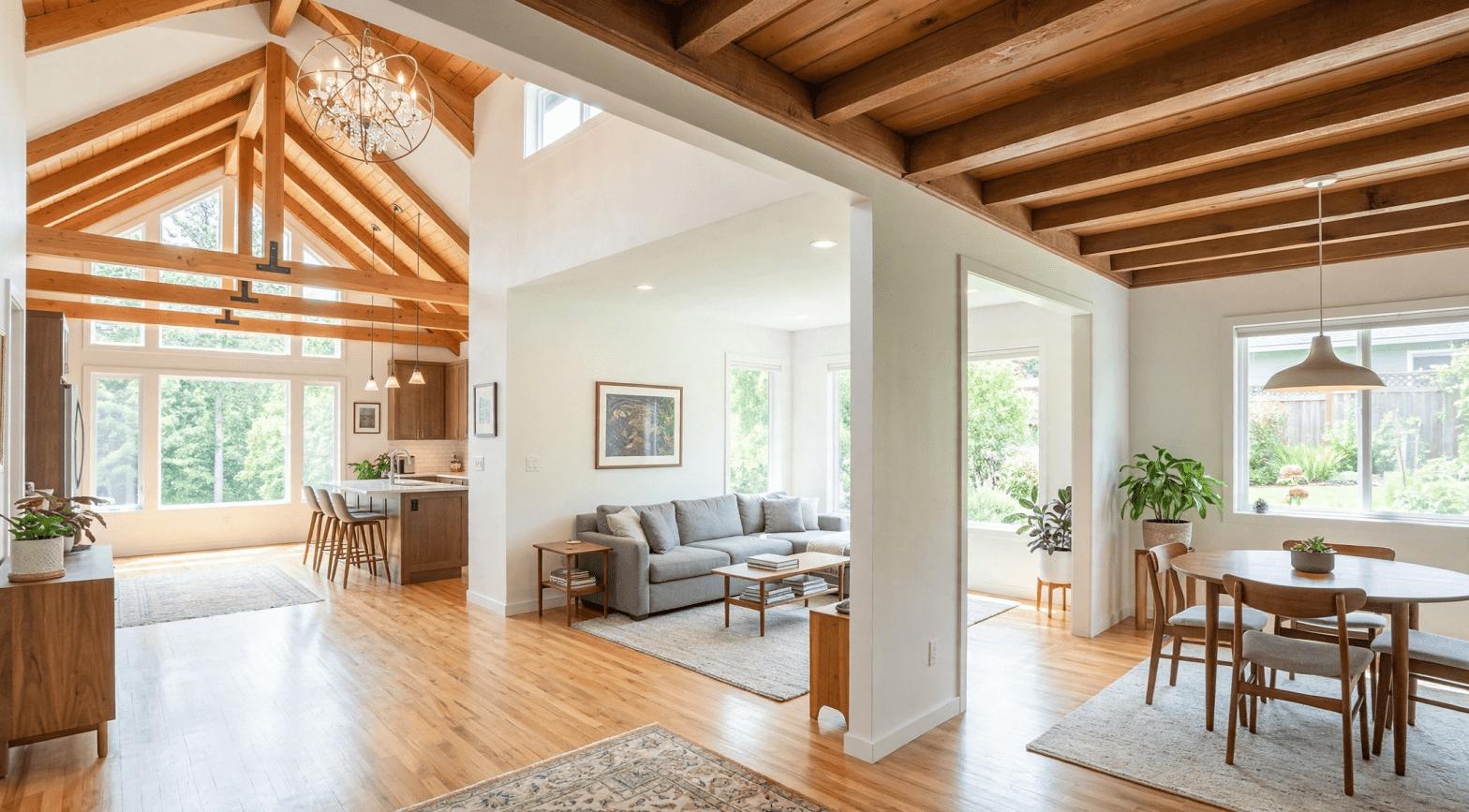
If you were buying a house, would you prefer high or low ceilings? A flat ceiling or a sloping one? Walk into a room with a low ceiling and you instantly feel a little more contained. Walk into one with a high ceiling and you breathe differently. We all know this intuitively. This double-height livingContinueContinue reading “Why We Love High Ceilings: What a 1978 Study Still Tells Us”
Neuroarchitecture: The Physics of Design and Its Impact on the Brain
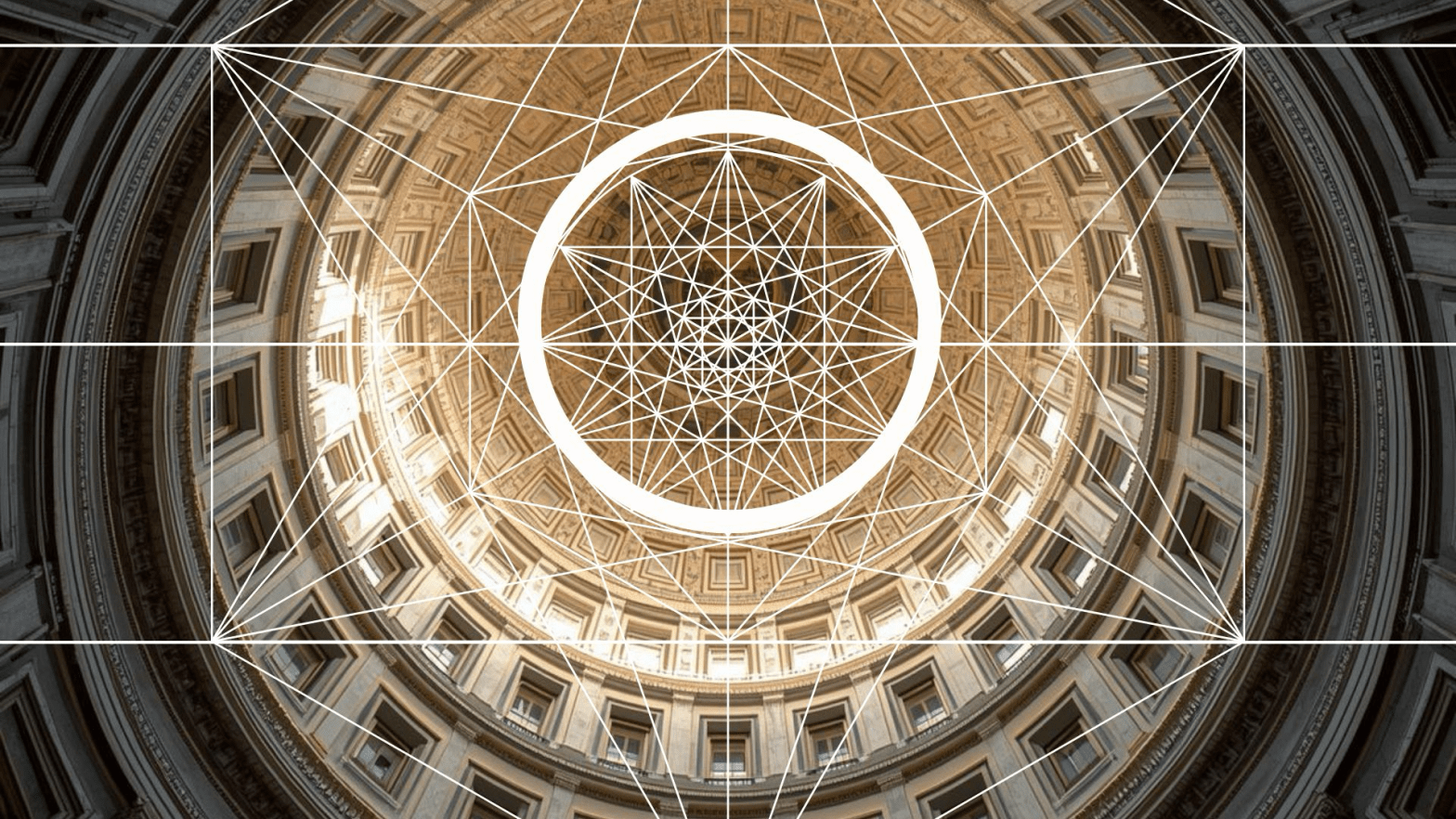
Why would a physicist take an interest in architecture? At first glance, the laws that govern the universe and the design of the spaces we inhabit appear to intersect only at a technical level—through structural forces, plumbing systems, ventilation, or thermal control. Yet, the connection runs far deeper. Both disciplines are concerned with systems, structures,ContinueContinue reading “Neuroarchitecture: The Physics of Design and Its Impact on the Brain”
The Architecture of Taste: How Sensory Design Shapes the Experience of Food at Home
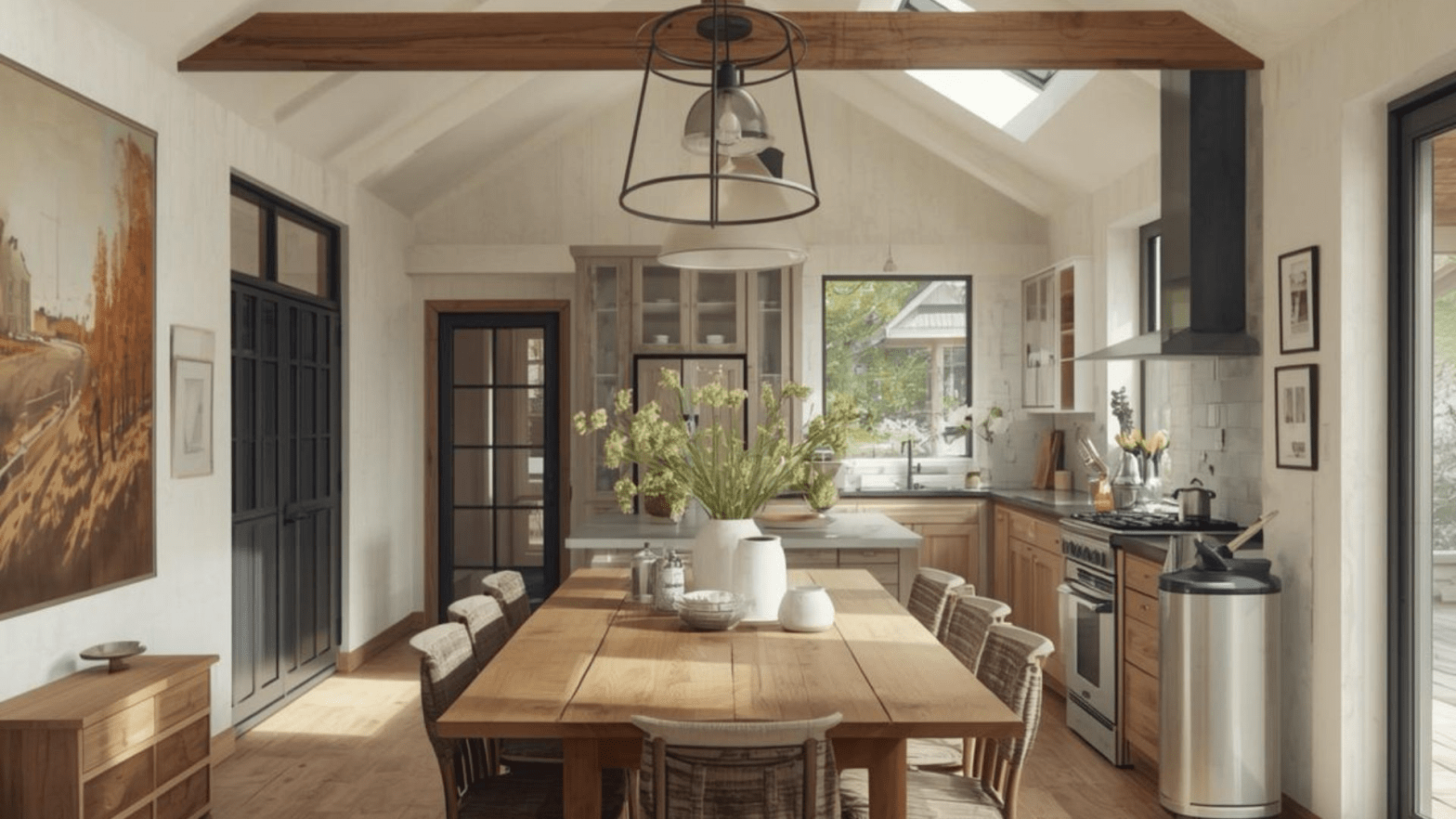
When we think about architecture, we usually imagine what we see: forms, materials, colours and proportions. For this reason, it may initially seem unusual to discuss taste in relation to architecture. After all, we do not taste walls or ceilings. From an evolutionary perspective, the gustatory system has helped humans identify nutritious foods and avoidContinueContinue reading “The Architecture of Taste: How Sensory Design Shapes the Experience of Food at Home”
Stress: The Impact of a View on Our Wellbeing

Stress is a necessary biological response that allows us to react, adapt and survive in a constantly changing environment. When the brain perceives a threat — whether real or symbolic — it activates the nervous system and releases hormones such as cortisol and adrenaline, preparing the body to respond quickly. This reaction, known as theContinueContinue reading “Stress: The Impact of a View on Our Wellbeing”
El estrés: Impacto de la vista en nuestro bienestar
El estrés es una respuesta biológica necesaria que nos permite reaccionar, adaptarnos y sobrevivir en un entorno en constante cambio. Cuando el cerebro percibe una amenaza —real o simbólica— activa el sistema nervioso y libera hormonas como el cortisol y la adrenalina, preparando al cuerpo para responder con rapidez. Esta reacción, conocida como lucha oContinueContinue reading “El estrés: Impacto de la vista en nuestro bienestar”
Tiny Houses: Living Small Between Freedom and Sensory Load

Over the past decade, tiny houses have shifted from an alternative curiosity to an aspirational symbol. Small, tidy, and carefully photographed, they appear to promise a simpler way of living. But when we move beyond the image and consider the body that inhabits these spaces—the brain, the senses, everyday life—the question changes: Can a dwellingContinueContinue reading “Tiny Houses: Living Small Between Freedom and Sensory Load”
Subjectivity, Perception, and Multiple Realities
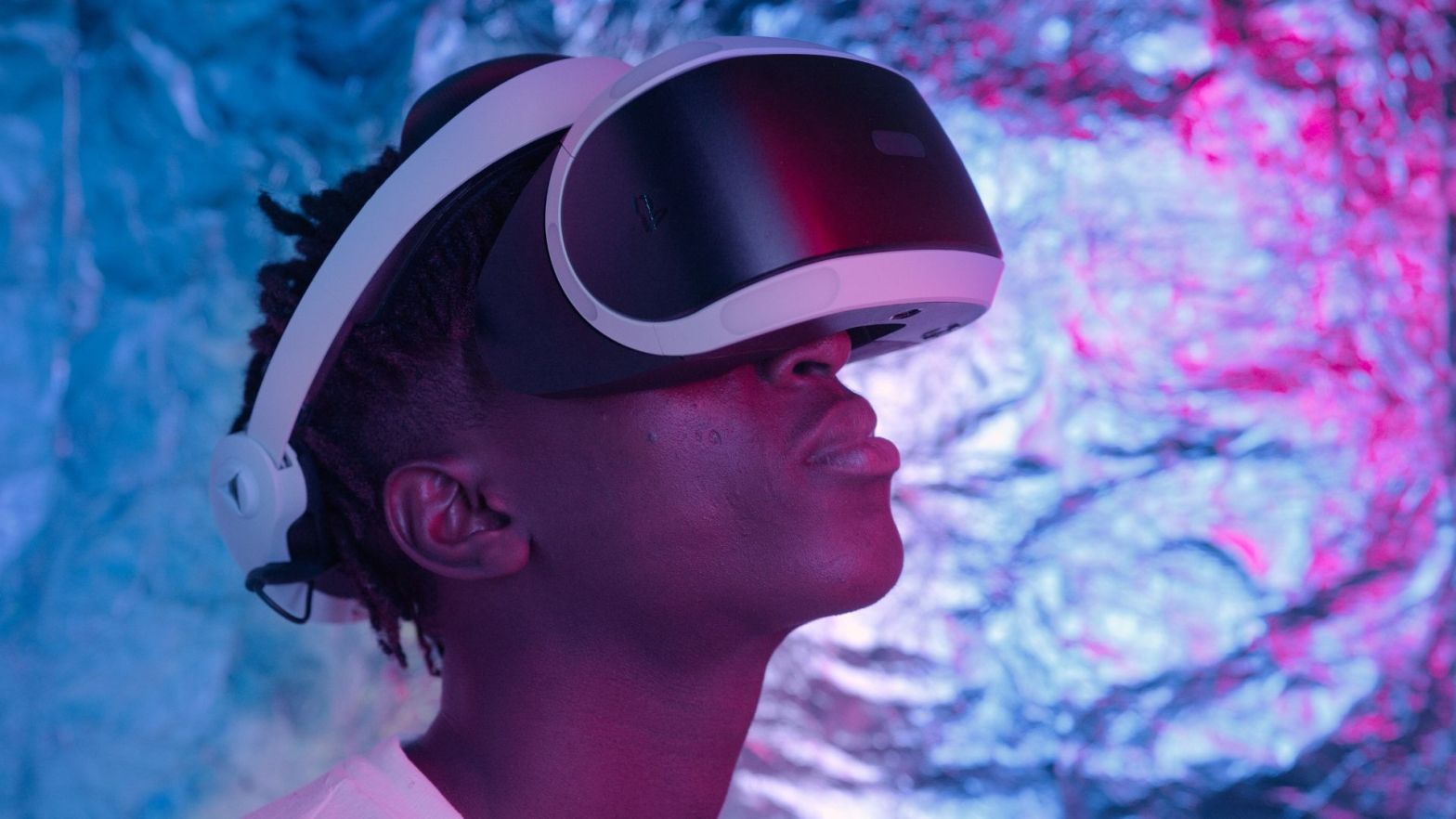
Shadows on the Wall Well over two thousand years ago, Plato imagined a group of prisoners chained inside a cave. For them, reality was nothing more than shadows cast on the wall—flickering shapes mistaken for the whole truth. Only when one prisoner was freed and stepped into the sunlight did he realise that what theyContinueContinue reading “Subjectivity, Perception, and Multiple Realities”
The Colour Illusion: How the Mind Paints Reality
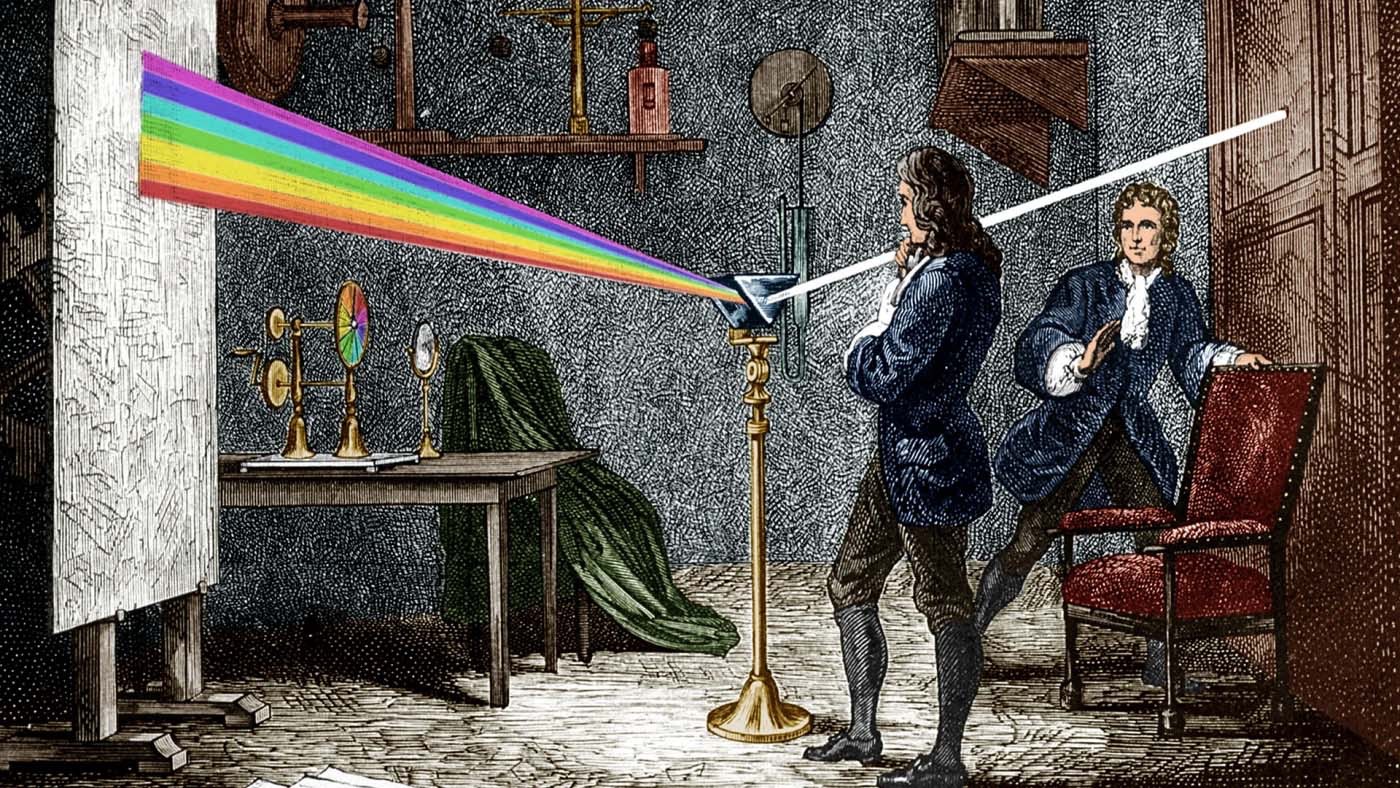
When you look at a ripe strawberry, is it truly red—or is that just your brain’s interpretation? Surprisingly, colour does not exist outside our perception.It’s a story our brain tells, based on light. From a physics perspective, colour is simply electromagnetic radiation within a specific range of wavelengths—between roughly 400 and 700 nanometres—that the humanContinueContinue reading “The Colour Illusion: How the Mind Paints Reality”

