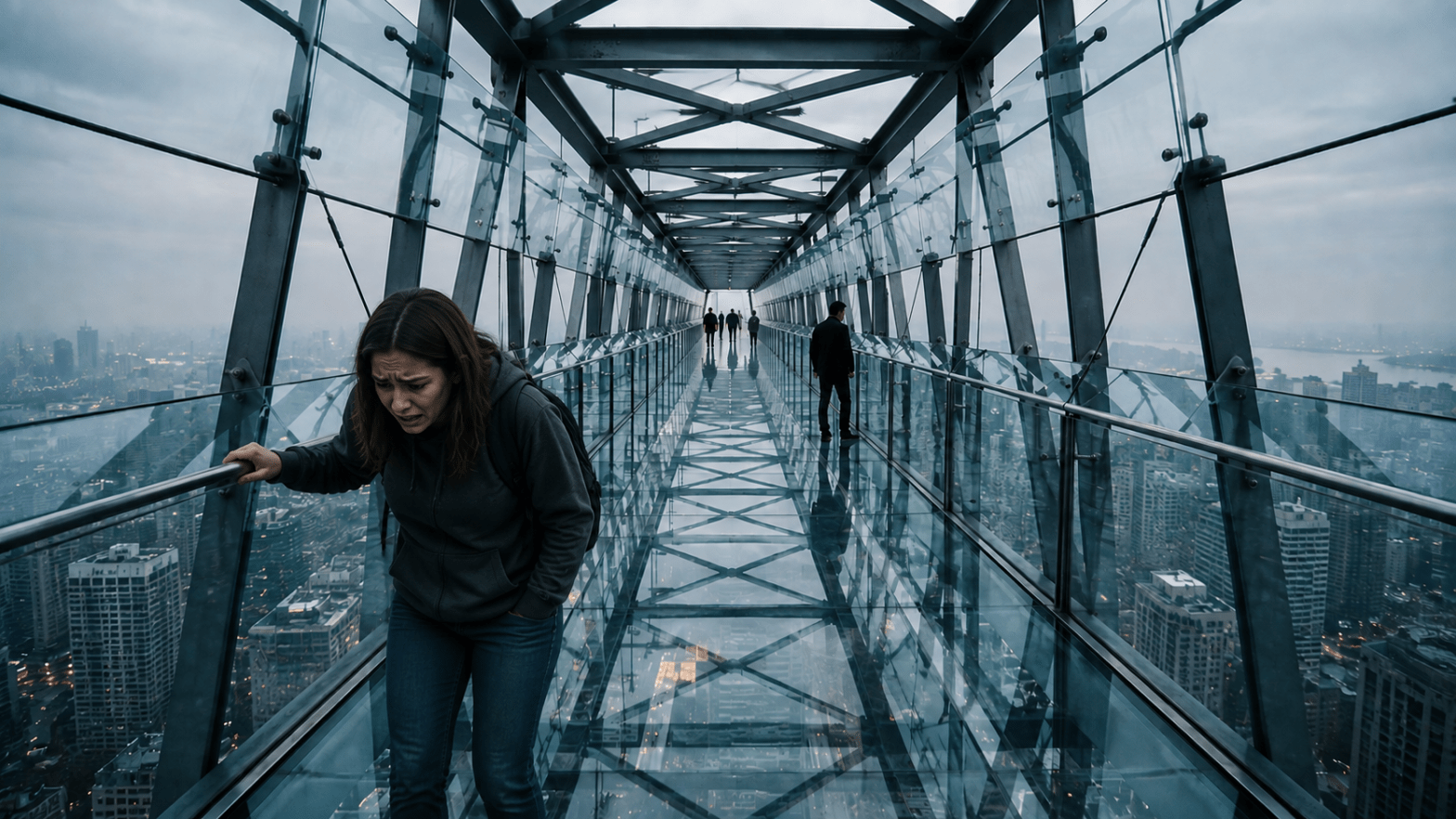
Un puente de vidrio puede ser perfectamente seguro y, aun así, resultar difícil de cruzar. La estructura puede haber sido diseñada para soportar cargas enormes, y el vidrio puede haber sido cuidadosamente probado y estar firmemente sujeto. Desde el punto de vista de la ingeniería, quizá no haya ninguna razón para temerlo. Sin embargo, paraContinueContinue reading “Cómo la percepción determina la verdadera medida del diseño”
Category Archives: Walkable cities
How Perception Shapes the True Measure of Design
A glass bridge can be perfectly safe and still be difficult to cross. The structure may have been engineered to withstand enormous loads, and the glass may have been carefully tested and securely supported. From an engineering perspective, there may be no reason to fear it. Yet for many people, standing on a transparent floorContinueContinue reading “How Perception Shapes the True Measure of Design”
Neuroarchitecture: How Walkable Cities Fight Cognitive Decline
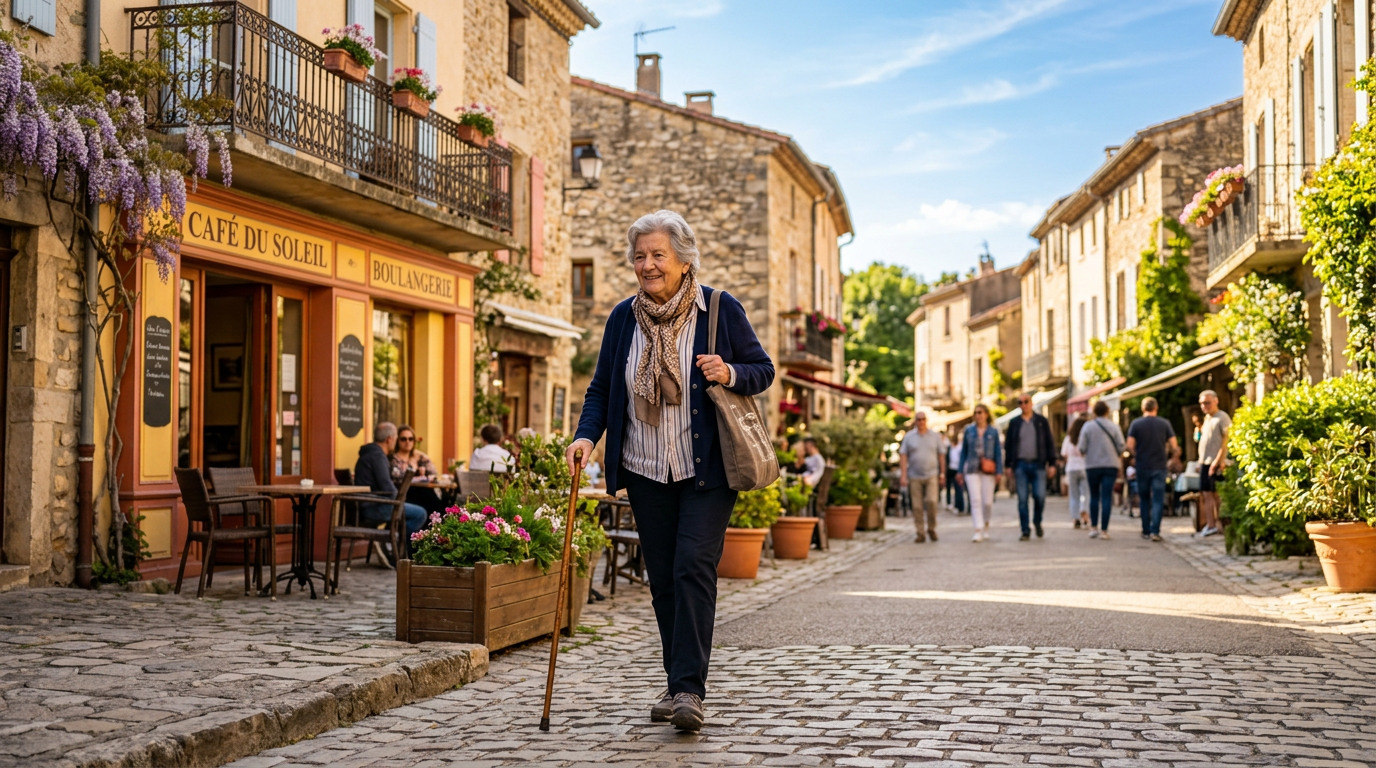
Population ageing is one of the most profound demographic transformations of the 21st century. According to World Health Organization (WHO) data, the proportion of the world’s population over 60 will double between 2020 and 2050, rising from 12% to 22%. This phenomenon is particularly critical in industrialised nations: in Europe, 25% of the population isContinueContinue reading “Neuroarchitecture: How Walkable Cities Fight Cognitive Decline”
Caminabilidad: El futuro de nuestras ciudades
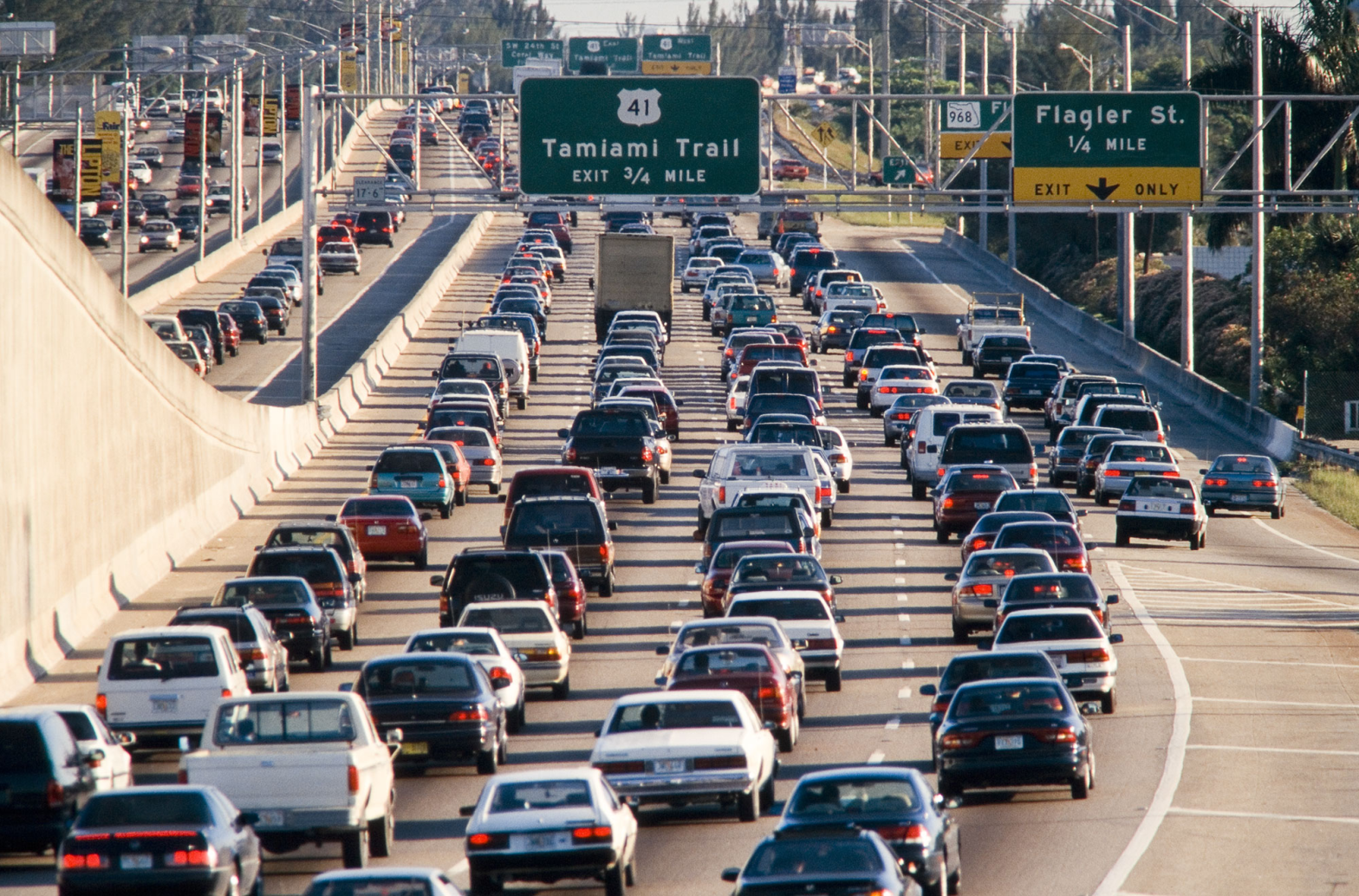
“Caminar es la mejor medicina del hombre.” Hipócrates Como turista en la isla de Míkonos, conservo un recuerdo vívido de sus estrechos callejones, los edificios encalados y las buganvilias que cuelgan en cascada. La ausencia de autos transforma cada paseo en un verdadero placer, facilitando una conexión íntima con la arquitectura y con la vidaContinueContinue reading “Caminabilidad: El futuro de nuestras ciudades”
Streets for People: The Case for Walkable Cities
“Walking is man’s best medicine.” Hippocrates As a tourist on the island of Mykonos, I hold a vivid memory of its narrow alleyways, whitewashed buildings, and cascading bougainvillea. The absence of cars turns every stroll into a true delight, fostering an intimate connection with the architecture and local life. A rich sensory experience that leavesContinueContinue reading “Streets for People: The Case for Walkable Cities”

