
Cuando se trata de arquitectura, la estética suele ocupar un lugar central, atrayendo la admiración de los espectadores y estableciendo un tono tanto para los espacios públicos como privados. Sin embargo, dado que los edificios forman el telón de fondo de nuestra vida cotidiana, los diseñadores también deben considerar factores que mejoren la salud yContinueContinue reading “Arquitectura y bienestar: La conexión vital”
Tag Archives: architecture
Diseñando espacios inclusivos para poblaciones neurodiversas
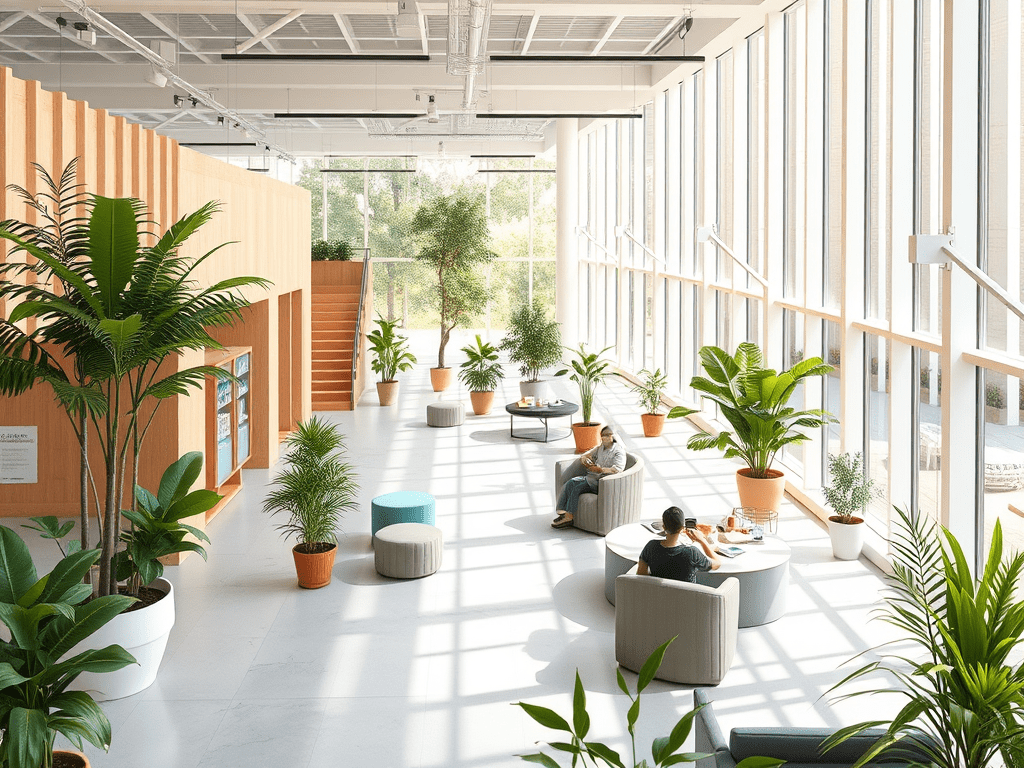
Los términos neurodiversidad y neurodivergencia a menudo se usan de manera intercambiable, pero representan conceptos distintos dentro de las discusiones sobre las diferencias neurológicas. Neurodiversidad es un término inclusivo que reconoce las variaciones naturales en la función cerebral, enfatizando que estas diferencias no son déficits, sino aspectos valiosos de la diversidad humana. Diagrama de condicionesContinueContinue reading “Diseñando espacios inclusivos para poblaciones neurodiversas”
Designing Inclusive Spaces for Neurodiverse Populations
The terms neurodiversity and neurodivergency are often used interchangeably, but they represent distinct concepts within discussions on neurological differences. Neurodiversity is an inclusive term that acknowledges the natural variations in brain function, emphasising that these differences are not deficits but valuable aspects of human diversity. Diagram of Neurodiversity Conditions. The term neurodiversity was coined inContinueContinue reading “Designing Inclusive Spaces for Neurodiverse Populations”
Designing Spaces for Autism: Strategies for Inclusivity
In 1998, geneticist Fred Gage discovered that the adult brain continues to produce new neurons, challenging the long-held belief that brain growth ceases after a certain age. Furthermore, it was revealed that the brain can adapt and change its structure throughout our lives. These groundbreaking findings sparked Gage’s interest in exploring how our environment shapesContinueContinue reading “Designing Spaces for Autism: Strategies for Inclusivity”
 neurotectura.com