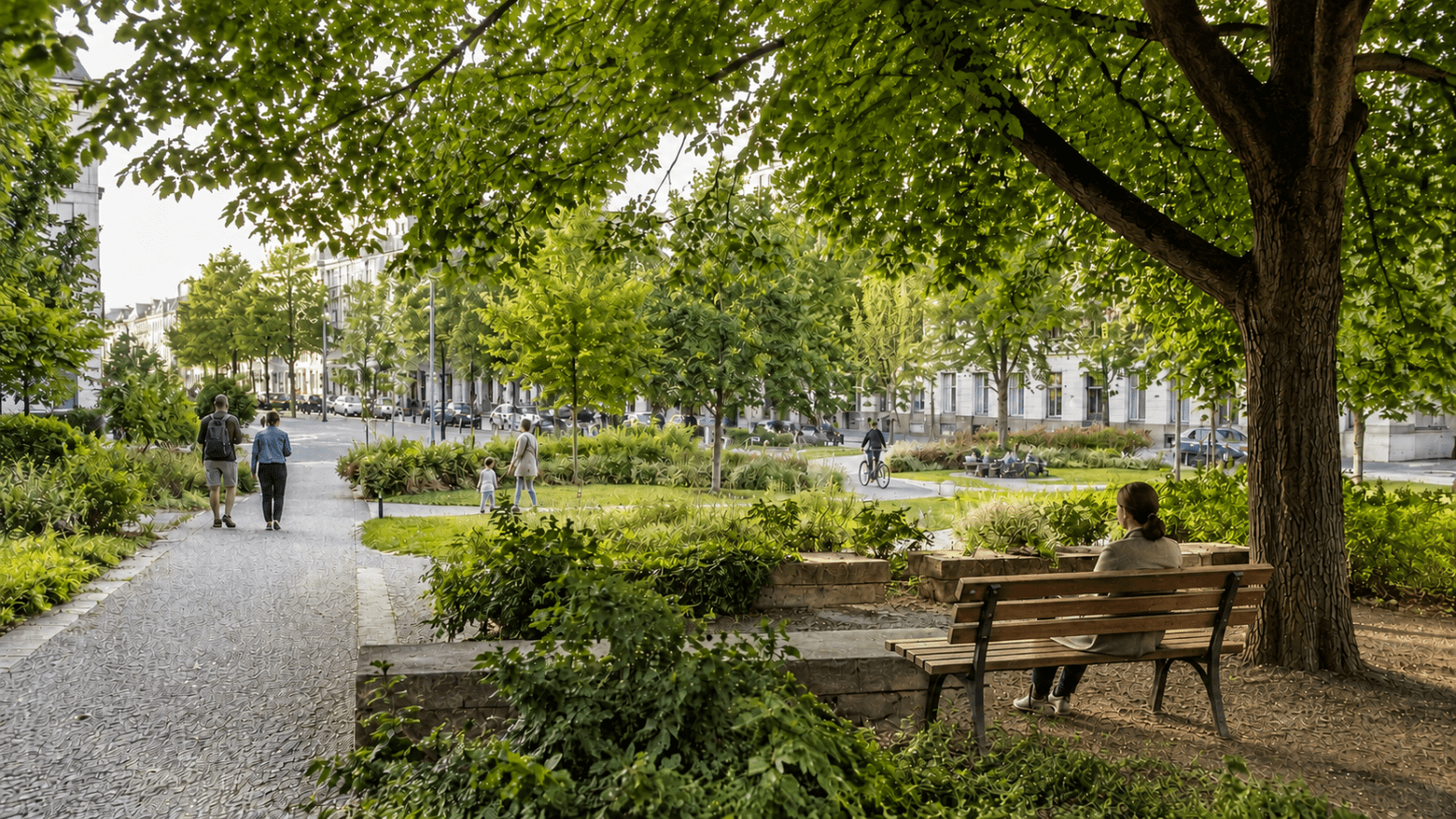
Los parques urbanos suelen presentarse como una respuesta directa a las presiones de la vida en la ciudad. Se delimitan áreas, se plantan árboles, se extienden céspedes, se trazan senderos y se asume que las personas se sentirán más tranquilas, pensarán con mayor claridad y disfrutarán de una mejor salud. Pero la presencia de vegetaciónContinueContinue reading “No todos los espacios verdes son restauradores”
Tag Archives: environment
Not Every Green Space Is Restorative
Urban parks are frequently presented as a straightforward remedy for the pressures of city life. Add trees, create a lawn, provide a path, and people will supposedly feel calmer, think more clearly, and enjoy better health. But the presence of vegetation does not automatically make a place restorative. A park may contain trees and stillContinueContinue reading “Not Every Green Space Is Restorative”
Diseñando con el agua en mente: Una guía para ciudades resilientes

¿Podrías compartir una ducha matutina con tu pareja, no por romance, sino porque el alcalde de tu ciudad te dijo que ayudaría a ahorrar agua? En Bogotá, en 2024, esta sugerencia se convirtió en realidad. Una sequía grave, intensificada por el fenómeno de El Niño, llevó al sistema de embalses de Chingaza a niveles históricamenteContinueContinue reading “Diseñando con el agua en mente: Una guía para ciudades resilientes”
The Future of Water Resilience: Ancient Practices for Modern Cities
Could you share a morning shower with your partner—not for romance, but because your city’s mayor told you it would help save water? In Bogotá, 2024, this suggestion became reality. A severe drought, intensified by the El Niño phenomenon, pushed the Chingaza reservoir system to historic lows. Simultaneously, maintenance at the Tibitoc water treatment plantContinueContinue reading “The Future of Water Resilience: Ancient Practices for Modern Cities”
Designing for Survival: Architecture in the Age of Climate Crisis
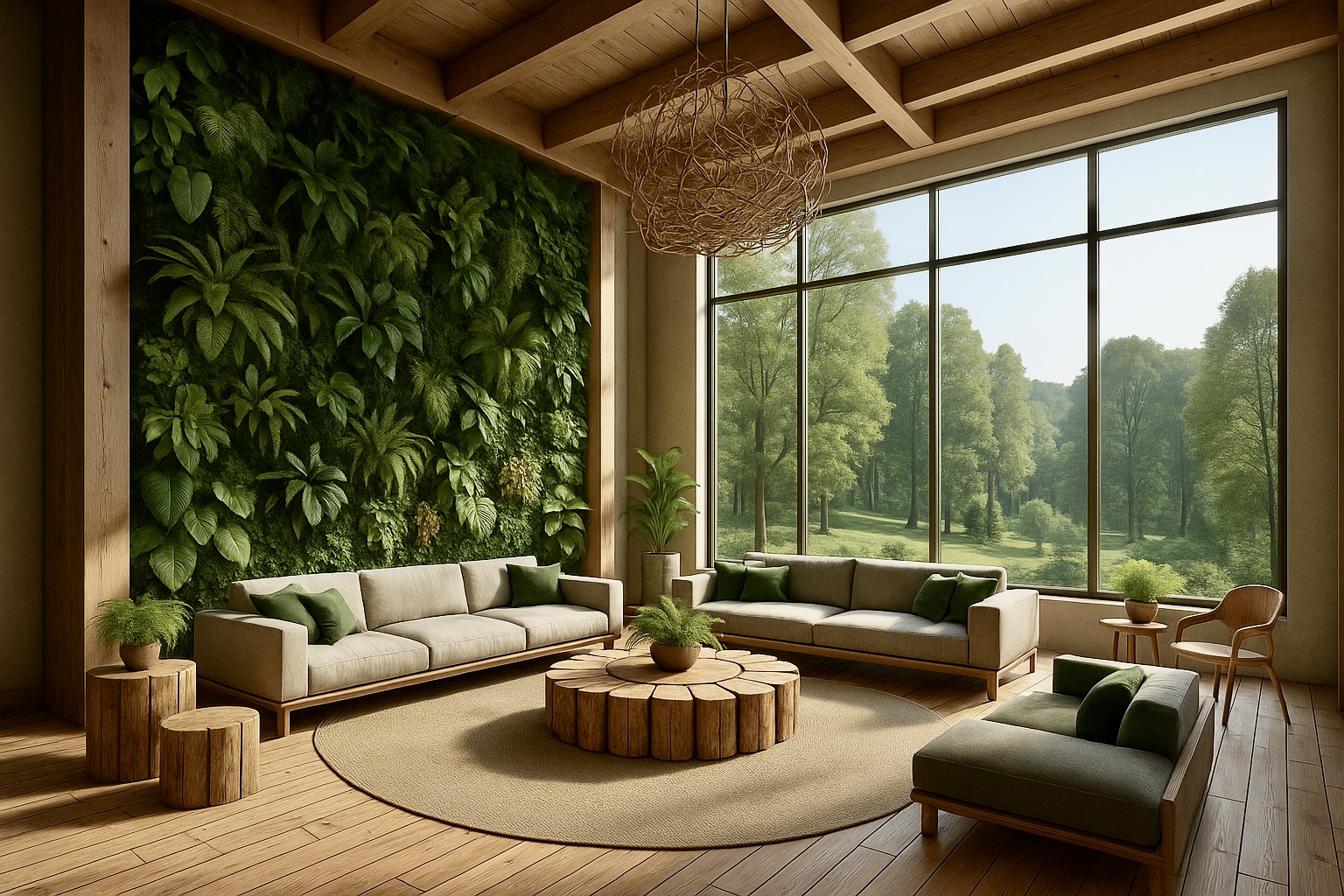
In recent years, the world has witnessed a surge in climate-induced catastrophes: unprecedented wildfires scorching vast landscapes, devastating floods submerging cities, and relentless heatwaves threatening human health and infrastructure. These events underscore the pressing need for architecture to transcend traditional aesthetics and functionality. Our built environments must evolve into resilient sanctuaries, capable of withstanding andContinueContinue reading “Designing for Survival: Architecture in the Age of Climate Crisis”

