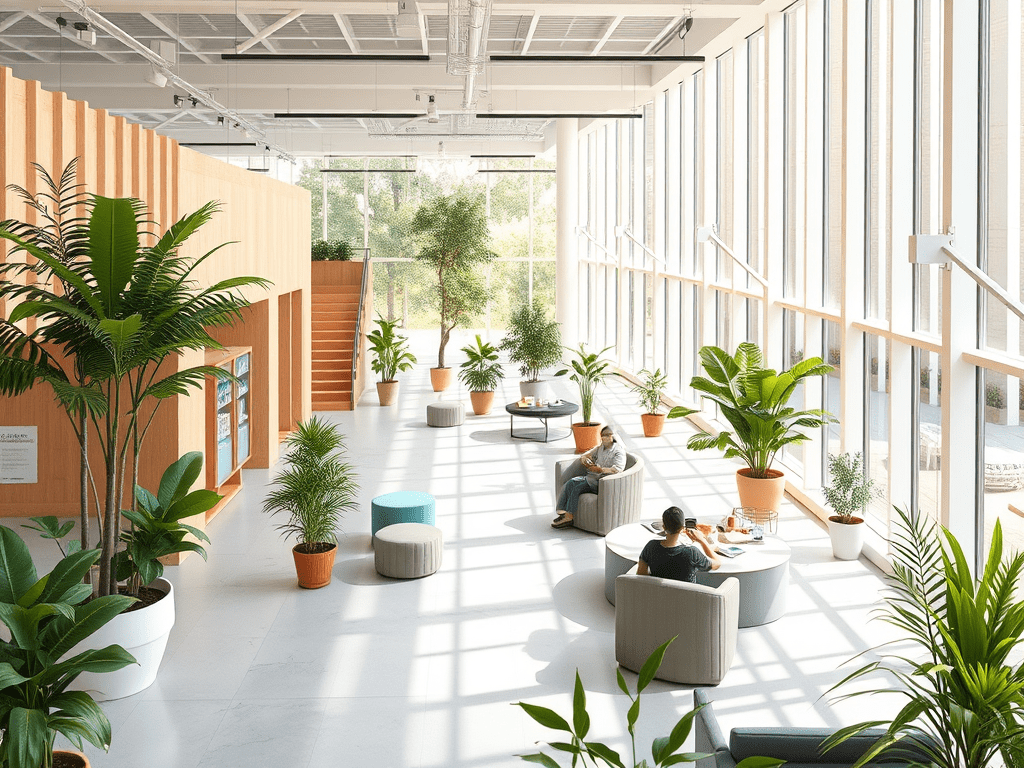
The terms neurodiversity and neurodivergency are often used interchangeably, but they represent distinct concepts within discussions on neurological differences. Neurodiversity is an inclusive term that acknowledges the natural variations in brain function, emphasising that these differences are not deficits but valuable aspects of human diversity. Diagram of Neurodiversity Conditions. The term neurodiversity was coined inContinueContinue reading “Designing Inclusive Spaces for Neurodiverse Populations”
Tag Archives: Neurotectura
Las realidades del cambio climático: cómo alimenta los incendios forestales.

Desde 2024, Estados Unidos ha enfrentado desastres naturales crecientes: huracanes catastróficos en la costa del Golfo, brotes récord de tornados en el Medio Oeste, inundaciones en el noreste y devastadores incendios forestales en California. El cambio climático amplifica estos eventos, subrayando la urgente necesidad de cooperación global, políticas innovadoras y medidas proactivas para mitigar susContinueContinue reading “Las realidades del cambio climático: cómo alimenta los incendios forestales.”
The Reality of Climate Change: How It Fuels Wildfires
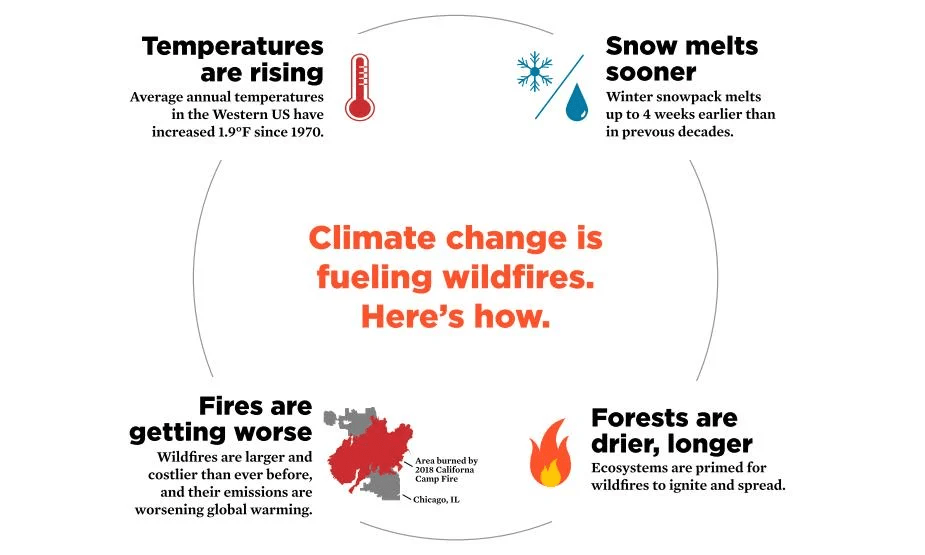
The United States experienced a series of devastating natural disasters in 2024, including catastrophic hurricanes on the Gulf Coast, record-breaking tornado outbreaks in the Midwest, and relentless flooding across the Northeast. These events culminated in the recent wildfires in California, which scorched vast areas at an alarming pace. Climate change’s role in amplifying these disastersContinueContinue reading “The Reality of Climate Change: How It Fuels Wildfires”
Diseño Emocional: Curvas vs. Ángulos
Numerosos estudios han demostrado consistentemente que las formas arquitectónicas curvas evocan respuestas emocionales más positivas en comparación con los diseños angulares. Estas formas curvas suelen asociarse con sensaciones de confort, seguridad y serenidad, mientras que las angulares, por el contrario, tienden a generar percepciones de amenaza o incomodidad. Este fenómeno destaca la relevancia de integrarContinueContinue reading “Diseño Emocional: Curvas vs. Ángulos”
Neuroarquitectura: creando espacios que inspiran asombro y contemplación
Durante milenios, los arquitectos han diseñado intuitivamente espacios sagrados para evocar experiencias emocionales y espirituales profundas. Ahora, la vanguardia de la investigación en neurociencia está iluminando los fundamentos biológicos de cómo estos entornos inspiradores afectan nuestros cerebros y cuerpos. Este campo emergente de la neuroarquitectura ofrece perspectivas emocionantes para diseñar espacios que fomenten la contemplación,ContinueContinue reading “Neuroarquitectura: creando espacios que inspiran asombro y contemplación”
Neuroarchitecture : Creating Awe-Inspiring Spaces

For millennia, architects have intuitively designed sacred spaces to evoke profound emotional and spiritual experiences. Now, cutting-edge neuroscience research is shedding light on the biological underpinnings of how these awe-inspiring environments affect our brains and bodies. This emerging field of neuroarchitecture offers exciting insights for designing spaces that encourage contemplation, awe, and transcendence. Angkor WatContinueContinue reading “Neuroarchitecture : Creating Awe-Inspiring Spaces”
The Emotional Impact of Curved vs. Angular Designs

Research consistently shows that curved architectural forms tend to evoke more positive emotional responses compared to angular designs. Curved shapes are associated with feelings of comfort, safety, and pleasantness, while angular shapes may induce a sense of threat or unease. AI-generated image showcasing how curved spaces can evoke comfort and positivity, enhancing emotional well-being throughContinueContinue reading “The Emotional Impact of Curved vs. Angular Designs”
Cómo la altura del techo influye en la creatividad y la concentración

La neuroarquitectura es un campo interdisciplinario que combina neurociencia y arquitectura para estudiar cómo los entornos construidos impactan la función cerebral humana, el comportamiento y el bienestar. Su objetivo es crear espacios que mejoren los procesos cognitivos, los estados emocionales y la salud en general, aplicando conocimientos científicos sobre las respuestas neuronales a elementos arquitectónicosContinueContinue reading “Cómo la altura del techo influye en la creatividad y la concentración”
How Ceiling Height Influences Creativity and Focus
Neuroarchitecture is an interdisciplinary field that combines neuroscience and architecture to study how built environments impact human brain function, behaviour, and well-being. It aims to create spaces that enhance cognitive processes, emotional states, and overall health by applying scientific insights about neural responses to architectural elements like light, colour, spatial layout or the height ofContinueContinue reading “How Ceiling Height Influences Creativity and Focus”
Embracing Neurodiversity in the Workplace

Neurodivergence refers to differences in neurological functioning that deviate from what is considered typical or “neurotypical.” This term encompasses various conditions such as autism, attention deficit hyperactivity disorder (ADHD), dyslexia, dyscalculia, and Tourette syndrome, among others. An inclusive environment where cognitive diversity is embraced translates into a productive and dynamic workplace, offering greater competitive advantagesContinueContinue reading “Embracing Neurodiversity in the Workplace”
 neurotectura.com