
Imagine a typical work morning: you have an urgent report to finish, a list of tasks waiting, and a firm intention to stay focused and make progress. You sit down to work, but a stream of external and internal stimuli begins to interfere: a noise from the street, an intrusive thought, a sudden idea. NothingContinueContinue reading “How Neuroarchitecture Can Help the ADHD Mind Thrive”
Tag Archives: psychology
Commercial Neuroarchitecture and Neuromarketing

Buying is rarely a neutral act. Even before you see a product or step into a shop —whether physical or online— your brain has already been activated by carefully crafted signals in advertising, branding, and marketing. In physical spaces, this language becomes even more powerful: fragrances that lower your guard, warm lighting that promises reward,ContinueContinue reading “Commercial Neuroarchitecture and Neuromarketing”
Brutalism and Social Housing: Utopia, Failure, and Legacy
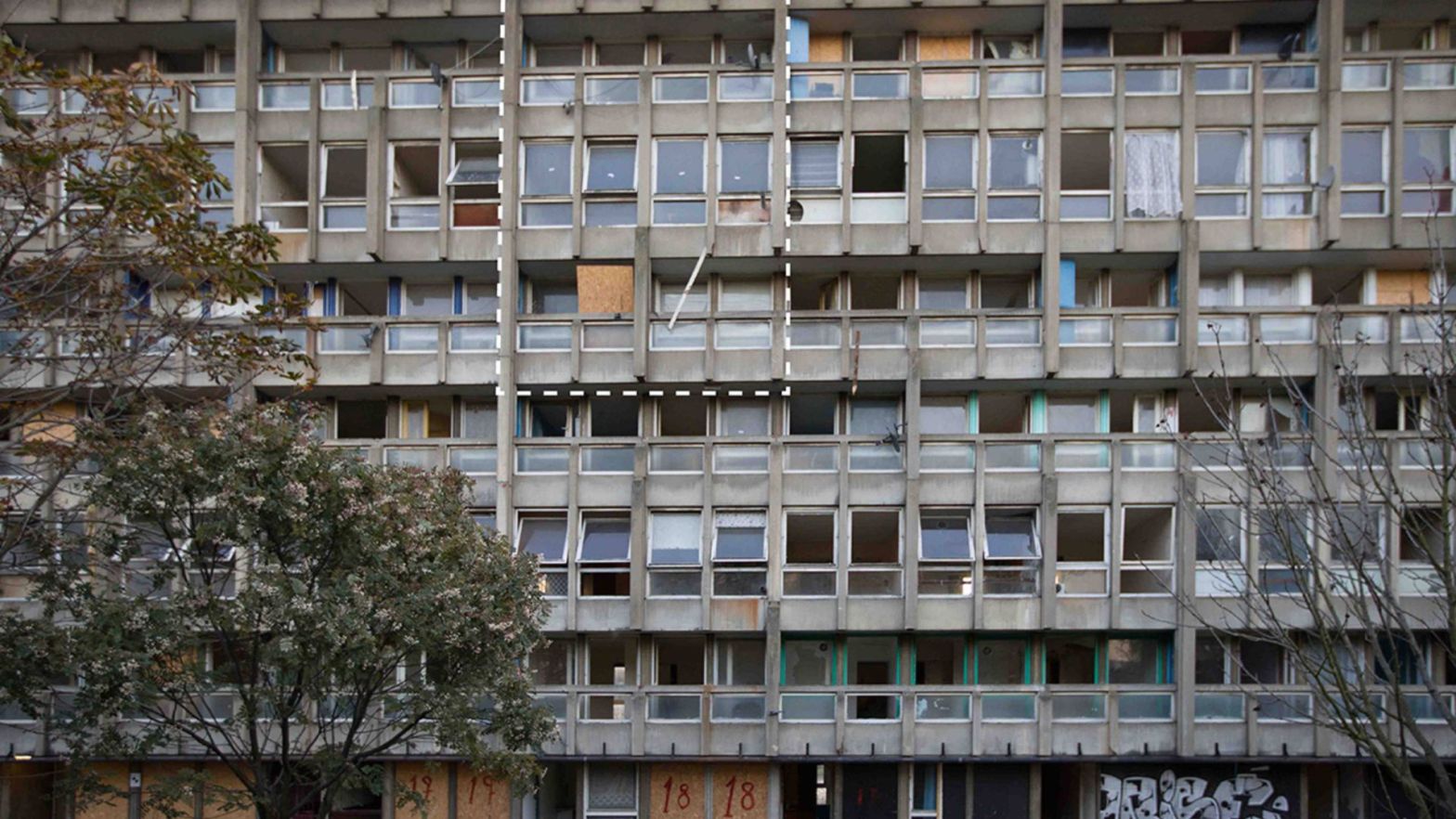
“Less is boring” Robert Venturi Few architectural projects capture the promise and pitfalls of Brutalism as vividly as Robin Hood Gardens in East London. Designed by Alison and Peter Smithson in the early 1970s, it was conceived as a social experiment: vast concrete blocks connected by “streets in the sky” and centred around a greenContinueContinue reading “Brutalism and Social Housing: Utopia, Failure, and Legacy”
¿Qué podemos aprender de los laberintos para ratas y cómo pueden guiar el diseño urbano y la arquitectura?
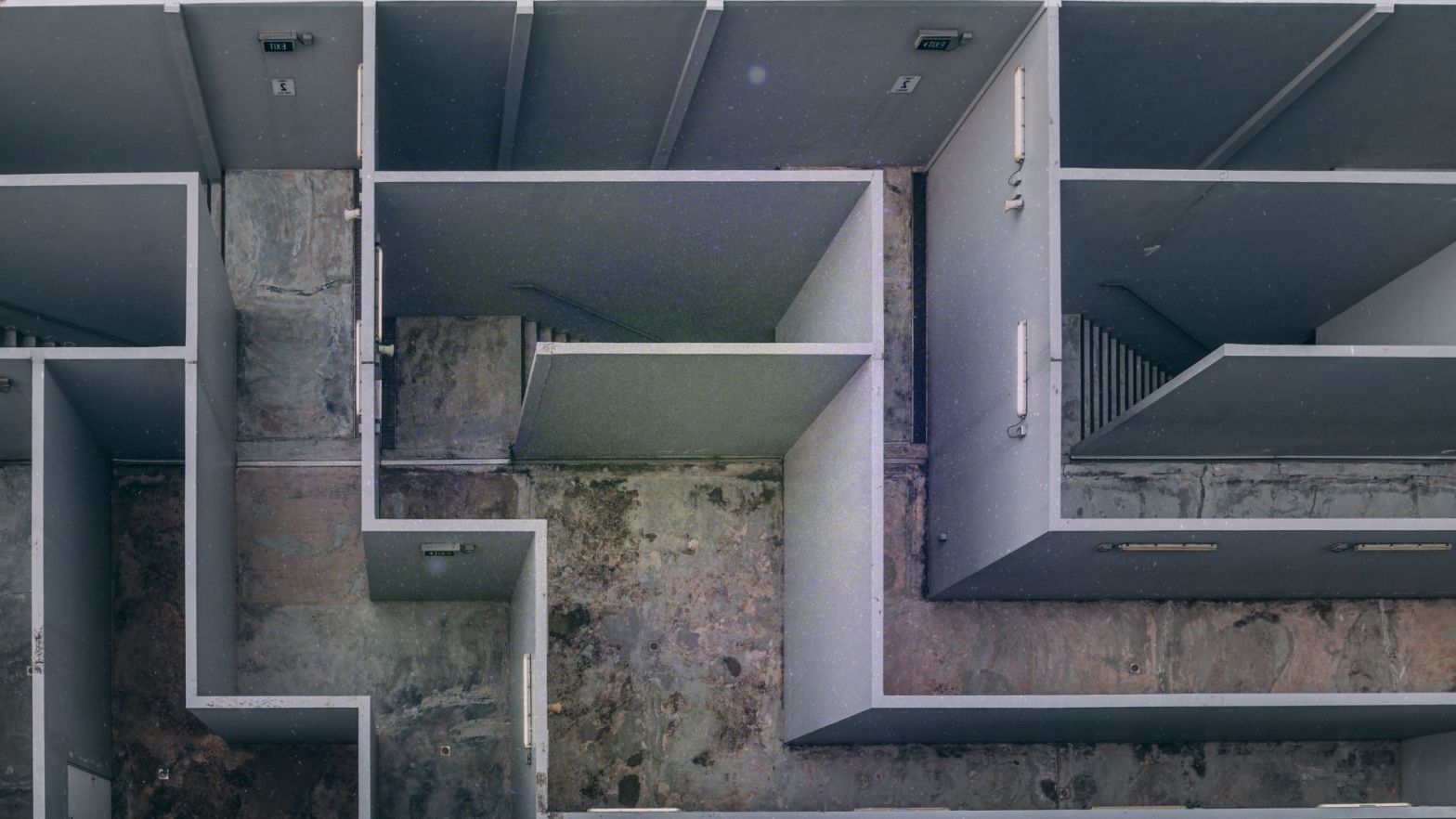
¿Alguna vez has visto cómo los científicos diseñan laberintos para ratas? Los científicos utilizan laberintos para estudiar cómo pequeños cambios en el entorno alteran el comportamiento. Los niveles de luz, el ancho de los pasillos o la colocación de una recompensa pueden empujar a un animal hacia la cautela, la curiosidad o el acercamiento. PruebasContinueContinue reading “¿Qué podemos aprender de los laberintos para ratas y cómo pueden guiar el diseño urbano y la arquitectura?”
How Lab Mazes Inform Urban Design
Have you ever seen how scientists design mazes for rats? Scientists use mazes to study how small changes in an environment alter behaviour. Light levels, corridor width, or the placement of a reward can nudge an animal toward caution, curiosity, or approach. Tests such as the Social Interaction Test reveal a simple lesson: environment shapesContinueContinue reading “How Lab Mazes Inform Urban Design”
Simetría y asimetría en el diseño

¿Alguna vez has notado que la mayoría de los edificios icónicos del mundo son simétricos? Una mirada a la historia de la arquitectura revela un patrón fascinante: la simetría domina. Desde templos antiguos hasta palacios neoclásicos, algunos de los edificios más duraderos y admirados se definen por sus proporciones equilibradas e imágenes reflejadas. Nuestros cerebrosContinueContinue reading “Simetría y asimetría en el diseño”
Symmetry vs. Asymmetry in Design
Have you ever noticed that most of the iconic buildings in the world are symmetric? A glance at architectural history reveals a fascinating pattern: symmetry dominates. From ancient temples to neoclassical palaces, some of the most enduring and admired buildings are defined by their balanced proportions and mirrored images. Our brains are naturally drawn toContinueContinue reading “Symmetry vs. Asymmetry in Design”
Designing with the Brain in Mind: Lessons from the Sainsbury Wellcome Centre

What happens when buildings are designed not just for shelter, but to support how we think, feel, and interact? This question guided the creation of one of the most innovative neuroscience centres in the world: the Sainsbury Wellcome Centre in London. Where Vision Meets Neuroscience Between 2009 and 2016, British architect Ian Ritchie was commissionedContinueContinue reading “Designing with the Brain in Mind: Lessons from the Sainsbury Wellcome Centre”
Integrando neuroarquitectura, psicología ambiental y diseño biofílico
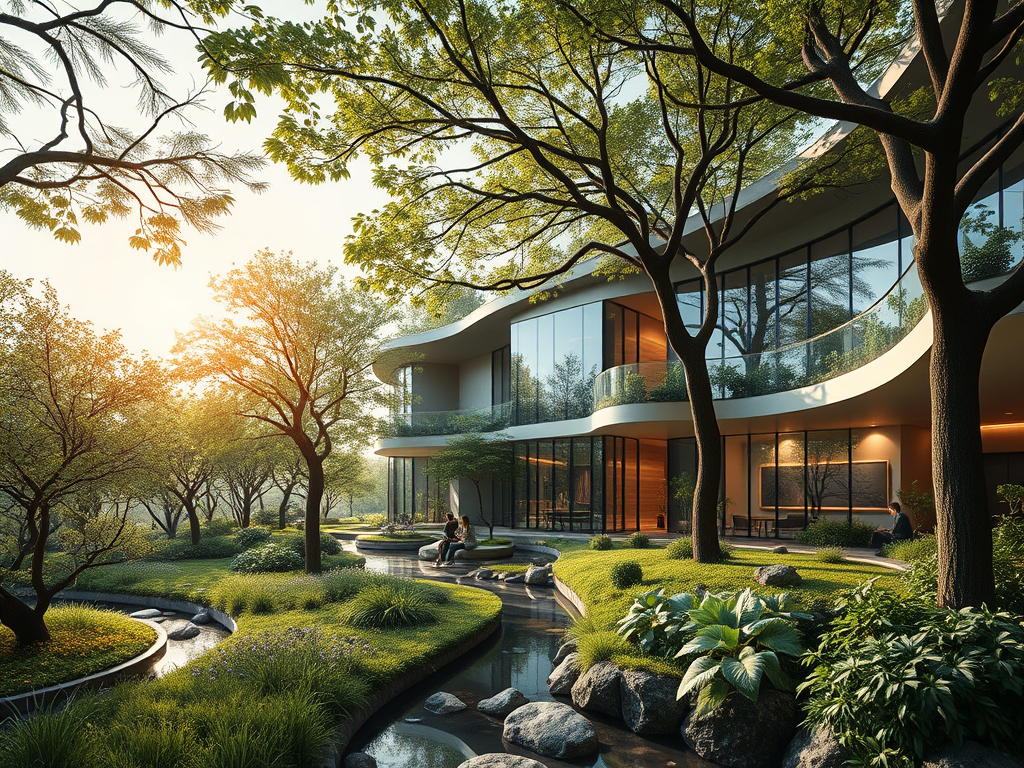
Tres formas de ver el espacio: Neuroarquitectura, Psicología Ambiental y Diseño Biofílico. Un comienzo curioso ¿Por qué algunos espacios nos calman mientras que otros nos hacen sentir incómodos? ¿Por qué una caminata por el bosque nos recarga de energía, mientras que un pasillo ruidoso nos agota? Durante décadas, diseñadores e investigadores han abordado estas preguntasContinueContinue reading “Integrando neuroarquitectura, psicología ambiental y diseño biofílico”
Integrating Neuroarchitecture, Psychology, and Biophilic Design
How three disciplines converge to reshape how we live, feel, and design. A Curious Beginning Why do some spaces calm us while others make us feel uneasy? Why does a walk through a forest restore our energy, while a noisy corridor drains it? For decades, designers and researchers have asked these questions from different angles.ContinueContinue reading “Integrating Neuroarchitecture, Psychology, and Biophilic Design”
 neurotectura.com