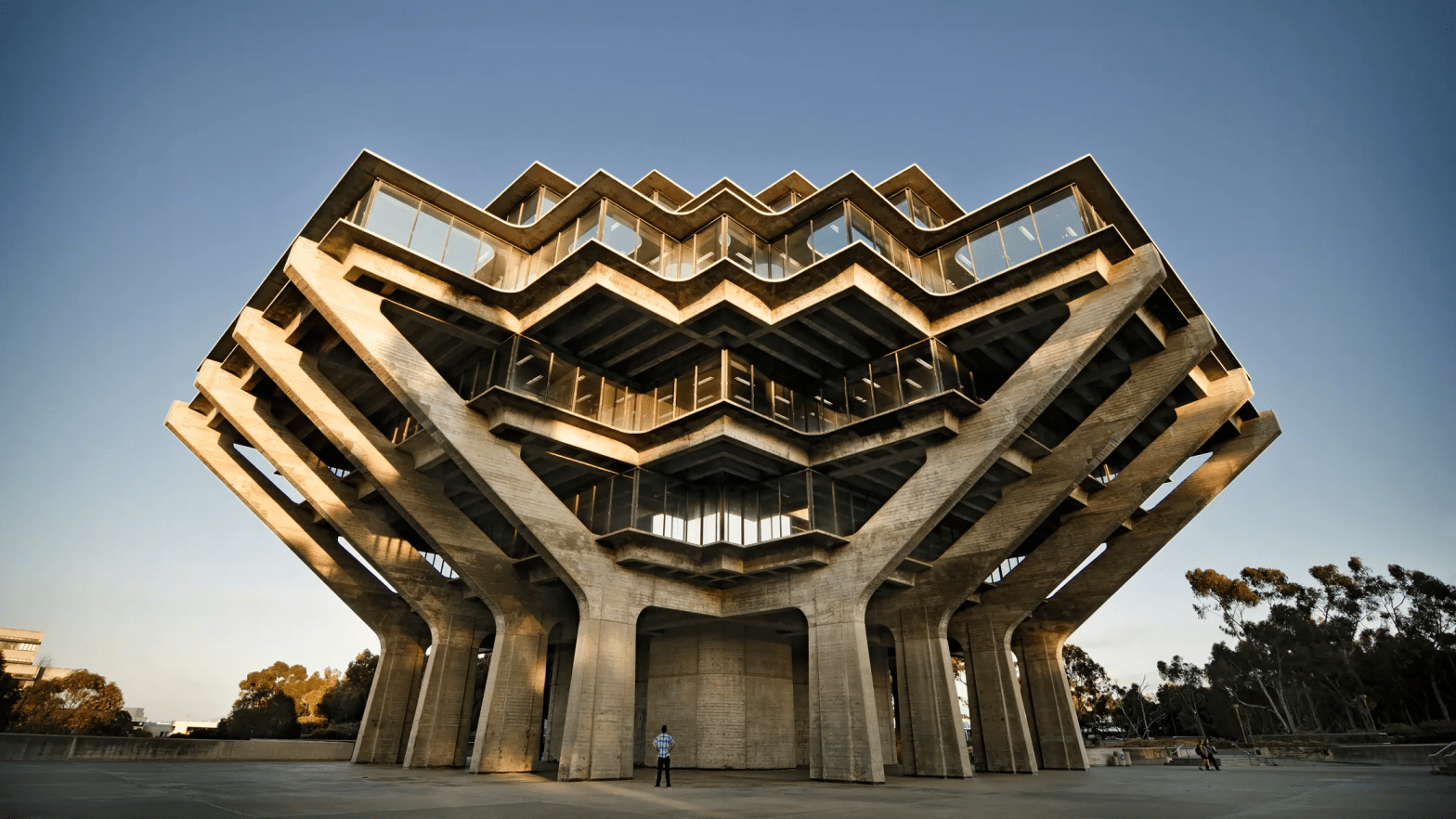
Brutalism was more than a style of raw concrete and bold forms—it was an experiment in shaping society through design. Emerging from the devastation of the Second World War, it promised dignity, efficiency, and fairness in housing and public life. Buildings were stripped back to their essentials, constructed in béton brut—raw concrete—without ornament or disguise.ContinueContinue reading “Neuroarchitecture: Lessons from Brutalism”
Category Archives: Environmental Psychology
Brutalism and Social Housing: Utopia, Failure, and Legacy
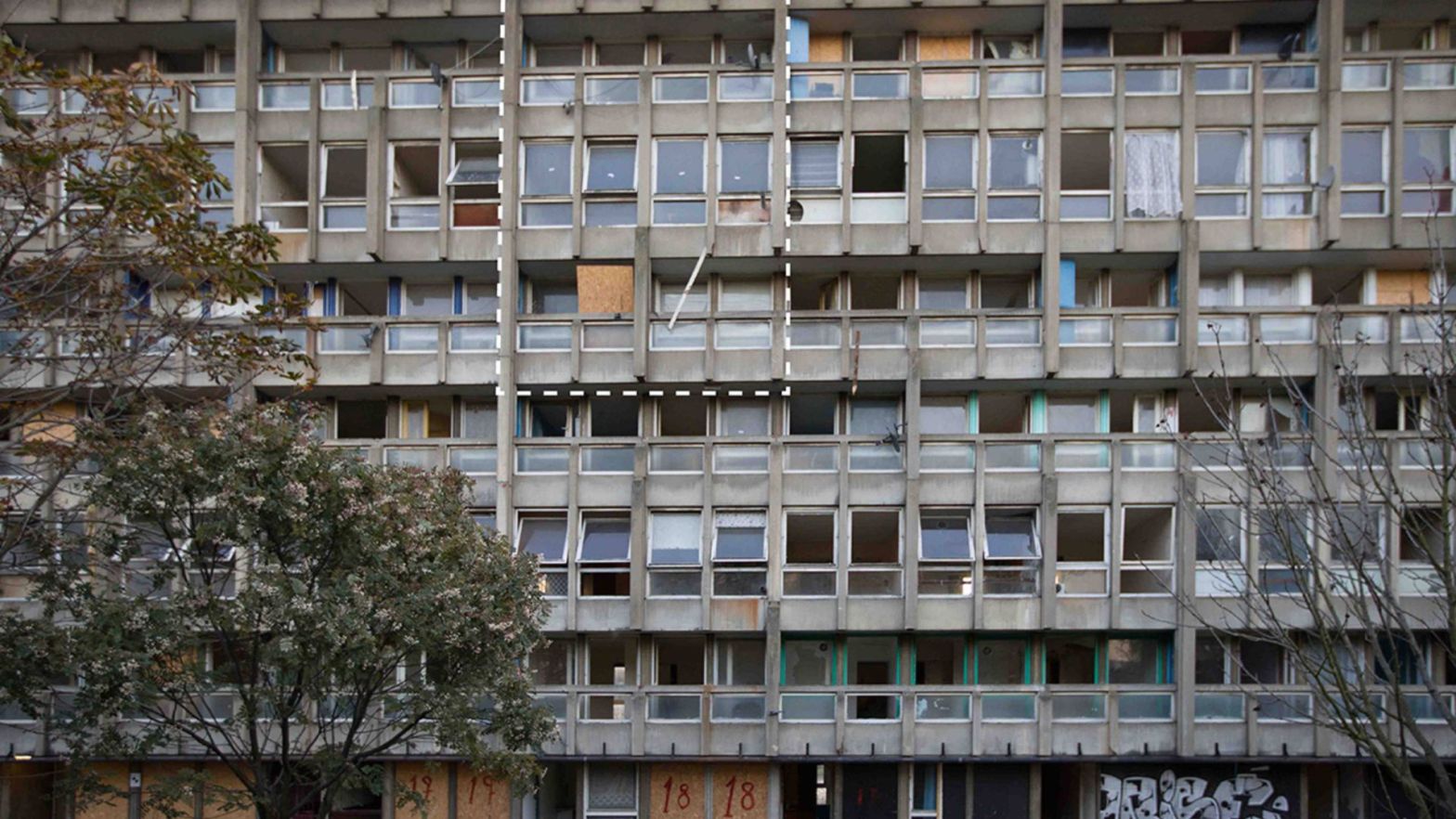
“Less is boring” Robert Venturi Few architectural projects capture the promise and pitfalls of Brutalism as vividly as Robin Hood Gardens in East London. Designed by Alison and Peter Smithson in the early 1970s, it was conceived as a social experiment: vast concrete blocks connected by “streets in the sky” and centred around a greenContinueContinue reading “Brutalism and Social Housing: Utopia, Failure, and Legacy”
¿Qué podemos aprender de los laberintos para ratas y cómo pueden guiar el diseño urbano y la arquitectura?
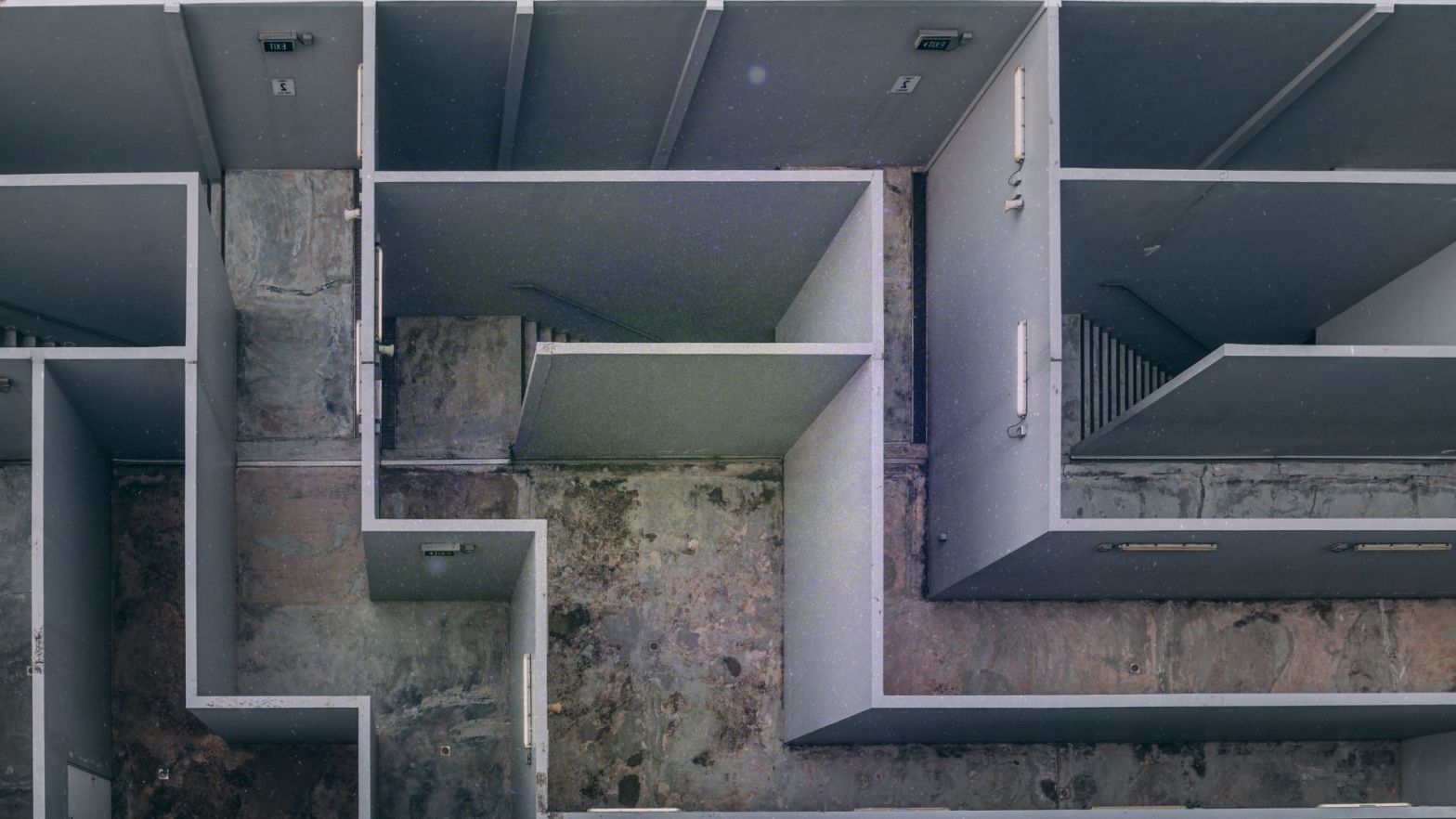
¿Alguna vez has visto cómo los científicos diseñan laberintos para ratas? Los científicos utilizan laberintos para estudiar cómo pequeños cambios en el entorno alteran el comportamiento. Los niveles de luz, el ancho de los pasillos o la colocación de una recompensa pueden empujar a un animal hacia la cautela, la curiosidad o el acercamiento. PruebasContinueContinue reading “¿Qué podemos aprender de los laberintos para ratas y cómo pueden guiar el diseño urbano y la arquitectura?”
How Lab Mazes Inform Urban Design
Have you ever seen how scientists design mazes for rats? Scientists use mazes to study how small changes in an environment alter behaviour. Light levels, corridor width, or the placement of a reward can nudge an animal toward caution, curiosity, or approach. Tests such as the Social Interaction Test reveal a simple lesson: environment shapesContinueContinue reading “How Lab Mazes Inform Urban Design”
Designing for Mental Health: Architecture’s Role
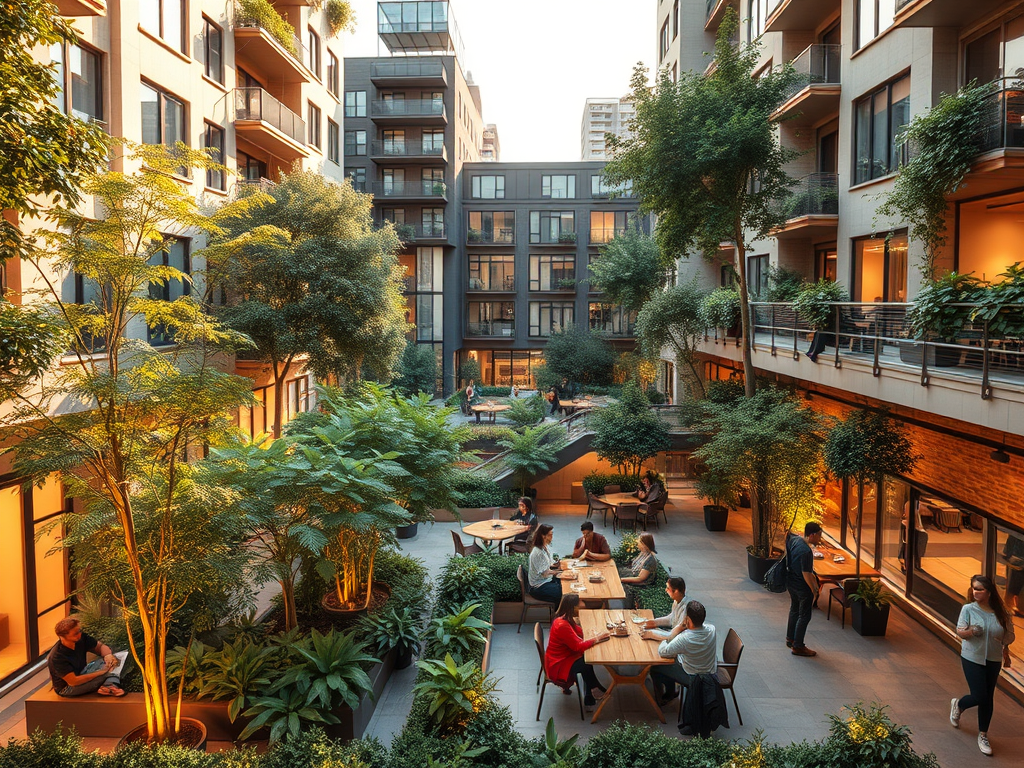
According to the World Health Organization (WHO), mental health conditions include mental disorders, psychosocial disabilities, and other emotional states that significantly impair daily functioning or increase the risk of self-harm. The Crisis: Anxiety, Disconnection, and Isolation Alfred, a 90-year-old widower from Wakefield, spent six months in near-total isolation. After losing his wife, his only humanContinueContinue reading “Designing for Mental Health: Architecture’s Role”
Integrando neuroarquitectura, psicología ambiental y diseño biofílico
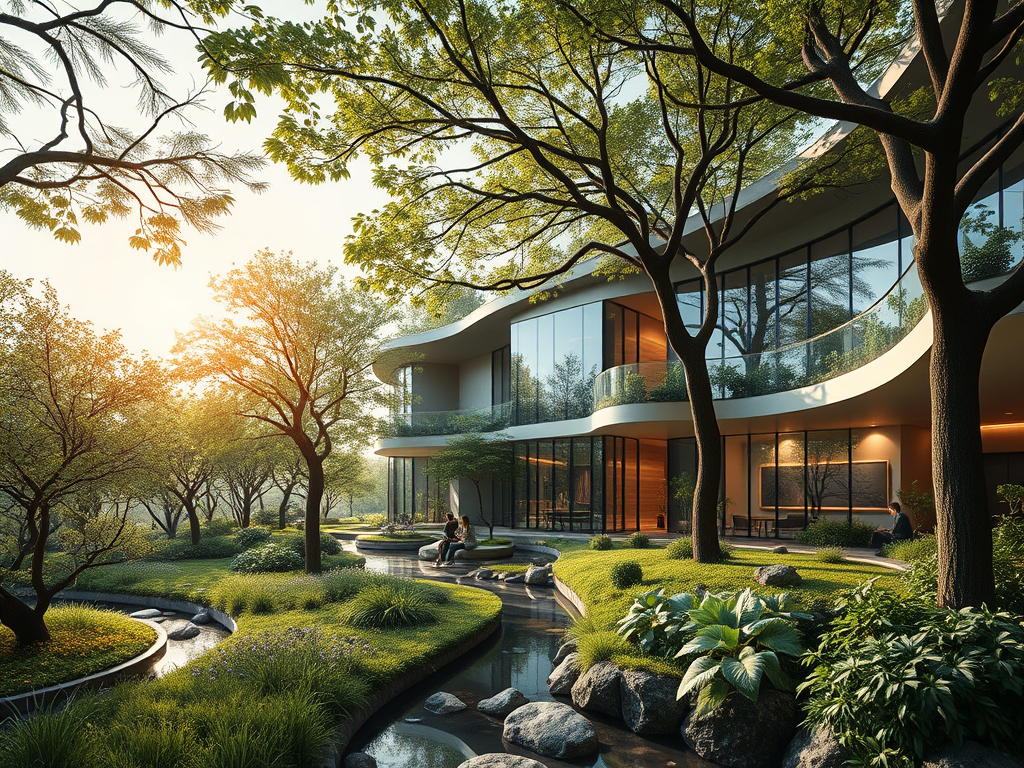
Tres formas de ver el espacio: Neuroarquitectura, Psicología Ambiental y Diseño Biofílico. Un comienzo curioso ¿Por qué algunos espacios nos calman mientras que otros nos hacen sentir incómodos? ¿Por qué una caminata por el bosque nos recarga de energía, mientras que un pasillo ruidoso nos agota? Durante décadas, diseñadores e investigadores han abordado estas preguntasContinueContinue reading “Integrando neuroarquitectura, psicología ambiental y diseño biofílico”
Integrating Neuroarchitecture, Psychology, and Biophilic Design
How three disciplines converge to reshape how we live, feel, and design. A Curious Beginning Why do some spaces calm us while others make us feel uneasy? Why does a walk through a forest restore our energy, while a noisy corridor drains it? For decades, designers and researchers have asked these questions from different angles.ContinueContinue reading “Integrating Neuroarchitecture, Psychology, and Biophilic Design”

