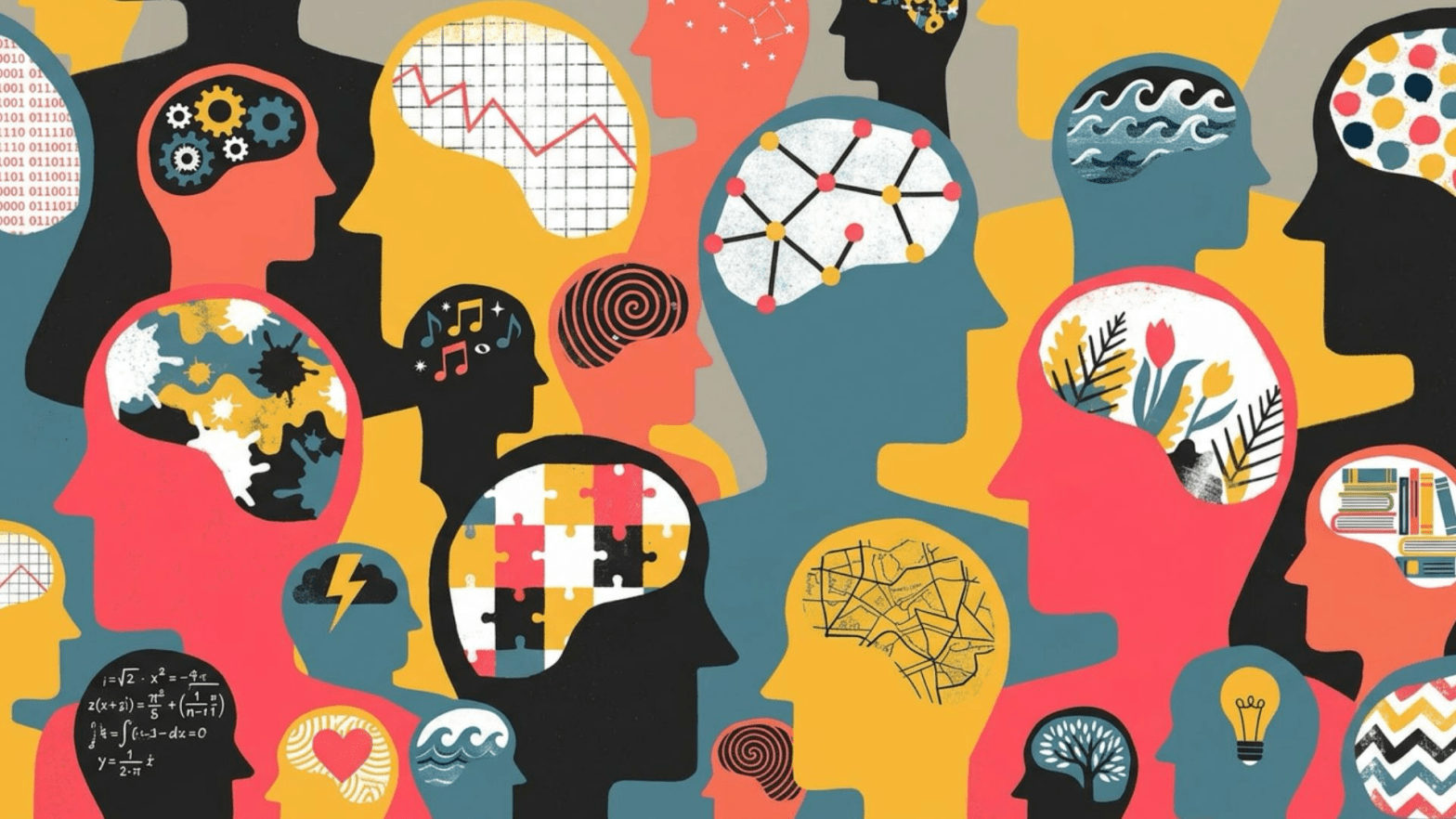
Why Architecture Must Respond to Human Diversity For decades, inclusive design in architecture was often understood through a relatively narrow lens: accessibility regulations, ramps, lifts, wider doors, and compliance checklists. While these interventions remain essential, contemporary research in neuroscience, psychology, and human-centred design suggests that true inclusion extends far beyond physical mobility. Architecture does notContinueContinue reading “Inclusive Design Beyond Accessibility”
Category Archives: Environmental Psychology
The Hidden Energy Cost of Urban Design

Millions of people begin their day trapped in traffic, glancing anxiously at rising fuel prices. In silence, they calculate whether they can still afford to fill the tank and cover the essentials: getting to work, buying food, or taking their children to school. This everyday routine reveals a far deeper reality: modern urban life remainsContinueContinue reading “The Hidden Energy Cost of Urban Design”
Can architecture influence contemplative states of mind?
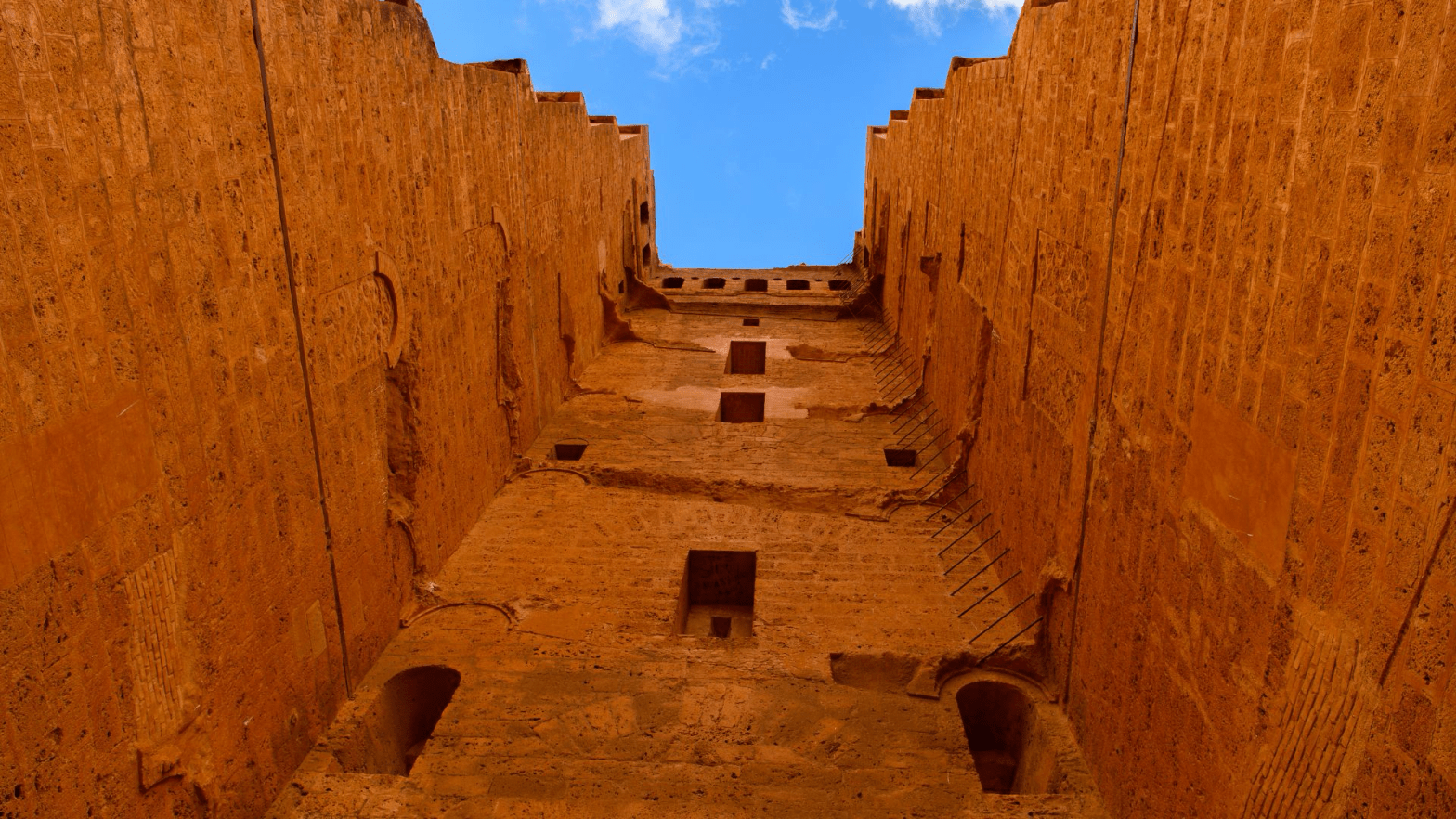
Can Architecture Influence the Mind? A narrow alley, a curved pathway, filtered light entering through a shaded corridor, or the silence beneath a vaulted ceiling can create a subtle sensation of calm and inward attention. Certain environments seem capable of slowing our thoughts, sharpening our senses, and reconnecting us with the present moment. But whatContinueContinue reading “Can architecture influence contemplative states of mind?”
Aggressive Behaviour and Environmental Overload
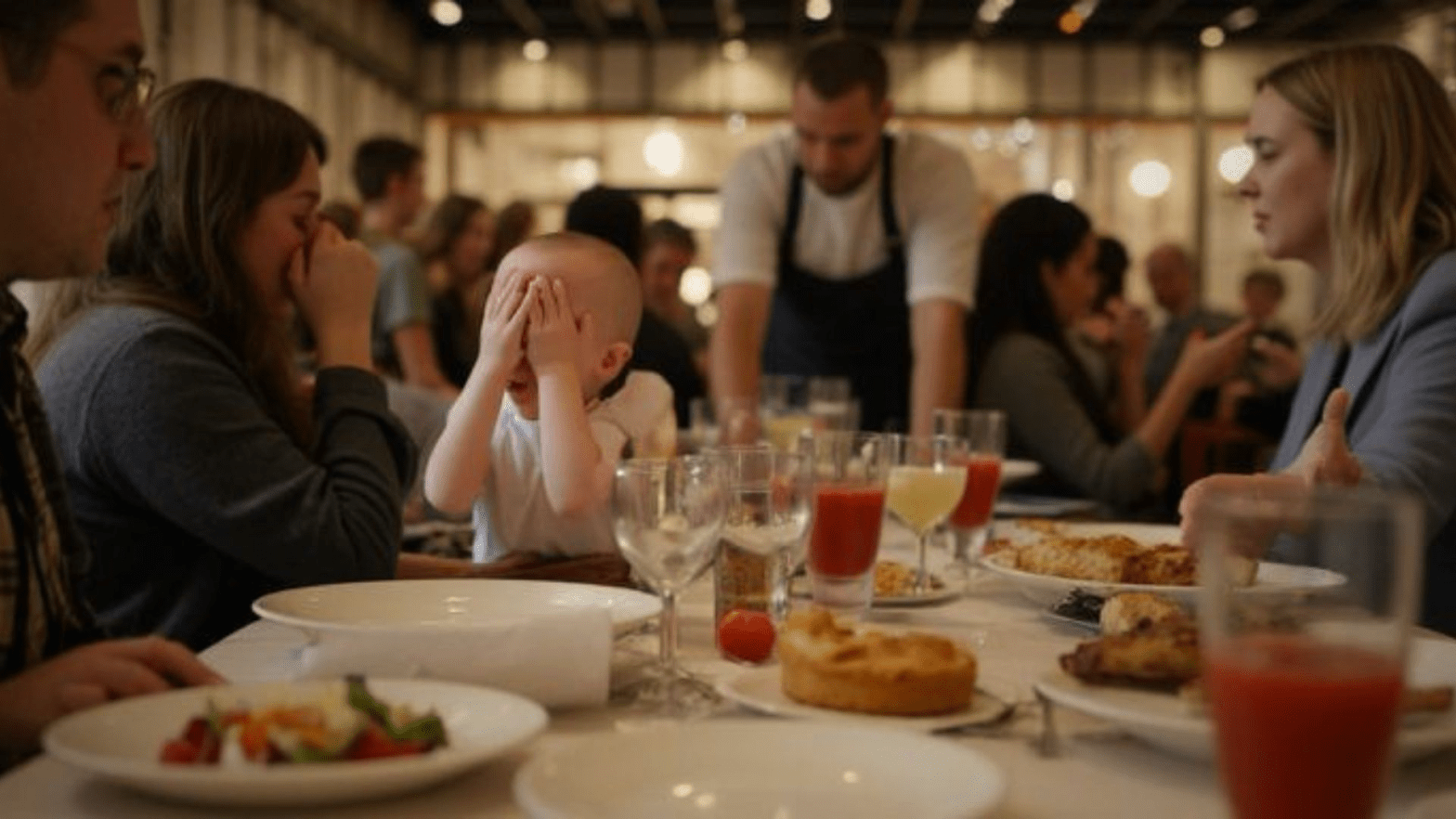
When Space Overwhelms Us: From Stimulus to Behaviour A child walks back into the classroom after break. Just moments before, they were running, laughing and playing without any difficulty. But as they cross the threshold, something shifts. The noise feels louder, the voices of classmates become unsettling, and the light seems harsher than before. SmallContinueContinue reading “Aggressive Behaviour and Environmental Overload”
How Do We Imagine the Architecture of Happiness?
In 2006, the philosopher Alain de Botton published The Architecture of Happiness, an essay built around a simple yet transformative idea: the spaces we inhabit have a profound influence on our emotional and psychological wellbeing. Rather than approaching architecture as a purely technical or aesthetic discipline, de Botton places it firmly within a human context.ContinueContinue reading “How Do We Imagine the Architecture of Happiness?”
The Architecture of Taste: How Sensory Design Shapes the Experience of Food at Home
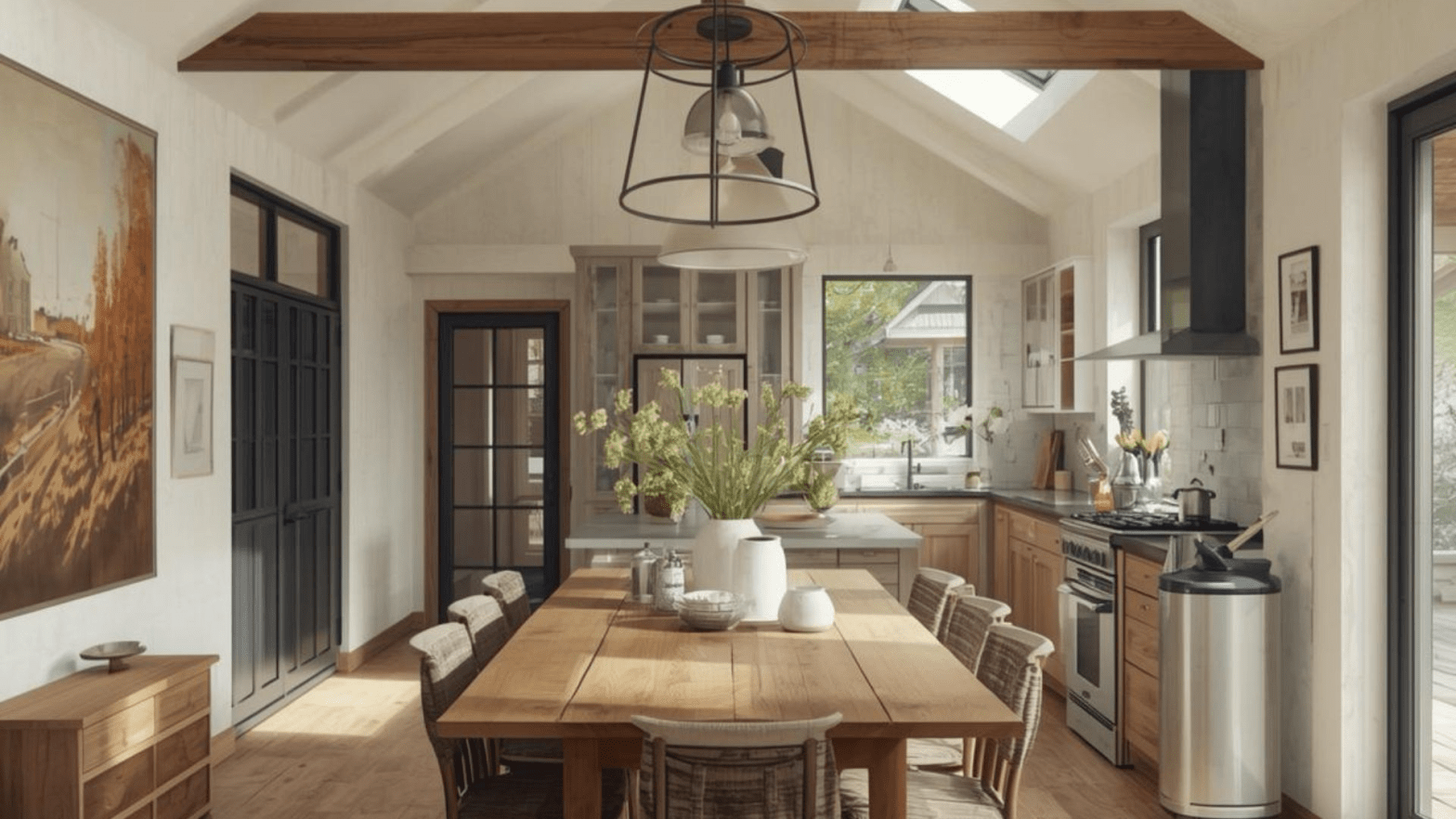
When we think about architecture, we usually imagine what we see: forms, materials, colours and proportions. For this reason, it may initially seem unusual to discuss taste in relation to architecture. After all, we do not taste walls or ceilings. From an evolutionary perspective, the gustatory system has helped humans identify nutritious foods and avoidContinueContinue reading “The Architecture of Taste: How Sensory Design Shapes the Experience of Food at Home”
Stress: The Impact of a View on Our Wellbeing
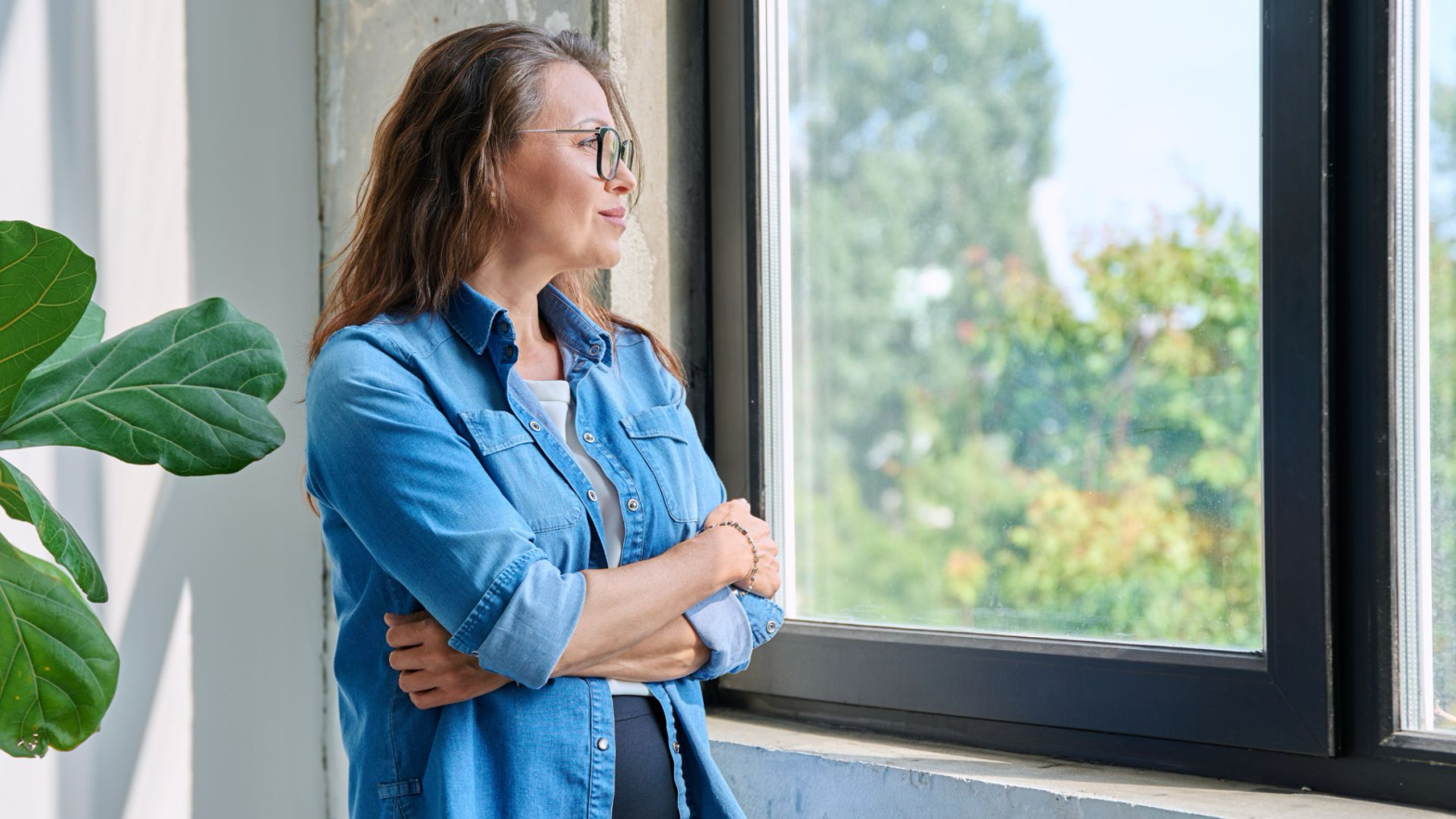
Stress is a necessary biological response that allows us to react, adapt and survive in a constantly changing environment. When the brain perceives a threat — whether real or symbolic — it activates the nervous system and releases hormones such as cortisol and adrenaline, preparing the body to respond quickly. This reaction, known as theContinueContinue reading “Stress: The Impact of a View on Our Wellbeing”
Housing Crisis and Neurodiversity: A Hidden Human Emergency
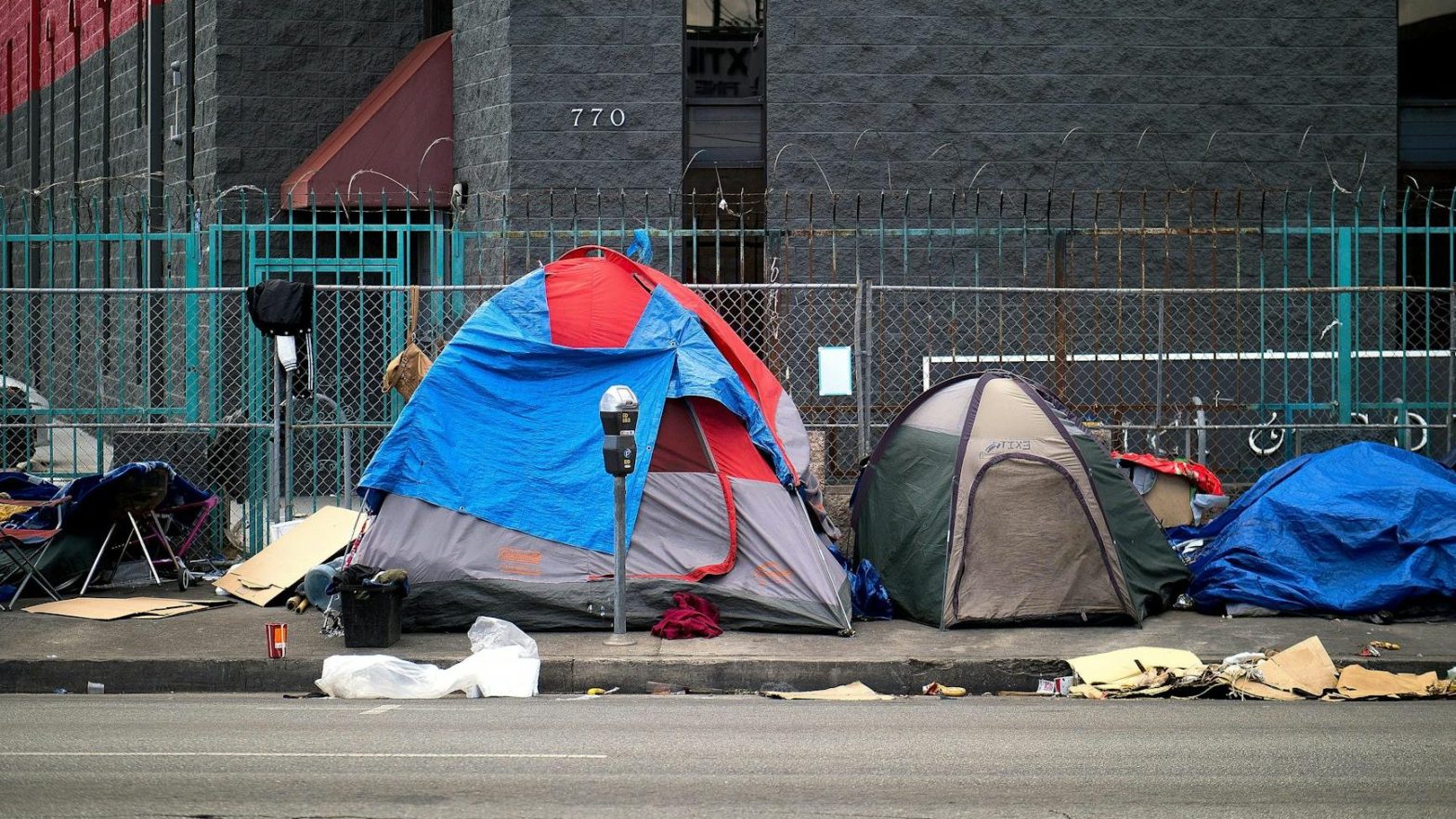
Across the world, access to safe and secure housing has become one of the defining social crises of the 21st century. In many countries, rising rents, shrinking social housing supply, and stagnant wages have made long-term stability increasingly unattainable. Nations such as Australia and Canada are among those most severely affected, reflecting a global patternContinueContinue reading “Housing Crisis and Neurodiversity: A Hidden Human Emergency”
Minimal Homes, Maximum Expectations
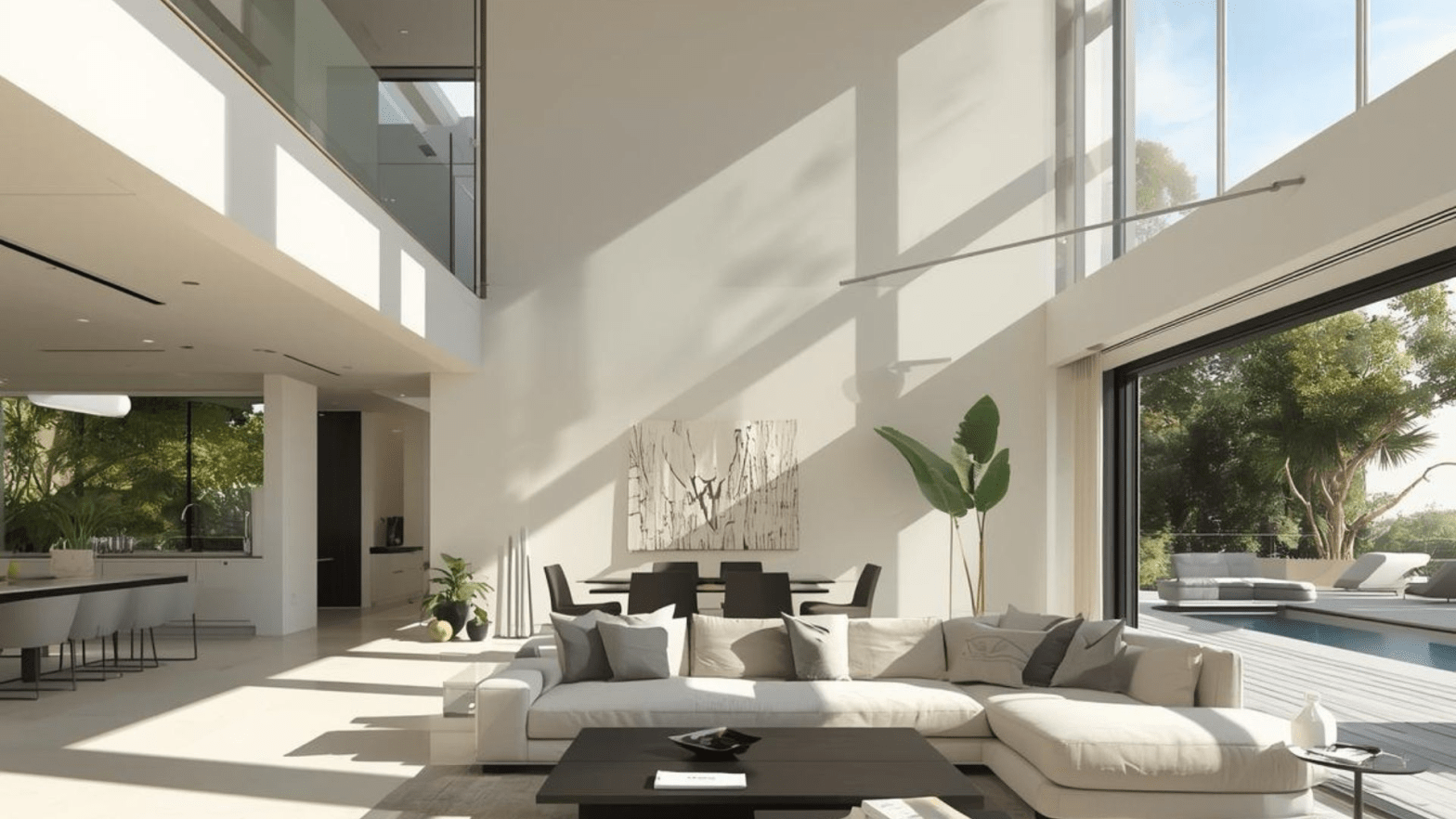
For many people, searching for a home for the first time is an emotional shock. It is not just a financial decision: it is an unexpected test of what “home” means today. At some point in the process, almost all of us have lived through the same scene. We step into a new flat, followContinueContinue reading “Minimal Homes, Maximum Expectations”
The Urgency of Silence: Why Inner Retreat is the Most Necessary Architecture of the 21st Century

In the 1950s, Dr. Jonas Salk—on the verge of creating the polio vaccine—felt completely paralysed. After years of research, exhaustion and global pressure led to an absolute mental block. Exhausted and confused, he made a radical decision: to travel to the Monastery of Assisi, Italy, the home of Saint Francis. There, amidst silent walls, softContinueContinue reading “The Urgency of Silence: Why Inner Retreat is the Most Necessary Architecture of the 21st Century”

