
The Palace of Versailles, one of the most imposing royal residences in Europe, was conceived as a political instrument. Under the reign of Louis XIV, France sought to consolidate absolute power after decades of internal unrest. Versailles became the ideal stage upon which that ambition could be made visible. To prevent conspiracies and uprisings, theContinueContinue reading “Luxury and Liveability: Lessons from Versailles”
Category Archives: Home
Tiny Houses: Living Small Between Freedom and Sensory Load
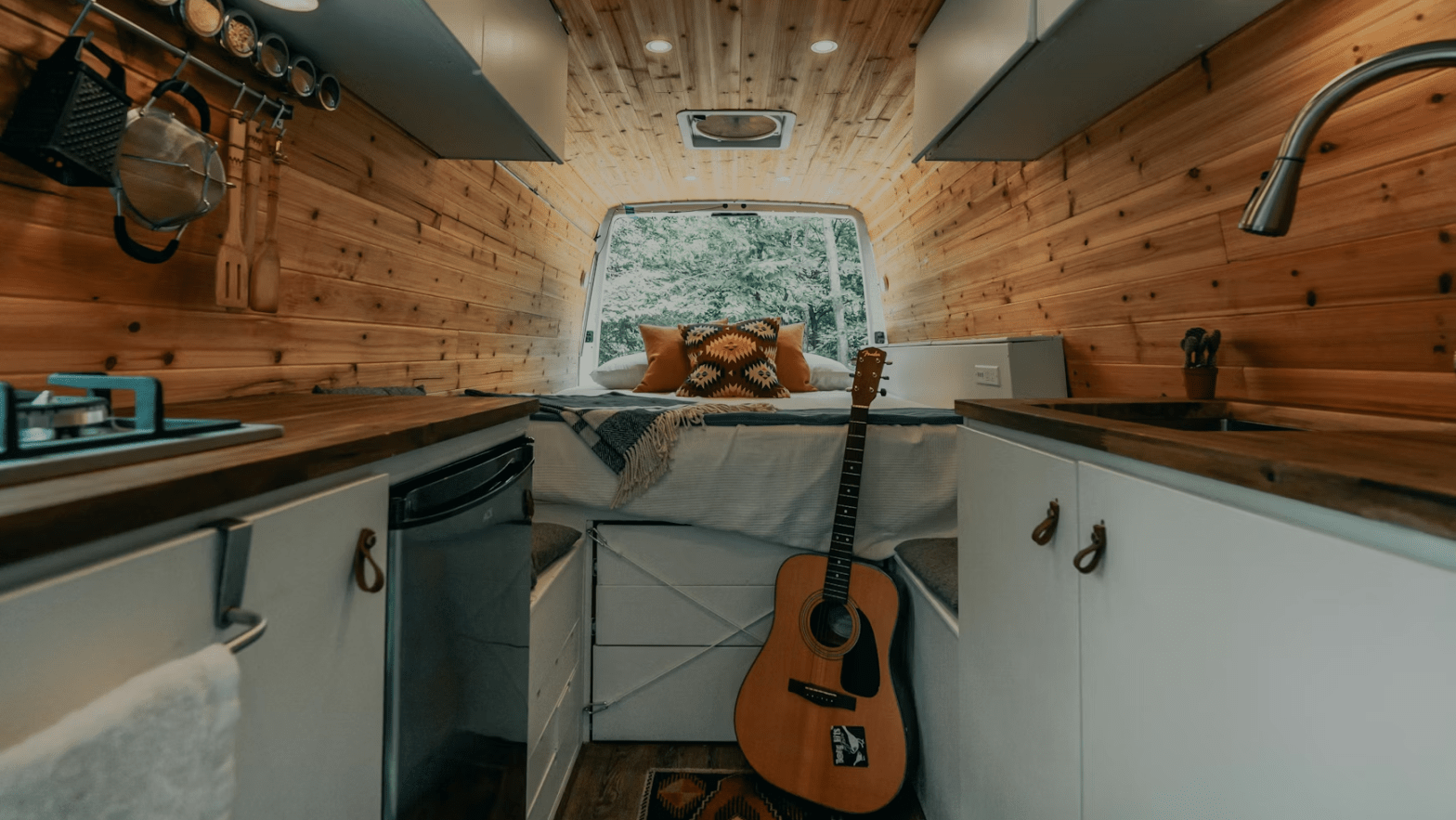
Over the past decade, tiny houses have shifted from an alternative curiosity to an aspirational symbol. Small, tidy, and carefully photographed, they appear to promise a simpler way of living. But when we move beyond the image and consider the body that inhabits these spaces—the brain, the senses, everyday life—the question changes: Can a dwellingContinueContinue reading “Tiny Houses: Living Small Between Freedom and Sensory Load”
Home Design for Neurodivergent People
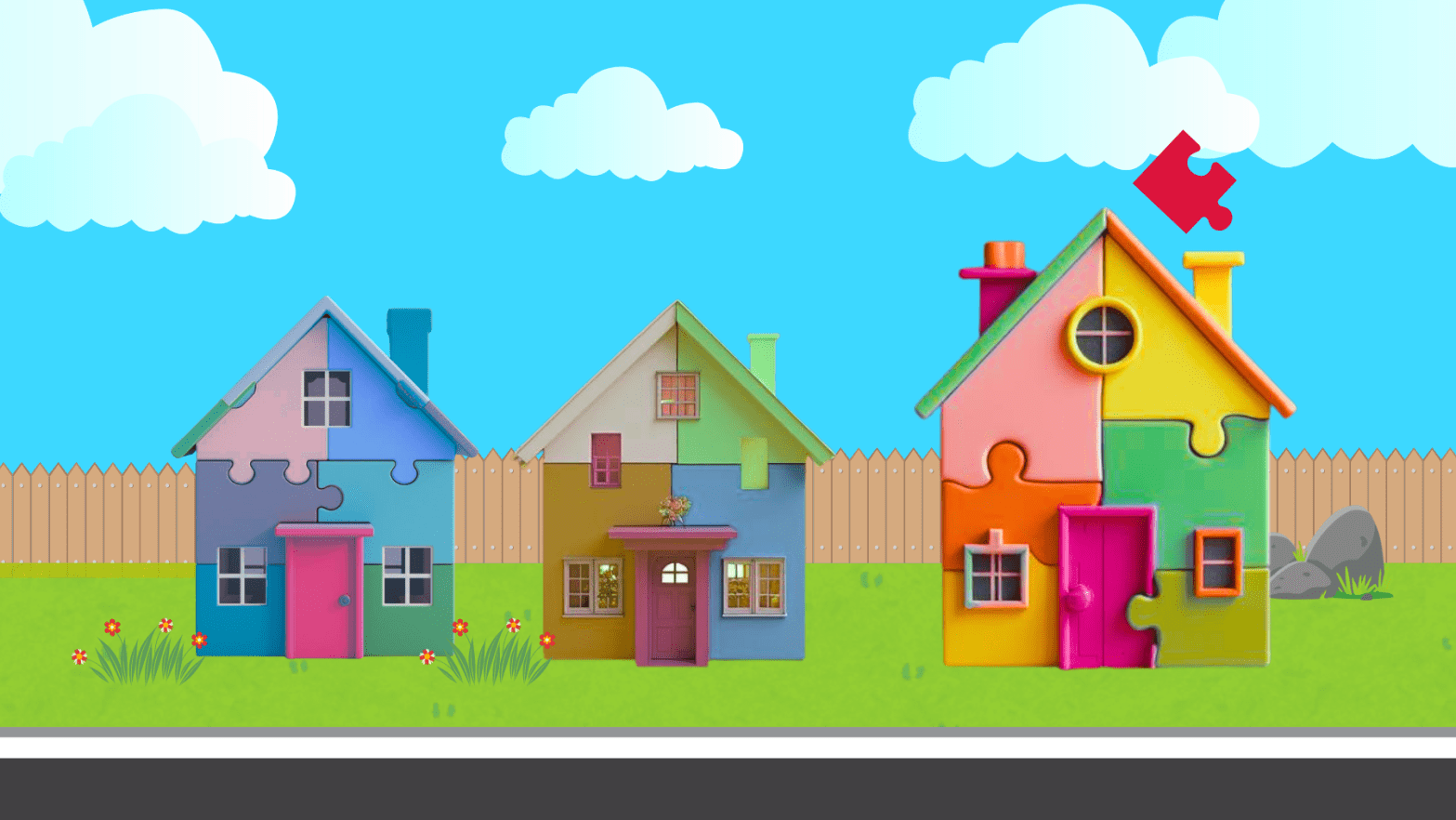
Although official data on neurodivergence and homelessness remain limited, the available evidence suggests that neurodivergent people —particularly autistic individuals —are disproportionately represented among those experiencing housing insecurity or homelessness in the United Kingdom. The absence of stable housing activates prolonged stress responses, with direct and lasting consequences for mental health. For this reason, the housingContinueContinue reading “Home Design for Neurodivergent People”
Housing Crisis and Neurodiversity: A Hidden Human Emergency
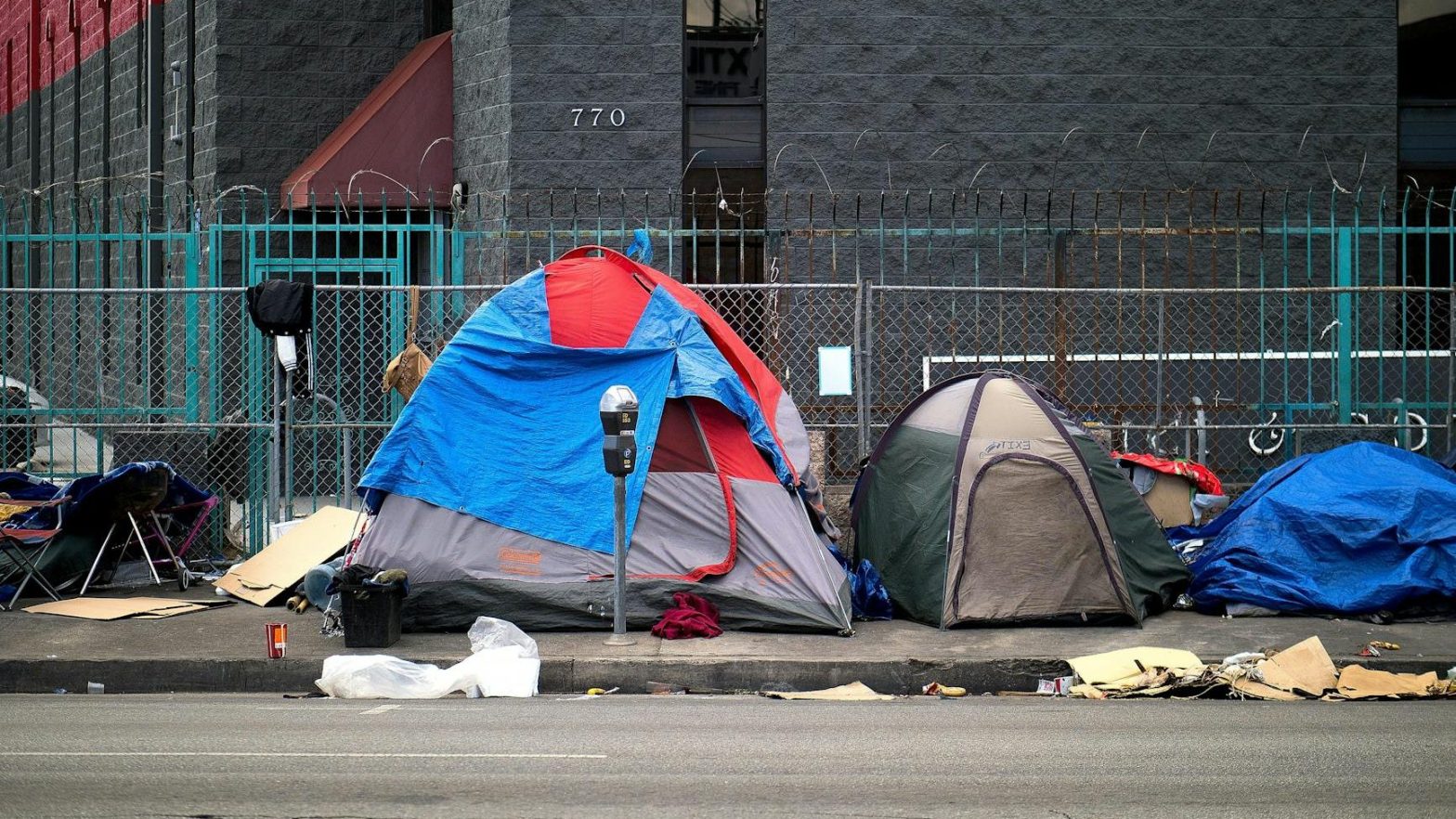
Across the world, access to safe and secure housing has become one of the defining social crises of the 21st century. In many countries, rising rents, shrinking social housing supply, and stagnant wages have made long-term stability increasingly unattainable. Nations such as Australia and Canada are among those most severely affected, reflecting a global patternContinueContinue reading “Housing Crisis and Neurodiversity: A Hidden Human Emergency”
Minimal Homes, Maximum Expectations
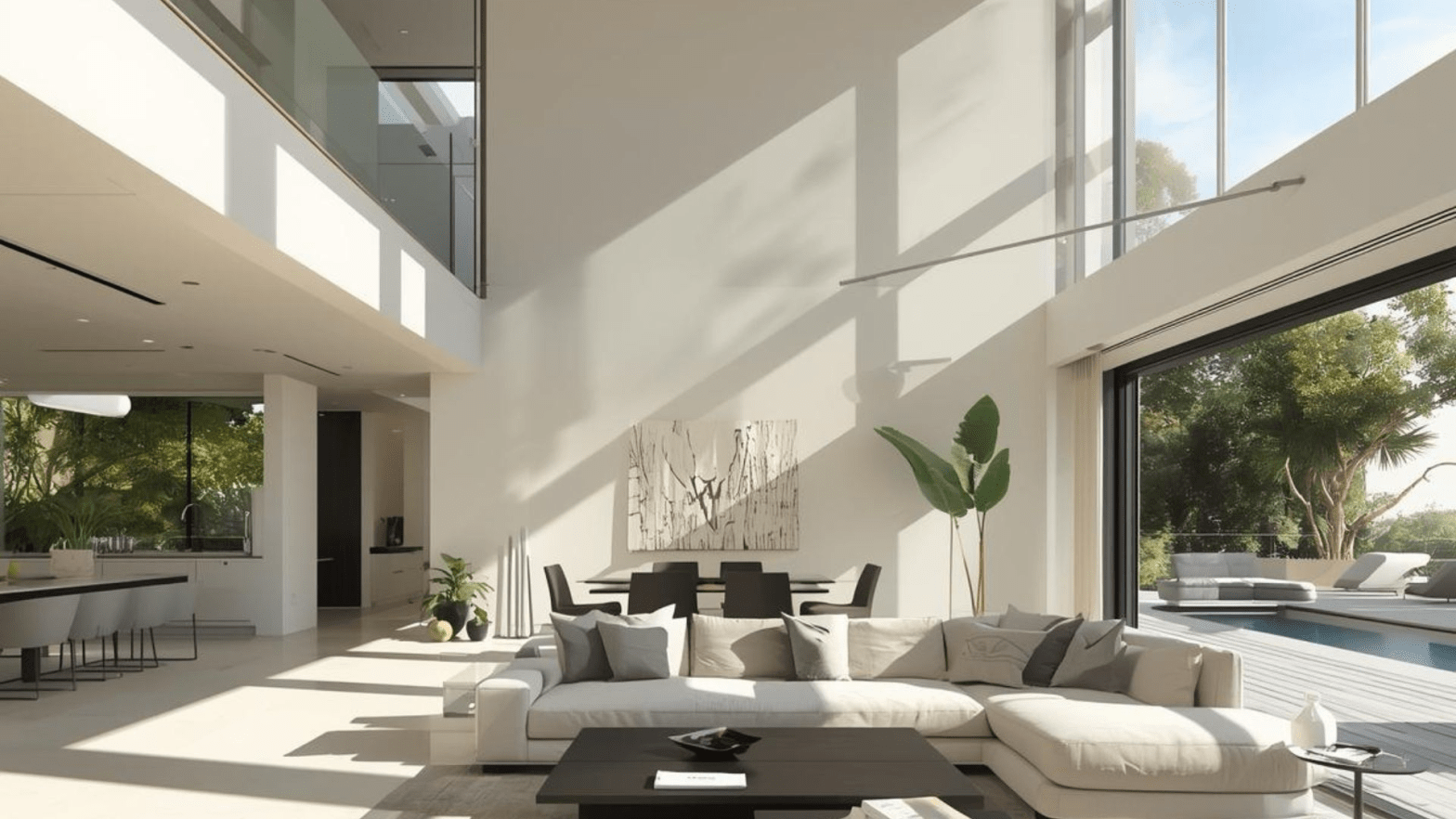
For many people, searching for a home for the first time is an emotional shock. It is not just a financial decision: it is an unexpected test of what “home” means today. At some point in the process, almost all of us have lived through the same scene. We step into a new flat, followContinueContinue reading “Minimal Homes, Maximum Expectations”
How Architecture Can Combat Loneliness
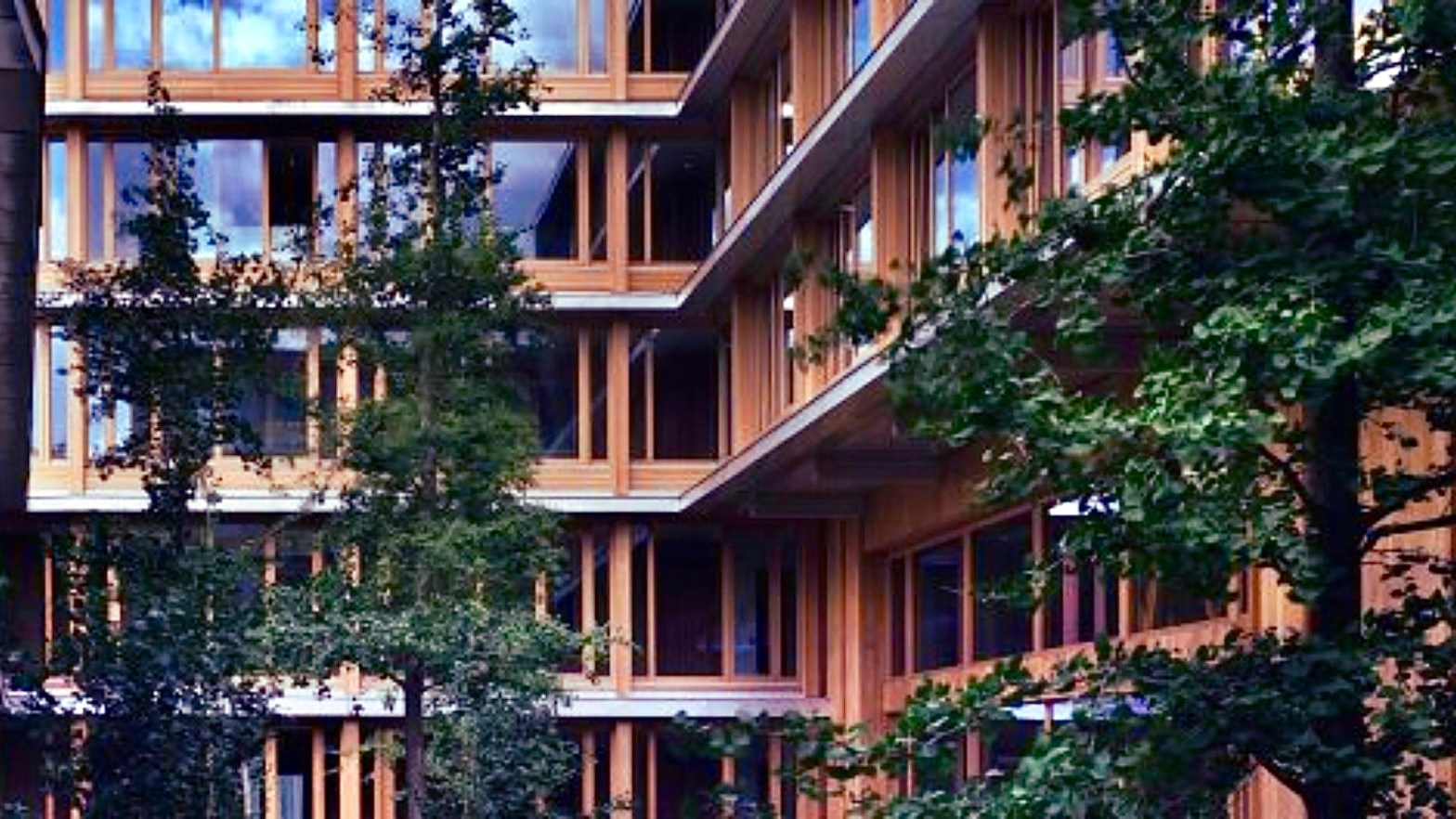
Can design prevent loneliness? In a rapidly ageing world, this question is no longer rhetorical.Loneliness, recognised by the WHO as one of the main threats to public health, affects memory, blood pressure, and even life expectancy. But what if architecture could help us weave back together the bonds that time and the city have unravelled?ContinueContinue reading “How Architecture Can Combat Loneliness”
Creating Calm: Designing Homes for Better Mental Health
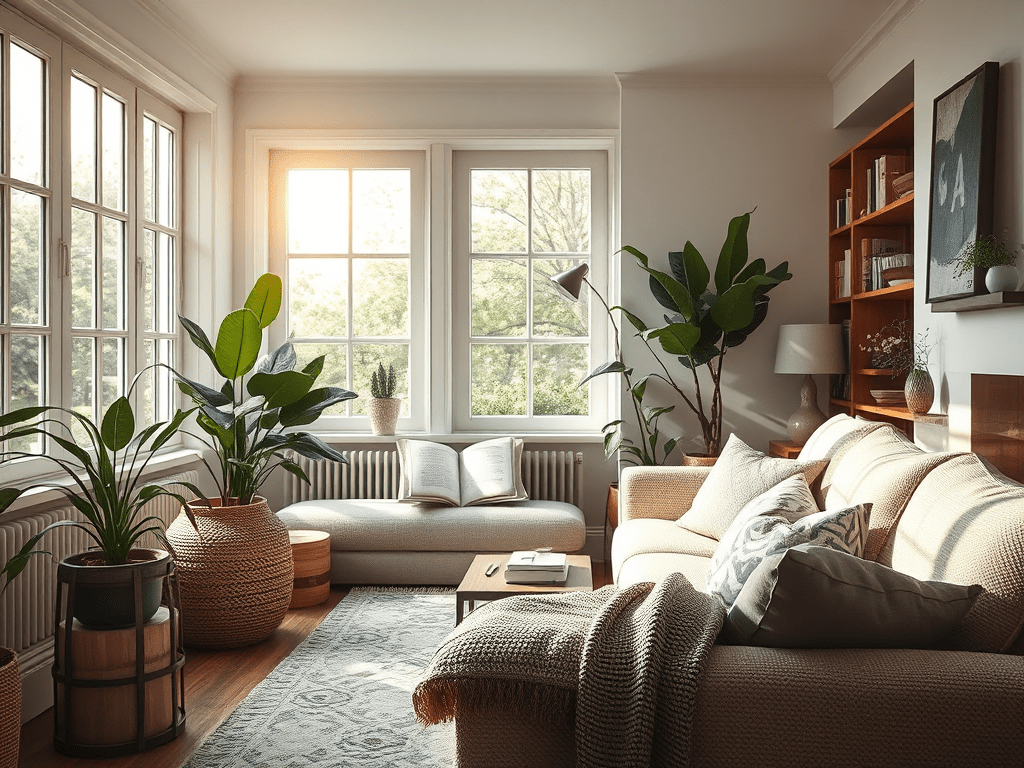
After a day filled with work, study, commuting, and endless demands, where do we land? We should return to a space that offers more than shelter—a place that helps us decompress, slow down, and reconnect.With ourselves. With our loved ones. With what truly matters. We spend around 90% of our time indoorsWorld Health Organization Yet,ContinueContinue reading “Creating Calm: Designing Homes for Better Mental Health”
Designing Calm: How Neuroarchitecture Can Transform Your Home
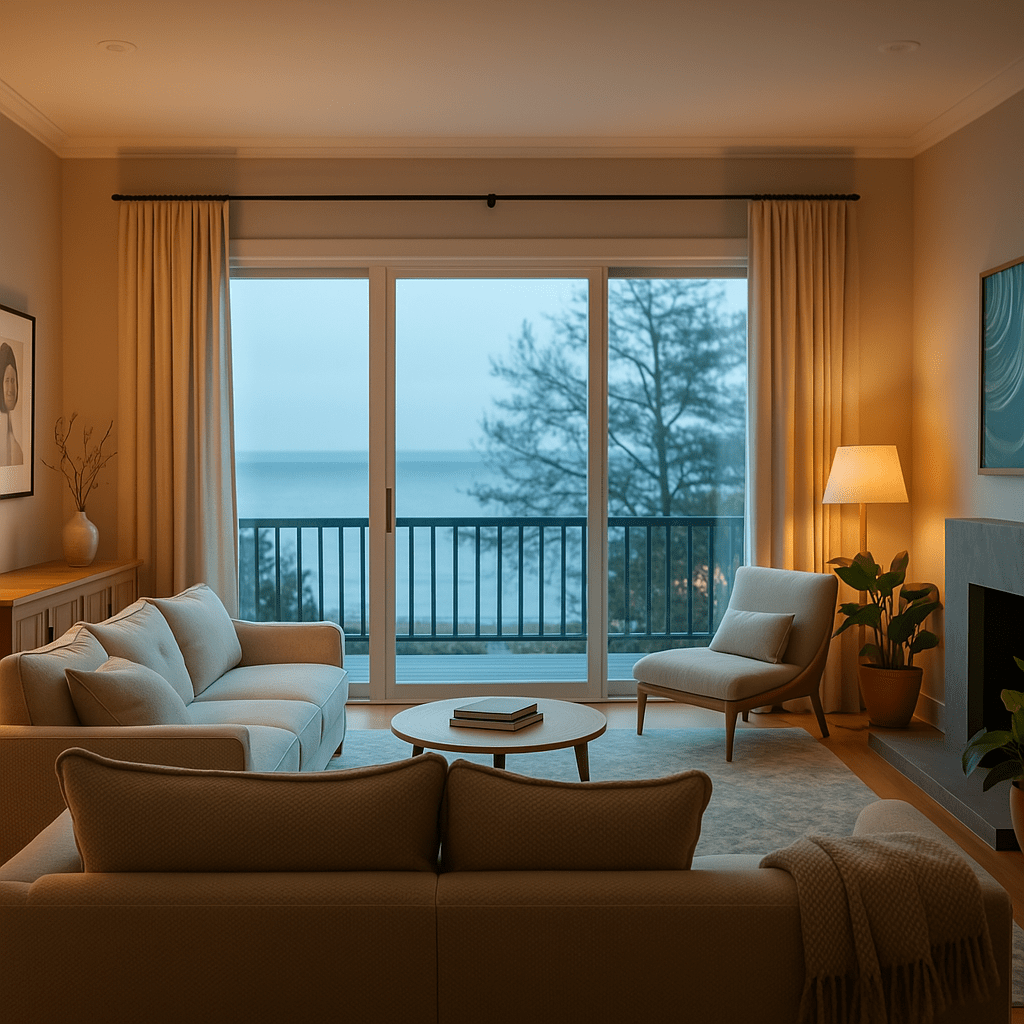
Imagine coming home after an overwhelming day. The lighting is harsh, clutter is everywhere, loud music seeps in from next door, and the noise and fumes from the street press against your windows. When your home feels chaotic, your body stays on alert. Harsh lighting strains your eyes, clutter makes it difficult to focus, andContinueContinue reading “Designing Calm: How Neuroarchitecture Can Transform Your Home”
 neurotectura.com