
Play is an intrinsic biological need of the human being. It is not a luxury or a secondary activity but an adaptive mechanism that allows us to rehearse behaviours, regulate stress, and develop the neural plasticity required for lifelong learning. In childhood, this process becomes especially critical. During periods of rapid brain development, play actsContinueContinue reading “The Impact of Playground Design on Child Development and Brain Plasticity”
Tag Archives: Arquitectura
El impacto del diseño de parques en el desarrollo infantil y la plasticidad cerebral
El juego es una necesidad biológica intrínseca del ser humano. No es un lujo ni una actividad secundaria, sino un mecanismo de adaptación que nos permite ensayar conductas, gestionar el estrés y desarrollar la plasticidad cerebral necesaria para aprender a lo largo de toda la vida. En la infancia, este proceso es especialmente crítico. DuranteContinueContinue reading “El impacto del diseño de parques en el desarrollo infantil y la plasticidad cerebral”
Cómo nos imaginamos la arquitectura de la felicidad
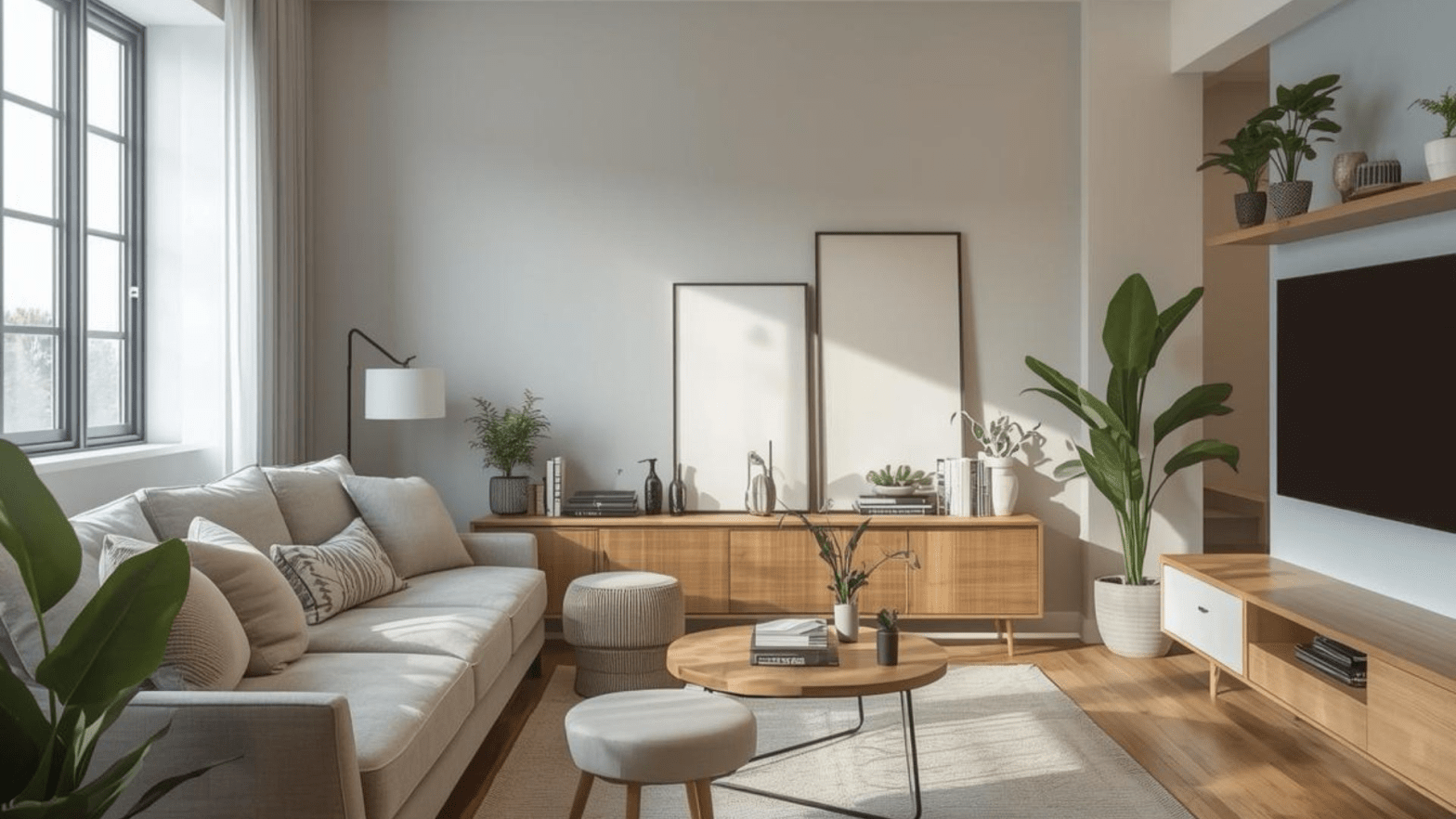
En 2006, el filósofo Alain de Botton publicó The Architecture of Happiness, un ensayo que propone una idea tan sencilla como transformadora: los espacios en los que vivimos influyen profundamente en nuestro bienestar emocional y psicológico. Lejos de entender la arquitectura como un ejercicio técnico o puramente estético, de Botton la sitúa en un planoContinueContinue reading “Cómo nos imaginamos la arquitectura de la felicidad”
Neuroarchitecture: The Physics of Design and Its Impact on the Brain

Why would a physicist take an interest in architecture? At first glance, the laws that govern the universe and the design of the spaces we inhabit appear to intersect only at a technical level—through structural forces, plumbing systems, ventilation, or thermal control. Yet, the connection runs far deeper. Both disciplines are concerned with systems, structures,ContinueContinue reading “Neuroarchitecture: The Physics of Design and Its Impact on the Brain”
Neuroarquitectura: La física del diseño y su impacto en el cerebro
¿Por qué un físico se interesaría en la arquitectura? A primera vista, el estudio de las leyes del universo y la construcción de los espacios que habitamos parecen encontrarse únicamente en aspectos técnicos: las fuerzas que actúan sobre una estructura, los sistemas hidráulicos, la ventilación o la climatización. Sin embargo, la relación es más profunda.ContinueContinue reading “Neuroarquitectura: La física del diseño y su impacto en el cerebro”
Pritzker 2026: The Sensory Architecture of Smiljan Radić
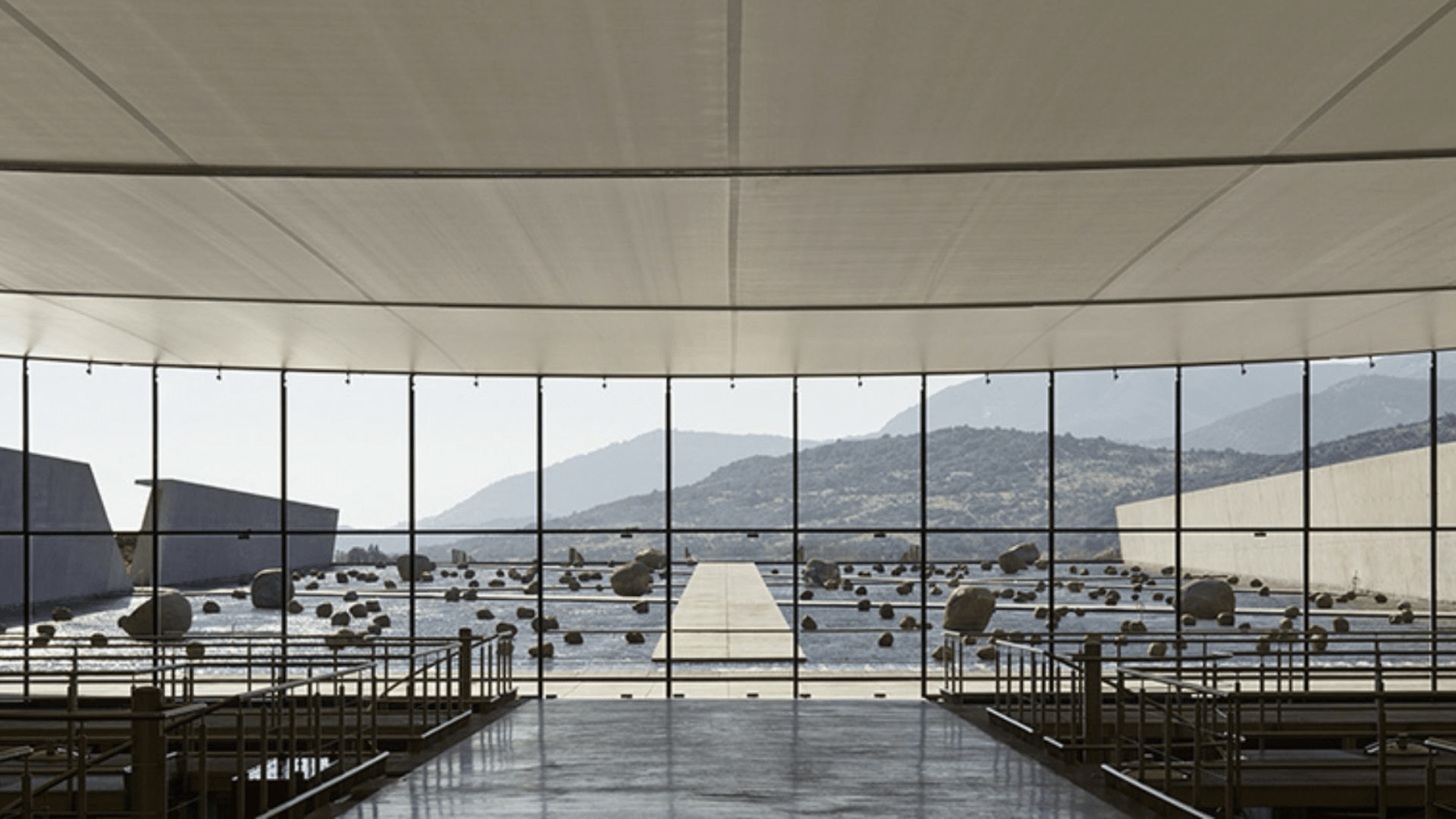
Each year, the Pritzker Architecture Prize represents more than recognition for an individual architect. It also offers a signal of where contemporary architecture may be heading. Smiljan Radić, the 2026 Pritzker laureate, represents a shift towards an architecture defined by atmosphere, intensity and emotional ambiguity—standing in contrast to the growing global standardisation of the builtContinueContinue reading “Pritzker 2026: The Sensory Architecture of Smiljan Radić”
Pritzker 2026: la arquitectura sensorial de Smiljan Radić
Cada año, el Premio Pritzker de arquitectura representa algo más que el reconocimiento a un arquitecto. También ofrece una señal sobre hacia dónde puede dirigirse la arquitectura contemporánea. Smiljan Radić, laureado del Premio Pritzker 2026, representa un giro hacia una arquitectura de atmósfera, intensidad y ambigüedad emocional, en contraste con la creciente estandarización. Su obra,ContinueContinue reading “Pritzker 2026: la arquitectura sensorial de Smiljan Radić”
Viviendas Mínimas, Expectativas Máximas
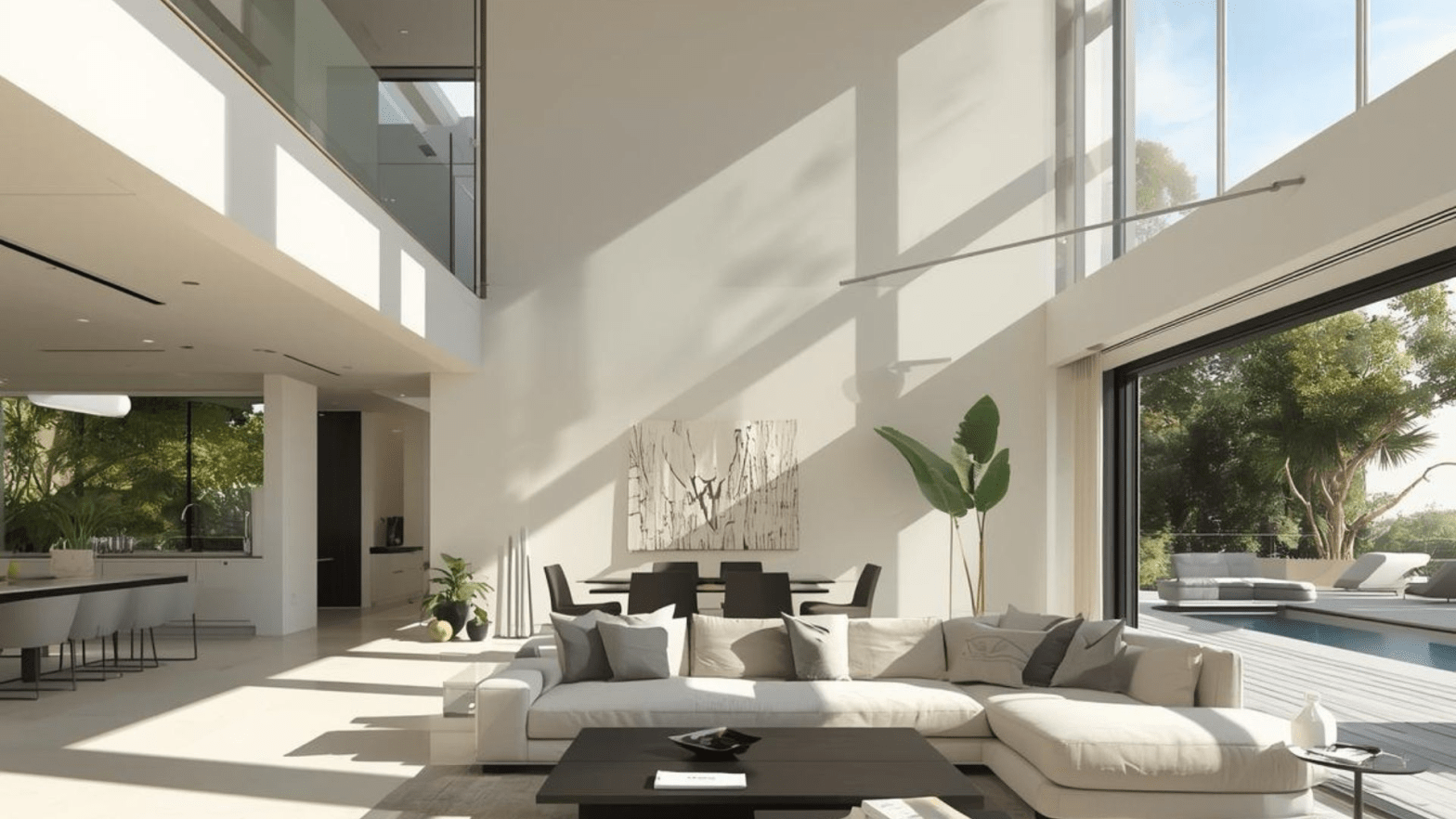
Para muchos, buscar una vivienda por primera vez es un impacto emocional.No se trata solo de una decisión financiera: es una prueba inesperada de lo que significa “hogar” en la actualidad. En algún punto del proceso, casi todos hemos vivido la misma escena. Entramos a ver un apartamento nuevo, seguimos al agente inmobiliario por unContinueContinue reading “Viviendas Mínimas, Expectativas Máximas”
Commercial Neuroarchitecture and Neuromarketing

Buying is rarely a neutral act. Even before you see a product or step into a shop —whether physical or online— your brain has already been activated by carefully crafted signals in advertising, branding, and marketing. In physical spaces, this language becomes even more powerful: fragrances that lower your guard, warm lighting that promises reward,ContinueContinue reading “Commercial Neuroarchitecture and Neuromarketing”
Neuroarquitectura comercial y neuromarketing
Comprar rara vez es un acto neutral. Antes incluso de ver un producto o entrar a una tienda —real o virtual— tu cerebro ya ha sido activado por señales cuidadosamente diseñadas en la publicidad, la imagen de marca y el marketing. En los espacios físicos, este lenguaje se vuelve todavía más poderoso: fragancias que bajanContinueContinue reading “Neuroarquitectura comercial y neuromarketing”

