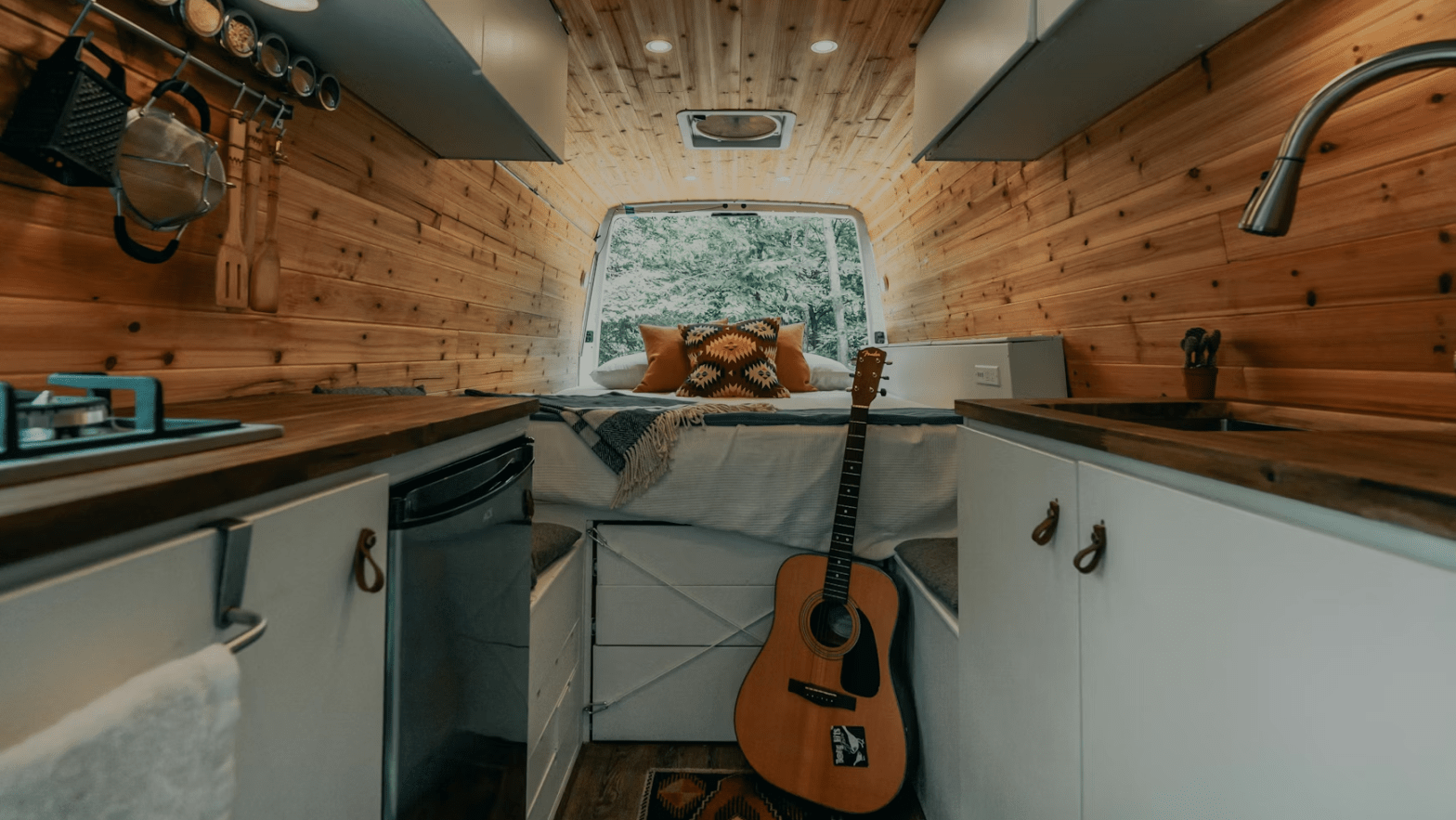
Over the past decade, tiny houses have shifted from an alternative curiosity to an aspirational symbol. Small, tidy, and carefully photographed, they appear to promise a simpler way of living. But when we move beyond the image and consider the body that inhabits these spaces—the brain, the senses, everyday life—the question changes: Can a dwellingContinueContinue reading “Tiny Houses: Living Small Between Freedom and Sensory Load”
Category Archives: Biophilic Design
Nature as Therapy: The Brain’s Response

If someone were to ask us to imagine paradise, we would probably picture a place filled with trees, flowers, waterfalls, and beaches. Hardly anyone would think of a concrete jungle. That preference is not accidental: it has deep roots in our brains. Neuroscience shows that our connection with nature stems from a biological need, notContinueContinue reading “Nature as Therapy: The Brain’s Response”
Creating Calm: Designing Homes for Better Mental Health
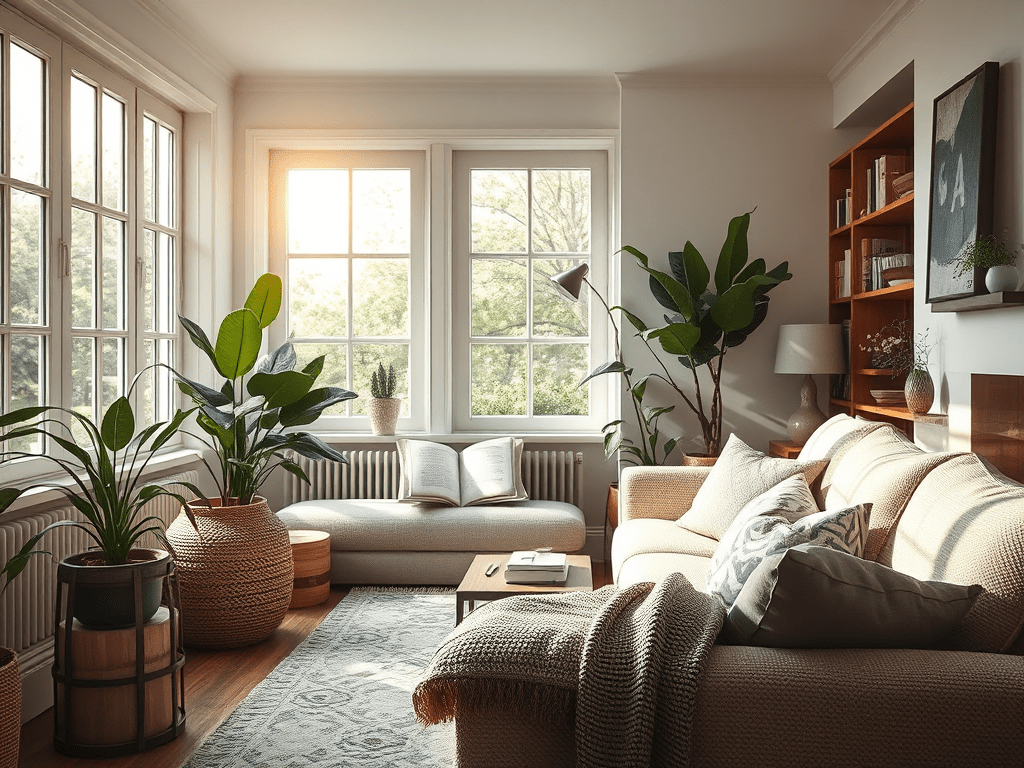
After a day filled with work, study, commuting, and endless demands, where do we land? We should return to a space that offers more than shelter—a place that helps us decompress, slow down, and reconnect.With ourselves. With our loved ones. With what truly matters. We spend around 90% of our time indoorsWorld Health Organization Yet,ContinueContinue reading “Creating Calm: Designing Homes for Better Mental Health”
The Future of Water Resilience: Ancient Practices for Modern Cities

Could you share a morning shower with your partner—not for romance, but because your city’s mayor told you it would help save water? In Bogotá, 2024, this suggestion became reality. A severe drought, intensified by the El Niño phenomenon, pushed the Chingaza reservoir system to historic lows. Simultaneously, maintenance at the Tibitoc water treatment plantContinueContinue reading “The Future of Water Resilience: Ancient Practices for Modern Cities”
Designing with the Spirit of the Sea
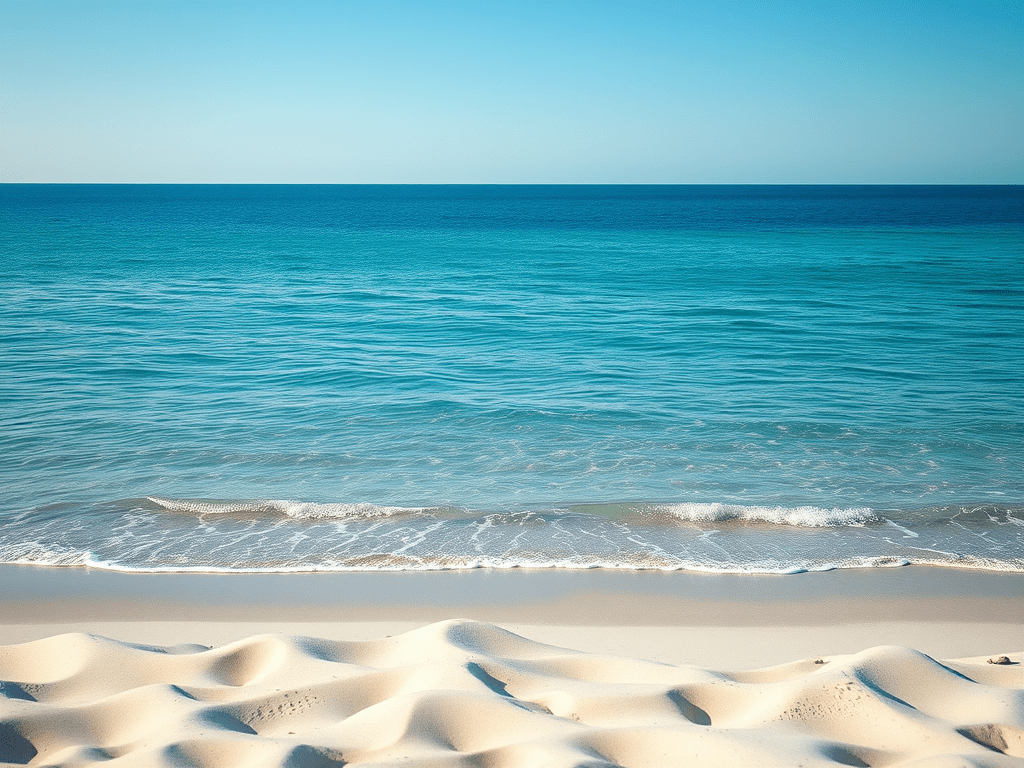
A few days ago, I posted a simple question:Which water scape would you escape to right now? Most people responded with what many of us instinctively feel:The sea – to relax. But what is it about the sea that draws us in?And more importantly: how can we recreate those sensations through design, even when theContinueContinue reading “Designing with the Spirit of the Sea”
Diseñar con agua: donde fluye la emoción

1. Donde fluye la calma Estamos hechos principalmente de agua. Fluye por nuestras venas, amortigua nuestro cerebro y llena las células que sostienen la vida. Pero nuestra conexión con ella es más profunda que la fisiología. El agua es algo que sentimos. Su brillo, su ritmo, su persistencia silenciosa —estas cosas hablan de algo antiguoContinueContinue reading “Diseñar con agua: donde fluye la emoción”
Water’s Influence on Human Emotion and Design
1. A Moment by the Water We are made mostly of water. It flows through our veins, cushions our brain, and fills the cells that sustain life. But our connection to it runs deeper than physiology. Water is something we feel. Its shimmer, its rhythm, its quiet persistence—these things speak to something ancient within us.ContinueContinue reading “Water’s Influence on Human Emotion and Design”
Designing for Mental Health: Architecture’s Role
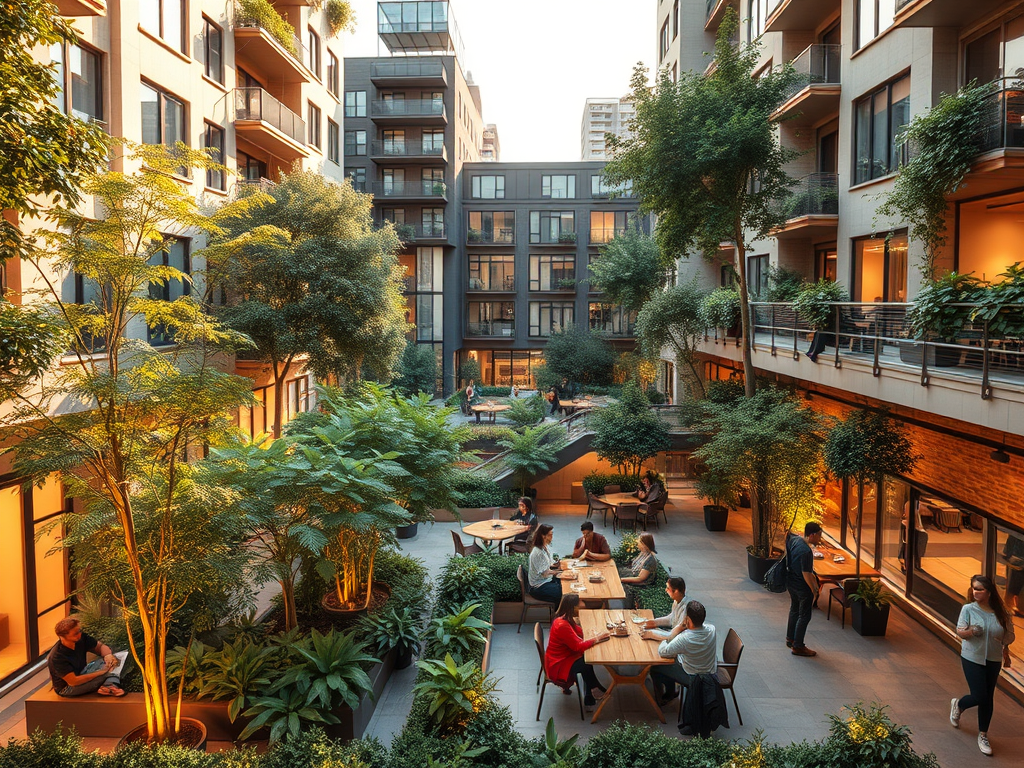
According to the World Health Organization (WHO), mental health conditions include mental disorders, psychosocial disabilities, and other emotional states that significantly impair daily functioning or increase the risk of self-harm. The Crisis: Anxiety, Disconnection, and Isolation Alfred, a 90-year-old widower from Wakefield, spent six months in near-total isolation. After losing his wife, his only humanContinueContinue reading “Designing for Mental Health: Architecture’s Role”
Designing for Survival: Architecture in the Age of Climate Crisis
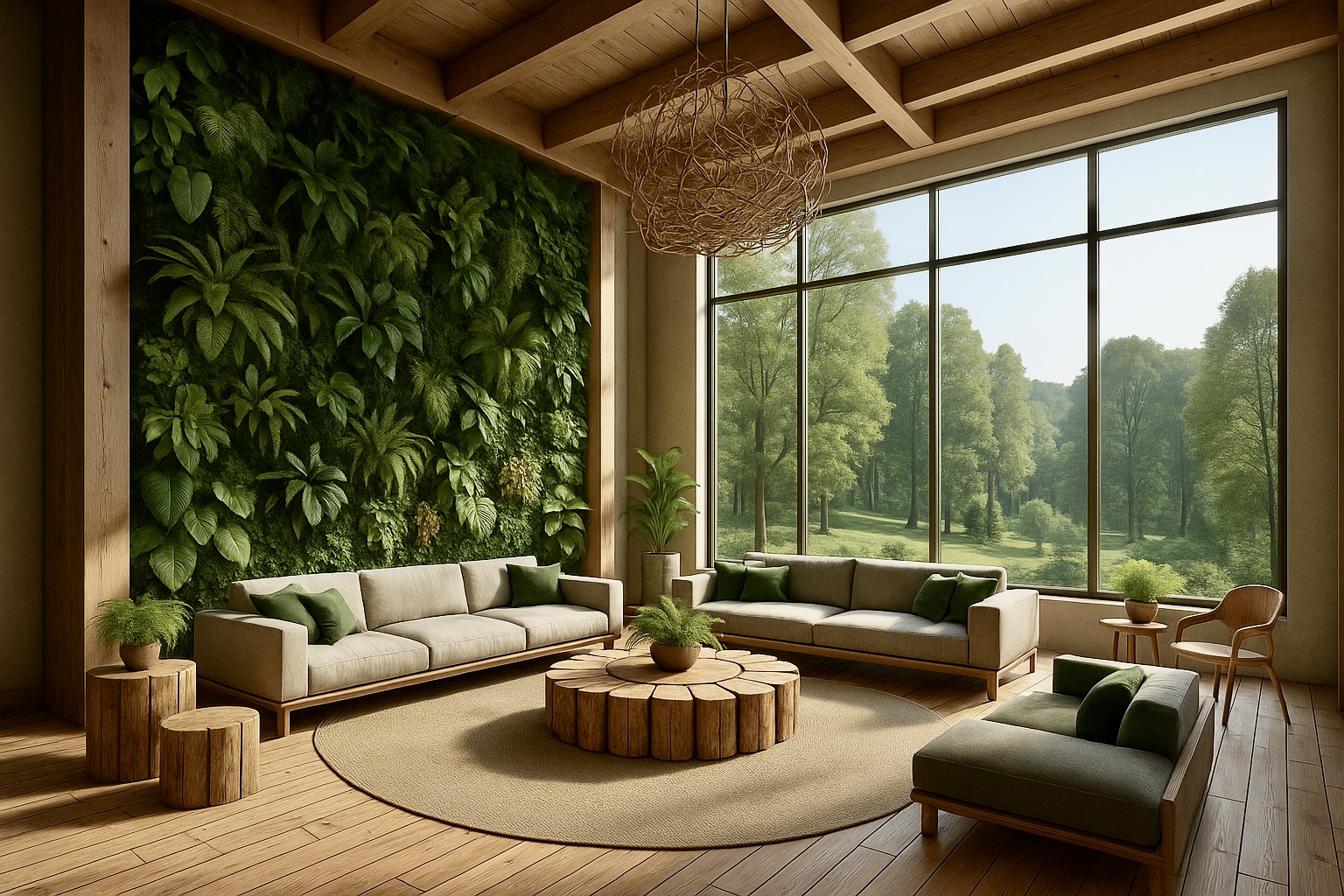
In recent years, the world has witnessed a surge in climate-induced catastrophes: unprecedented wildfires scorching vast landscapes, devastating floods submerging cities, and relentless heatwaves threatening human health and infrastructure. These events underscore the pressing need for architecture to transcend traditional aesthetics and functionality. Our built environments must evolve into resilient sanctuaries, capable of withstanding andContinueContinue reading “Designing for Survival: Architecture in the Age of Climate Crisis”
 neurotectura.com