
“Walking is man’s best medicine.” Hippocrates As a tourist on the island of Mykonos, I hold a vivid memory of its narrow alleyways, whitewashed buildings, and cascading bougainvillea. The absence of cars turns every stroll into a true delight, fostering an intimate connection with the architecture and local life. A rich sensory experience that leavesContinueContinue reading “Streets for People: The Case for Walkable Cities”
Category Archives: english
Neurodiversity Week: Rethinking Design for Every Mind

Neurodiversity Celebration Week, observed annually from 17 to 23 March, is a global movement that shifts the perspective on neurological differences. Rather than viewing conditions such as autism, ADHD, dyslexia, and dyspraxia as deficits, neurodiversity recognises them as natural variations in human cognition. This week serves as a powerful reminder to embrace inclusion, foster understanding,ContinueContinue reading “Neurodiversity Week: Rethinking Design for Every Mind”
Liu Jiakun Pritzker Prize: Neuroarchitecture and Human-centred Design

On March 4th, Liu Jiakun was named the 2025 Pritzker Architecture Prize Laureate, architecture’s most prestigious international honour. The 54th recipient, founded Jiakun Architecture in 1999 in his native Sichuan, where his innovative designs and commitment to sustainable urban planning have left an indelible mark. “In a global context where architecture is struggling to findContinueContinue reading “Liu Jiakun Pritzker Prize: Neuroarchitecture and Human-centred Design”
Neuroarchitecture: How Casino Design Influences Behaviour
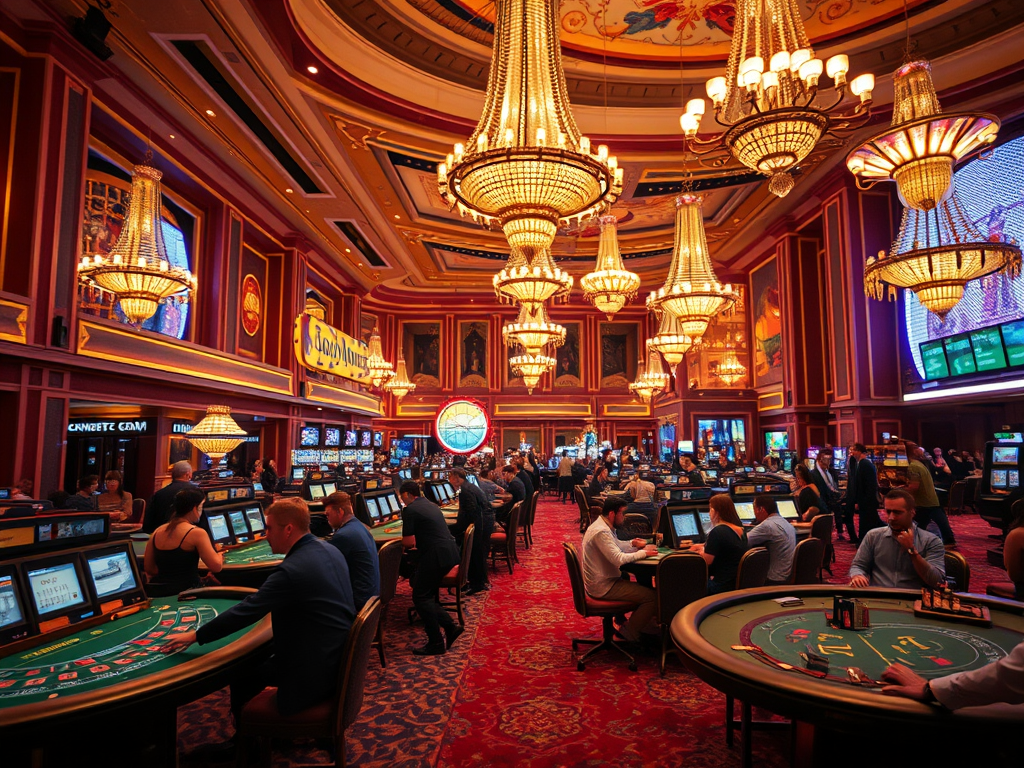
Over the centuries, they have evolved from elite gambling houses into massive, highly engineered environments designed to captivate visitors and maximise engagement. How did casinos originate, what makes them so alluring, and how does neuroarchitecture influence people’s behaviour in these spaces? Finally, we must ask: is this practice ethical? Il Ridotto: The First Public CasinoContinueContinue reading “Neuroarchitecture: How Casino Design Influences Behaviour”
Foster + Partners: Leading the Future of Neuroarchitecture in Design
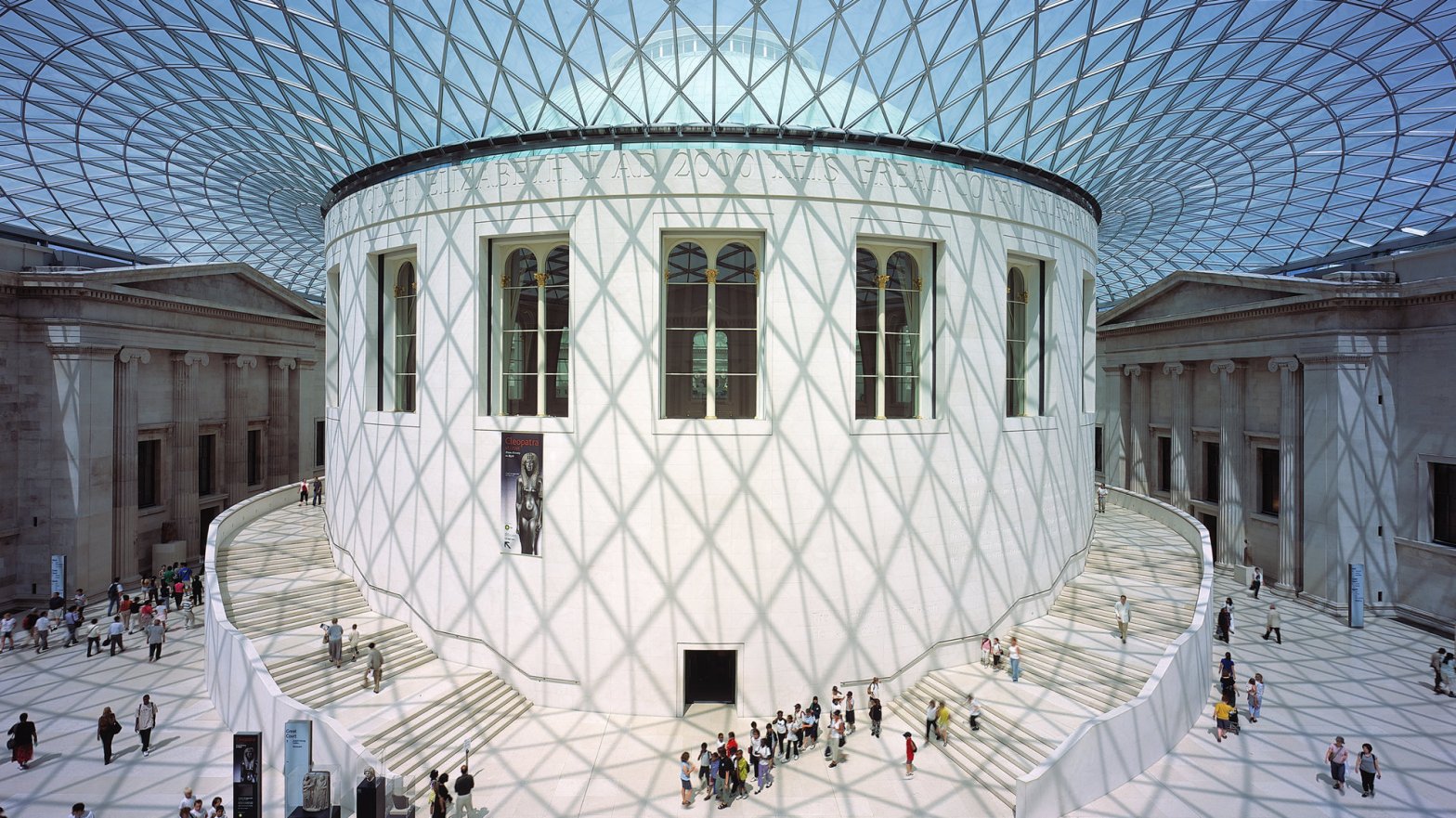
Foster + Partners is one of the world’s leading architectural firms, renowned for its innovative and sustainable designs. Notable projects such as the Millau Viaduct in France, the Reichstag Dome in Germany, and the Hong Kong and Shanghai Bank Headquarters highlight the firm’s commitment to pushing architectural boundaries while maintaining a focus on environmental andContinueContinue reading “Foster + Partners: Leading the Future of Neuroarchitecture in Design”
The Neuroscience of Space: Brain and Design Connections
The spaces we inhabit subtly shape our thoughts, emotions, and behaviours in ways we may not fully realize. From the way we navigate a city to the emotions evoked by a room, the built environment profoundly influences brain development, cognitive functions like memory, reasoning, and planning, and overall well-being. Neuroscience and architecture are increasingly intertwined,ContinueContinue reading “The Neuroscience of Space: Brain and Design Connections”
Designing Inclusive Spaces for Neurodiverse Populations
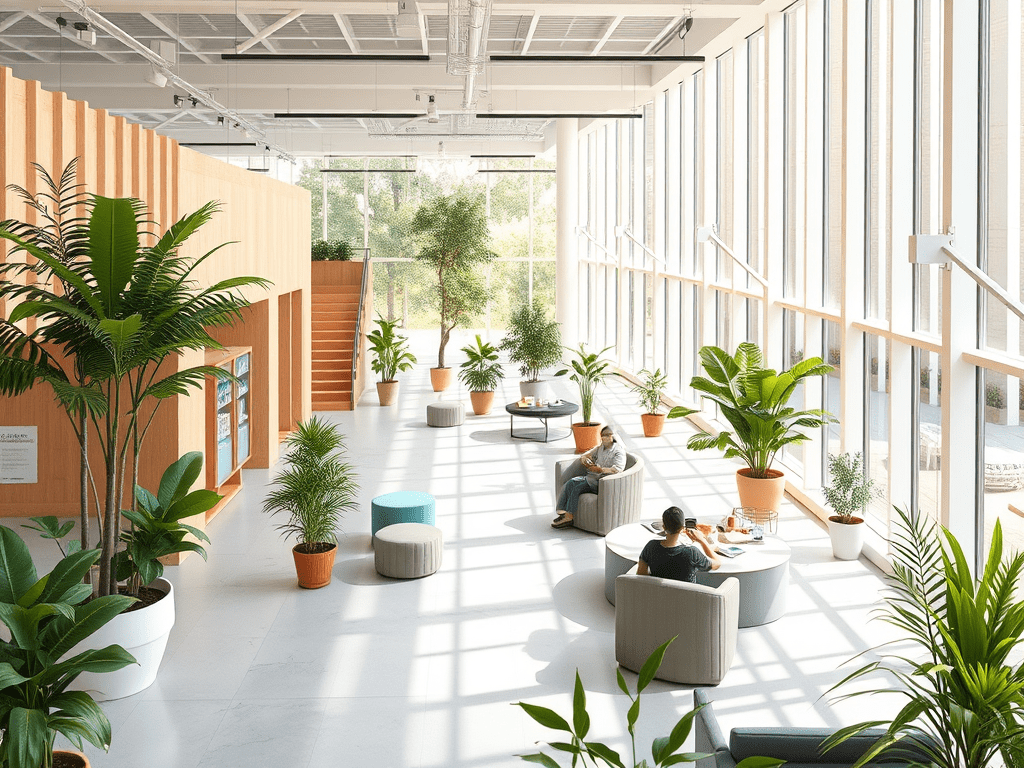
The terms neurodiversity and neurodivergency are often used interchangeably, but they represent distinct concepts within discussions on neurological differences. Neurodiversity is an inclusive term that acknowledges the natural variations in brain function, emphasising that these differences are not deficits but valuable aspects of human diversity. Diagram of Neurodiversity Conditions. The term neurodiversity was coined inContinueContinue reading “Designing Inclusive Spaces for Neurodiverse Populations”
The Reality of Climate Change: How It Fuels Wildfires
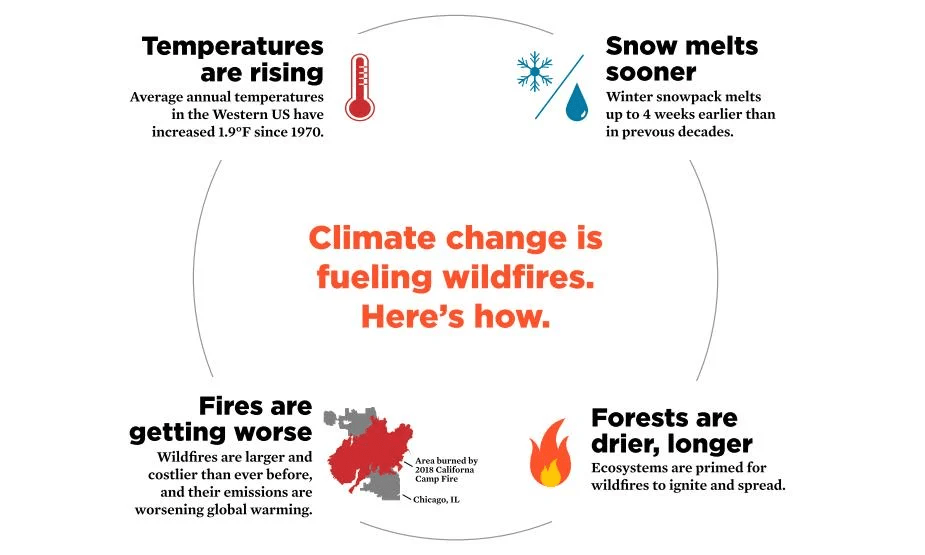
The United States experienced a series of devastating natural disasters in 2024, including catastrophic hurricanes on the Gulf Coast, record-breaking tornado outbreaks in the Midwest, and relentless flooding across the Northeast. These events culminated in the recent wildfires in California, which scorched vast areas at an alarming pace. Climate change’s role in amplifying these disastersContinueContinue reading “The Reality of Climate Change: How It Fuels Wildfires”
Neuroarchitecture : Creating Awe-Inspiring Spaces

For millennia, architects have intuitively designed sacred spaces to evoke profound emotional and spiritual experiences. Now, cutting-edge neuroscience research is shedding light on the biological underpinnings of how these awe-inspiring environments affect our brains and bodies. This emerging field of neuroarchitecture offers exciting insights for designing spaces that encourage contemplation, awe, and transcendence. Angkor WatContinueContinue reading “Neuroarchitecture : Creating Awe-Inspiring Spaces”
The Emotional Impact of Curved vs. Angular Designs

Research consistently shows that curved architectural forms tend to evoke more positive emotional responses compared to angular designs. Curved shapes are associated with feelings of comfort, safety, and pleasantness, while angular shapes may induce a sense of threat or unease. AI-generated image showcasing how curved spaces can evoke comfort and positivity, enhancing emotional well-being throughContinueContinue reading “The Emotional Impact of Curved vs. Angular Designs”
 neurotectura.com